

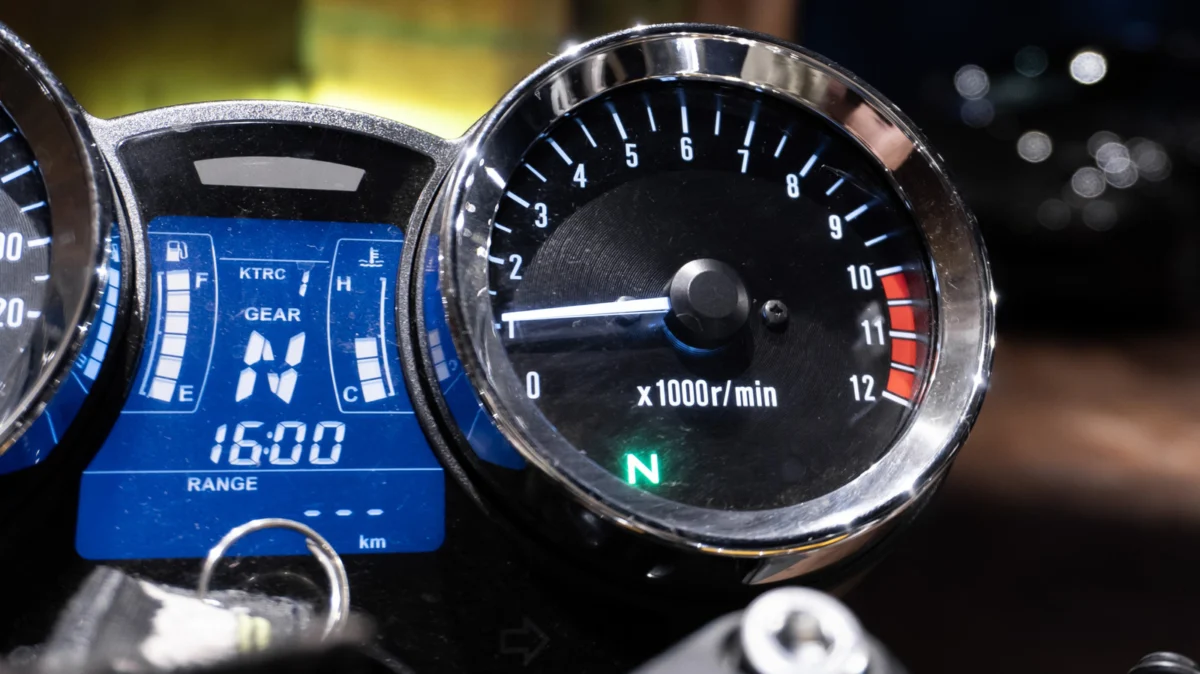
For those transitioning from the predictable, gated world of automotive manual transmissions to the visceral, tactile experience of riding a motorcycle, the gear-shifting process can initially feel like learning a foreign language. While cars utilize a clear, H-pattern shifter that leaves little room for ambiguity, motorcycle transmissions are rooted in a more nuanced, "feel-based" mechanical interaction. At the heart of this interaction lies the enigmatic "N" on the dash—the neutral position.
Understanding what neutral is, how to find it, and why the industry settled on the unconventional "1-N-2-3-4-5" shift pattern is essential for any rider looking to master the art of motorcycle operation.
The Function and Necessity of Neutral
In the context of a motorcycle transmission, "Neutral" represents a state of disengagement. When the transmission is in neutral, no gear is physically locked to the output shaft. Consequently, the engine’s rotational energy is not transferred to the rear wheel. The engine spins independently, allowing the bike to remain stationary even when the clutch lever is released.
Riders rely on this state during routine stops—at traffic lights, while idling in a driveway, or when manually maneuvering the motorcycle in a parking garage. By shifting into neutral, a rider can safely release the clutch, reducing fatigue on the hand and preventing the bike from inadvertently lurching forward should the clutch lever be accidentally released.
Achieving this state requires a deliberate, light touch. On most modern motorcycles, neutral is positioned exactly between first and second gear. To engage it, a rider must gently "nudge" the shift lever upward from first gear, or downward from second gear. It is a subtle tactile maneuver; because the position is essentially a "half-click" on the shift drum, it requires a level of finesse that distinguishes an experienced rider from a novice.
Why ‘N’ Resides Between First and Second: The Safety Paradigm
The standard shift pattern—1-N-2-3-4-5—often baffles beginners. Why would manufacturers place a disengaged gear between the two most frequently used gears? The answer lies in the harsh realities of emergency braking and safety.
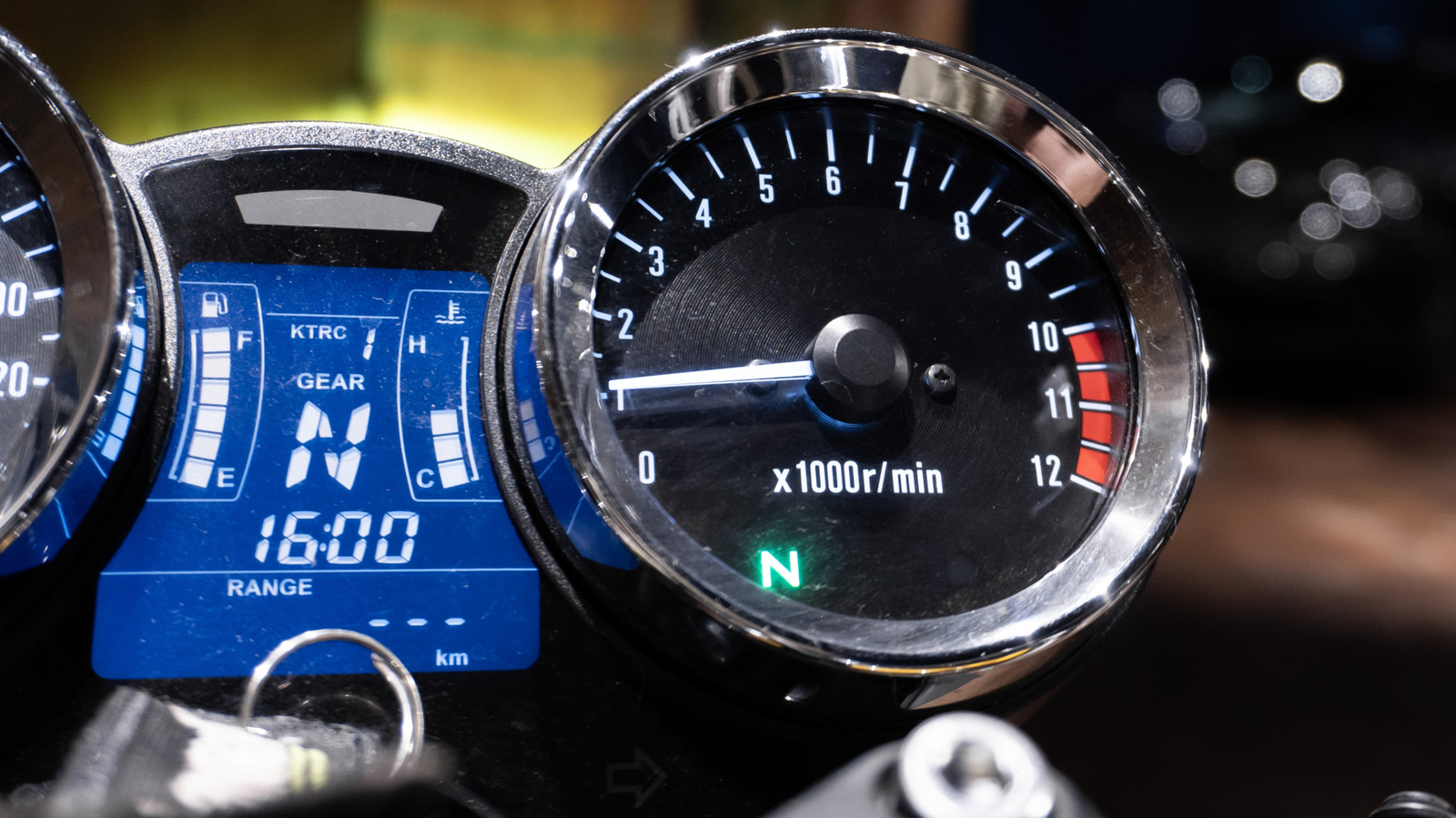
In a crisis, the human instinct is to apply maximum pressure to the braking systems. When a rider slams on the brakes, they are simultaneously kicking the gear lever downward to downshift. If neutral were located at the bottom of the sequence (below first gear), the rider would inadvertently shift into neutral during an emergency stop. This would result in a loss of engine braking—a critical component of motorcycle deceleration—and leave the bike coasting freely at a moment when stability and control are paramount.
By placing neutral between first and second, manufacturers ensure that even if a rider kicks the lever as hard as possible during a stop, they will simply end up in first gear. This maintains a connection between the engine and the rear wheel, allowing the rider to utilize the engine’s internal friction to assist in slowing the machine. Furthermore, this design discourages the dangerous habit of coasting in neutral while descending hills. Coasting disconnects the drive train, robbing the rider of the ability to accelerate out of trouble and removing the safety net of engine braking.
The Evolution of Transmission Standards: A Chronology of Chaos
To understand the current uniformity of motorcycle controls, one must look back to the fragmented landscape of the 1960s and early 1970s. During this era, motorcycle manufacturers operated in a "Wild West" of mechanical design. There was no global consensus on how a bike should shift.
The Era of Non-Uniformity
Before the mid-1970s, motorcycle ergonomics and control layouts varied wildly between manufacturers and even between models from the same company.
- Rotary Patterns: Some bikes, such as the Bridgestone 175 DT, utilized a "rotary" shift pattern. In this system, the gears looped in a circle, meaning a rider could shift through all the gears and then click down again to return to neutral. While this was useful for finding neutral at a stop, it posed a catastrophic risk of shifting from high gear into neutral while at speed.
- Right-Side Shifts: Many British motorcycles of the era placed the shift lever on the right side of the bike, with the brake lever on the left. Furthermore, the shift pattern itself was often inverted, with the first gear in the "up" position and the remaining gears down.
- Regional Disparity: European, Japanese, and American manufacturers each favored different configurations, creating a significant safety issue for riders moving between different brands.
The 1974 Federal Mandate
The lack of standardization led to numerous accidents, as riders conditioned on one machine would instinctively perform the wrong movement on another. Recognizing the danger of this lack of uniformity, the United States government intervened. In 1974, a federal regulation was passed mandating a standardized control layout for motorcycles sold in the country.
This mandate required the clutch to be on the left handlebar, the throttle and front brake on the right, and, crucially, a universal shift pattern on the left foot. Because the American market was the most significant destination for global manufacturers, the industry adopted this U.S. standard as the new global norm. This led to the 1-N-2-3-4-5 configuration that remains the industry benchmark today.
Supporting Data: The MotoGP Exception
While the 1-N-2-3-4-5 pattern is the standard for street-legal motorcycles, the pinnacle of racing technology provides a fascinating exception that proves the rule. In MotoGP, where machines are pushed to the absolute limits of human and mechanical capability, the shift pattern is often "reversed" or modified to put neutral at the very bottom of the gear sequence.
In these racing machines, neutral is located below first gear. To engage it, riders must use a specialized secondary lever or a locking mechanism on the handlebars. This is not a design flaw; it is a calculated safety feature. In the heat of a race, with speeds exceeding 200 mph, the risk of a rider accidentally shifting into neutral during a high-speed downshift is a nightmare scenario that could lead to a fatal crash. By isolating neutral behind a secondary manual action, race teams ensure that the rider can never find neutral by mistake.
Implications for the Modern Rider
The standardization of the shift pattern has had profound implications for the motorcycle industry.
- Safety and Cognitive Load: By creating a universal muscle memory, the 1974 standard reduced the "cognitive load" on riders. A rider can now transition from a commuter bike to a sportbike or a cruiser without having to relearn how to shift. This has undoubtedly contributed to a reduction in accidental gear-mismanagement incidents.
- Maintenance and Manufacturing: Uniformity allowed for the mass production of standardized shift drums and transmission components. This lowered costs for manufacturers and simplified the parts ecosystem for consumers and mechanics.
- The Shift to Advanced Electronics: As the industry moves toward quick-shifters and automatic-manual transmissions (such as Honda’s DCT), the physical shift lever is becoming less of a necessity. However, even in these modern systems, the "N" remains the universal symbol for disengagement, proving that while the technology evolves, the fundamental relationship between the rider and the power delivery remains rooted in the concept of the neutral state.
Conclusion
The presence of "N" after first gear is far more than a quirk of motorcycle design; it is a carefully considered safety feature that has been refined over decades of engineering and legislative action. From the chaotic, experimental designs of the mid-20th century to the highly specialized, locked-out neutrals of professional racing, the evolution of the gear indicator tells the story of an industry obsessed with balancing performance with rider safety.
For the modern motorcyclist, understanding this history provides more than just trivia—it provides an appreciation for the mechanics beneath their boots. Every time a rider clicks down into first and nudges up to find that elusive "N," they are interacting with a standard born from a global effort to make the road a safer place. Whether you are a casual commuter or a seasoned track enthusiast, respecting the function and the positioning of neutral is a fundamental pillar of competent and safe motorcycle operation.












No comments yet. Be the first to join the conversation!