

Shibuya, Tokyo’s pulsating heart of youth culture, fashion, and neon-lit nightlife, is globally recognized for its frenetic energy. From the iconic scramble crossing to the endless array of dining options, the district is a magnet for millions of international tourists and local commuters alike. Yet, beneath this vibrant exterior, a quiet revolution is taking place—one that aims to reconcile convenience with environmental responsibility.
As the global discourse on single-use plastics intensifies, the Shibuya Ward is positioning itself as a leader in urban sustainability. At the forefront of this movement is a pioneering pilot program titled "Megloo," an innovative service designed to overhaul how residents and visitors interact with takeout and delivery food packaging. By introducing a robust, multi-use container system, organizers hope to prove that the "grab-and-go" culture of a bustling metropolis does not have to come at the expense of the planet.
The Core Concept: How Megloo Works
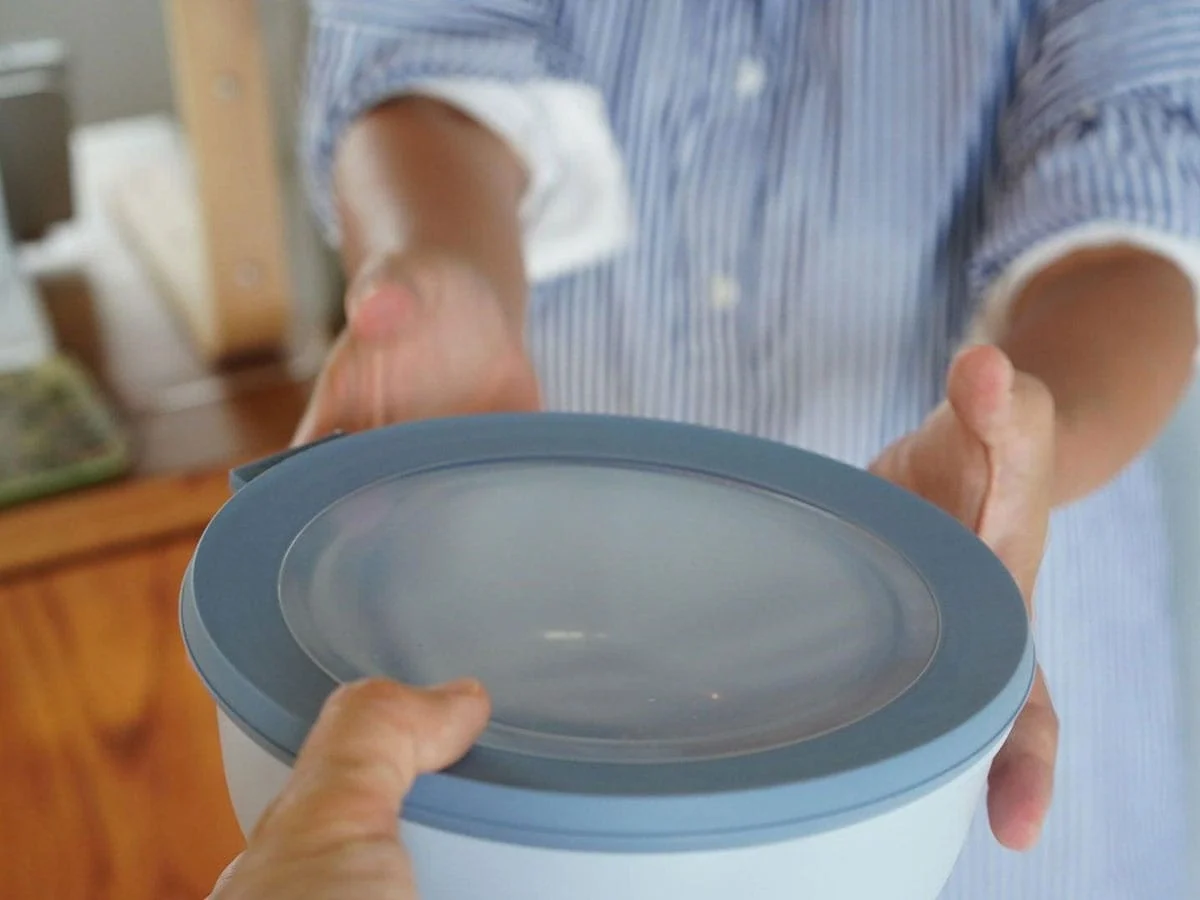
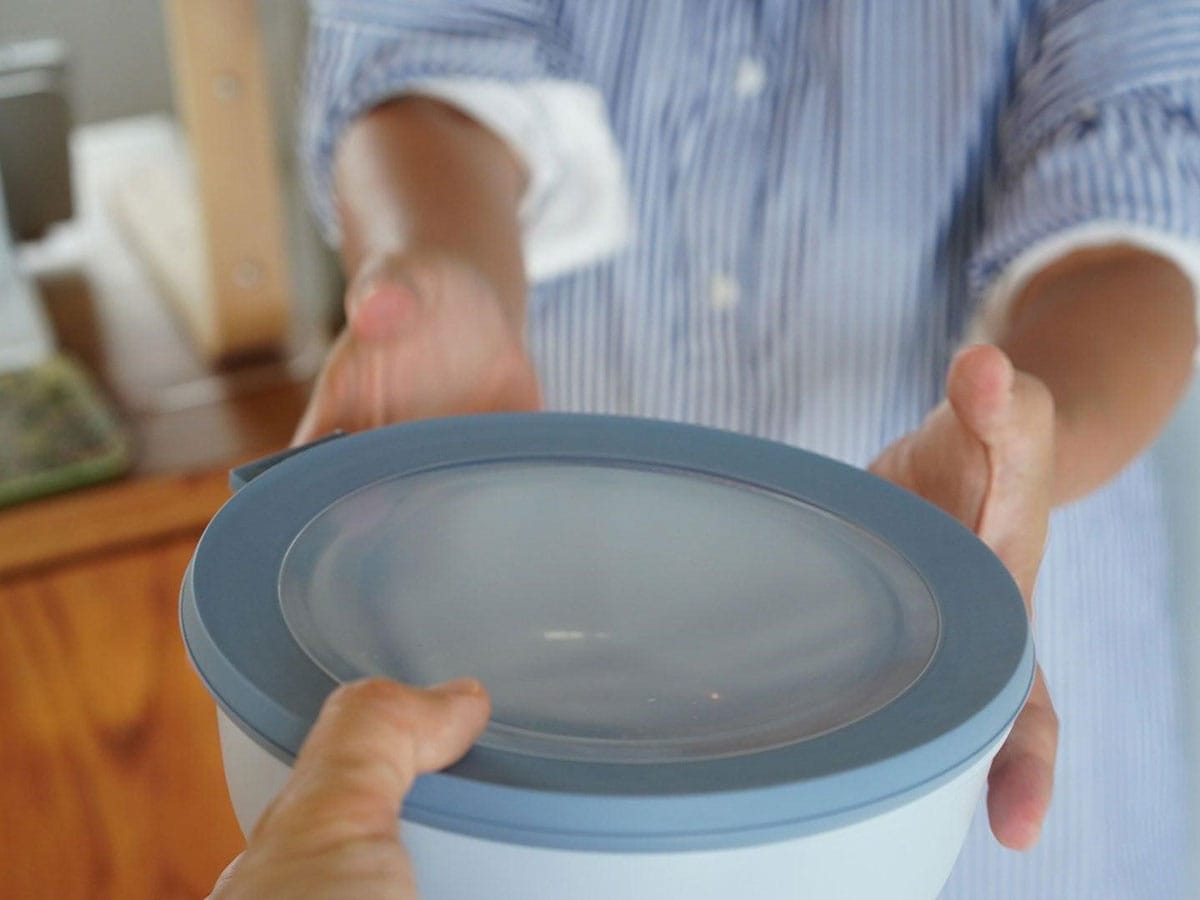
At its heart, the Megloo system is a circular logistics solution designed to eliminate the need for disposable plastics and paper containers. Operated by Kaman Co., Ltd., the service creates a closed-loop cycle that is as intuitive as it is environmentally conscious.
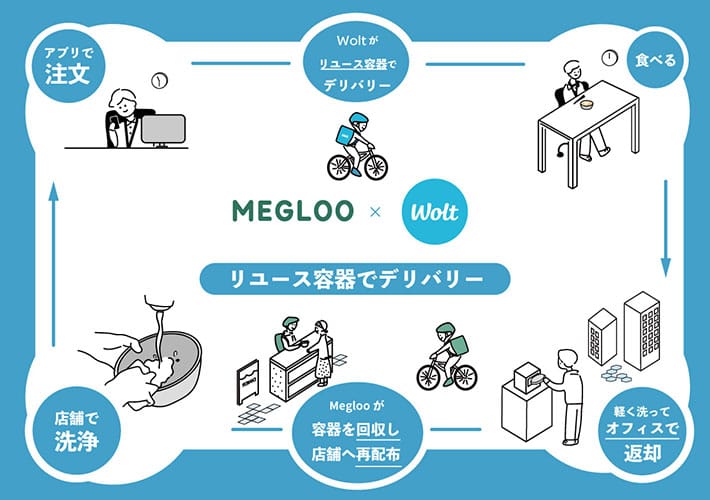
The process is designed to be frictionless for the consumer:
- Selection: Customers place their orders at participating eateries or via delivery platforms like Wolt Japan, opting for the Megloo reusable container.
- Consumption: The meal is served in high-quality, durable, and food-safe multi-use packaging.
- The Rinse: Once the meal is finished, users are asked to perform a quick, light rinse of the container—a simple gesture that maintains hygiene standards for the next cycle.
- The Return: The container is deposited into designated, clearly marked Megloo return boxes located strategically throughout the Shibuya area.
- The Loop: Kaman handles the logistics of collecting the used containers, transporting them back to the original establishments, where they are professionally sanitized to industrial standards before returning to the rotation.
This infrastructure effectively replaces the "take, make, waste" model with a sustainable cycle that encourages community participation and collective responsibility.
A Chronology of the Shibuya Pilot
The pilot program, which ran from January 24th to February 23rd, 2023, was not merely a local experiment but a strategic test of urban logistics. The timeline was carefully structured to gather data across a variety of consumer behaviors:
- Pre-Launch (December 2022 – Early January 2023): Kaman Co., Ltd. finalized partnerships with 19 local restaurants and 5 food trucks. During this phase, logistical routes were mapped, and the "return box" infrastructure was installed at key hubs near the Shibuya Cast building and other high-traffic locations.
- Phase 1 (January 24, 2023): The official launch of the pilot. Participating eateries began offering the option for multi-use packaging. Early adopters were encouraged to participate through social media campaigns and on-site signage.
- Phase 2 (Mid-February 2023): As the trial progressed, data collection focused on the return rate of the containers. The staggered entry of some food trucks allowed organizers to observe how different types of dining (casual vs. delivery) influenced container retention.
- Phase 3 (February 23, 2023): The conclusion of the trial period. Organizers entered a data analysis phase to determine the viability of scaling the project to the rest of the Shibuya Ward.
Supporting Data: The Scale of the Challenge
While Japan has long been known for its meticulous waste sorting, the volume of plastic generated by its convenience-oriented food industry remains a significant environmental hurdle. The Shibuya pilot was specifically targeted at areas with high density, such as the Shibuya Cast complex and the Harajuku/Omotesando corridors.
The pilot involved a diverse cross-section of the local food scene, ensuring that the trial tested the durability and versatility of the containers. Participants included:
- In-person Takeout Hubs: Establishments such as Contrail Shibuya, Marked Shibuya, and Hanazen served as physical anchors, testing the frequency of container turnover in high-footfall areas.
- Delivery Integration: Partnering with Wolt Japan allowed the program to reach customers beyond the immediate walking radius of the restaurants. Participating vendors included ABURA NOODLE TOKYO RAIJIN, Torisoba Juban 156, and WithGreen, providing a mix of noodle dishes, healthy bowls, and modern Okinawan cuisine like taco rice.
- Mobile Food Trucks: By including food trucks at Shibuya Cast Garden, the initiative addressed one of the most common sources of disposable street-food waste, proving that even nomadic dining operations can integrate into a circular infrastructure.
Official Responses and Strategic Intent
Kaman Co., Ltd. has framed the Megloo initiative not as a temporary gimmick, but as the foundation for a permanent "reusable container infrastructure." According to company representatives, the primary challenge is not the container itself, but the behavioral shift required from the public.
"Our goal is to make returning a container as natural as disposing of trash," a Kaman spokesperson noted during the launch. By embedding return boxes in locations that are already high-traffic, the company hopes to lower the barrier to entry for the average consumer.
Furthermore, the collaboration with major delivery platforms like Wolt Japan highlights a growing trend: the "Platform-as-a-Service" model for sustainability. If delivery giants can integrate reusable options directly into their apps, the environmental impact of urban food delivery could be slashed significantly over the coming decade.
The Broader Implications for Japanese Sustainability
The Megloo pilot occurs against a backdrop of increasing environmental awareness in Japan. Following the 2020 introduction of charges for plastic shopping bags, the Japanese public has shown a growing willingness to engage with policy-driven sustainability measures.
1. Scaling the Infrastructure
If the Megloo model proves successful, the next step is clearly defined: scaling. The infrastructure of return boxes and centralized cleaning facilities is the most expensive part of the equation. By centralizing these services, Kaman aims to provide a service that individual restaurants could never afford to implement on their own.
2. Corporate Responsibility and Consumer Choice
The participation of high-profile restaurants and delivery services sends a signal to the broader industry. Businesses are beginning to realize that sustainability is no longer a "nice-to-have" but a core component of brand loyalty. For the eco-conscious traveler or local resident, choosing a restaurant that uses Megloo is an easy way to contribute to a greener Shibuya.
3. A Model for Global Cities
The success of this pilot could serve as a blueprint for other dense, tourist-heavy cities worldwide. Tokyo, with its massive daily population, is the perfect testing ground. If a reusable system can survive the demands of Shibuya, it can likely be implemented in any urban environment globally.
Looking Ahead: Is Your Next Takeout Sustainable?
While the official test period concluded in February 2023, the implications for Shibuya’s future remain profound. For those planning a visit to Tokyo, it is essential to remain observant. While the specific participating establishments may evolve as the program transitions from a pilot to a permanent fixture, the trend toward circular dining is unmistakable.
Travelers are encouraged to look for the Megloo branding at local establishments. Even if a particular eatery is not currently part of the program, expressing interest in sustainable packaging can signal demand to business owners, who are increasingly responsive to the values of their patrons.
As Japan continues to harmonize its hyper-modern urban lifestyle with the urgent need for climate action, initiatives like Megloo represent a tangible, practical step forward. By choosing to support these circular systems, visitors to Shibuya are not just enjoying some of the best food in the world—they are helping to ensure that the city remains vibrant, clean, and sustainable for generations to come.
Note: For the latest information on the current status of Megloo or to see if your favorite Shibuya eatery has adopted the system permanently, it is recommended to check the official Megloo social media channels or inquire directly with restaurant staff. The evolution of this program continues, and your participation is a vital part of the success of the circular economy in Tokyo.












No comments yet. Be the first to join the conversation!