Muslim
The landscape of digital entertainment was rocked this week as VShojo, one of the most prominent agencies in the virtual YouTuber (VTuber) industry, announced it is permanently ceasing operations. The collapse follows a cascade of explosive allegations centered on severe financial mismanagement, non-payment of talent, and, most damningly, the failure to distribute hundreds of thousands of dollars in charitable donations raised by the agency’s top star, Ironmouse.

The dissolution of the company, which once championed a "talent-first" approach, has left the VTubing community in a state of shock, triggering a mass exodus of talent and an industry-wide reckoning regarding the ethics of corporate management in the creator economy.

The Catalyst: Ironmouse Speaks Out
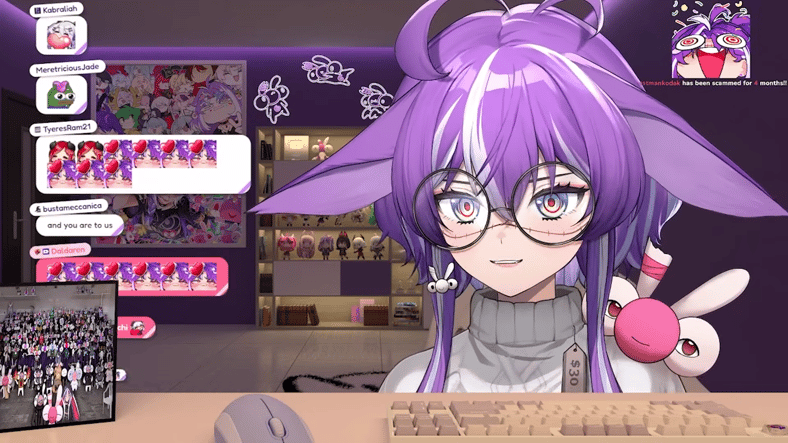
On July 21st, Ironmouse, a trailblazing VTuber renowned for her resilience while battling Common Variable Immunodeficiency (CVID), took to her platform to announce her departure from VShojo. In a video that quickly went viral, a visibly emotional Ironmouse revealed that the agency had failed to pay her significant sums of money she was owed.
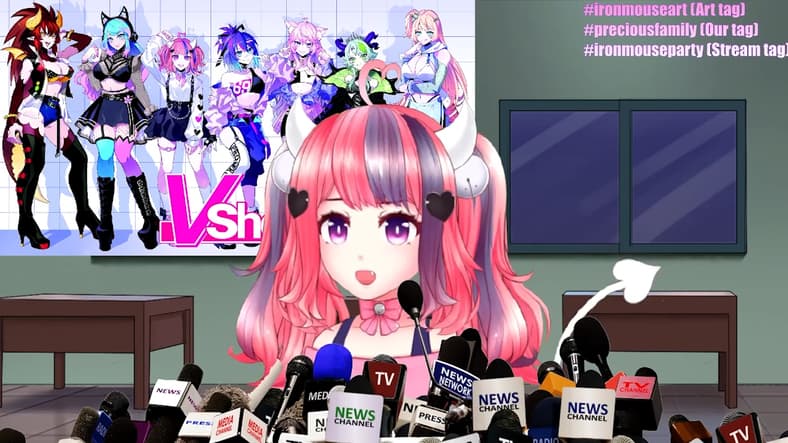
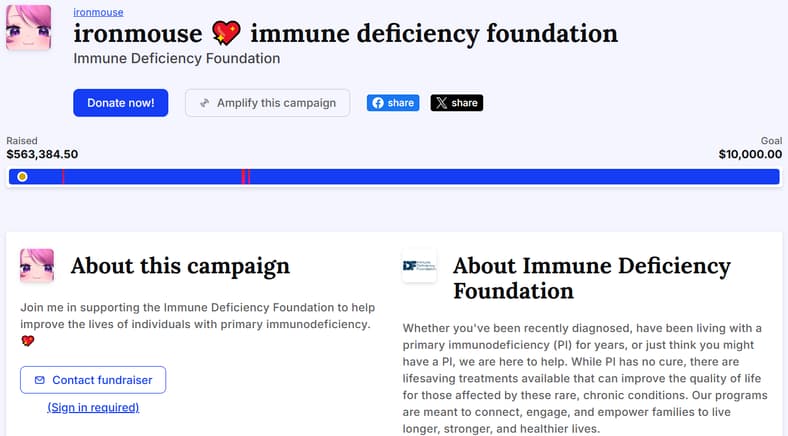
However, the most severe allegation concerned the Immune Deficiency Foundation (IDF). Ironmouse had spearheaded multiple "subathons" to raise funds for the organization, a cause deeply personal to her. She alleged that VShojo failed to transfer over $500,000 in charitable contributions raised during her 2024 charity event. This revelation served as the breaking point, effectively shattering the trust between the agency and its performers.

Chronology of the Decline
The unraveling of VShojo was not an overnight occurrence but rather a systemic failure that had been brewing for months.
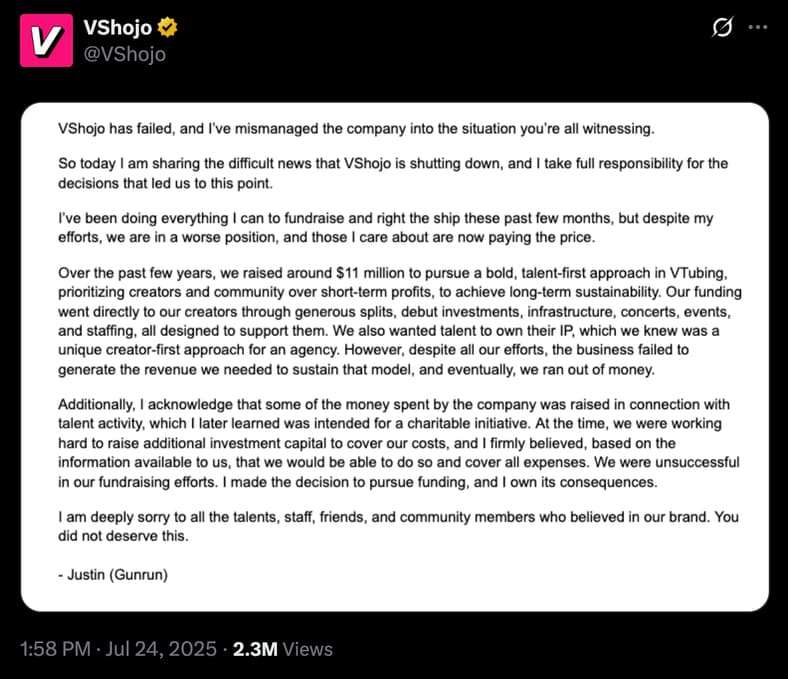
- Mid-2024: Internal tensions began to surface as talent payments became increasingly erratic. While management cited various excuses, frustration among the roster grew.
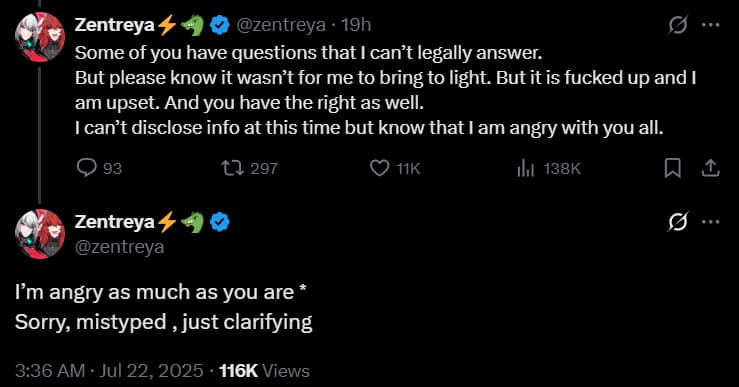
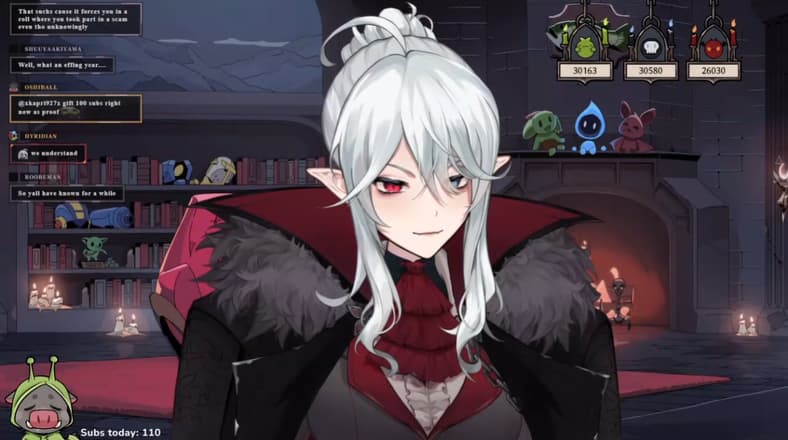
- July 11th: Zentreya, a high-profile member of the agency, announced her departure, citing legal constraints that prevented her from speaking openly at the time, though she alluded to deep-seated issues within the company.
- July 21st: Ironmouse formally severed ties with VShojo, publicly detailing the withheld payments and the misappropriated charity funds.
- July 22nd–23rd: The "domino effect" took hold. A wave of resignations followed as talent, including KSon, Michi Mochievee, and others, confirmed they had not been paid for months.
- July 24th: VShojo CEO Justin "GunRun" Ignacio issued an official statement on X (formerly Twitter) confirming the permanent shutdown of the agency.
Financial Mismanagement and the "Talent-First" Failure
VShojo’s business model was built on the premise of high-level support and "talent-first" IP ownership. CEO Justin Ignacio stated that the company had raised approximately $11 million to sustain its operations. According to Ignacio, the funding was directed toward debut investments, event infrastructure, and staff.

However, the ambition to scale rapidly appears to have outpaced the company’s actual revenue generation. In his apology, Ignacio admitted, "The business failed to generate the revenue we needed to sustain that model, and eventually, we ran out of money."
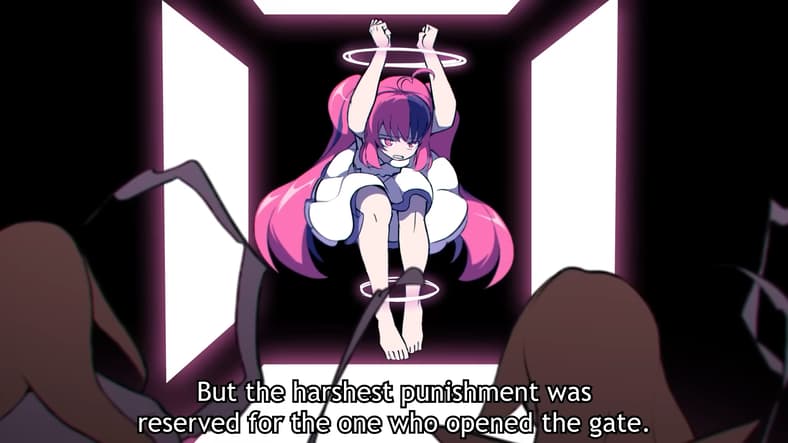
Perhaps the most damaging admission from the CEO was his acknowledgment regarding the charitable funds. "I acknowledge that some of the money spent by the company was raised in connection with talent activity, which I later learned was intended for a charitable initiative," Ignacio wrote. He attempted to justify the lapse by stating he was waiting for additional investment capital to cover costs, but the strategy failed, leaving the company insolvent and the charity empty-handed.
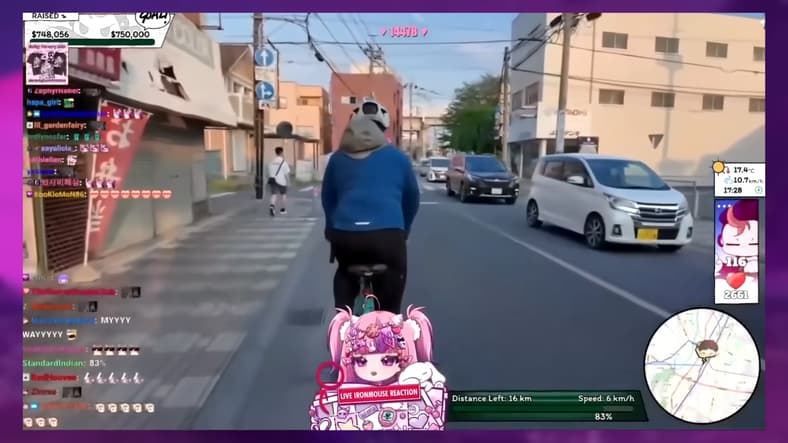
The Industry Reckoning: Talent Responses
The reaction from the VTuber community was immediate and overwhelming.

The KSon Testimony
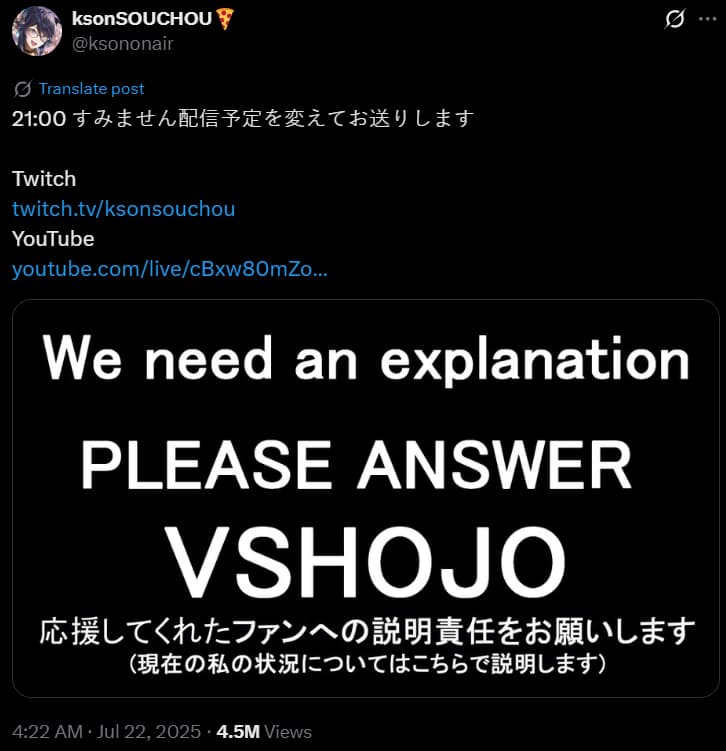
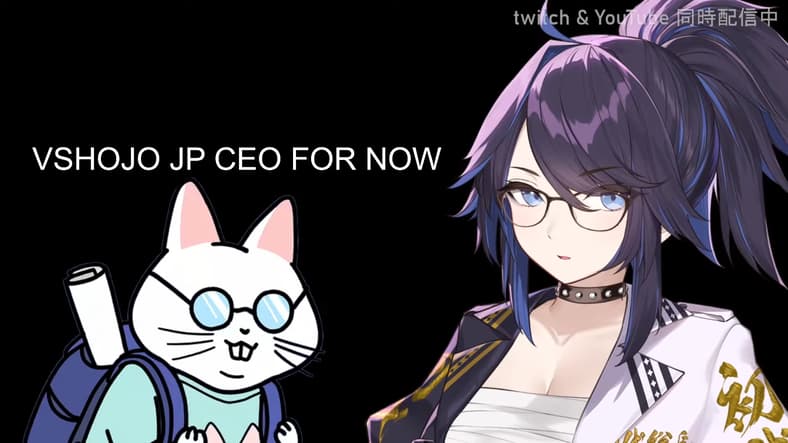
KSon, another major figure in the industry, provided a harrowing account of the company’s internal state. During a live-stream, she revealed that she had not been paid since September 2024. KSon reached out to the Japanese side of the agency, specifically CEO Koshi Makino, only to find that even leadership in Japan was kept in the dark regarding the dire state of the California-based headquarters. Makino himself admitted to being paid only half of his due salary, describing the company’s management as characterized by incompetence and a refusal to face financial reality.
A Mass Exodus
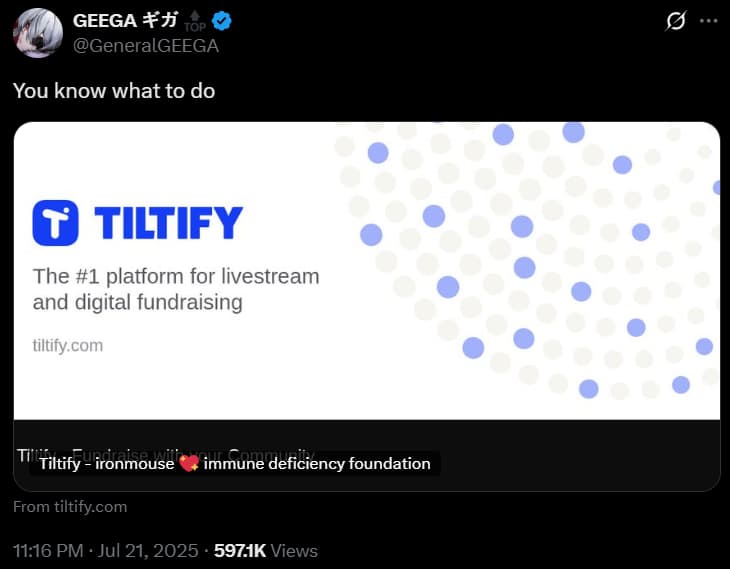
Following the news, the "VShojo" branding disappeared from the profiles of almost every associated creator. Former members like GEEGA and current roster members like Amalee, Projekt Melody, Kuro, and Hime all announced their departures. The situation extended to prospective talent; creators like Piapi and Beri Bug, who had already signed contracts to join the agency, rescinded their agreements after hearing of the financial instability.
Supporting Data and Charitable Resilience
While VShojo collapsed, the community it betrayed rallied to support the victims of its mismanagement. The Tiltify donation link promoted by Ironmouse to cover the missing charity funds became a focal point of solidarity.
- Goal: $10,000
- Actual Raised: Over $563,000
- Key Contributors: The top 50 donors included fellow VTubers and industry entities, such as VTube Studio, which donated $16,500. Zentreya, despite her own struggles with the agency, contributed $8,000.
This influx of donations highlights the loyalty the community holds for the creators themselves, rather than the agency that represented them. The Immune Deficiency Foundation, which had been left waiting for the original $500,000, saw an outpouring of support that serves as a testament to the power of fan-driven philanthropy in the face of corporate malfeasance.
Broader Implications for the VTuber Industry
The collapse of VShojo raises profound questions about the sustainability and ethics of agency-led VTubing.
1. The Dangers of Centralized Finances
One of the primary selling points for VShojo was that they handled all payments, protecting the privacy of the streamers. However, this centralization became a single point of failure. By acting as the sole financial conduit, the agency held the power to withhold funds, leaving talent with no leverage and no direct access to their own earnings.
2. Lack of Transparency
The fact that high-ranking staff members and regional CEOs were unaware of the company’s total financial insolvency until it was too late points to a lack of corporate governance. In an industry built on parasocial relationships and trust, the opacity of VShojo’s finances proved to be a fatal flaw.

3. The Need for Independent Representation
Many creators are now re-evaluating the necessity of large agencies. While agencies provide technical support and branding, the risk of "corporate capture" is high. Industry observers expect a shift toward independent models or smaller, more transparent management collectives where financial records are not shielded behind layers of "proprietary information."
Conclusion
The story of VShojo is one of hubris and catastrophic failure. What began as an innovative experiment in the virtual space ended in a public scandal that damaged the reputations of everyone involved. As the legal and financial fallout continues, the legacy of VShojo will likely serve as a cautionary tale for the creator economy.

The industry has learned a hard lesson: a "talent-first" motto is meaningless without the fiscal responsibility to back it up. For now, the VTubers who once called VShojo home are moving on, reclaiming their independence, and, thanks to the overwhelming support of their fans, ensuring that the charities they hold dear are not left to pay the price for corporate greed.


 Ammar Sabilarrohman