

Traveling with children in a sprawling, high-density metropolis like Tokyo often feels like solving a complex logistical puzzle. For parents, the definition of "family-friendly" transcends the flash of theme parks or the allure of character-themed retail stores. Instead, the true benchmark of success lies in finding a city that accommodates the unpredictable nature of childhood: the sudden energy spikes, the curiosity-driven detours, and the immediate necessity for a clean, accessible restroom or a quiet space to decompress.

In 2026, Tokyo stands as one of the world’s most functional and hospitable urban environments for families. By mastering the small, practical details—such as stroller-accessible transit, diaper-changing facilities in every major building, and a culture that is increasingly tolerant of the realities of parenting—the city has transformed from a daunting travel prospect into a seamless playground for all ages.

Main Facts: The Infrastructure of Convenience
Tokyo’s reputation as a family-friendly destination is not merely a marketing label; it is a byproduct of meticulous urban design.

- Baby Care Facilities: Japan has pioneered the "Baby Room." These are ubiquitous in train stations, department stores, and public centers. They provide cushioned changing tables, private nursing areas, and, crucially, hot water dispensers for formula preparation.
- Transit Accessibility: While the rail network is vast, almost all major stations are now fully equipped with elevators. Despite the crowds, subway "priority seats" are strictly respected, ensuring that families with young children or those in need of space have a reserved area to sit.
- Payment Integration: The Suica and PASMO IC card systems remain the lifeblood of travel. For families, these cards—now available in child-rate versions for those aged 6–11—simplify the entire process, allowing for seamless travel across trains, buses, and even small transactions at convenience stores.
Chronology: The 2026 Landscape of Tokyo Attractions
The city’s cultural and entertainment scene has seen significant shifts as of early 2026, offering new reasons for families to return.

- January 25, 2026: Ueno Zoo officially retired its panda program following the final public viewing of Xiao Xiao and Lei Lei. While the pandas are gone, the zoo continues to focus on its Children’s Zoo and diverse bird exhibits.
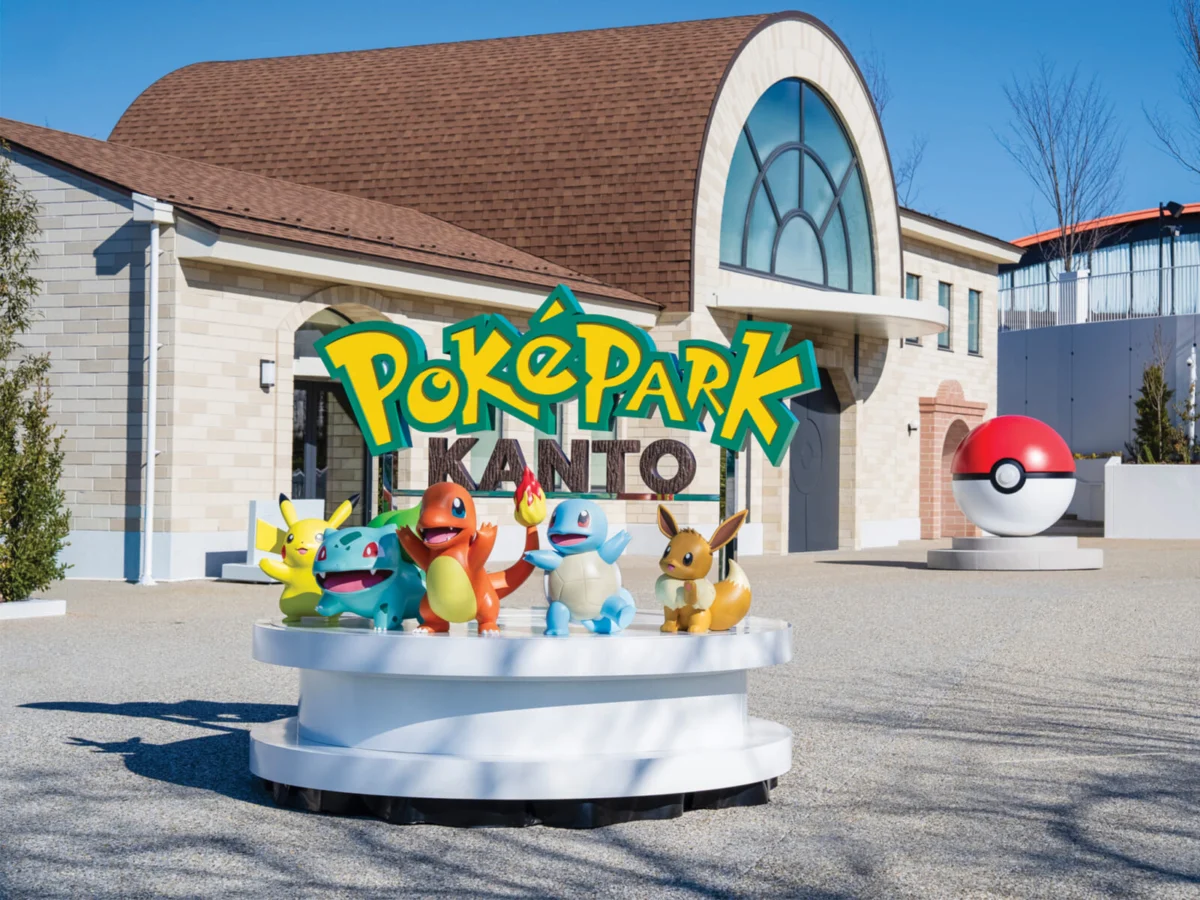
- February 5, 2026: The grand opening of PokéPark Kanto in the Tama Hills. As the world’s first permanent outdoor Pokémon attraction, it has become a primary draw for younger visitors.
- March 31, 2026: The Edo-Tokyo Museum reopened its doors following a massive four-year renovation. The site now features a more interactive, playground-like atmosphere, allowing children to physically walk across a full-scale replica of the Nihonbashi Bridge.
Supporting Data: Curated Experiences for Young Travelers
To ensure a successful trip, families should look beyond the tourist hotspots and toward locations that prioritize interactivity.

Museums That Engage
- The National Museum of Nature and Science (Ueno): Beyond its massive dinosaur skeletons—including one of the world’s most complete Triceratops—the museum offers a "Hands-On Science Area" designed specifically to translate complex physics and biology into tactile play.
- Miraikan (Odaiba): Known as the National Museum of Emerging Science and Innovation, this facility bridges the gap between technology and childhood wonder. Its focus on robotics and space exploration is bolstered by frequent robot demonstrations that transcend language barriers.
- TeamLab Planets (Toyosu): This immersive, sensory-driven space is perhaps the most unique "museum" experience in the city. Visitors walk barefoot through water and light installations. It functions more like a magical indoor playground than an art gallery, though pre-booking is mandatory due to its consistent sell-out status.
Theme Parks and Outdoor Escapes
- Tokyo Disney Resort: The 2026 addition of Fantasy Springs at DisneySea is the defining story of the year. Featuring immersive lands dedicated to Frozen, Tangled, and Peter Pan, the area has become a primary target for families. To mitigate long queues, visitors are advised to utilize the Disney Resort app for Premier Access or book rooms at the on-property Fantasy Springs Hotel for early park entry.
- Ghibli Museum (Mitaka): An enchanting but restricted site. Admission is strictly by advance reservation. It is best suited for a 2-3 hour visit, featuring original short films and a giant cat-bus structure for young children.
- Showa Memorial Park (Tachikawa): For families needing to "burn off steam," this 165-hectare park is the city’s best-kept secret. With its "Children’s Forest," massive bouncing domes, and extensive cycling trails, it offers a reprieve from the concrete jungle of central Tokyo.
Official Responses and Strategic Planning
The Tokyo Metropolitan Government and private tourism operators have, in 2026, doubled down on "multi-generational" tourism. Industry reports indicate a shift in hotel offerings, with many major chains now pivoting to "apartment-style" hotels. These units—such as the Mimaru hotel group—specifically feature kitchenettes, bunk beds, and floor plans that sleep 4–6, directly addressing the historic issue of Tokyo’s famously small hotel rooms.

Furthermore, restaurant operators have integrated technology to assist parents. Many "family restaurants" (e.g., Gusto, Royal Host) now utilize delivery robots to bring food to tables. While seemingly minor, this minimizes the chaos of waiting staff navigating around strollers and adds an element of entertainment for children during meals.

Implications: Managing Expectations and Logistics
Traveling to Tokyo with children requires a strategic approach to timing and location.

Choosing Your Base
- Ueno: Remains the top recommendation. It is flat, walkable, and provides immediate access to Ueno Park and the JR Yamanote Line, which loops around the city’s major centers.
- Shinjuku: Offers the highest density of hotels, but parents are cautioned to stick to the western or southern sides of the station, avoiding the nighttime activity of the Kabukicho district.
The "Stroller vs. Carrier" Debate
While Tokyo is increasingly stroller-friendly, the "rush hour" reality remains unchanged. Between 7:30–9:30 a.m. and 5:30–7:30 p.m., the subway system is at maximum capacity. During these windows, a baby carrier is significantly more manageable than a stroller. When choosing to use a stroller, parents should prioritize elevator-accessible routes, which are marked on most digital maps, rather than relying on escalators or stairs.

Seasonal Wisdom
- Spring/Autumn: The ideal windows for travel. However, they coincide with peak crowds. If visiting for the cherry blossoms or autumn foliage, arrive at major sites like Mt. Takao or the Ghibli Museum at least 30 minutes before opening to avoid the worst of the congestion.
- Summer: High humidity makes outdoor exploration challenging. Plan for "indoor-heavy" days during these months, focusing on the aquariums (like Sunshine Aquarium) and the various indoor theme parks like Sanrio Puroland.
Dining Tips
For those intimidated by Tokyo’s culinary scene, there is no shame in utilizing the depachika—the sprawling, high-quality food halls found in the basements of major department stores. They offer a diverse array of options that can be taken back to the hotel, providing a stress-free alternative to formal dining during a toddler’s "meltdown" hour.

Ultimately, Tokyo in 2026 is a city that rewards preparation. By utilizing the available technology—from transit apps to advanced museum bookings—and leaning into the city’s inherent infrastructure for families, parents can ensure that their trip is as memorable for the adults as it is for the children. Whether it’s watching the penguins "fly" at the Sunshine Aquarium or exploring the historical depths of the Edo-Tokyo Museum, the city proves that even in the most modern of metropolises, there is always room for the wonder of childhood.












No comments yet. Be the first to join the conversation!