

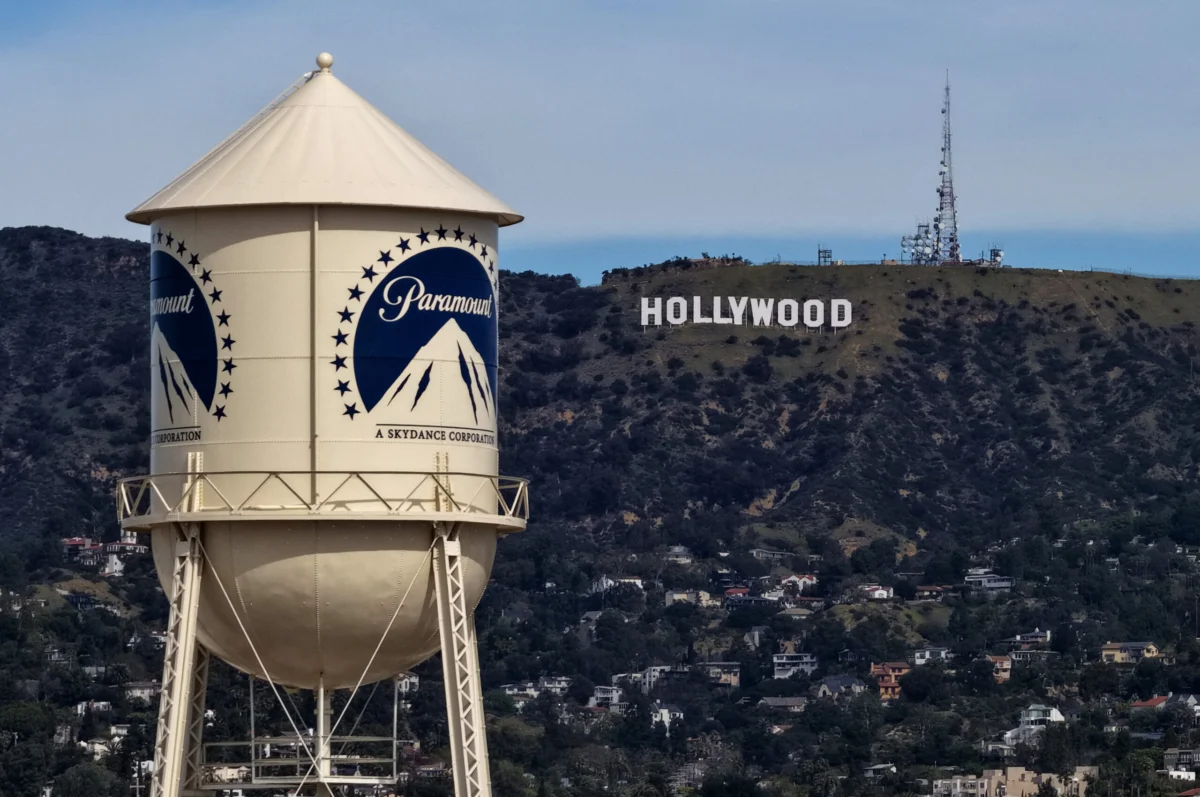
In a move that signals the high-stakes intensity of the most significant media consolidation in modern history, Paramount has tapped Jeffrey Kessler—a legal heavyweight renowned for his dominance in antitrust litigation—to anchor its defense of the proposed $110 billion merger with Warner Bros. Discovery. The acquisition, a transformative deal poised to reshape the landscape of global entertainment, has already begun to trigger legal friction, prompting the studio to assemble what is arguably the most formidable antitrust legal defense team ever assembled in the media sector.
The Architect of the Defense: Why Jeffrey Kessler?
Jeffrey Kessler, the co-executive chair of the powerhouse law firm Winston & Strawn, is not typically found on the defense side of corporate megamergers. Historically, he has been the scourge of established monopolies and the champion of the "little guy," having spent decades litigating on behalf of athletes, labor unions, and consumers. His entry into the Paramount fold represents a strategic pivot for the studio: they have hired a lawyer who knows exactly how to dismantle a monopoly argument because he has spent his career perfecting the art of building one.
Kessler’s recent track record includes a landmark victory for a coalition of over 30 states that challenged the Justice Department’s settlement with Live Nation. In that case, Kessler successfully guided the argument that the entertainment conglomerate was operating in clear violation of federal and state antitrust laws, resulting in a significant jury verdict. His ability to frame complex antitrust concepts into compelling, often emotional, narratives for judges and juries is his greatest asset. By bringing him into the Paramount-Warner Bros. Discovery fold, the studio is signaling that they are prepared to fight not just on technical legal grounds, but on the narrative battlefield of public interest and consumer choice.
A Legal "Dream Team" for an Industry-Defining Deal
The addition of Kessler completes a legal roster that reads like a "who’s who" of American antitrust law. He joins Makan Delrahim, the former assistant attorney general for the U.S. Department of Justice’s Antitrust Division during the Trump administration. Delrahim’s presence is particularly significant, as he offers deep, insider knowledge of how federal regulators view media consolidation.
The team is further bolstered by David Gelfand, the former deputy assistant attorney general for litigation under the Obama administration, alongside a deep bench of specialists from Latham & Watkins and Cravath, Swaine & Moore. This assembly of talent serves a dual purpose: it acts as a deterrent to aggressive regulatory scrutiny and provides a robust, multi-layered defense against the inevitable barrage of class-action lawsuits filed by consumers and advocacy groups.
Chronology of the Conflict
The path to this merger has been fraught with regulatory caution and public skepticism. The timeline of the legal entanglement currently unfolding is as follows:
- Initial Announcement: The $110 billion merger was unveiled, promising to create a media juggernaut capable of competing with the digital-native titans of Silicon Valley.
- The Consumer Backlash: Almost immediately, a group of Paramount subscribers filed a class-action lawsuit. The plaintiffs argue that the deal would create an anti-competitive environment, specifically harming consumer choice in the realms of streaming, news, and theatrical distribution.
- The Preliminary Injunction: This past Wednesday, lawyers representing the consumer class moved for a preliminary injunction, a high-pressure tactic aimed at freezing the merger in its tracks before it can reach completion.
- The Judicial Approval: On Friday, a federal judge granted the motion allowing Jeffrey Kessler to officially join the legal team representing Paramount, formalizing his role as the primary defense counsel against the consumer-led suit.
Antitrust Analysis: The Core Arguments
The heart of the dispute lies in whether this merger constitutes an "illegal restraint of trade." The plaintiffs contend that by merging two of the most significant pillars of American media, the resulting entity will wield enough power to hike subscription prices, stifle independent content creators, and monopolize the distribution channels for news and film.
However, the defense—led by Kessler—has been characteristically blunt. In a public statement regarding the consumer lawsuit, Kessler did not mince words, labeling the complaint "baseless."
"It resorts to political scaremongering that is both inaccurate and irrelevant to the antitrust analysis," Kessler stated. He continued by framing the plaintiffs’ case as a failure of logic, asserting, "What we do learn from the complaint is that there is no credible antitrust case to be brought against the Paramount/Warner Bros. merger. In my many years of practice championing competition and the interests of consumers, athletes, and workers, I have rarely seen such a weak case seeking to block a transaction."
Implications for the Entertainment Industry
The implications of this litigation extend far beyond the balance sheets of Paramount and Warner Bros. Discovery. If the merger proceeds, it will fundamentally alter the economics of streaming. In an era where platforms are struggling with churn and profitability, the combination of two major libraries could create an unbeatable scale, potentially forcing a wave of secondary and tertiary mergers among other players, such as NBCUniversal, Sony, and Lionsgate.
Conversely, if the plaintiffs—and eventually any potential federal regulators—succeed in blocking the deal, it would set a restrictive precedent for the entire media sector. It would signal that the current administration (and the courts) are increasingly skeptical of "big media" consolidation, effectively putting an end to the era of massive media takeovers.
Kessler’s Past as a Predictor of Future Strategy
Kessler’s history provides a roadmap for how he will likely approach this case. In 2019, he orchestrated the seismic shift in collegiate athletics by winning an antitrust suit against the NCAA, which paved the way for student-athletes to monetize their Name, Image, and Likeness (NIL). He also successfully defended the Actors’ Equity Association in 2023, securing the dismissal of a lawsuit filed by producer Garth Drabinsky.
In both instances, Kessler focused on the "structural realities" of the market rather than just the letter of the law. He argues that competition is defined by the ability of new players to enter the market and for consumers to have access to diverse content. He will likely argue that the streaming market is already hyper-competitive, with global players like Netflix, Amazon Prime, and Apple TV+ ensuring that no single entity can exert monopolistic control over the viewing public.
The Road Ahead
While Paramount executives have publicly stated they do not anticipate formal challenges from the Justice Department, the Federal Trade Commission, or international regulators, the legal landscape remains volatile. By securing Kessler, Paramount is preparing for a "worst-case scenario" defense.
The case, currently working its way through the federal court system, serves as the opening chapter of a much larger story. As the legal teams prepare for discovery and the eventual evidentiary hearings, the entertainment industry is watching with bated breath. The outcome will not only decide the fate of the $110 billion merger but will likely define the parameters of antitrust enforcement in the digital age for the next generation.
With a team that combines the institutional knowledge of former government regulators like Delrahim and Gelfand with the aggressive, consumer-focused tactical brilliance of Jeffrey Kessler, Paramount has signaled that it is not looking for a settlement. It is looking for a decisive victory that will cement its place at the center of the future of entertainment. For the plaintiffs, the challenge will be to prove that this merger is an existential threat to competition—a daunting task when facing a lawyer who has spent his career proving that he is the most effective force in the courtroom.











No comments yet. Be the first to join the conversation!