

By [Your Name/Journalistic Desk]
May 22, 2026
When The Mandalorian and Grogu premiered in theaters this week, it promised to be the triumphant cinematic evolution of the franchise’s most successful streaming property. Yet, for many longtime observers of the Star Wars mythos, the experience was marked by a lingering, uncomfortable realization: the visual language that once defined the galaxy far, far away has been fundamentally compromised.
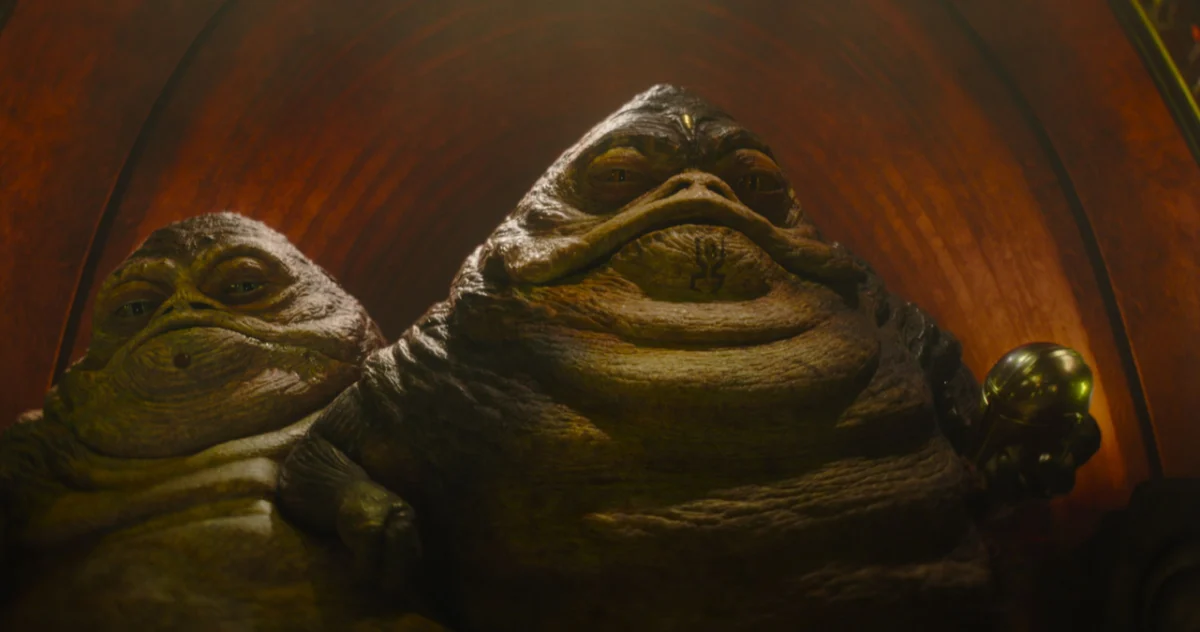
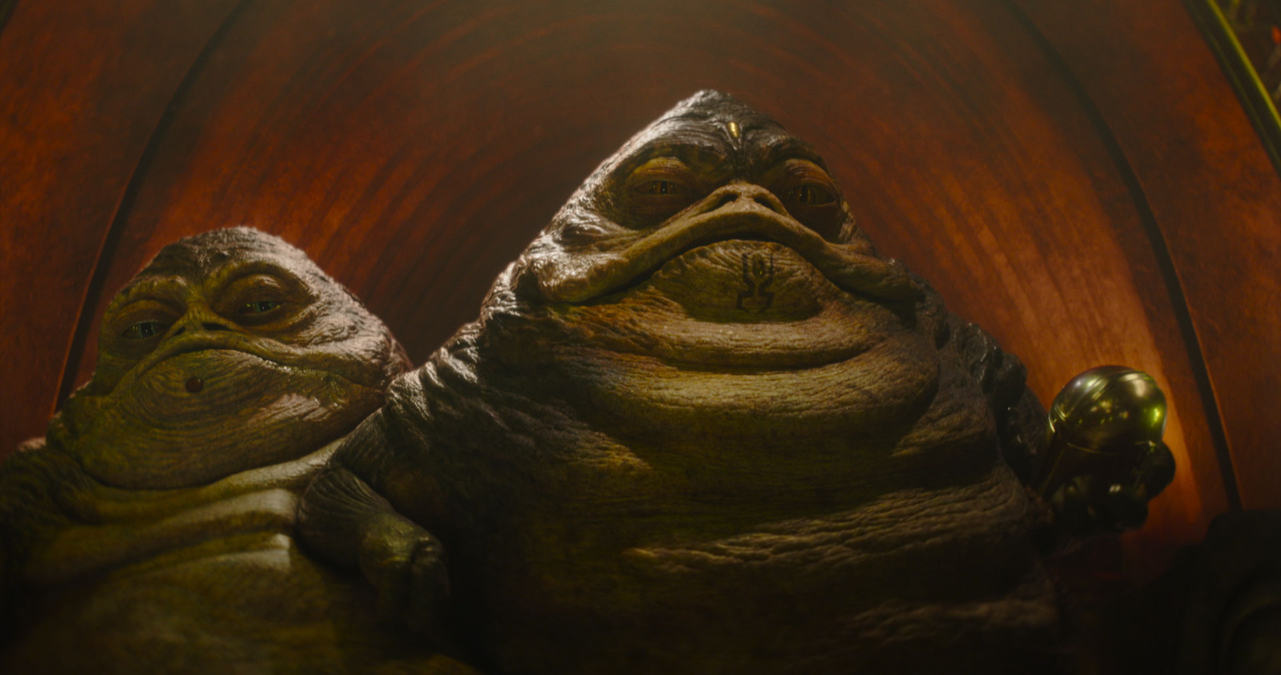
At the climax of the film’s first act, the protagonist, Din Djarin, finds himself in a gladiator arena. Alongside Rotta the Hutt—the surprisingly muscular son of the infamous Jabba—Djarin is forced to fend off a menagerie of beasts. On paper, it should be a spectacle. In practice, it serves as a stark reminder of how far the franchise has drifted from the iconic, vibrant creature design that birthed the space opera genre.
The Dejarik Descent: From Masterpiece to Muted Mud
The arena sequence is visually underwhelming, characterized by an array of monsters that seem to share a singular, dreary color palette of dishwater grey, bruised green, and muted brown. It is only upon closer inspection that the audience realizes these creatures are meant to be the living, breathing versions of the Dejarik holochess pieces famously played by R2-D2 and Chewbacca in the 1977 original film.
In the original Star Wars, animator Phil Tippett and his team created creatures that were distinct, vibrant, and instantly memorable. The Kintan Strider was a striking yellow; the Mantellian Savrip boasted a rich, verdant skin that popped against its leather attire; and the molator carried a neon-blue, toxic glow. These were designs that commanded attention despite occupying only seconds of screen time.
In The Mandalorian and Grogu, these same archetypes have been flattened. They lack the texture, the contrast, and the deliberate artistic intent that made the original holochess set a cult classic. They are no longer characters; they are "Easter eggs" rendered in a soulless, digital wash.
Chronology of a Style: The Cantina Blueprint
To understand the failure of the current visual direction, one must look at the "Cantina Model." In the original A New Hope, the Mos Eisley Cantina scene served as a masterclass in world-building. It was a chaotic, organic, and visually intoxicating environment.
The history of that scene is well-documented: born of necessity, budgetary constraints, and the creative desperation of makeup artist Rick Baker. George Lucas demanded a crowded, alien-filled bar, and Baker delivered by grabbing whatever props and masks were available. The result was a diverse, inexplicable, and fascinating collection of beings—the Devil, spider-headed yetis, and faceless astronauts—all existing without the need for an exhaustive backstory.
This approach established a legacy of visual shorthand that influenced generations of filmmakers. From the chaotic charm of The Nightmare Before Christmas to the vibrant, lived-in aesthetic of Hellboy II and even the bar sequences in Star Trek III: The Search for Spock, the "Cantina" became the gold standard for how to populate a fictional world. It suggested a universe so vast and teeming with life that the viewer could never possibly know it all—and that was precisely the point.
Supporting Data: The "Streaming Look" and Color Grading
The lackluster visuals in The Mandalorian and Grogu are not merely a result of poor creature design; they are a symptom of a broader technical malaise. Despite the jump to the silver screen, the film retains the aesthetic markers of its streaming origins.
Industry analysts have noted that modern digital production often utilizes a "safe" color-grading process designed to look uniform across various devices, from high-end cinema projectors to tablets and smartphones. This practice, while practical for a streaming-first strategy, acts as a filter that strips away depth and vibrancy. When every scene is pushed through the same technical pipeline, the result is a homogenized image where neon aliens and dusty droids share the same drab, muddy spectrum.
Furthermore, the shift in narrative focus has arguably contributed to this visual decline. In the early days of the franchise, creatures were designed to be mysterious. Today, every background extra is indexed, named, and documented on Wookieepedia. When "Hammerhead" becomes "Momaw Nadon" and is given a 4,000-word biography, the sense of mystery evaporates. The creatures are no longer organic parts of the world; they are references for the sake of recognition, serving a fandom that prioritizes "callback culture" over genuine visual wonder.
Official Responses and Creative Direction
Lucasfilm has yet to issue a formal statement regarding the specific criticisms of the film’s color palette or creature design, though recent interviews with the production team suggest a desire to maintain "visual continuity" with the preceding seasons of The Mandalorian series.
"We wanted to ensure that the transition from the small screen to the theater felt seamless," a spokesperson for the production noted during the film’s press tour. However, many critics argue that this desire for "seamlessness" has effectively hampered the film’s ability to utilize the scale of a cinema screen. By adhering to the visual constraints of a television budget and methodology, the film fails to provide the "event" quality that audiences once expected from a Star Wars theatrical release.
Implications for the Future of the Franchise
The implications of this shift are profound. If the Star Wars brand continues to prioritize familiar, recognizable assets rendered in a muted, safe aesthetic, it risks alienating the very sense of wonder that allowed the franchise to endure for five decades.
The success of Star Wars was built on the collision of the weird and the wonderful. It was built on the idea that in a galaxy of trillions, you might walk into a dive bar and see the Devil or a giant space-slug and simply accept it as part of the tapestry. When the franchise stops trying to build new, vibrant, and surprising worlds—and instead settles for re-skinning old assets in the name of "continuity"—it loses the spark of imagination that once defined it.
As The Mandalorian and Grogu continues its run in theaters, the conversation has moved beyond the plot and into the very core of the Star Wars identity. Is the franchise capable of returning to the bold, imaginative, and occasionally messy visual experimentation that made the Cantina an icon? Or has the "streaming-first" mentality permanently altered the DNA of the galaxy?
For now, the audience is left with a product that is technically competent but aesthetically hollow. It is a reminder that in the rush to create a "connected universe," the most important connection—the one between the audience’s sense of wonder and the screen—is the one currently at the greatest risk of being lost.









No comments yet. Be the first to join the conversation!