

In the landscape of professional networking, LinkedIn has evolved from a digital rolodex into the world’s most powerful B2B content engine. With over 1.3 billion members, the platform has moved beyond simple chronological feeds, adopting a sophisticated, AI-driven infrastructure that dictates the visibility of professional discourse. In 2026, the era of "growth hacking" has effectively ended, replaced by an ecosystem that prioritizes contextual relevance, cognitive depth, and, above all, human-centric expertise.
For professionals and enterprises alike, understanding the current algorithm is no longer a "nice-to-have"—it is a critical requirement for maintaining a digital footprint. If your reach has fluctuated, it is likely because you are still playing by 2024 rules in a 2026 environment.
The Core Philosophy: What Defines the 2026 Algorithm?
The LinkedIn algorithm is essentially a high-frequency recommendation engine. Its primary goal is to maximize "professional utility"—ensuring that every time a user scrolls, they encounter content that makes them better at their job, challenges their perspective, or facilitates meaningful connection.
Unlike legacy social platforms that prioritize pure entertainment, LinkedIn now filters content through three primary lenses:
- Personalized Relevance: Does this content align with the user’s industry, skills, and past engagement behavior?
- Expertise-Based Authority: Is the author a credible voice on this specific topic?
- Depth of Interaction: Does the content spark a genuine, substantive conversation or merely a fleeting reaction?
Chronology: The Shift to 360Brew
The most significant transformation in the platform’s history occurred with the deployment of 360Brew. Following an internal research paper published in January 2025, LinkedIn transitioned from a fragmented, rule-based recommendation system to a unified AI foundation built on a 150-billion-parameter LLaMA 3 model.
- January 2025: LinkedIn research details the theoretical framework for 360Brew, a semantic reasoning model.
- Summer 2024 – Fall 2025: The model undergoes a phased rollout across global surfaces.
- March 12, 2026: Official deployment across the entire LinkedIn feed is confirmed, marking the death of static, chronological feed priority.
360Brew represents a paradigm shift. It does not just look at what you post; it performs semantic analysis on your text, your profile history, and the user’s professional context to predict, with startling accuracy, who will find your content useful. Distribution is no longer a broadcast to your followers; it is a "precision delivery" to the most relevant segments of your network and beyond.
Supporting Data: Why Your Metrics Have Changed
The most common complaint from power users in 2026 is the decline of organic reach. According to the Richard van der Blom Algorithm Insights Report 2025, which analyzed over 1.8 million posts, this decline is not a glitch—it is a structural feature of the new feed.
The Rise of the "Depth Score"
LinkedIn has fundamentally deprecated "Engagement Rate" as a primary success metric. It has been replaced by the Depth Score. In this new hierarchy, the weight of engagement is distributed as follows:
- Saves: 5x the weight of a like.
- Comments: 2x the weight of a like.
- Shares with commentary: High algorithmic value.
- Reactions/Likes: Nominal value.
Data confirms that posts achieving 61+ seconds of dwell time enjoy a 15.6% engagement rate, compared to a mere 1.2% for content skimmed in under three seconds. If your posts are receiving hundreds of likes but minimal conversation, the algorithm views your content as "empty calories" and restricts its distribution.
The Collapse of Corporate Reach
Company pages are currently facing a "distribution crisis," with organic reach dropping 60–66% between 2024 and 2026. The algorithm now favors personal profiles, which receive 65% of feed distribution, compared to only 5% for company pages. The takeaway is clear: B2B brands must pivot toward employee advocacy. Content shared by individuals about their work outperforms company-page content by a staggering 561%.
Official Stance and Implications: The Death of Inauthentic Growth
LinkedIn has taken a zero-tolerance approach to "engagement pods" and low-effort, AI-generated content.
The Crackdown on Engagement Pods
Engagement pods—groups designed to artificially inflate engagement metrics—are now a formal violation of LinkedIn’s Terms of Service. LinkedIn’s AI detection system now monitors comment velocity and semantic patterns with 97% accuracy. Penalties are progressive: starting with reach restriction, moving to shadow-banning, and culminating in account suspension.
The AI-Content Paradox
There is a common misconception that LinkedIn penalizes all AI-generated content. This is false. The algorithm penalizes low-effort, generic AI templates. 360Brew’s semantic reasoning is designed to identify content that lacks a "human edge." Posts that fail to provide original professional insight, specific case studies, or genuine opinion receive approximately 30% less reach and 55% less engagement. The system is essentially filtering for "thought leadership" rather than "content production."
Practical Strategies for 2026 Success
To succeed in this environment, users must adapt their publishing strategy to align with the algorithm’s new priorities.
1. Master the "Document" Format
PDF carousels (Document posts) remain the gold standard, averaging a 6.60% engagement rate. The algorithm rewards these because they force high dwell time. The optimal length is 8–12 slides; shorter carousels that encourage full completion are more effective than long-winded ones.
2. The First-Comment Fallacy
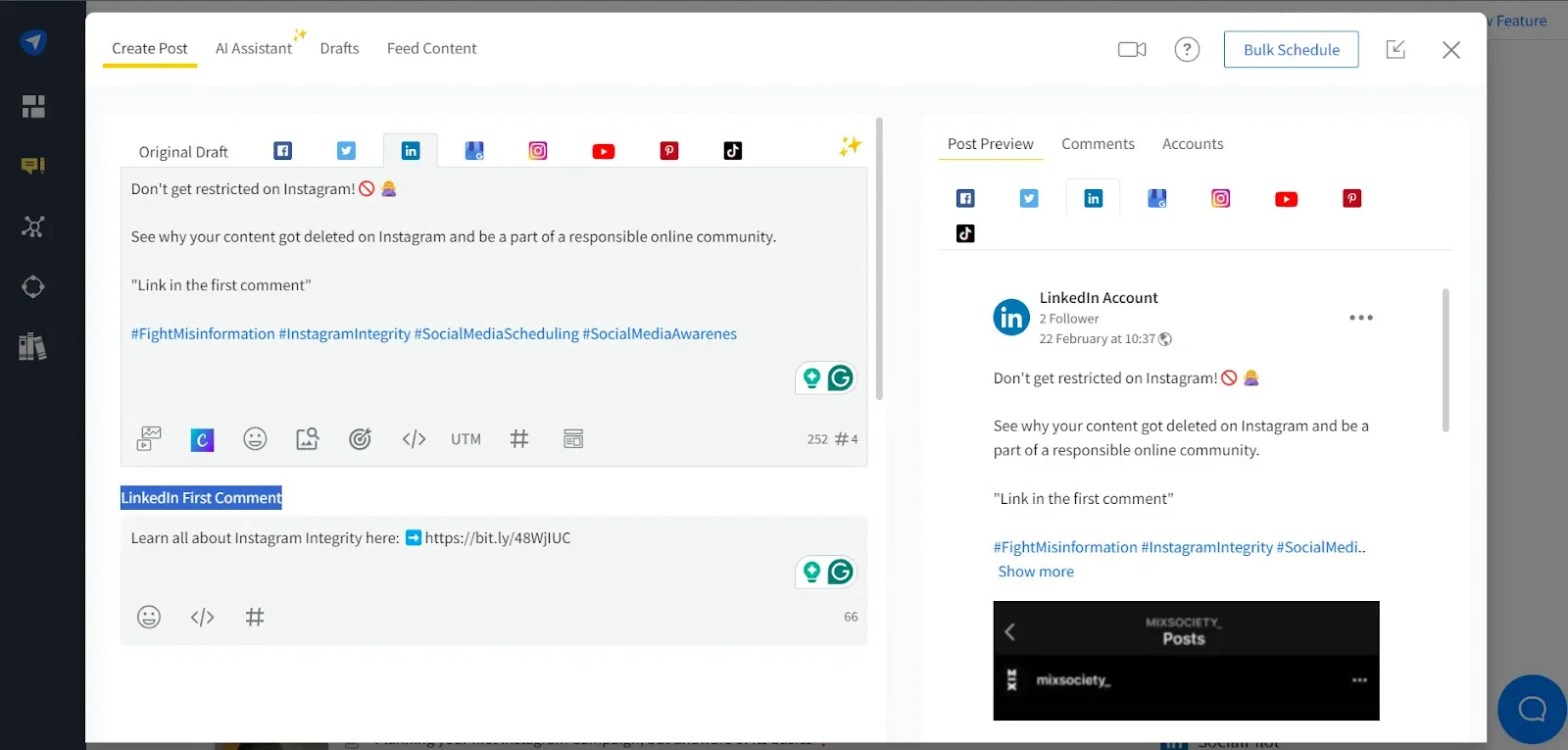
For years, creators placed external links in the first comment to avoid reach penalties. As of 2026, the algorithm identifies this as "bridge behavior" and penalizes it just as heavily as a link in the main post. If you must share a link, consider creating a "call to action" in the post that encourages users to request the link via DM. This turns a passive reader into an active connection, which is a massive signal for the algorithm.
3. The "Expertise Loop"
Consistency is no longer about daily posting; it is about "topical consistency." By posting repeatedly on a specific niche, you build an authority signal. When you deviate into unrelated topics, the algorithm struggles to classify your content, leading to lower distribution. Build your brand around a specific pillar of expertise.
4. Optimize for "Stop-and-Think" Hooks
Because the algorithm prioritizes dwell time, your first two lines are critical. Instead of generic hooks, use "friction-based" hooks:
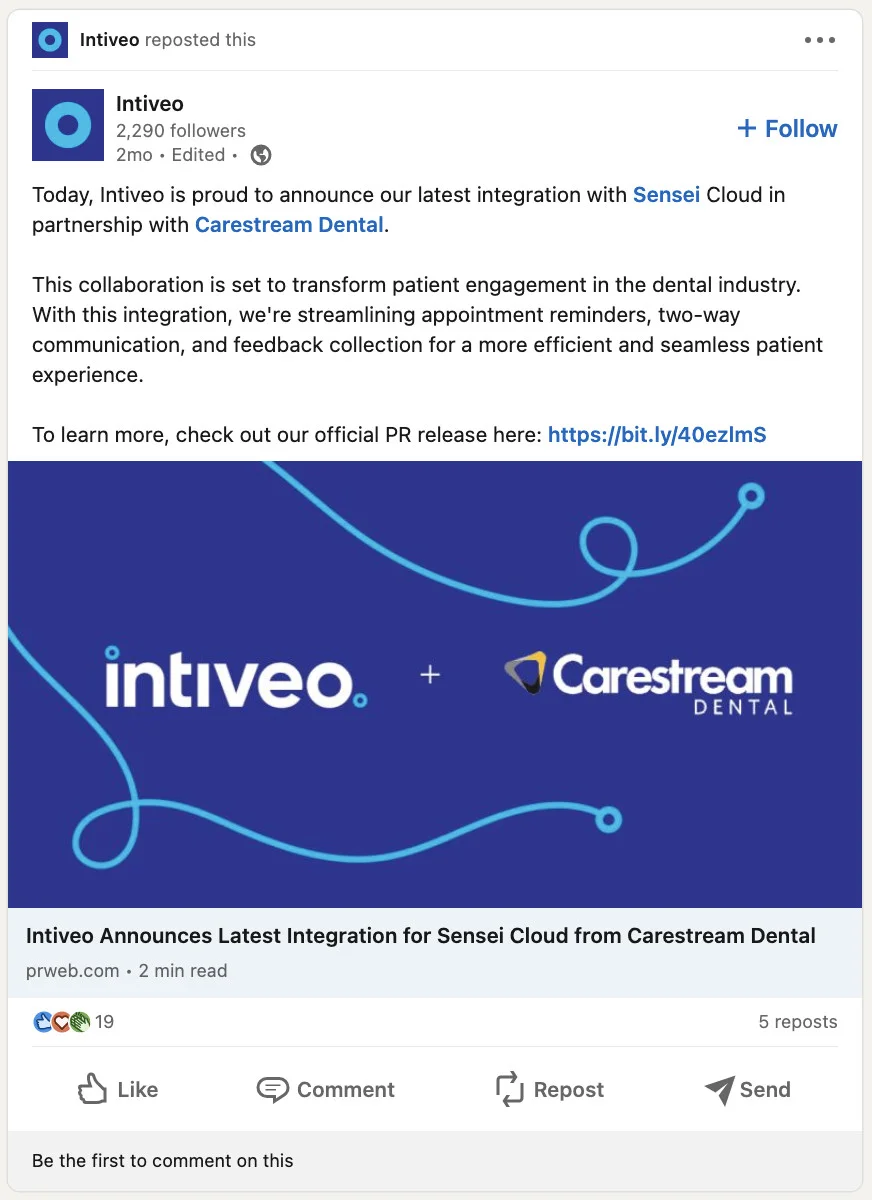
- Avoid: "I have three tips for sales."
- Use: "I broke a core rule of enterprise sales last month. Here is why it was the best mistake I ever made."
5. Leverage SocialPilot for Consistency
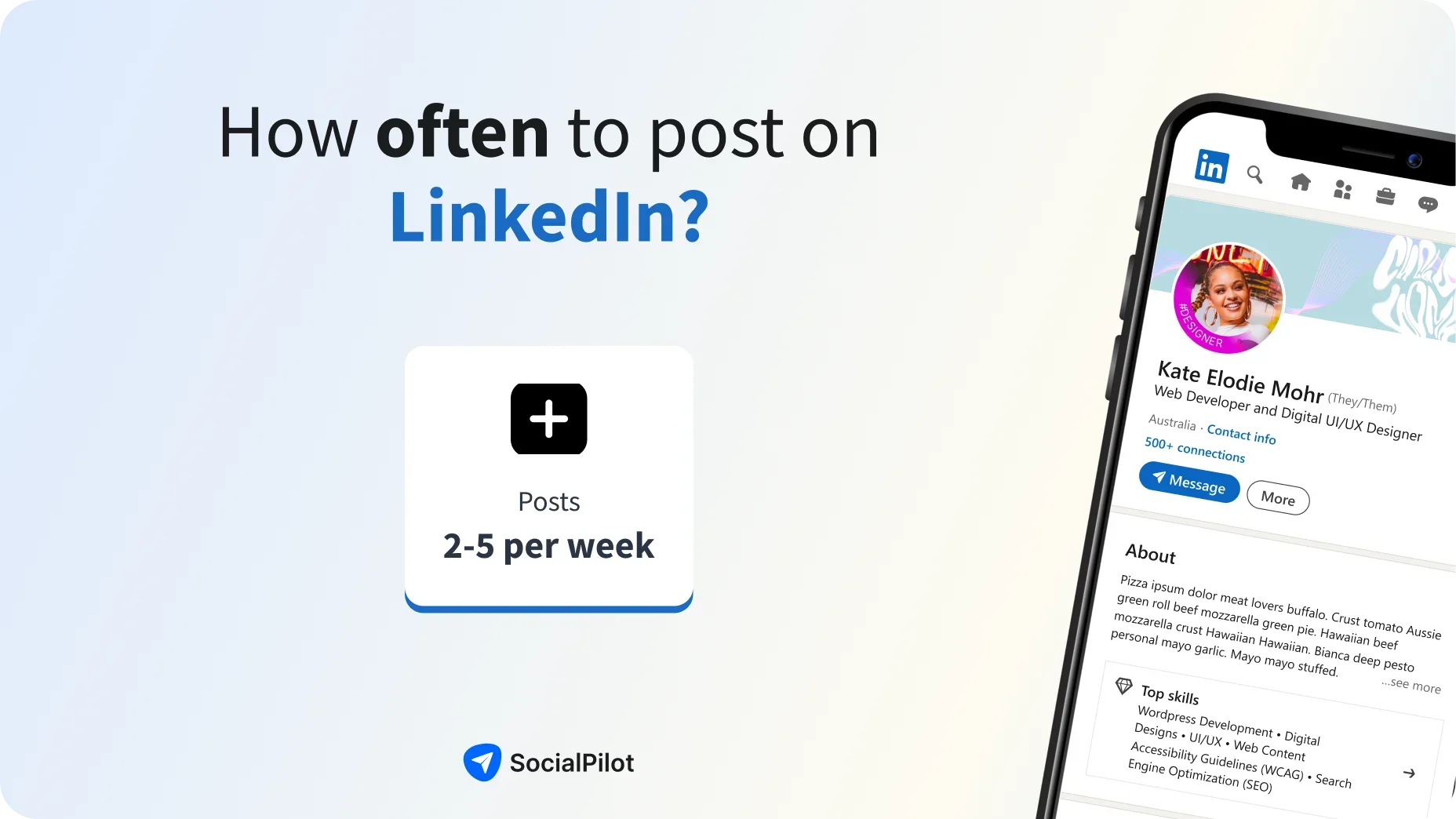
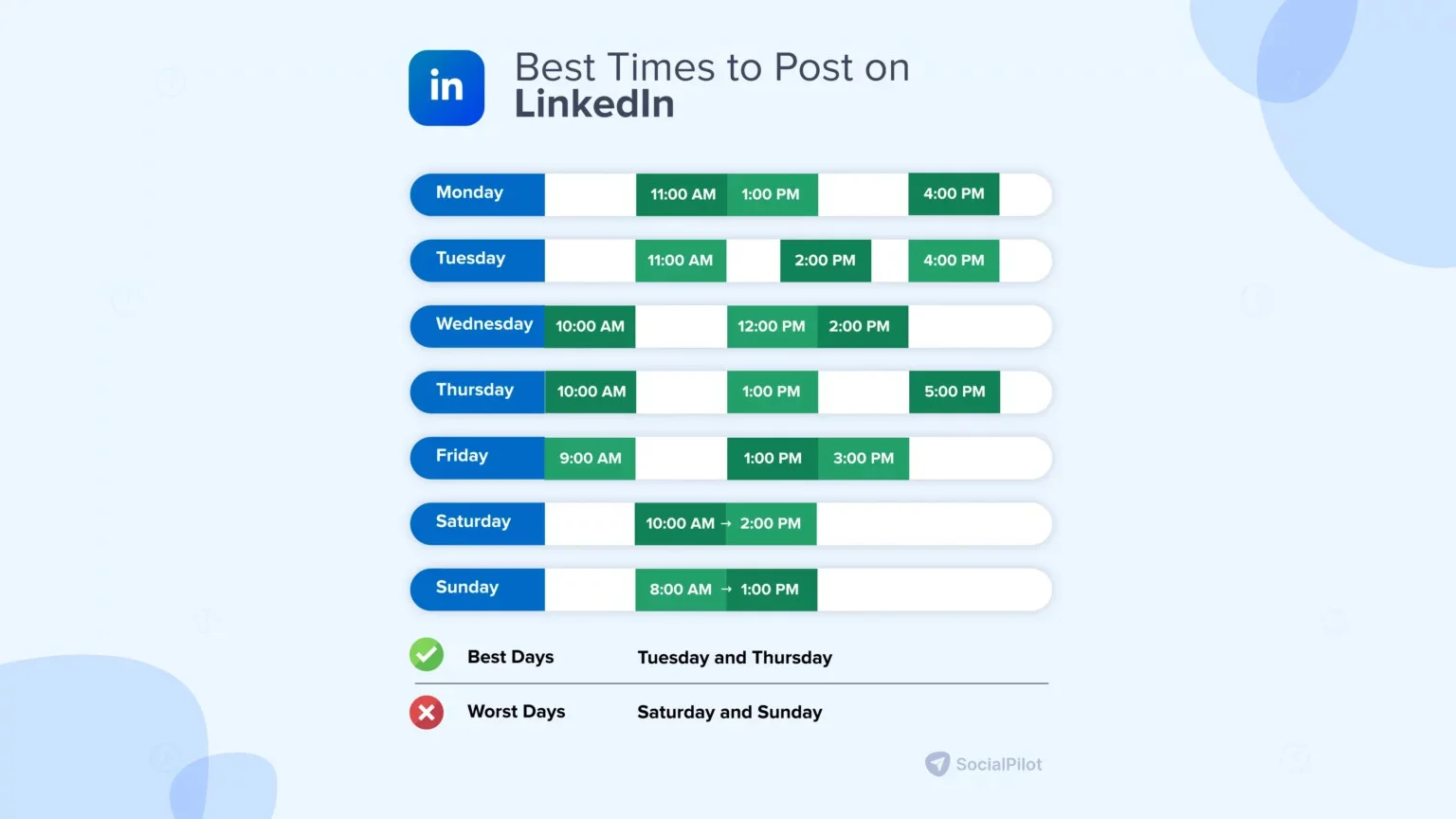
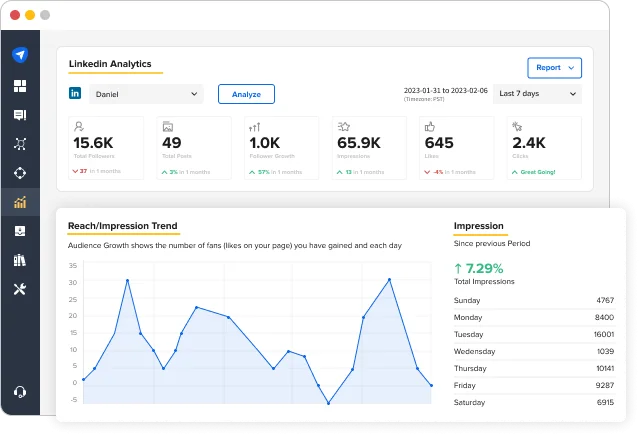
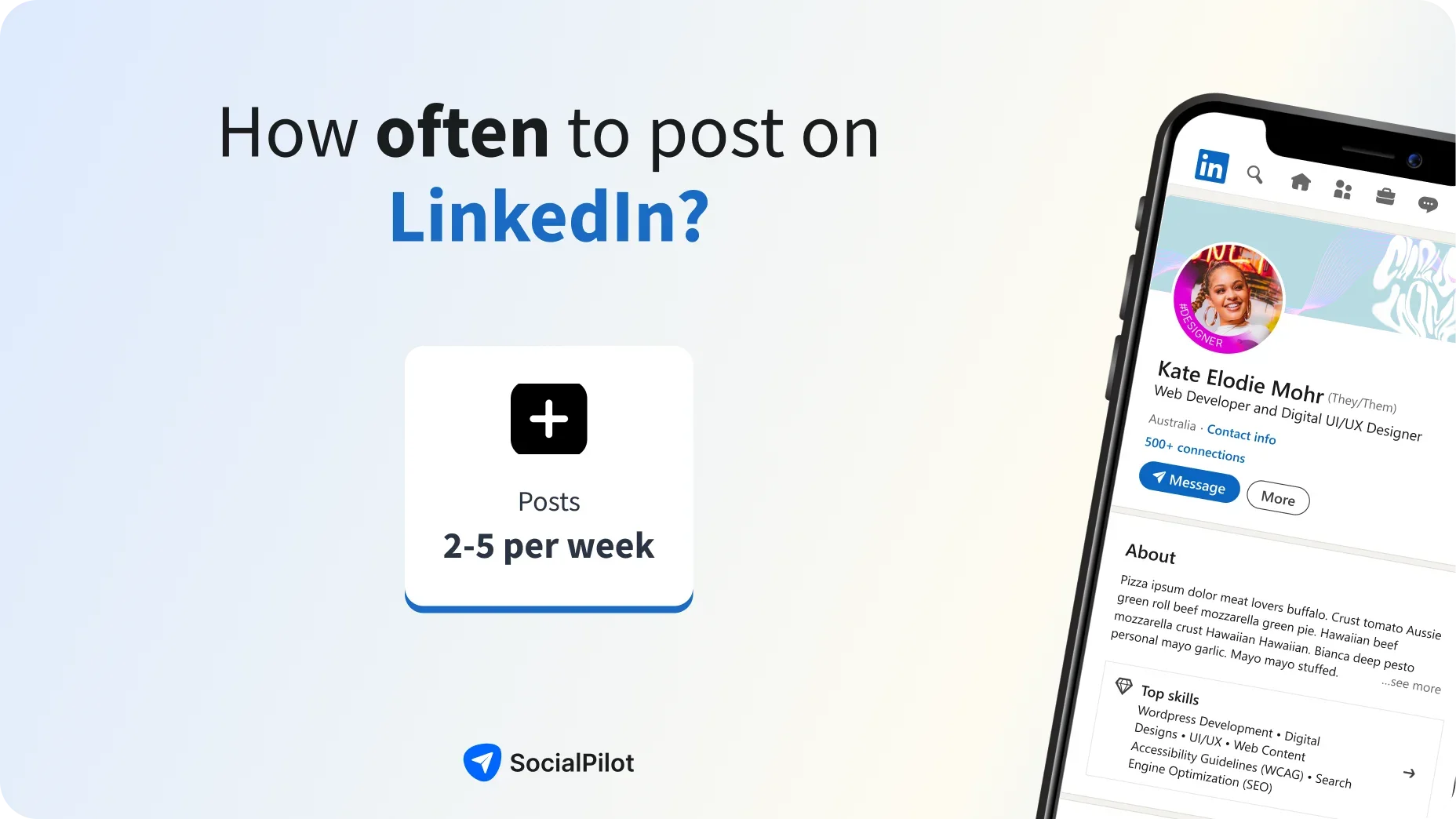
Managing a complex, algorithm-friendly strategy requires tools that can handle both scheduling and analytical rigor. SocialPilot allows creators to manage content cadence, identify the best times to post based on their unique audience data, and analyze performance across multiple formats. By utilizing a tool that helps you maintain a 2–5 post-per-week cadence, you signal to the algorithm that you are a reliable, consistent contributor.
Final Thoughts: The Human-First Future
The 2026 LinkedIn algorithm is not an adversary; it is a filter. It is designed to remove the noise of automated, low-quality, and superficial content. For the professional who shares authentic, hard-won lessons, the algorithm is a force multiplier.
Success on LinkedIn today requires a departure from the "hacks" of the past. It requires a commitment to depth over volume, conversation over reaction, and authority over reach. By focusing on your core expertise and engaging deeply with your community, you align yourself with the very signals the algorithm is built to reward.
Ready to streamline your LinkedIn strategy? Maintain your consistency and refine your performance with SocialPilot’s advanced scheduling and analytics suite. Start your 14-day free trial today.












No comments yet. Be the first to join the conversation!