

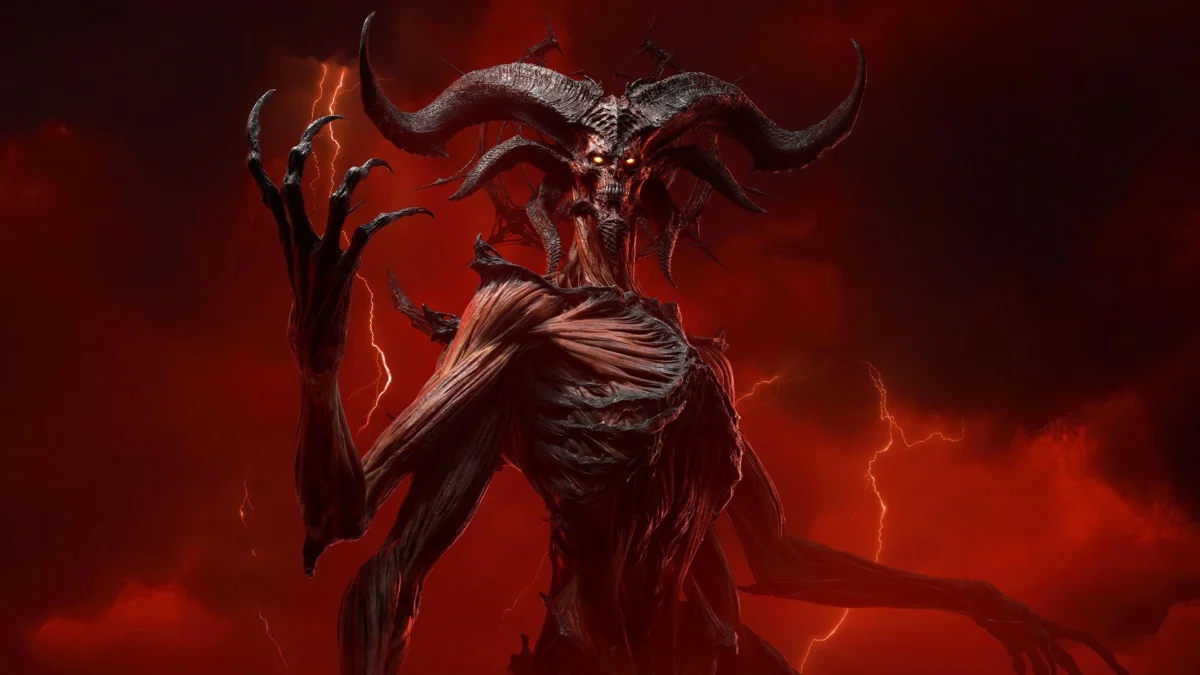
The landscape of Sanctuary has been a volatile one since the launch of Diablo 4. While Blizzard Entertainment’s flagship action-RPG has maintained a standard for production value and visceral "game feel" that remains unmatched in the genre, its journey through live-service seasons and the initial Vessel of Hatred expansion has been punctuated by missteps and lukewarm reception. However, with the release of Lord of Hatred, the narrative arc that began with the base game finally reaches its zenith. This expansion is not merely a content drop; it is a triumphant, high-stakes conclusion that solidifies Diablo 4 as one of the most significant pillars in modern gaming history.
The Chronology of a Redemption Arc
To understand the gravity of Lord of Hatred, one must look at the path that led here. The base game introduced players to the grim struggle against Lilith, the Mother of Sanctuary. Yet, the subsequent expansion, Vessel of Hatred, left many long-term fans wanting. While it introduced the highly celebrated Spiritborn class, it suffered from a narrative thinness that felt more like an elongated side quest than a tectonic shift in the franchise’s lore.
Lord of Hatred picks up the thread of Neyrelle’s desperate journey. Having trapped the Prime Evil Mephisto within a Soulstone at the end of the base game, her quest to ensure his permanent containment has led her to the Skovos Isles. This setting, long whispered about in the annals of Diablo lore but never before realized in-game, serves as the stage for the final act. For players who have spent hundreds of hours in the depths of the Fractured Peaks or the deserts of Kehjistan, the transition to the Mediterranean-inspired architecture of Skovos—with its sun-drenched cobblestone streets and Parthenon-esque ruins—provides a jarring yet welcome visual evolution.
A Cultural and Mythological Playground
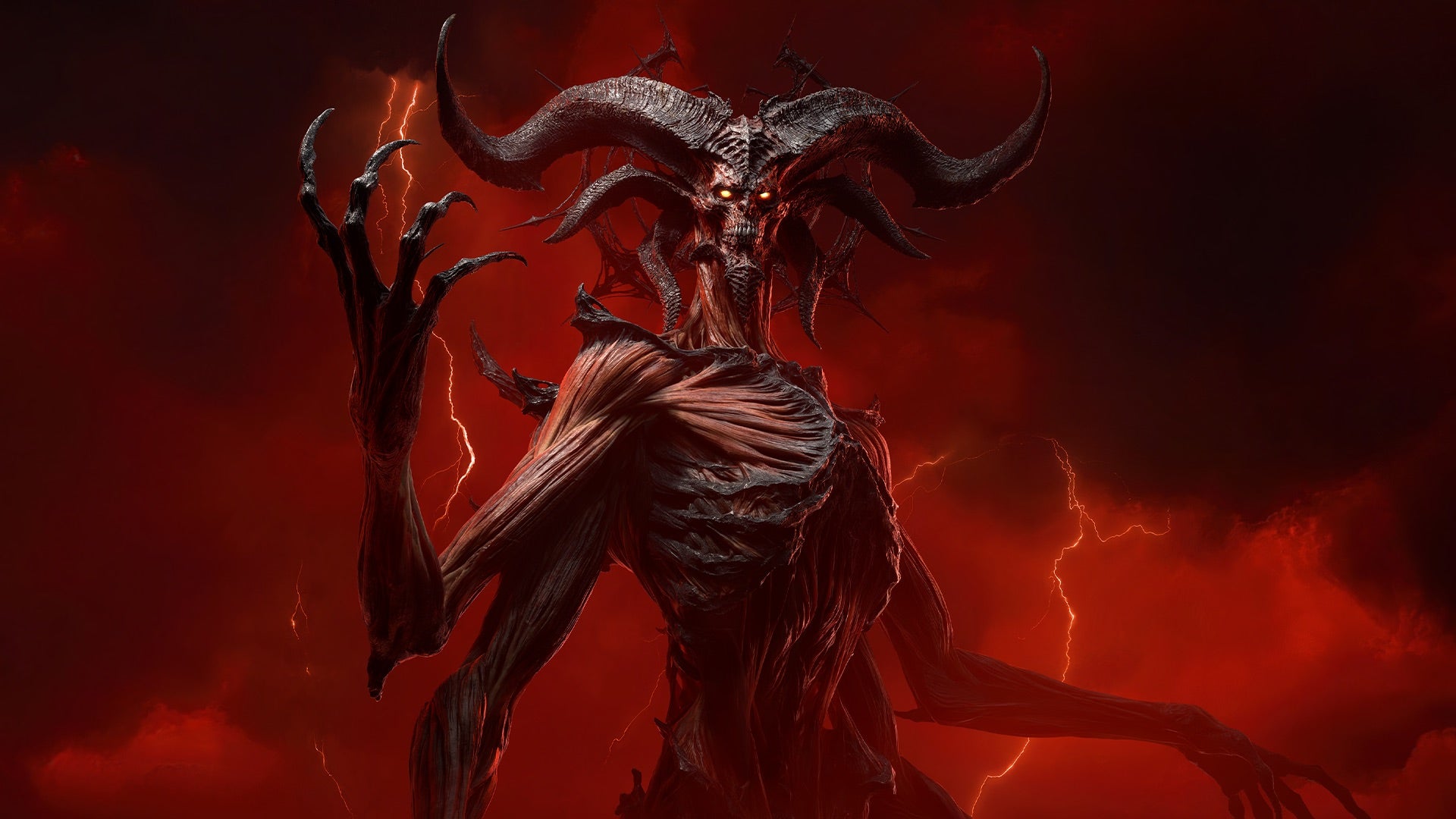
The Skovos Isles are more than just a new map; they are a cornerstone of the franchise’s mythology. As the fabled birthplace of humanity’s progenitors—the offspring of Lilith and Inarius—the region carries a weight of history that is palpable in every encounter.
The society of Skovos is a masterclass in world-building. Drawing inspiration from the matriarchal warrior myths of Themyscira, the island is governed by a formidable culture of Amazonian warriors. The narrative integration of these warrior-maidens, led by a queen whose influence dictates the political and martial landscape of the expansion, creates a grounded stakes-driven campaign. Unlike the sprawling, sometimes disjointed objectives of previous seasons, Lord of Hatred maintains a laser focus. It avoids the "fluff" that plagued its predecessor, moving with a momentum that feels earned and urgent.
The Classes: Complexity vs. Fulfillment
A defining feature of any Diablo expansion is the introduction of new character archetypes. In a move that surprised many, Blizzard bypassed the expected Amazon class in favor of something far more experimental.

The Warlock: A Study in Dark Mastery
The Warlock stands as a testament to the developers’ willingness to push boundaries. As a hybrid fusion of Necromancer and Sorcerer, the Warlock is a high-skill-ceiling class that demands meticulous management. It is not a class for the casual button-masher; rather, it is a strategic exercise in summoner-caster dynamics. Players must weave through complex rotations, sacrifice minions for tactical buffs, and manage resources with a precision previously unseen in the game. It is a class that rewards the "hardcore" audience—those who treat their character builds like a delicate engineering project.
The Paladin: The Long-Awaited Guardian
Conversely, the Paladin—which saw a shadow-drop release months prior—serves to fulfill the classic fantasy that players have craved since the inception of Diablo 4. By incorporating "Angelic" maneuvers and borrowing legacy skills from historical Amazon iterations, the Paladin offers a sense of stability and raw, righteous power that balances the erratic, dark energy of the Warlock.
Supporting Data: Evolution of the Endgame
Beyond the narrative and the classes, Lord of Hatred fundamentally overhauls the systems that keep players engaged for hundreds of hours.

- Talent Tree Expansion: The level cap increase to 70 allows for a deeper, more robust talent tree. By folding previously gear-locked Legendary powers into the base tree, Blizzard has democratized character building, allowing for more creative freedom at earlier stages of progression.
- The Talisman System: This new layer of customization introduces additional passives and utility, such as expanded potion capacity and enhanced evasion, providing a granular level of control over survival mechanics.
- The Horadric Cube: Returning as a pivotal tool, the Cube allows players to refine affixes and upgrade item rarity. This serves as a vital "pity mechanic" or progression bridge, preventing the mid-game gear ceiling that has historically frustrated veteran players.
- War Plans: Perhaps the most significant addition is the War Plans system. This gamifies the endgame by allowing users to construct a "playlist" of activities. By completing these curated loops, players earn significant bonuses and reputation, incentivizing diverse gameplay rather than the repetitive farming of a single dungeon.
Official Stance and Development Philosophy
Blizzard’s approach to Lord of Hatred reads like a response to community feedback. In multiple developer streams leading up to the launch, the team emphasized a "Player-First" design philosophy. The goal was clearly to reconcile the narrative dissonance left by Vessel of Hatred and to create a more cohesive, high-impact finale for the Prime Evil conflict.
The return of Lilith is handled with surprising nuance. She is no longer just a one-dimensional antagonist; through the lens of her diminished power, the writers explore her character with a depth that was only hinted at in the base game. This version of Lilith feels like a direct evolution—a character in conversation with her previous self, offering players a sense of closure that is both heartbreaking and thematically consistent.
Implications: A New Era for ARPGs
The implications of this expansion are significant. Lord of Hatred effectively concludes the "Hatred" saga, but in doing so, it raises the bar for what players should expect from Blizzard. The final boss encounter is a standout moment—not just for its scale, but for its mechanical inventiveness, requiring players to synthesize everything they have learned about their build and the game’s mechanics.

Furthermore, the cinematic direction in this expansion reaches new heights. The emotional resonance of the scenes, combined with high-tier voice acting and meticulous shot composition, demonstrates that Blizzard has not lost its touch for epic storytelling.
Final Verdict
For the player who has logged countless hours into the depths of Sanctuary, Lord of Hatred is essential. It is a bold, uncompromising, and deeply satisfying conclusion that manages to fix the structural weaknesses of the base game’s post-launch support. Whether you are in it for the dark, gritty narrative or the complex, min-maxing joy of the new Warlock class, this expansion provides a sense of finality that makes the journey well worth the effort.
In an era where live-service titles often stumble under the weight of their own ambitions, Lord of Hatred stands tall. It is, without reservation, one of the finest achievements in the history of the Diablo franchise, proving that with the right direction, even the most fractured foundations can be rebuilt into something truly legendary.











No comments yet. Be the first to join the conversation!