Nana
Nana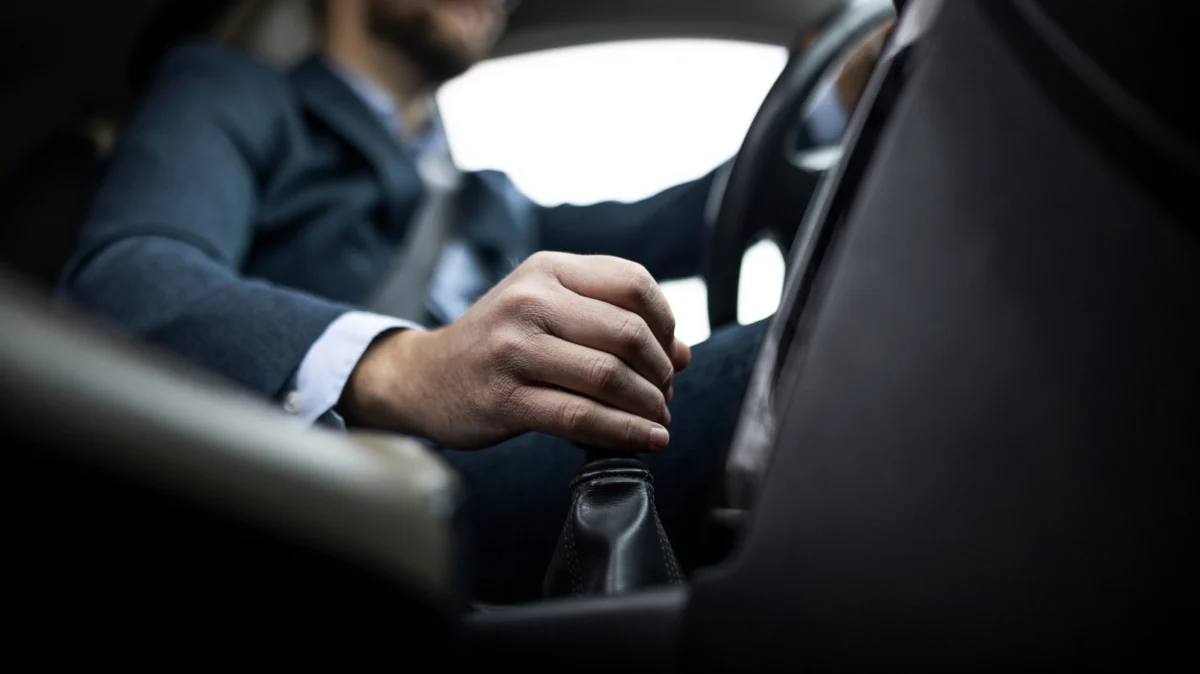
For many modern drivers, the "stick shift" is a relic of a bygone era—a mechanical curiosity relegated to enthusiasts, track days, and vintage car collectors. However, in many parts of the world, manual transmissions remain the standard. For those navigating the daily commute with a three-pedal setup, the perennial question arises: Is driving a manual transmission in stop-and-go traffic significantly more difficult, or even more stressful, than operating an automatic?
The answer is nuanced, lying at the intersection of mechanical operation, driver fatigue, and the psychology of road navigation. While an automatic transmission offers the luxury of "set it and forget it" convenience, the manual transmission requires a continuous, active dialogue between the driver and the machine.
The Mechanical Reality: Why Traffic Feels Different
To understand the difficulty of manual driving in congestion, one must first look at the mechanics. In an automatic vehicle, the torque converter handles the connection between the engine and the transmission, allowing the car to creep forward simply by releasing the brake.
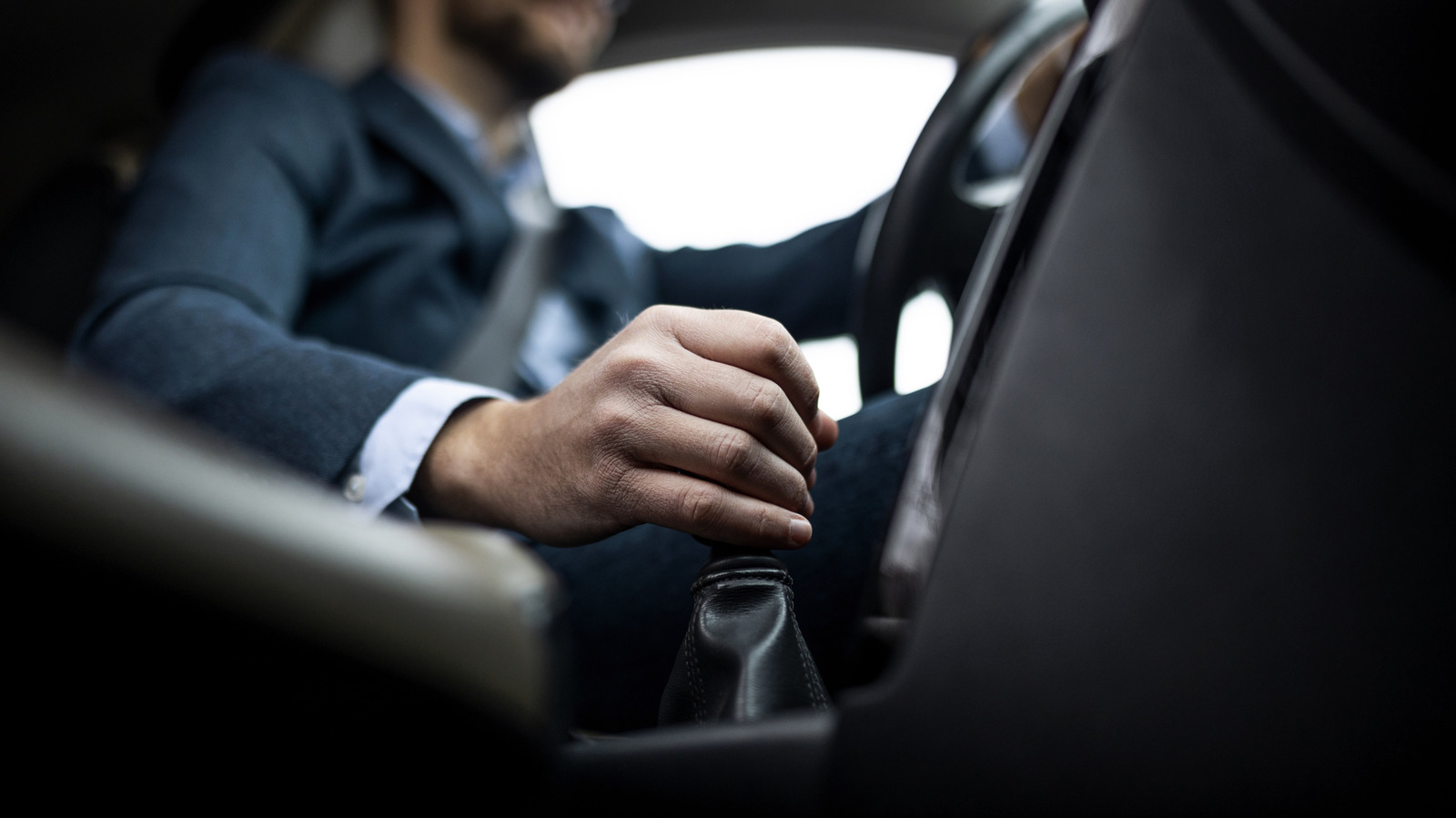
In a manual car, the driver acts as the intermediary. To move forward, one must balance the clutch pedal—which disengages the engine from the transmission—with the accelerator. In heavy traffic, this results in a repetitive cycle of depressing the clutch, shifting into first gear, finding the "bite point," applying throttle, and then repeating the process mere seconds later. For a novice, this is physically demanding and mentally taxing. For a seasoned driver, it often becomes a subconscious, rhythmic act.
The Learning Curve and the "Stall" Anxiety
The primary hurdle for beginners is the fear of the stall. In high-density traffic, stalling at a green light or while crawling forward can induce significant anxiety. The pressure to keep pace with the flow of traffic often leads to rushed, clumsy inputs, which in turn leads to a higher probability of stalling. This creates a feedback loop of stress that is entirely absent in automatic driving.
Furthermore, the "hill start" remains the ultimate test for manual drivers. Sitting on an incline in city traffic, balancing the clutch and gas to prevent rolling backward into the vehicle behind, is a source of genuine trepidation for many. While modern vehicles often include "Hill Start Assist" to mitigate this, the core challenge remains a defining characteristic of manual transmission ownership.
Chronology of Mastery: From Panic to Fluidity
The transition from a nervous learner to a fluid manual driver generally follows a distinct chronological development.
- The Phase of Over-Correction: Initially, the driver is hyper-focused on the mechanics. Every gear change is a conscious thought. Traffic is perceived as a series of obstacles rather than a flow. During this phase, the driver is likely to be overly aggressive with the throttle or late to react to the vehicle ahead.
- The Discovery of Neutral: As the driver gains confidence, they discover the utility of neutral gear. By shifting into neutral during prolonged stops, the driver can remove their foot from the clutch, resting their leg and reducing the mechanical wear on the throw-out bearing. This represents a significant shift in mental fatigue; the car is no longer a burden to hold still.
- The Rhythmic Adaptation: Eventually, the driver stops fighting the traffic and starts reading it. They begin to identify patterns—the brake lights two cars ahead, the timing of lights, and the gaps in flow. At this stage, the manual transmission ceases to be a hindrance and becomes a tool for active driving.
Supporting Data and The "Coast" Technique
Advanced manual drivers often employ a technique known as "anticipatory coasting." By reading the behavior of traffic several vehicles ahead, a driver can often keep the car rolling at a very low speed in a high gear or neutral, rather than coming to a complete stop and having to restart from first gear.
Efficiency and Vehicle Longevity
Data suggests that drivers who master the art of momentum management in manual cars actually subject their vehicles to less wear and tear than those who treat the pedals as binary on-off switches. By avoiding unnecessary full stops and limiting the amount of time the clutch spends at the friction point, the driver extends the life of the clutch disc and pressure plate.
Furthermore, the manual driver is inherently more engaged. Studies in driver attentiveness have shown that the physical requirement of shifting gears keeps the brain more stimulated, potentially reducing the "autopilot" mode that leads to accidents in highway environments.
The Implications of Driver Fatigue
Despite the benefits, the physical toll cannot be ignored. In extreme gridlock—the kind that lasts for hours—the left leg experiences genuine fatigue. This is where the debate often shifts from "difficulty" to "comfort."
The Ergonomic Factor
If a driver is in a commute that involves two hours of stop-and-go travel, the repetitive motion of the clutch pedal can lead to cramping and exhaustion. For drivers with pre-existing joint issues or those navigating long-term congestion, the manual transmission is objectively harder to operate than an automatic.
The Psychological Impact
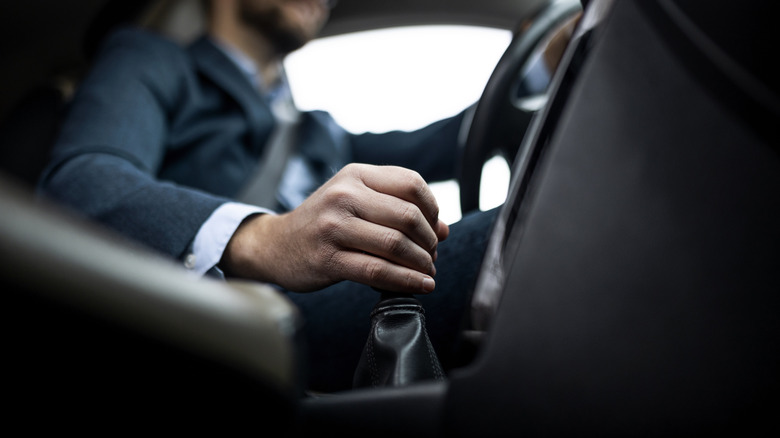
There is also the psychological implication of "rhythm breaking." In an automatic, one can easily sip coffee or manage a complex navigation screen while crawling at 5 mph. In a manual, the driver is effectively "tethered" to the car. This forced engagement can be viewed as either a positive (keeping the driver alert) or a negative (increasing the stress of the commute).
Official Perspectives: The Industry Shift
Automotive manufacturers have largely moved toward automatics, dual-clutch transmissions (DCTs), and CVTs (Continuously Variable Transmissions) for the mass market. The official industry line is that these technologies provide a smoother, more efficient, and less demanding experience for the average consumer.
However, many manufacturers retain manual options in performance-oriented vehicles. The rationale is that the manual transmission offers a level of control and "connection" that software-managed transmissions cannot replicate. For these brands, the "difficulty" of the manual transmission is rebranded as "driver involvement."
Conclusion: Is it Worth It?
Whether driving a manual transmission in traffic is "harder" than driving an automatic is a subjective determination.
- For the commuter who views their car as an appliance for getting from Point A to Point B, the manual transmission is undeniably harder, more fatiguing, and less convenient.
- For the enthusiast who values the tactile feedback of the machine, the manual transmission is simply a part of the driving experience, and the "difficulty" is merely the price of entry for greater control.
Ultimately, navigating traffic with a manual gearbox requires a change in mindset. It demands that the driver stops viewing the traffic as a sequence of starts and stops and starts viewing it as a fluid environment that can be managed through anticipation, space creation, and patient rhythm. Once that transition occurs, the manual transmission ceases to be a source of stress and becomes, quite literally, a way to move through the world in sync with your machine.


 Muslim
 Suro Senen