

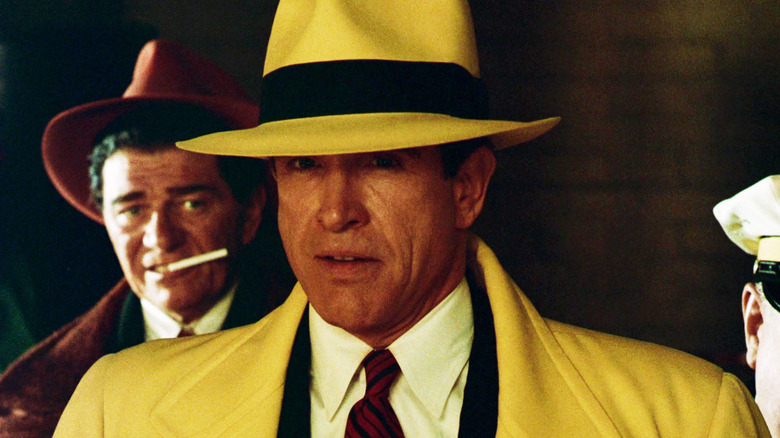
In the pantheon of Hollywood "what-ifs," few stories are as illustrative of the shifting tides of cinema as the one surrounding Warren Beatty’s 1990 stylized masterpiece, Dick Tracy. While the film eventually carved out a unique space in pop culture history—renowned for its vibrant, comic-strip color palette and ambitious production design—it almost looked entirely different. At the center of this missed connection was none other than the living legend, Clint Eastwood.
For decades, the story has been circulated in industry circles: the man synonymous with the hardboiled, rule-breaking detective Harry Callahan was approached to bring the iconic, yellow-clad Dick Tracy to the silver screen. He declined. His reasons, according to those involved, were a mix of professional branding concerns and a fundamental confusion regarding the artistic merit of the comic book genre itself.
The Genesis of the Project and the Casting Search
To understand why Eastwood turned down the role, one must look back to the mid-1980s. At the time, director John Landis, riding high on the success of Trading Places and An American Werewolf in London, was attached to bring Chester Gould’s famous comic strip detective to life. Landis envisioned a version of the character that felt grounded yet respectful of the source material’s pulp origins.
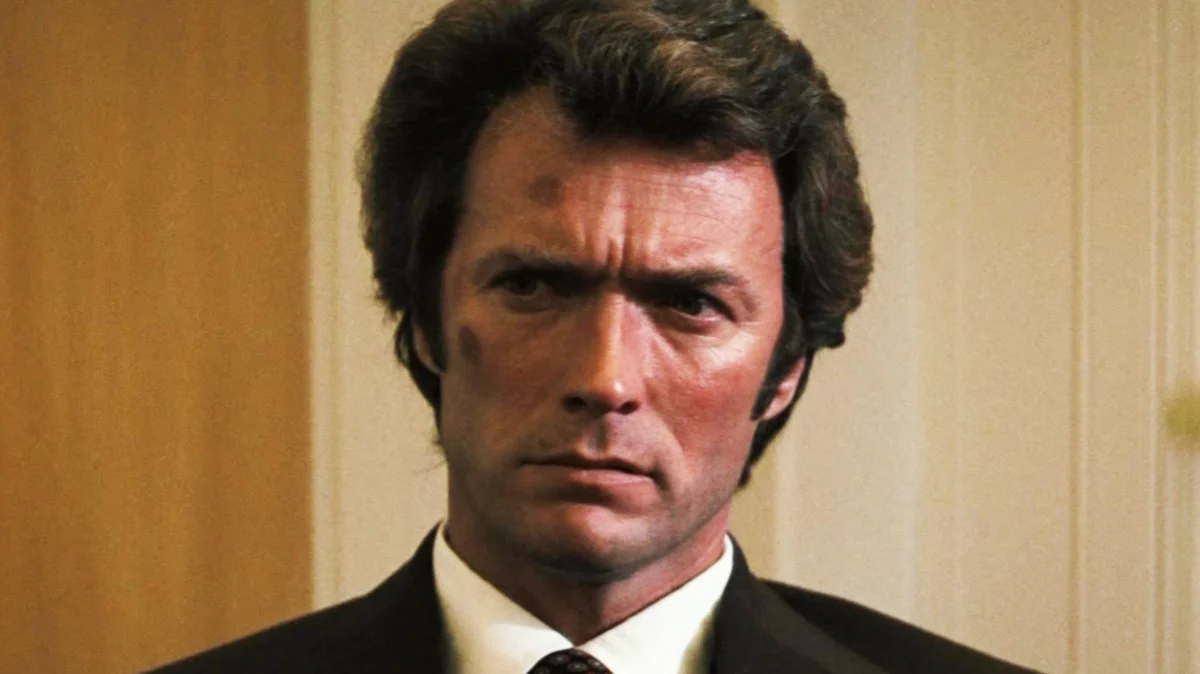
In his search for a lead, Landis set his sights on the most formidable tough guy in the industry. Clint Eastwood was, at the time, the definitive screen detective. His portrayal of Inspector Harry Callahan in the Dirty Harry franchise had set the gold standard for the genre. Landis, recognizing the weight Eastwood brought to the screen, initiated a series of talks with the star.
However, the collaboration was dead on arrival. According to Landis, who spoke on the matter in an interview with Filmmaker Magazine, the rejection was swift and rooted in a rigid adherence to Eastwood’s own cinematic identity. "I did go to Eastwood, and he said, ‘I’m Dirty Harry, I can’t be Dick Tracy,’ because he was still making Dirty Harry movies," Landis recalled.
The Cognitive Gap: Understanding the Comic Book Movie
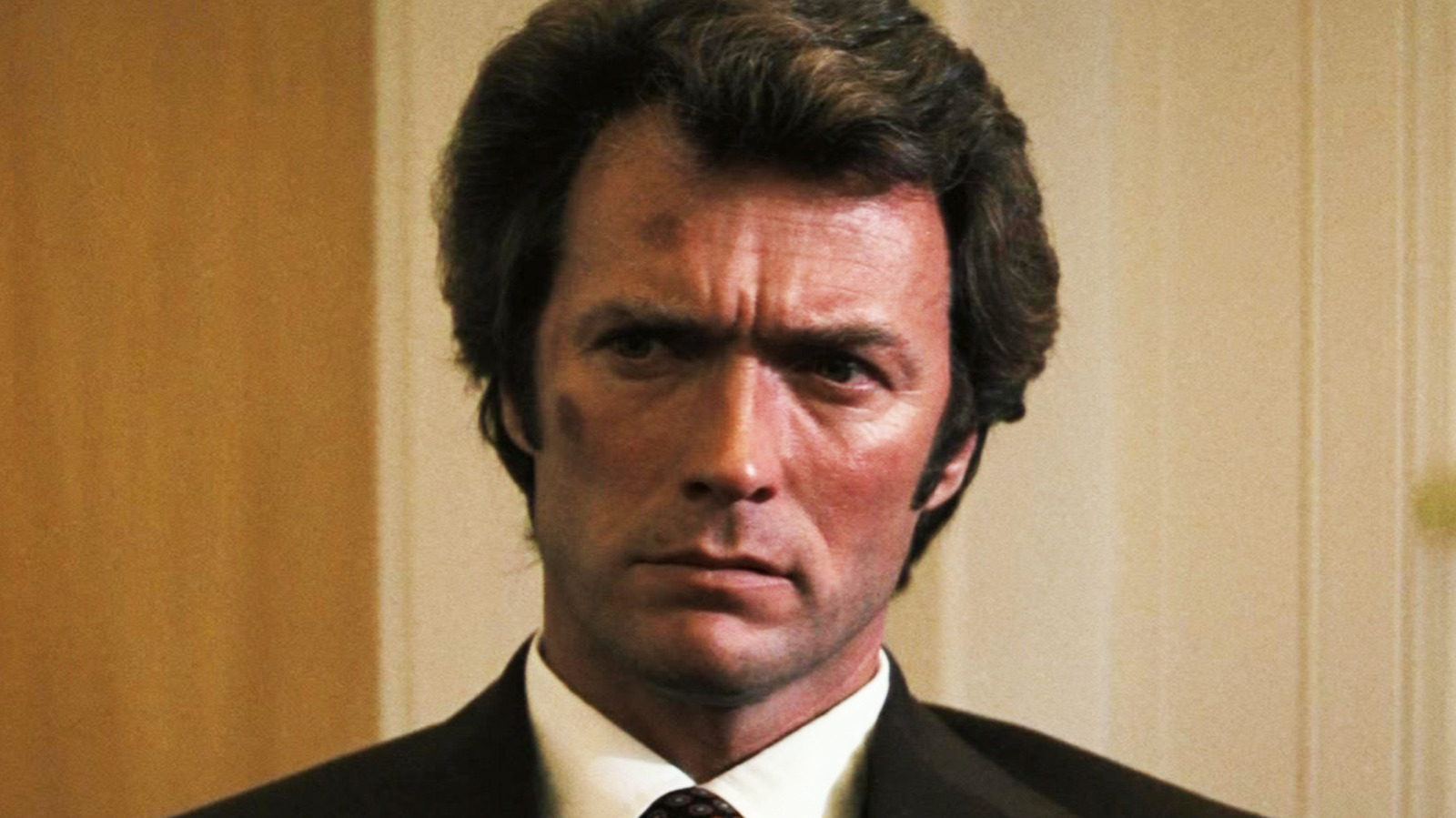
Beyond the fear of typecasting, there was a deeper, more philosophical barrier: Clint Eastwood simply did not "get" the concept of a comic book movie.
In the mid-1980s, the landscape of the superhero and comic-strip film was vastly different from the multi-billion-dollar juggernaut it is today. Following the 1978 success of Richard Donner’s Superman, the genre had begun a steady decline. The sequels were becoming increasingly campy, and the prestige of the medium was at an all-time low. For a filmmaker and actor like Eastwood, who prided himself on gritty realism, Westerns, and human-centric dramas, the prospect of wearing prosthetics and operating within the constraints of a "cartoonish" world likely seemed like a regression.
Landis’s assessment was blunt: "I also don’t think he got it, why you would make a comic book movie?" This sentiment highlights a generational and stylistic divide. Eastwood, rooted in the classicism of the mid-century western and the neo-noir crime thriller, saw no logical progression from the gritty streets of San Francisco to the primary-colored, exaggerated world of Dick Tracy.
Chronology of a Missed Opportunity
The timeline of this rejection is crucial to understanding why Eastwood felt he could afford to pass on the role.
- Mid-1980s: John Landis is attached to Dick Tracy and initiates talks with Clint Eastwood. Eastwood declines, citing his commitment to the Dirty Harry franchise and a lack of interest in the genre.
- 1985–1987: The project undergoes a period of limbo. Landis is eventually forced to step away following the tragic Twilight Zone trial, which led to a period of professional uncertainty for the director.
- Late 1980s: Warren Beatty takes the reins, not only starring but directing the production. He begins a massive, high-budget overhaul of the project, focusing on a revolutionary visual style.
- 1990: Dick Tracy is released in theaters. Simultaneously, Clint Eastwood is struggling to maintain his footing at the box office with films like White Hunter Black Heart and The Rookie.
Financial and Critical Context: A Tale of Two Careers
By 1990, the disparity between the project Eastwood accepted and the one he rejected became starkly visible. Eastwood’s 1990 directorial effort, White Hunter Black Heart—a film in which he played a fictionalized version of John Huston—was a critical darling in some circles but a financial disaster. With a budget of $24 million, it scraped together a meager $2.3 million at the global box office.
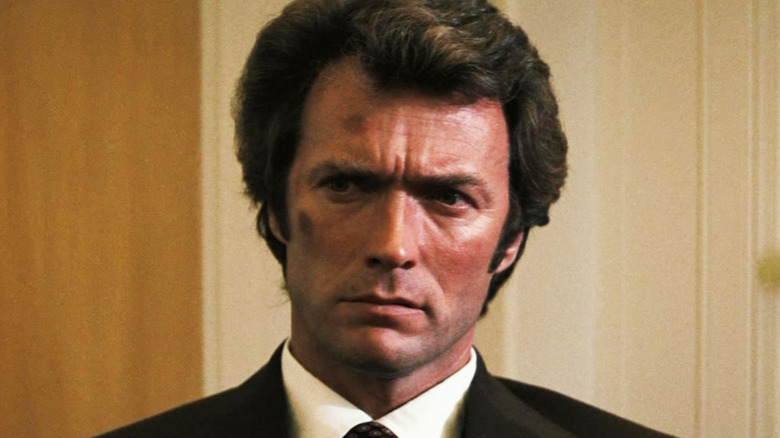
In the same year, The Rookie, an action film that leaned into the very "cop movie" tropes Eastwood was trying to diversify away from, failed to resonate with audiences or critics. It was a period often cited as the "nadir" of Eastwood’s career—a lull that lasted until his 1992 masterpiece, Unforgiven.
Conversely, Dick Tracy was a bold, high-stakes gamble. With a production budget that ballooned to over $100 million, the film was an anomaly. While its worldwide gross of $162 million didn’t make it the smash hit Disney/Buena Vista hoped for, it was a massive cultural event. It proved that audiences were hungry for stylized, high-concept adaptations—a fact that was cemented just one year earlier by Tim Burton’s Batman.
The Implications: Did Eastwood Miss a Turning Point?
If Eastwood had taken the role, would it have changed the trajectory of his career? It is a fascinating hypothetical. Had he accepted, the film likely would have lacked the "Beatty-esque" eccentricity that defined the final product. Eastwood, known for his minimalist, economical approach to filmmaking, might have grounded the film in a way that made it feel more like a standard noir and less like a living comic strip.
However, the implications of his rejection speak volumes about his growth as an artist. At the time, Eastwood was desperate to be seen as a serious filmmaker, not just an action star. Taking a role in a big-budget, stylized comic adaptation might have hampered his transition into the prestige director he eventually became. He was chasing the credibility that came with projects like Bird or White Hunter Black Heart, even if they didn’t pay off financially.
Looking Back: The Evolution of the Genre
Clint Eastwood’s hesitation toward the genre was, at the time, shared by many in the industry. It was an era where the "comic book movie" was seen as a sub-genre for children or a niche curiosity. It wasn’t until the success of Batman (1989) and later the Marvel Cinematic Universe that the industry fully understood the narrative potential of the medium.
Eastwood eventually found his own way to the "hero" narrative, though he did it on his own terms. Unforgiven deconstructed the myth of the gunslinger, while his later works like Gran Torino played with the archetype of the grumpy, aging protector.
In the end, Warren Beatty’s Dick Tracy stands as a testament to the vision of its director—a neon-drenched, surreal experiment that remains a unique artifact of 1990s cinema. Clint Eastwood’s absence from the project, while perhaps a missed financial opportunity, ultimately allowed him to maintain his trajectory toward a different kind of legacy—one defined by the quiet, weathered authority of a director who didn’t need a yellow trenchcoat to define his place in history.
Conclusion
The rejection of Dick Tracy by Clint Eastwood remains one of the most intriguing "what-if" scenarios in film history. It perfectly encapsulates the friction between the old guard of Hollywood—who valued traditional, character-driven storytelling—and the emerging, high-concept visual spectacle of the blockbuster era. While Eastwood’s refusal was based on a fundamental misunderstanding of the genre’s potential at the time, it also signaled his commitment to a specific brand of creative integrity. He may have lost out on a iconic role, but he kept his focus firmly on the path that would eventually lead him to his greatest professional triumphs.









No comments yet. Be the first to join the conversation!