

By Craig Robinson, Senior Editor
Updated: May 13, 2026
In the sprawling, high-stakes ecosystem of League of Legends, victory is often measured in milliseconds and pixels. Professional players spend thousands of hours optimizing their micro-movements, perfecting trade patterns, and mastering the subtle art of wave management. However, the release of Patch 26.10 on May 12 has sent shockwaves through the competitive community, not because of a flashy new champion or a meta-defining item overhaul, but due to the quiet removal of a long-standing, esoteric interaction regarding minion aggro.
While the average player may remain blissfully unaware of the change, the upper echelons of the League ecosystem are currently embroiled in a fierce debate regarding skill expression, game transparency, and the integrity of the professional season.
The Mechanics of the Controversy: What Was Changed?
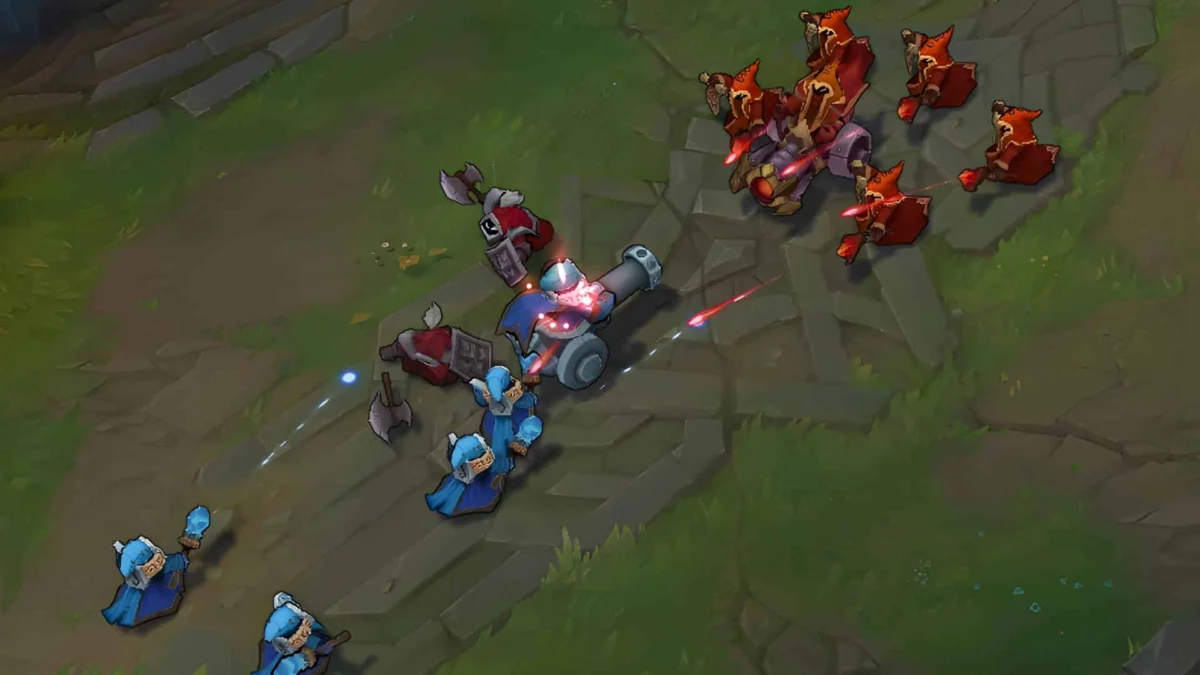
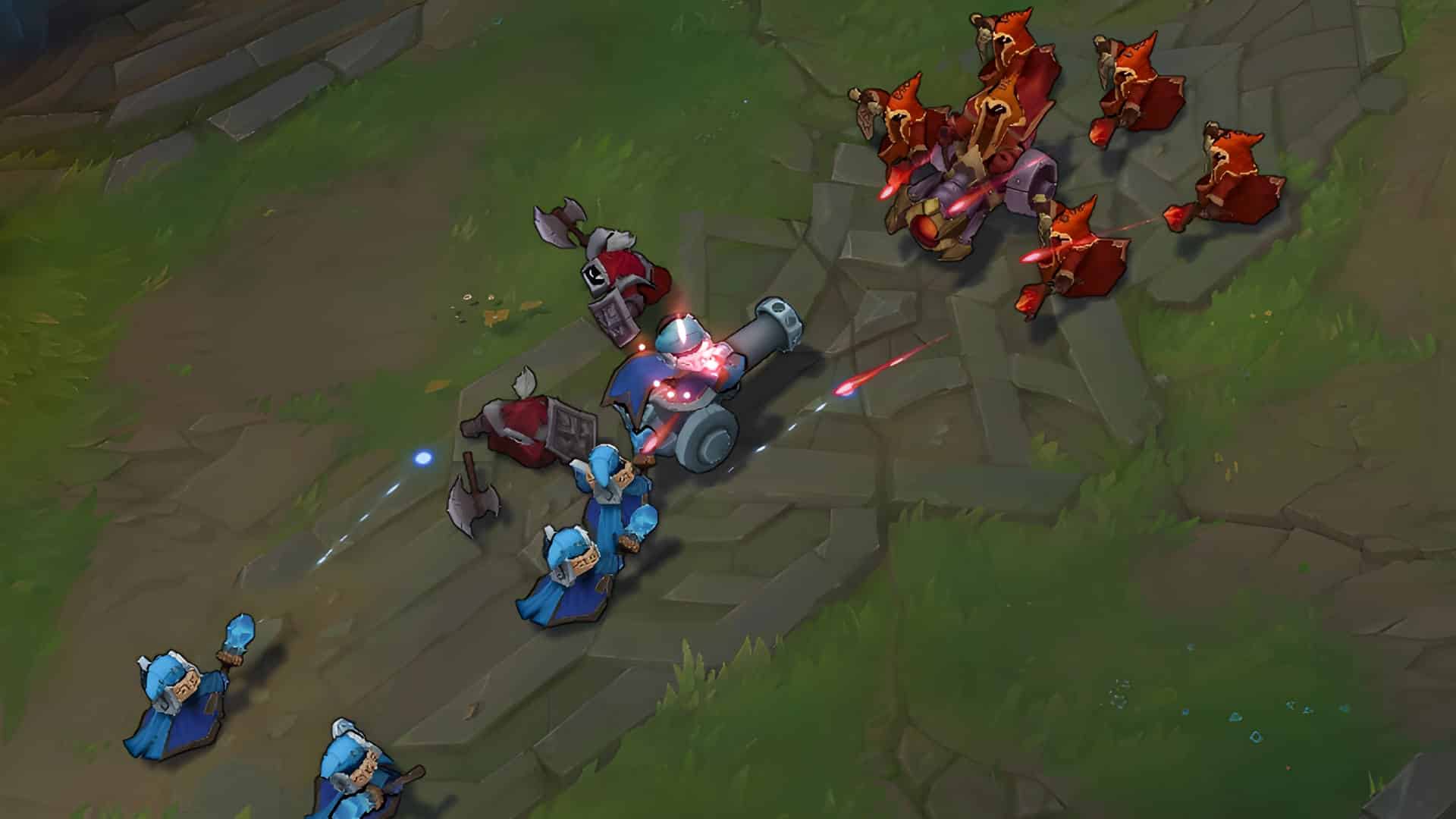
At the heart of the controversy is a subtle adjustment to how minions target one another. Previously, seasoned top laners and high-level specialists utilized a niche mechanic to manipulate wave states. By intentionally attacking middle-lane minions, players could "draw" their attention, forcing the wave to path in specific directions. This allowed for precise control over where a wave crashed, enabling players to create favorable freezes, set up slow pushes, or force their opponents into disadvantageous positions near the tower.
It is vital to distinguish this from the standard, well-known minion aggro rule: the mechanic where attacking an enemy champion causes nearby minions to switch targets and retaliate against the aggressor. That core rule remains entirely intact. Instead, Riot Games has pruned an "under-the-hood" interaction that functioned more like a hidden layer of micro-optimization.
For the vast majority of the player base, this interaction was invisible. For the top 0.1% of players, however, it was a fundamental tool of the laning phase—a way to exert agency in a matchup that might otherwise be dictated by champion kits alone.
A Chronology of the Disruption
The timeline of this incident highlights how quickly a "minor" quality-of-life tweak can escalate into a PR crisis for a developer.
- May 12, 2026: Riot Games publishes the official Patch 26.10 notes. Tucked away among adjustments to items like the Voltaic Cyclosword is a brief note regarding the removal of the specific minion-targeting behavior.
- May 12, 2026 (Afternoon): Almost immediately, high-ELO players and analysts notice the shift. Discussions erupt on social media platforms, with veteran players claiming that "skill expression" has been artificially lowered.
- May 12, 2026 (Evening): Riot game designer Drew Levin takes to X (formerly Twitter) to address the backlash, framing the removal as a necessary step toward making the game more "comprehensible" for newer players.
- May 13, 2026 (Morning): Professional stakeholders, including Gen.G CEO Arnold Hur, publicly criticize the timing of the patch, noting that it is being implemented mid-season—a critical period for teams vying for playoff spots.
- May 13, 2026 (Ongoing): The community remains divided, with some championing the removal as a way to "clean up" the game code, while others argue that removing high-skill, niche interactions dumbs down the professional experience.
Supporting Data and Strategic Implications
To understand why this has caused such an uproar, one must look at how the mechanic functioned in practice. The primary beneficiaries of this manipulation were ranged top laners and specific champions like Rengar. By rapidly hopping between bushes and toggling aggro, a skilled Rengar player could essentially dictate the flow of the wave without ever needing to rely on the opponent’s mistakes.
For a top laner, the wave state is everything. A freeze can deny an opponent crucial gold and experience, effectively removing them from the game. By removing this layer of control, Riot has essentially reduced the margin of error for laning.
"If you don’t understand that minion aggro isn’t random, you are simply not playing at a high level," argues high-ELO player HANCOCK. The sentiment here is clear: the players who spent the time to learn these complex interactions feel that their dedication to mastering the game’s "hidden" systems has been invalidated.
Conversely, the data suggests that this mechanic was known to an incredibly small percentage of the total player base—likely fewer than 10,000 players worldwide. From a design perspective, keeping a mechanic that is effectively "secret" creates a massive barrier to entry. If a player is losing a lane because of a mechanic they cannot see and do not understand, it creates a feeling of unfairness that developers are keen to avoid.
The Official Stance: Riot’s Philosophy on Transparency
Riot Games’ position, as articulated by Drew Levin, focuses on the broader health of the game. The argument is that League of Legends should be a game of strategic decisions and mechanical execution that is visible to the audience and learnable by new players.
Levin’s commentary highlights the inherent tension in modern game development:
"Players: ‘Riot should really care about making the game more approachable and comprehensible to people trying to learn the game.’
Also those same players: ‘Riot is killing their game yet again by removing an esoteric minion targeting rule that 10,000 people worldwide understand.’"
This highlights a fundamental shift in how Riot manages the League of Legends experience. By removing these "esoteric" rules, they are moving toward a cleaner, more predictable game state. The question, however, remains: at what point does "clean" become "bland"?
Implications for the Competitive Season
The most pressing concern, voiced by organizations like Gen.G, is not the removal itself, but the timing.
Professional teams are currently in the middle of their Summer Split, with Weeks 8 and 9 representing the final push for playoff qualification. Introducing a mechanical change of this nature—which alters the fundamental way lanes are managed—mid-competition is viewed by many as a significant oversight.
When a game is played at the highest level, the difference between winning and losing is often found in these microscopic advantages. If a team has practiced a specific wave-management strategy for months, only to have the mechanics underpinning that strategy removed overnight, it creates an uneven playing field. Players are now forced to scramble, unlearning old habits and developing new strategies in the span of days, rather than weeks.
The skepticism from team management, particularly from Gen.G’s Arnold, underscores a broader frustration: the feeling that the professional scene is being treated as a testing ground for changes that are intended for the general public, rather than being nurtured as a distinct, professional-grade sport.
The Path Forward: Skill vs. Accessibility
The situation with Patch 26.10 is a microcosm of the eternal struggle in competitive gaming: the tension between accessibility and depth.
For the professional, the "hidden" nature of the mechanic was a badge of honor—a secret weapon to be deployed. For the designer, it was a "bug" masquerading as a feature, a source of confusion that hindered the game’s accessibility.
As the community moves past the initial shock of the change, the focus will likely shift to how teams adapt. Will the removal of this minion-targeting rule lead to a more rigid meta, or will it open the door for new, different forms of skill expression?
Regardless of the outcome, the debate serves as a stark reminder of the influence developers hold over their creations. In the world of League of Legends, the game is never truly "finished." It is a living, breathing entity, constantly being reshaped by the very people who designed it—sometimes to the applause of the masses, and sometimes to the chagrin of the very elite who define its professional limits.
As we look toward the playoffs, all eyes will be on the top lane. If the pro scene adapts seamlessly, Riot may well be vindicated. If, however, the games become stagnant or if teams find themselves unable to find the same level of depth, we may see a resurgence in the demand for transparency and a slower, more deliberate approach to competitive balance updates.
For now, the minions have been "fixed." Whether the game itself has been improved remains a point of contention that will likely be debated until the next patch notes hit the server.











No comments yet. Be the first to join the conversation!