

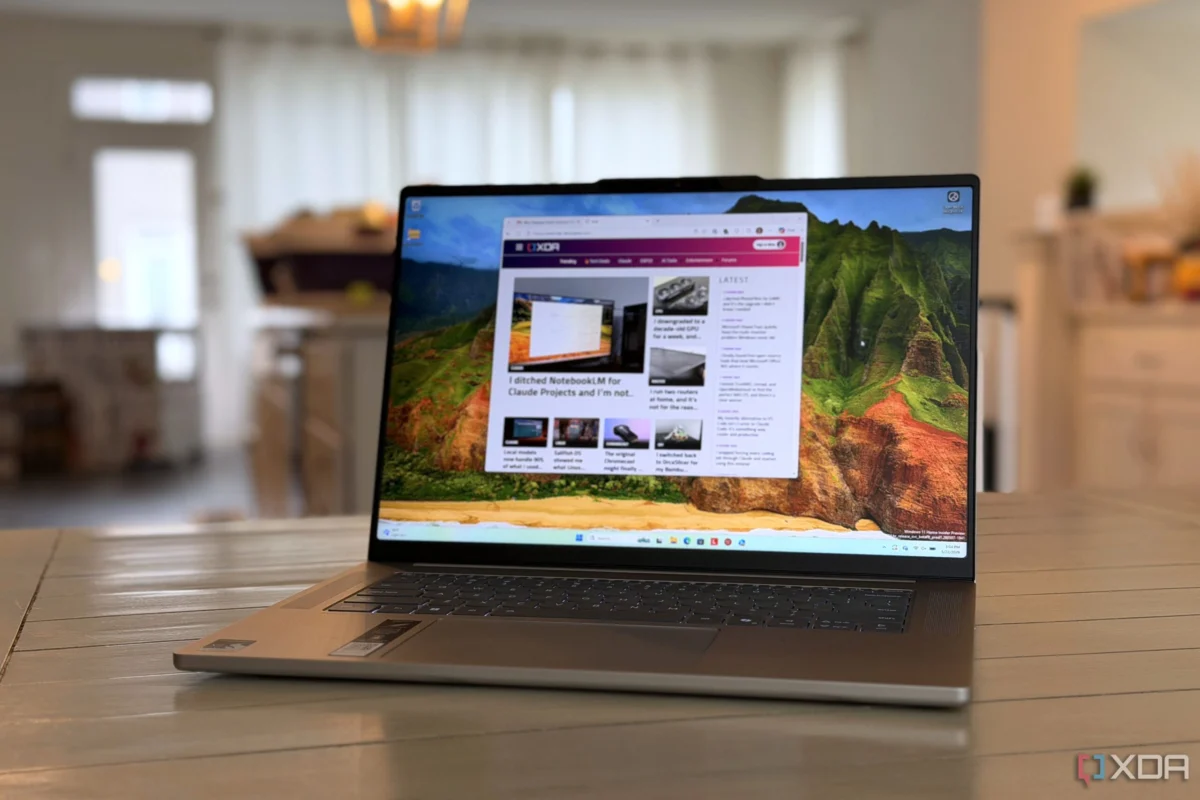
In the current landscape of personal computing, the definition of a "budget" laptop has become increasingly blurred. As component costs rise and premium features migrate downward, consumers are often forced to choose between affordability and genuine performance. For years, finding a sub-$1,000 laptop that didn’t feel like a compromise in build quality or speed felt like a fool’s errand. However, the release of the Lenovo IdeaPad Slim 5x Gen 11 marks a significant shift. By leveraging Qualcomm’s latest silicon, Lenovo has delivered a device that feels like a premium machine at a mid-range price point.
Main Facts: A New Benchmark for Mid-Range Laptops
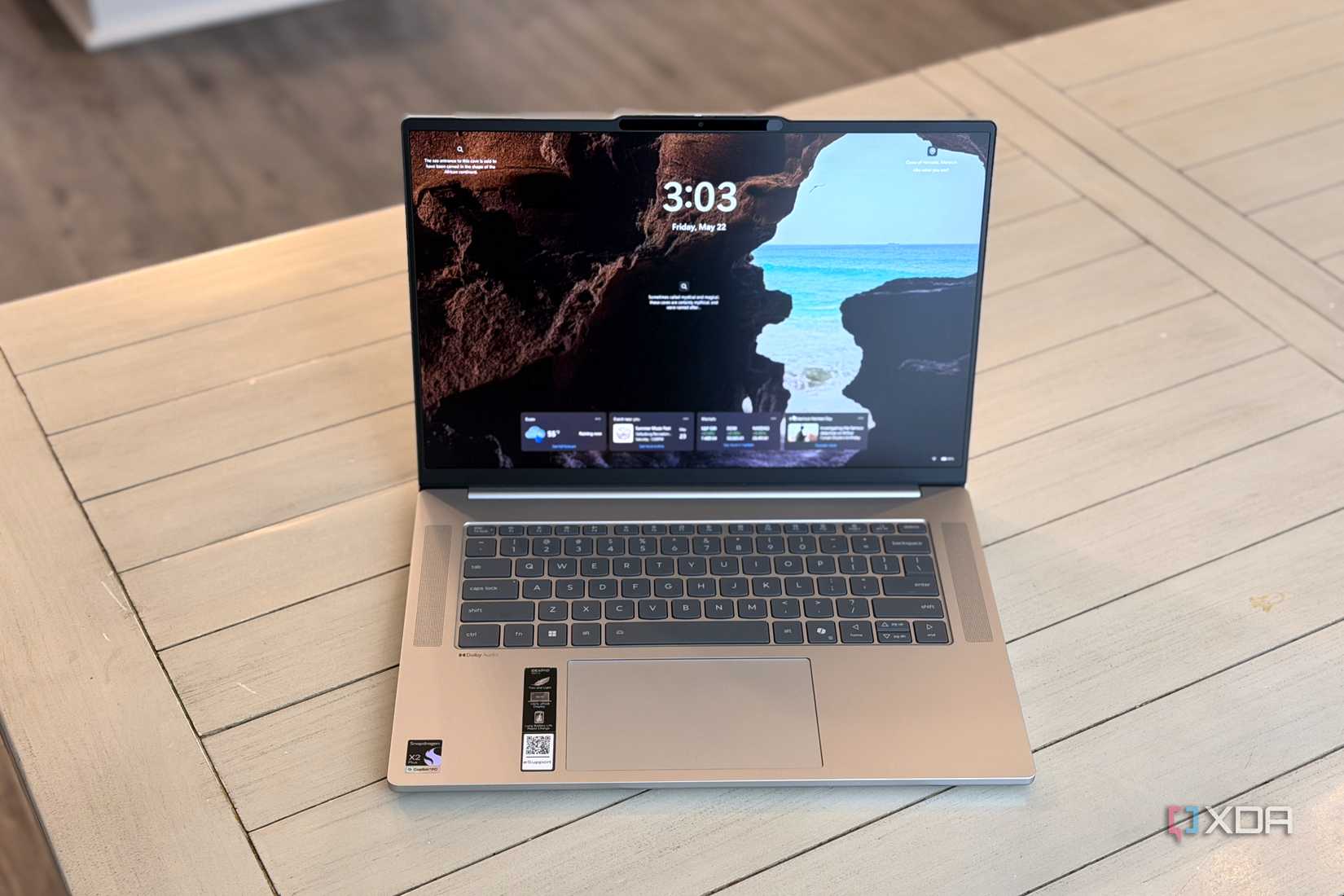
The Lenovo IdeaPad Slim 5x Gen 11 is built around the Qualcomm Snapdragon X2 Plus (X2P-42-100) processor. This ARM-based architecture is the centerpiece of the machine, offering a level of efficiency and performance that was previously reserved for high-end, ultrabook-class devices.
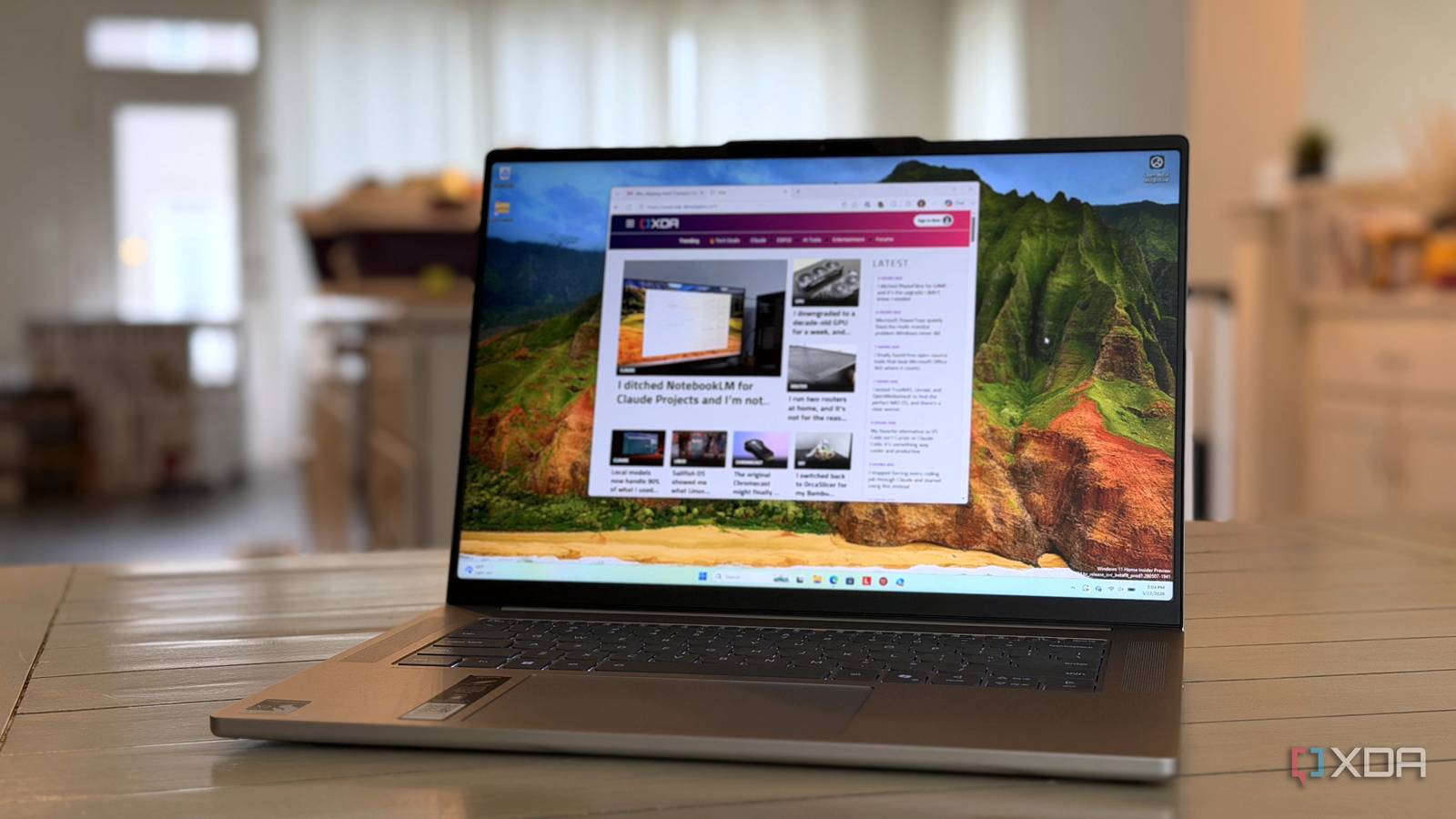
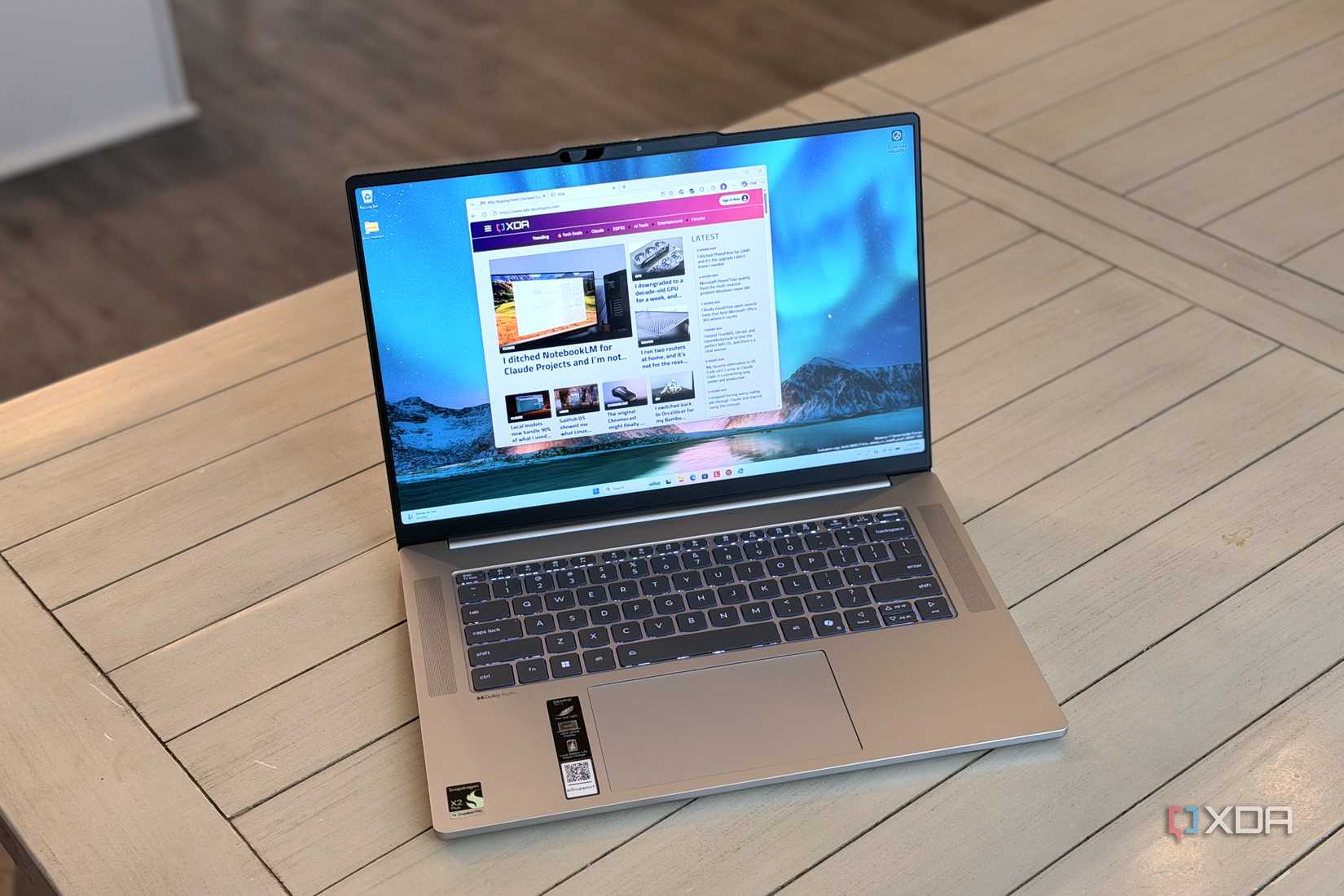
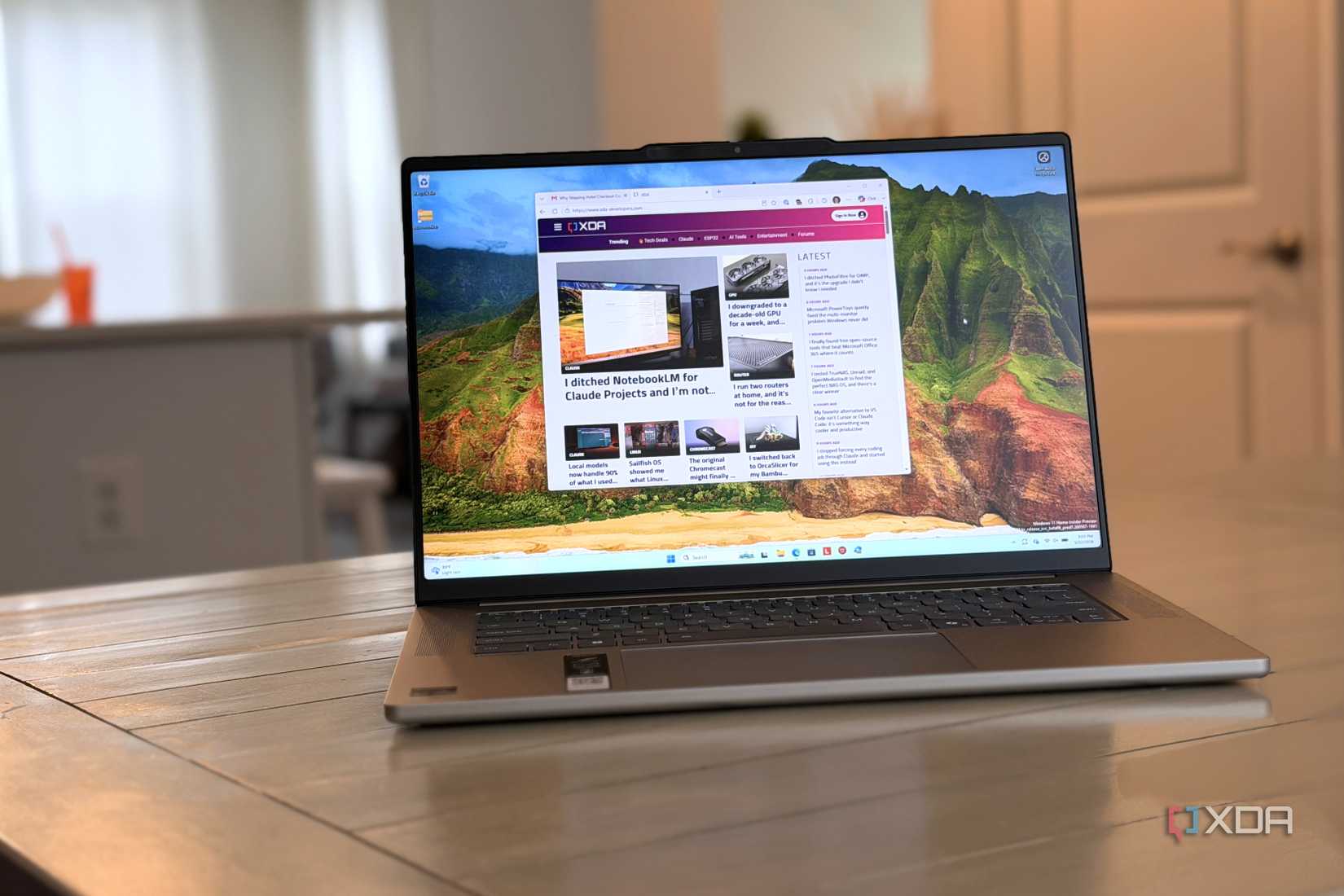
The base configuration, retailing at approximately $850, includes 16GB of LPDDR5X RAM and a 512GB PCIe Gen 4 SSD. While these specifications are standard, the execution—particularly regarding thermal management and battery optimization—is where the IdeaPad Slim 5x shines. It offers a 15.3-inch display with either a standard IPS touchscreen or an optional high-resolution OLED panel, making it versatile for both students and professionals.
Perhaps the most compelling fact about the IdeaPad Slim 5x is its departure from the "performance vs. battery" trade-off. It manages to deliver a full day of heavy productivity on a single charge while maintaining a chassis that is under 0.61 inches thick and weighs just 3.10 lbs.

A Brief Chronology of Development
The arrival of the IdeaPad Slim 5x Gen 11 follows a significant two-year industry pivot toward ARM-based Windows devices.
- 2024: The launch of the original Snapdragon X Elite series brought high-performance ARM chips to Windows laptops, though initial price points were often north of $1,300, limiting their reach to the enterprise and premium consumer markets.
- Early 2026: Qualcomm announced the expansion of the X2 series, specifically targeting the "Plus" tier to bridge the gap between high-performance gaming laptops and entry-level productivity machines.
- May 2026: Lenovo officially unveiled the IdeaPad Slim 5x Gen 11, positioning it as the primary vehicle for the Snapdragon X2 Plus in the consumer space.
- Late May 2026: The device began shipping to reviewers and retail partners, quickly establishing itself as a favorite for its balance of efficiency and cost-to-performance ratio.
Supporting Data and Technical Performance
Performance metrics for the IdeaPad Slim 5x reveal why this machine is a standout in the current market. Despite using the "lower-end" six-core Snapdragon X2 Plus, the device consistently holds its own against last year’s flagship X Elite models.

Benchmark Analysis
In our testing, the IdeaPad Slim 5x returned a Geekbench 6 score of 3,149 for single-core and 12,323 for multi-core performance. While these numbers are predictably lower than the high-end X2 Elite Extreme, they represent a massive leap over Intel and AMD mobile chips in the same price bracket, particularly when accounting for thermal throttling.
- Cinebench 2024: The device achieved 132 (single) and 730 (multi), proving that the six-core architecture is more than capable of handling complex office tasks, web development, and multitasking.
- Gaming Capability: While not marketed as a gaming laptop, the Adreno X2-45 GPU allows for surprisingly fluid gameplay in older titles. We recorded a stable 60 FPS in Borderlands 2 at native resolution and medium settings, a task that would have choked similar hardware just a year ago.
- Thermal and Acoustic Profile: One of the most notable aspects of the device is its near-silent operation. Because the ARM chip operates with such high efficiency, the internal fans rarely spin up to audible levels, even during extended benchmarking sessions.
Official Responses and Market Context
Lenovo’s strategy with the Slim 5x has been to simplify the upgrade path. While many manufacturers lock users into high-cost configurations, Lenovo allows for minor, affordable upgrades—such as a $10 jump to a 70Whr battery—that significantly extend the user experience.
"The goal with the Slim 5x," a Lenovo representative noted during the launch, "was to provide the ‘Snapdragon experience’ to the widest possible audience." The company acknowledges that the 10-core variant of the X2 Plus is in high demand, but they maintain that for 90% of students and office workers, the six-core model offers a more logical balance of price and utility.
Critics have pointed out that the lack of user-upgradable memory or storage is a drawback, but in the context of the $850 price tag, it is a concession that allows the company to focus on the quality of the chassis, the display, and the battery life—the three things users interact with most.
Implications: The Future of the Under-$1,000 Laptop
The success of the Lenovo IdeaPad Slim 5x Gen 11 has profound implications for the PC market. It signals the end of the era where "budget" necessarily meant "cheaply made."
1. The Death of the "Slow" Windows Laptop
For years, the sub-$1,000 market was plagued by sluggish eMMC storage, poor screen brightness, and build materials that felt fragile. The Slim 5x proves that by adopting ARM architecture, manufacturers can deliver a "snappy" experience at a low cost. This forces competitors like Intel and AMD to accelerate their own efficiency roadmaps or risk losing the mid-market segment entirely.
2. Battery Life as a Commodity
With the Slim 5x achieving 20 hours of video playback on the base battery, the expectation for laptop longevity has been reset. Users will no longer accept 6-8 hour battery life in a modern laptop. Lenovo has set a new floor, not a ceiling, for what constitutes an "acceptable" battery experience.
3. The Education and Enterprise Sweet Spot
This device is perfectly positioned for the massive education and corporate refresh cycles. Its portability, combined with a high-quality keyboard and reliable Windows Hello integration, makes it the ideal tool for the "work-from-anywhere" generation.
Final Verdict: Is It Right for You?
The Lenovo IdeaPad Slim 5x Gen 11 is a rare gem in a crowded market. It is not designed for the hardcore gamer, nor is it intended for the professional video editor pushing 8K workflows. However, for the overwhelming majority of users—students, office professionals, and casual content consumers—it is arguably the best value proposition currently available.
Who should buy it:
- Students: Who need a reliable, lightweight machine that can survive a full day of lectures without a charger.
- Office Workers: Who need a responsive machine for email, document creation, and video conferencing.
- Value-Seekers: Who want a premium feel and high-end battery life without the "Apple tax" or the inflated prices of top-tier Windows flagships.
Who should avoid it:
- Hardcore Gamers: Who require discrete graphics and high-refresh-rate gaming performance.
- Creative Professionals: Working in intensive 3D rendering or high-bitrate video editing who require the absolute maximum multicore power and expanded RAM configurations.
In conclusion, the IdeaPad Slim 5x Gen 11 understands exactly what it is. It does not try to be everything to everyone; instead, it perfects the core experience of mobile computing. By delivering a fast, quiet, and long-lasting laptop for $850, Lenovo has created a new standard for what a budget-friendly laptop should be in 2026. If your budget is under $1,000, stop looking for alternatives—you have found the right device.












No comments yet. Be the first to join the conversation!