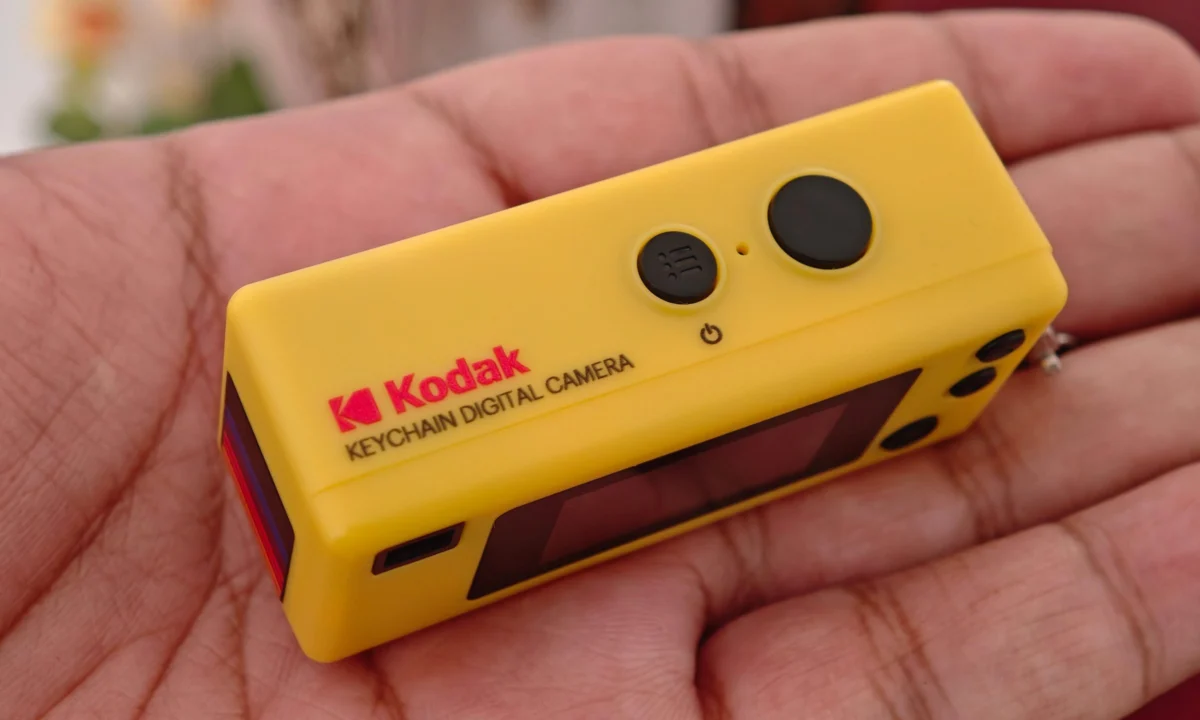
In an era where smartphone cameras are engineered to produce clinically perfect, computationally enhanced images, a new challenger has emerged from an unlikely place: the world of blind-box collectibles. The Kodak Charmera—a device so small it functions as a literal keychain accessory—has become an unexpected cultural phenomenon. While tech purists might scoff at its 1.6-megapixel sensor and barebones interface, the Charmera is not fighting for the crown of technical superiority. Instead, it is capturing something far more valuable in the current market: nostalgia, spontaneity, and a rejection of the "always-perfect" digital aesthetic.
The Core Specs: A Deliberate Return to Lo-Fi
To understand the Charmera, one must first abandon the metrics of modern flagship smartphones. The device features a modest 1.6-megapixel CMOS sensor, a fixed-focus lens, and a display that is almost comically small by today’s standards. It lacks optical image stabilization, advanced HDR processing, and high-fidelity audio recording.
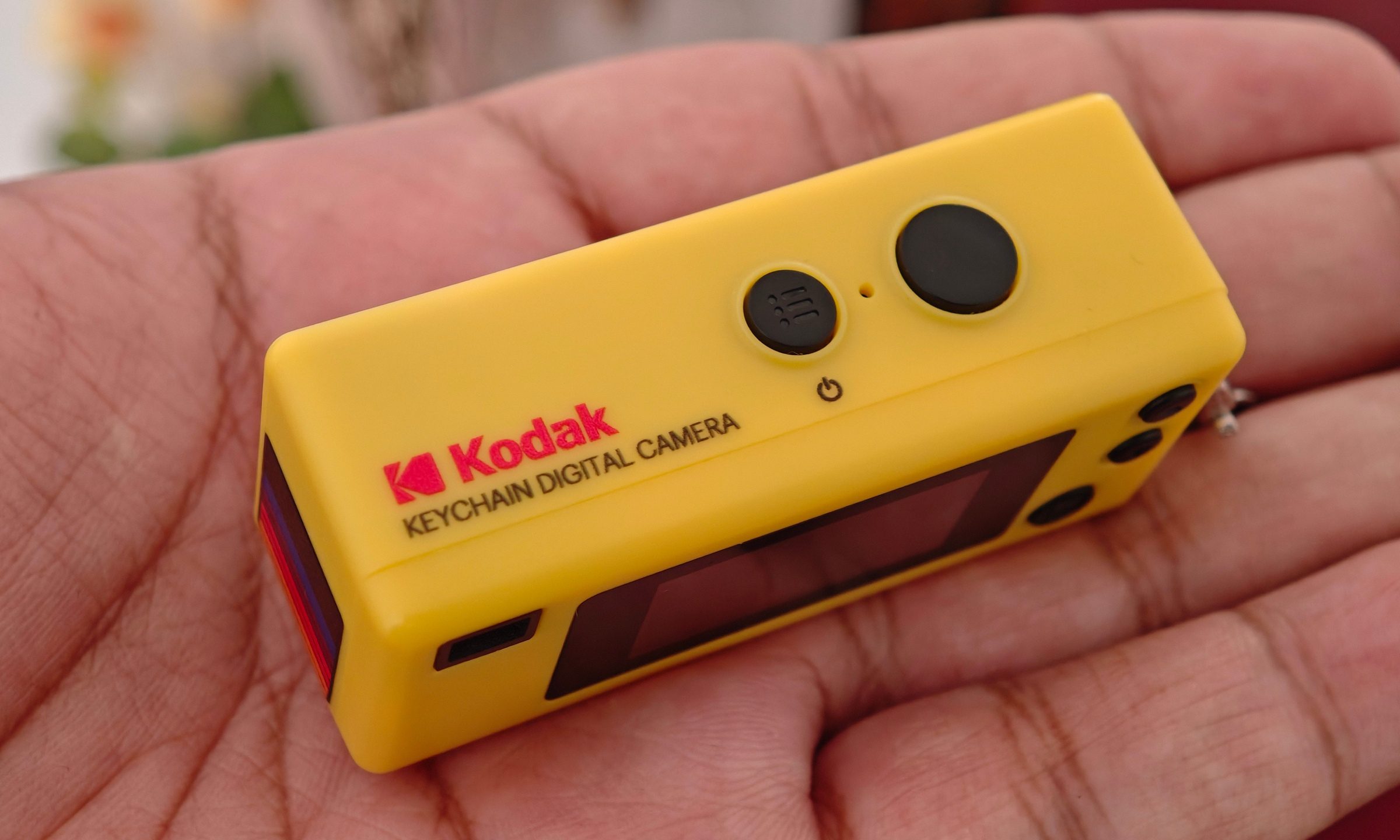
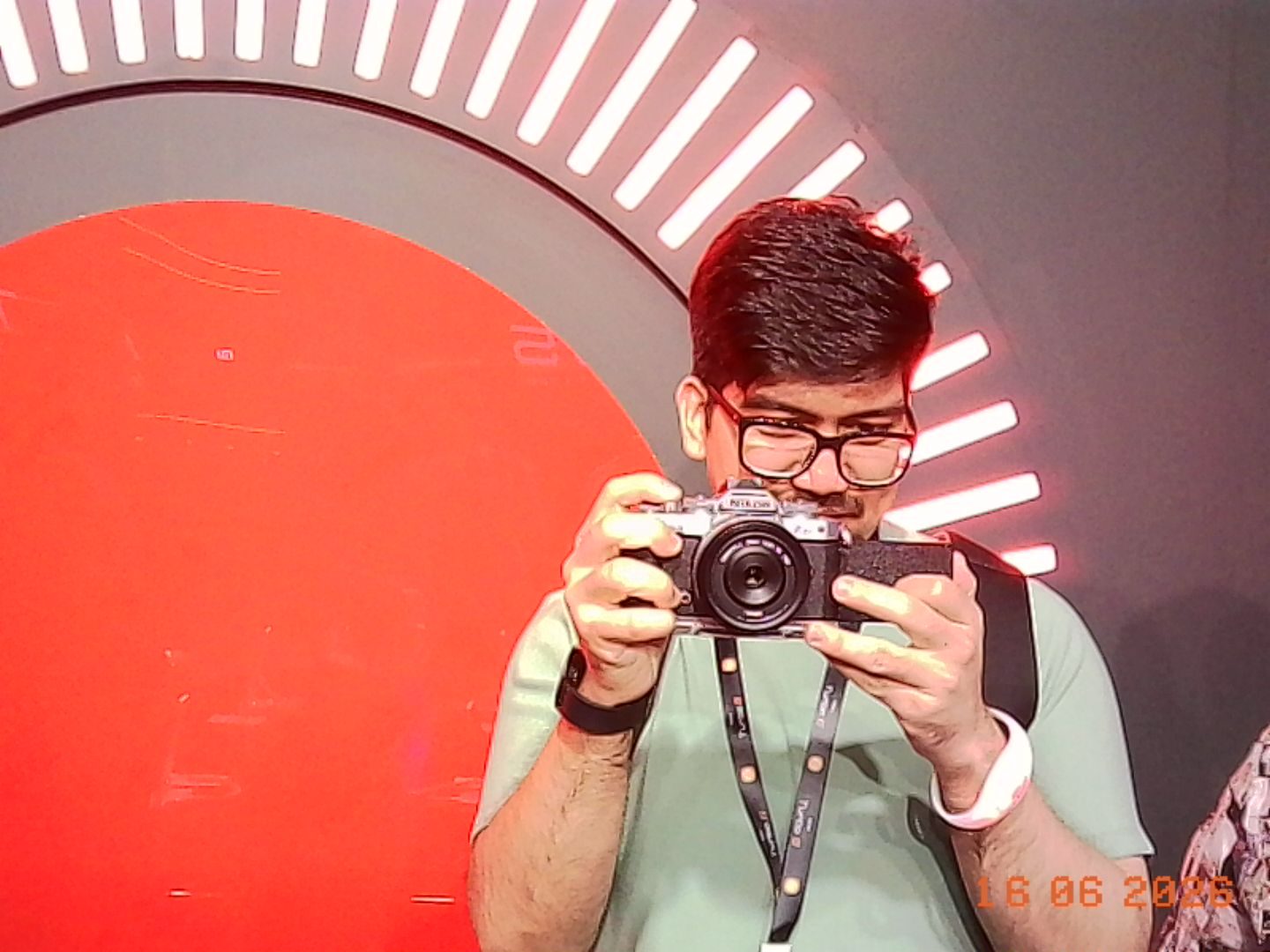
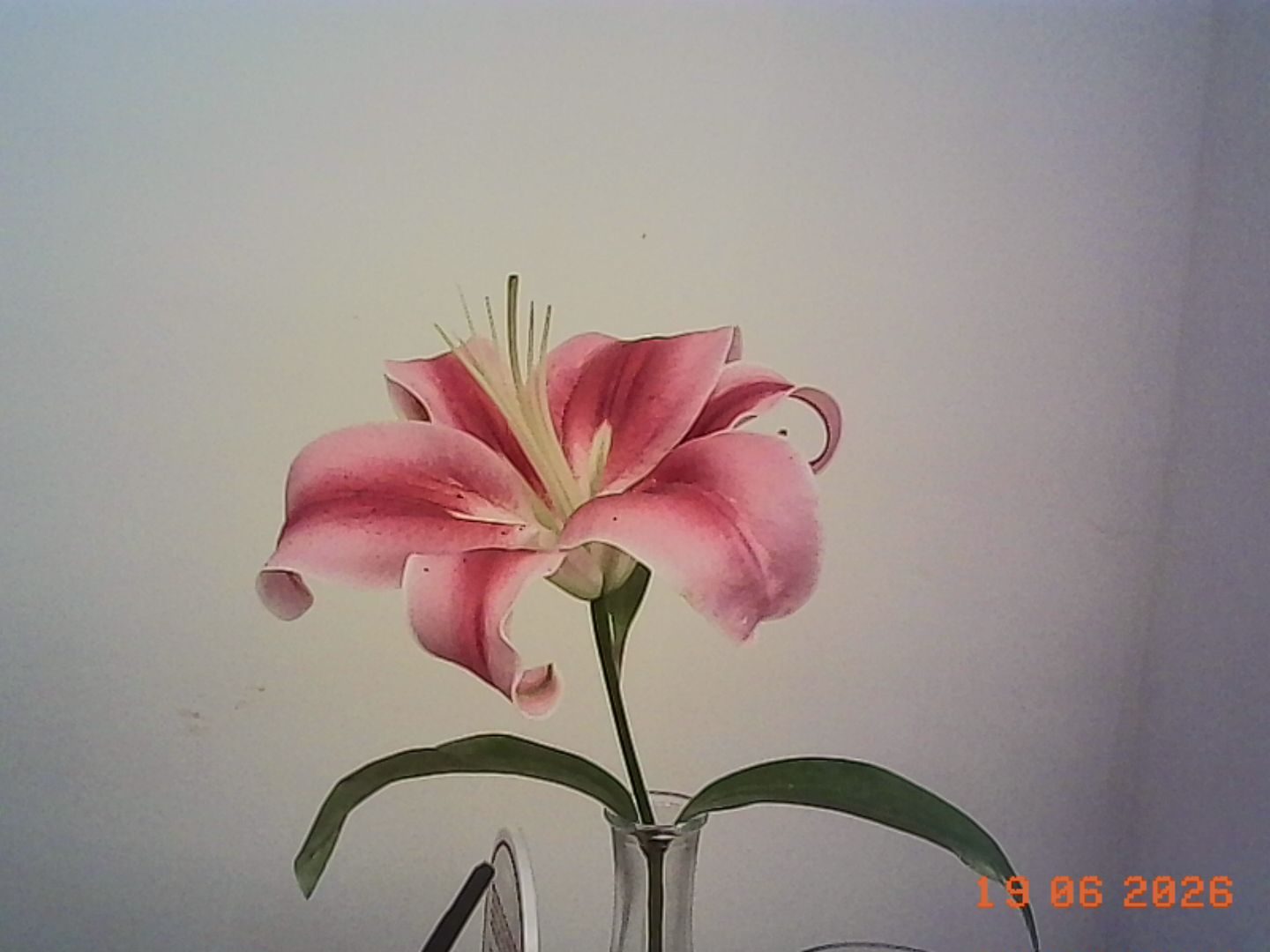
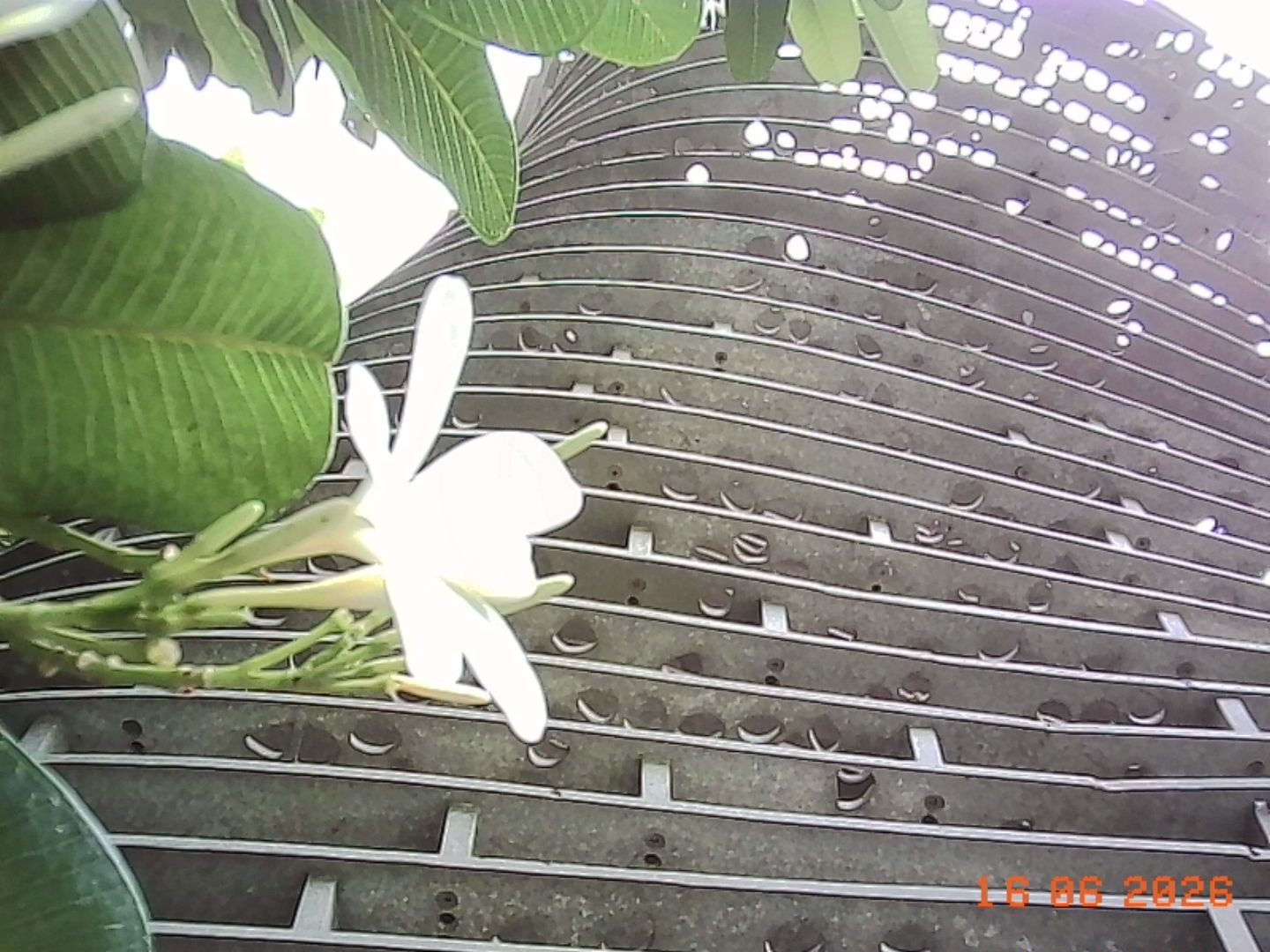
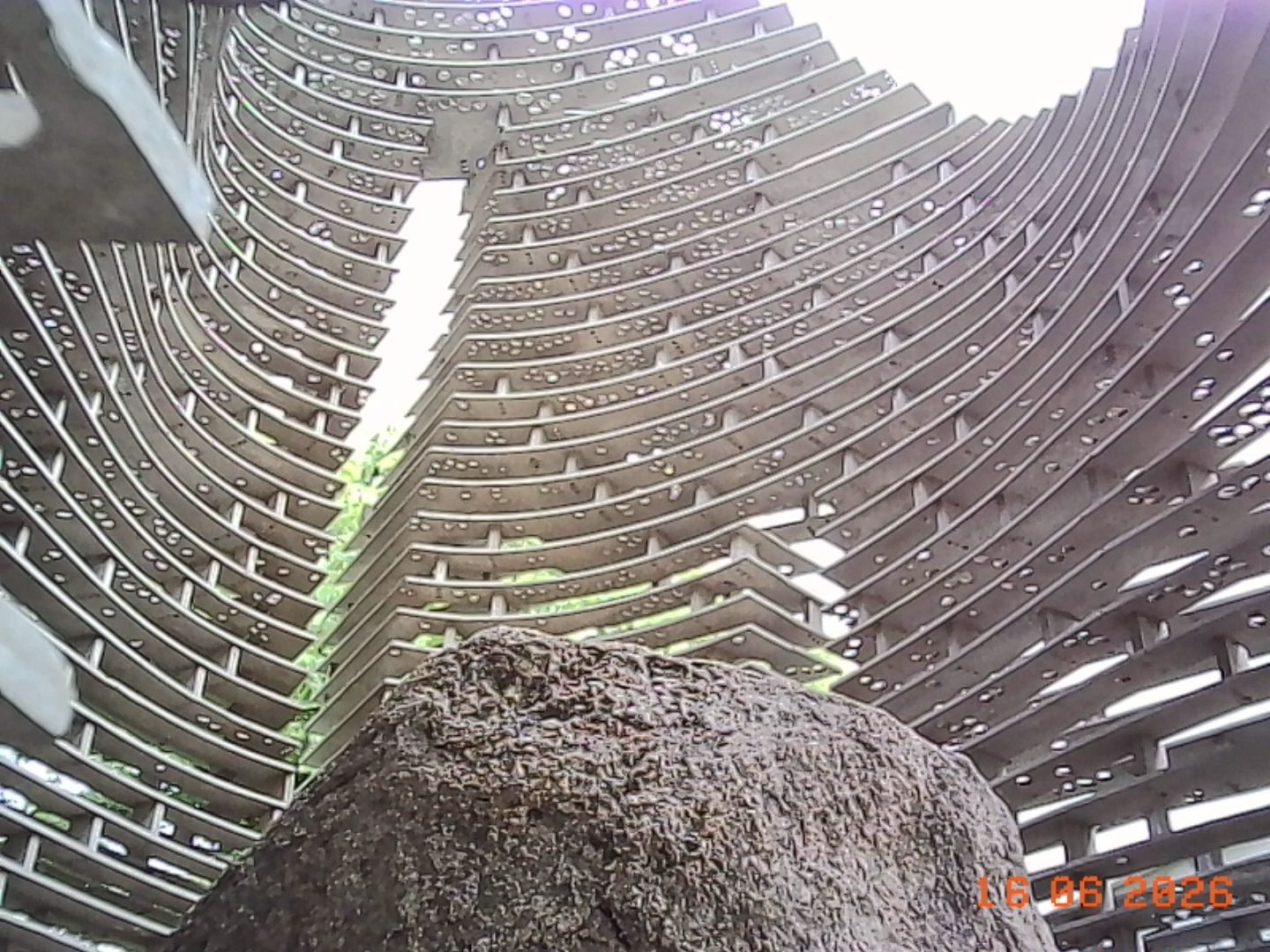
However, these "limitations" are precisely the camera’s key selling points. In a world where AI-driven software automatically scrubs noise and enhances shadows, the Charmera offers a raw, lo-fi texture that feels distinctly "analog-digital." The images it produces are soft, prone to motion blur, and possess a color science reminiscent of the early 2000s consumer point-and-shoots. For the generation that grew up with the first wave of digital photography, these images don’t look "bad"—they look like memories.
The Blind-Box Appeal: A New Way to Buy Tech
The purchasing experience for the Charmera is as much a part of the product as the device itself. Unlike traditional electronics, which are sold with transparent packaging and detailed spec sheets, the Charmera is marketed through the "blind box" model popularized by high-end vinyl toys.

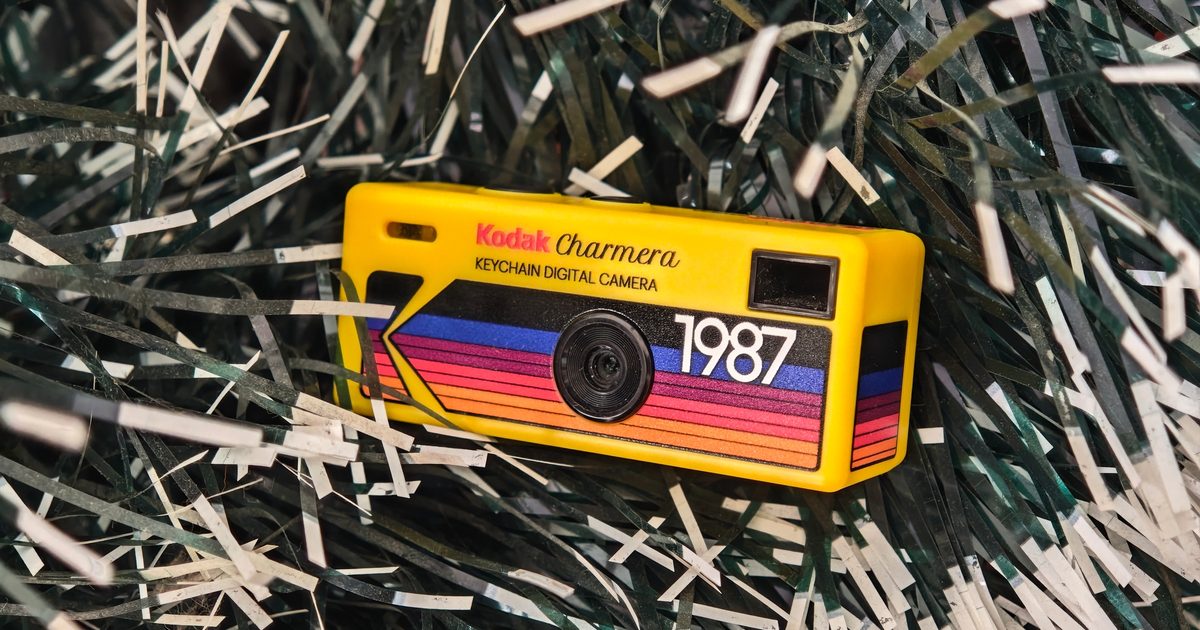
When a consumer purchases a unit, they have no idea which aesthetic variation they are receiving. The lineup includes various retro-inspired shells, drawing heavily from the design language of 1980s Kodak disposable cameras. The "chase" item—a transparent shell that reveals the internal circuitry—has become a highly coveted status symbol among collectors. This gamification of hardware acquisition has bridged the gap between the photography community and the burgeoning "art toy" subculture, turning a functional camera into a displayable collectible.

Chronology of a Viral Hit
The rise of the Charmera did not happen overnight. Its trajectory mirrors the broader "Y2K" revival currently influencing Gen Z and Millennial consumer habits.

- Early 2026 (The Soft Launch): The device appeared in niche photography forums and Asian specialty markets, gaining traction as an "anti-smartphone" accessory.
- Spring 2026 (The Social Media Wave): Influencers began posting "What’s in my bag" content featuring the Charmera, highlighting its unique ability to capture candid, low-pressure snapshots that don’t need to be polished for Instagram.
- Summer 2026 (The Mainstream Crossover): With the proliferation of "digital camera" trends (where Gen Z abandoned high-end gear for decade-old CCD sensor cameras), the Charmera found its perfect market window. It offered the same aesthetic but with the convenience of a modern, rechargeable battery and a digital file transfer system that doesn’t require a CompactFlash card reader.
The "Vibe" Over Performance: Real-World Testing
In practice, the Charmera is a paradox. When used in controlled, daylight conditions, the camera captures charming, punchy images that feel authentic to the subject. However, its performance in low-light environments—such as live music venues or dim bars—is technically poor. The flash, while functional, often leads to overexposed foregrounds and "crushed" black levels.

Yet, this is where the device shines. These failures don’t result in "ruined" photos; they result in atmospheric, gritty, and intimate captures that feel honest. At a recent gig, while smartphone users struggled with aggressive post-processing that turned moving performers into plastic-looking figures, the Charmera produced images that felt like genuine snapshots of the moment. It is a camera that encourages the user to "shoot and forget," removing the temptation to spend time editing or reviewing images on the spot.

Video: A Digital Diary
The Charmera includes a video mode, though it is perhaps the weakest aspect of the hardware. The audio quality is brittle, and the resolution is far below modern standards. However, it serves a specific purpose: it acts as a digital diary. The footage is jittery and grainy, creating a "home movie" effect that feels intentional.

For the average user, the Charmera is not for capturing high-production content; it is for recording the mundane: a quick video of a friend laughing, the street lights on a walk home, or a short, chaotic clip from a concert. It is a tool for capturing the feeling of an experience, rather than the visual data of it.

The Sociology of the Small Camera
The success of the Charmera is rooted in a fundamental shift in how we interact with our devices. We have reached a peak of technical saturation where smartphones can do almost everything, yet we feel increasingly disconnected from the process of photography.
When you pull out a smartphone to take a photo, you are often distracted by notifications, apps, and the pressure to take the "perfect" shot. When you pull out a Charmera, it is an event. The object itself is a conversation starter. People are curious about it; they smile when they see it. It turns the act of photography back into a social interaction rather than a solitary, algorithmic one.
Implications for the Camera Industry
The popularity of the Charmera signals a shift for camera manufacturers. The industry has spent years chasing higher megapixels, faster autofocus, and more sophisticated AI. While there is certainly a market for that, the Charmera proves that there is a massive, underserved market for "deliberate" technology.
Consumers are looking for devices that:

- Have a tactile identity: They want objects that feel like physical artifacts, not just glass-and-metal slabs.
- Are less algorithmic: They want to own the look of their photos, rather than having them pre-processed by a phone’s software.
- Encourage spontaneity: They want gear that is low-stakes and fun.
If major camera brands were to take a page out of the Charmera’s playbook—prioritizing charm and portability over raw resolution—they might find a new generation of users who are currently being turned off by the clinical nature of modern imaging.

Conclusion: Why We Need the Charmera
It is entirely fair to judge the Kodak Charmera harshly if you hold it to the standard of a 2026 digital camera. It is technically inferior, fragile, and limited. But that criticism misses the point of the device entirely.

The Charmera is not a tool for professional photography; it is a tool for professional memory-keeping. It is for those who are tired of the perfectionism forced upon them by their phones. It is a piece of hardware that invites you to be present, to capture the moment, and to accept the results as they are—grain, blur, and all. In a world of infinite, perfect digital possibilities, there is something profoundly refreshing about a device that is perfectly, happily, and intentionally flawed.