

By Emedo Ashibeze
Published May 23, 2026
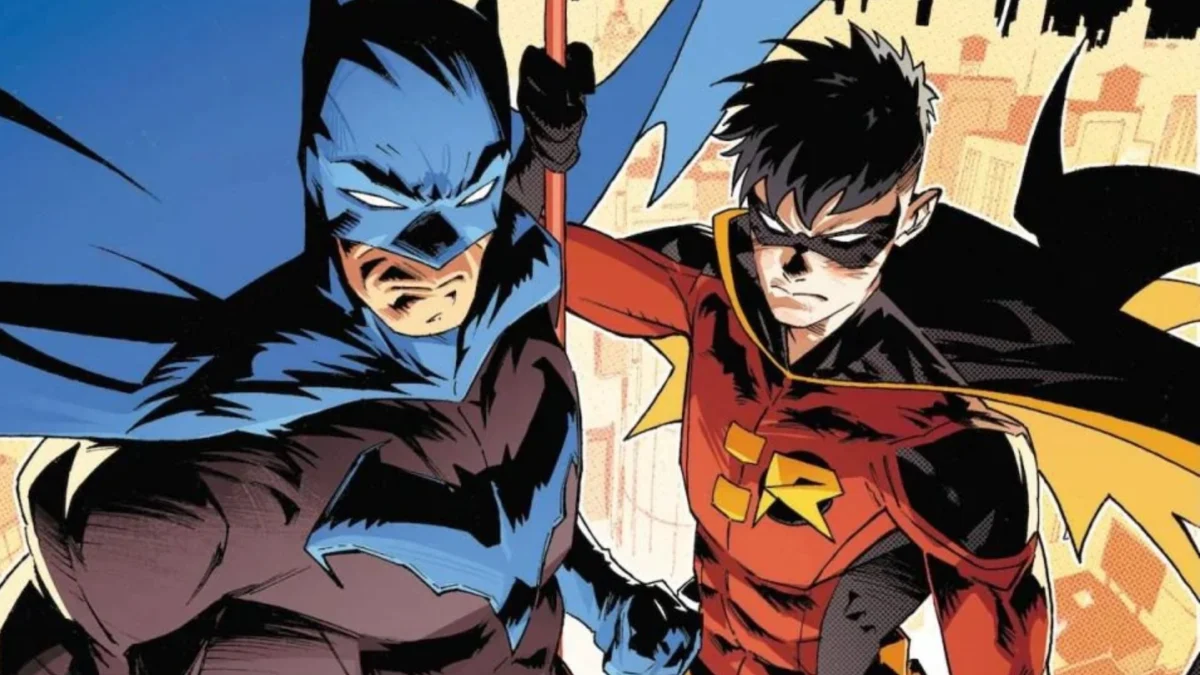
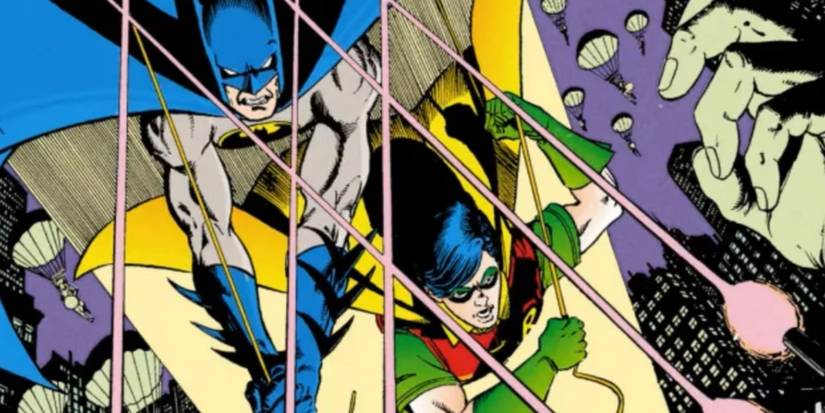
Since their explosive debut in 1940’s Detective Comics #38, the partnership between Batman and Robin has served as the foundational pillar of the DC Universe. For over eight decades, the Dark Knight and the Boy Wonder have evolved from a lighthearted gimmick into a complex psychological study of trauma, mentorship, and the burden of legacy. As the entertainment landscape continues to revisit these iconic figures, comic enthusiasts often look back to specific story arcs that define the emotional core of this relationship.
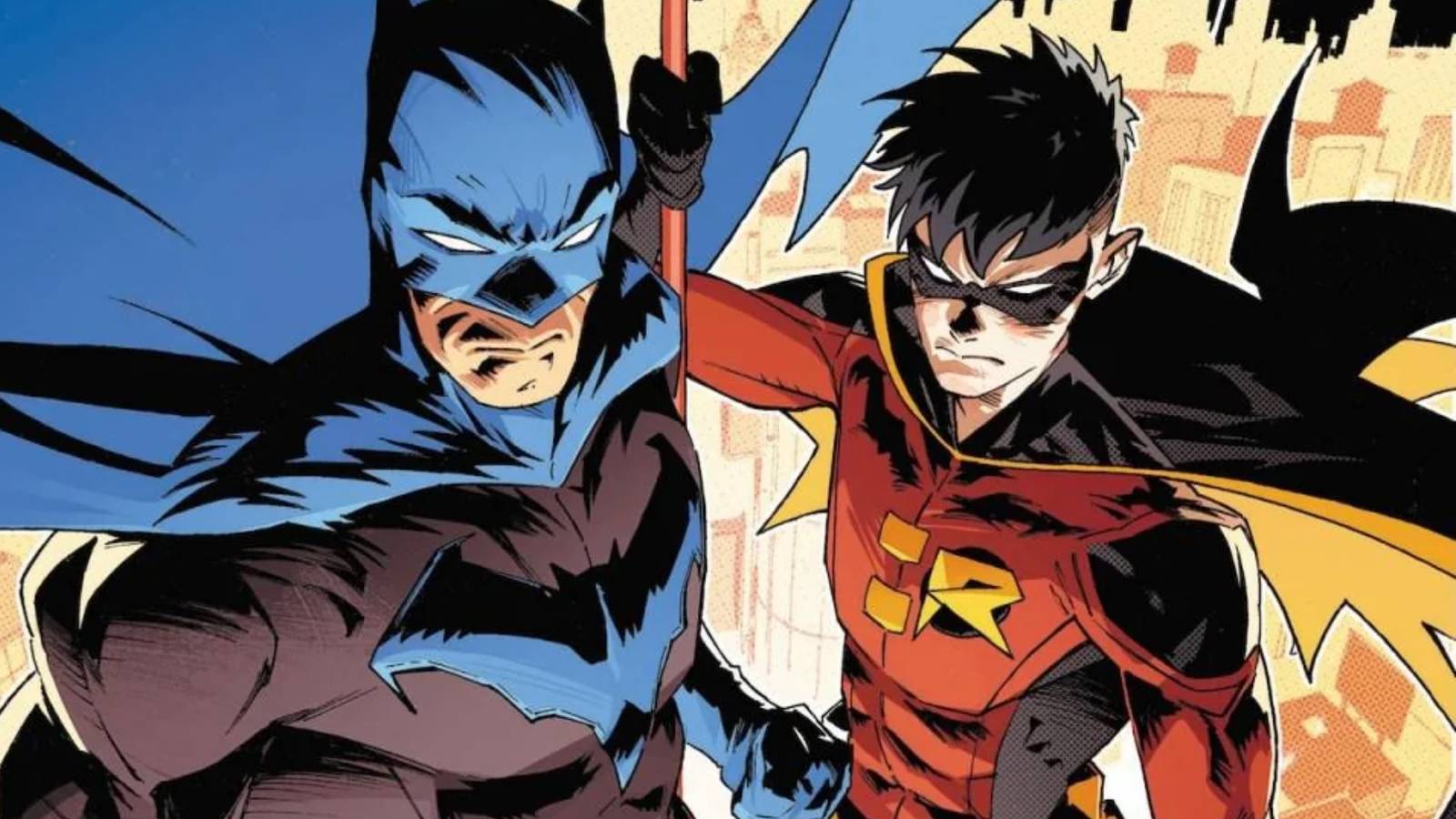
The following analysis explores eight of the most significant narratives that have shaped our understanding of the Batman-Robin dynamic, offering a retrospective on how these stories have influenced both the characters and the broader medium of graphic literature.
The Evolution of a Partnership: Main Facts and Context
The archetype of the "sidekick" was forever changed by the introduction of Dick Grayson. By providing a younger foil to Batman’s brooding stoicism, DC Comics introduced a narrative device that allowed readers to view the grim world of Gotham City through a lens of youthful optimism, tempered by the harsh realities of vigilantism.

Over time, this partnership has transitioned from the colorful, high-adventure tone of the Golden Age to the gritty, often tragic psychological character studies that dominate modern literature. Whether it is the original dynamic with Dick Grayson, the rebellious and ultimately doomed tenure of Jason Todd, or the volatile, blood-bound partnership with Damian Wayne, the Robin mantle has become a mirror for Batman’s own moral trajectory.
Chronology of Iconic Arcs
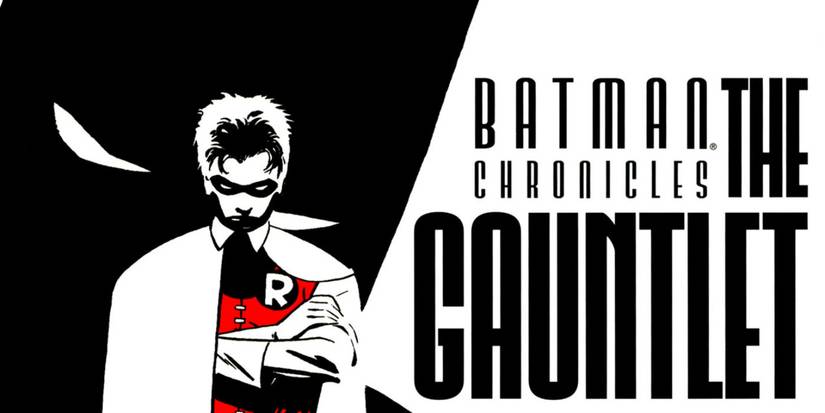
8. Batman Chronicles: The Gauntlet
The Gauntlet serves as the essential "trial by fire." It strips away the gadgets and the mythos, focusing on a young Dick Grayson’s singular mission: to survive a night in Gotham while being pursued by his mentor. The narrative highlights the brilliance of the young acrobat and the cold, calculated nature of Bruce Wayne’s training regimen. It remains a definitive look at the birth of the partnership, grounding it in intelligence rather than simple combat prowess.
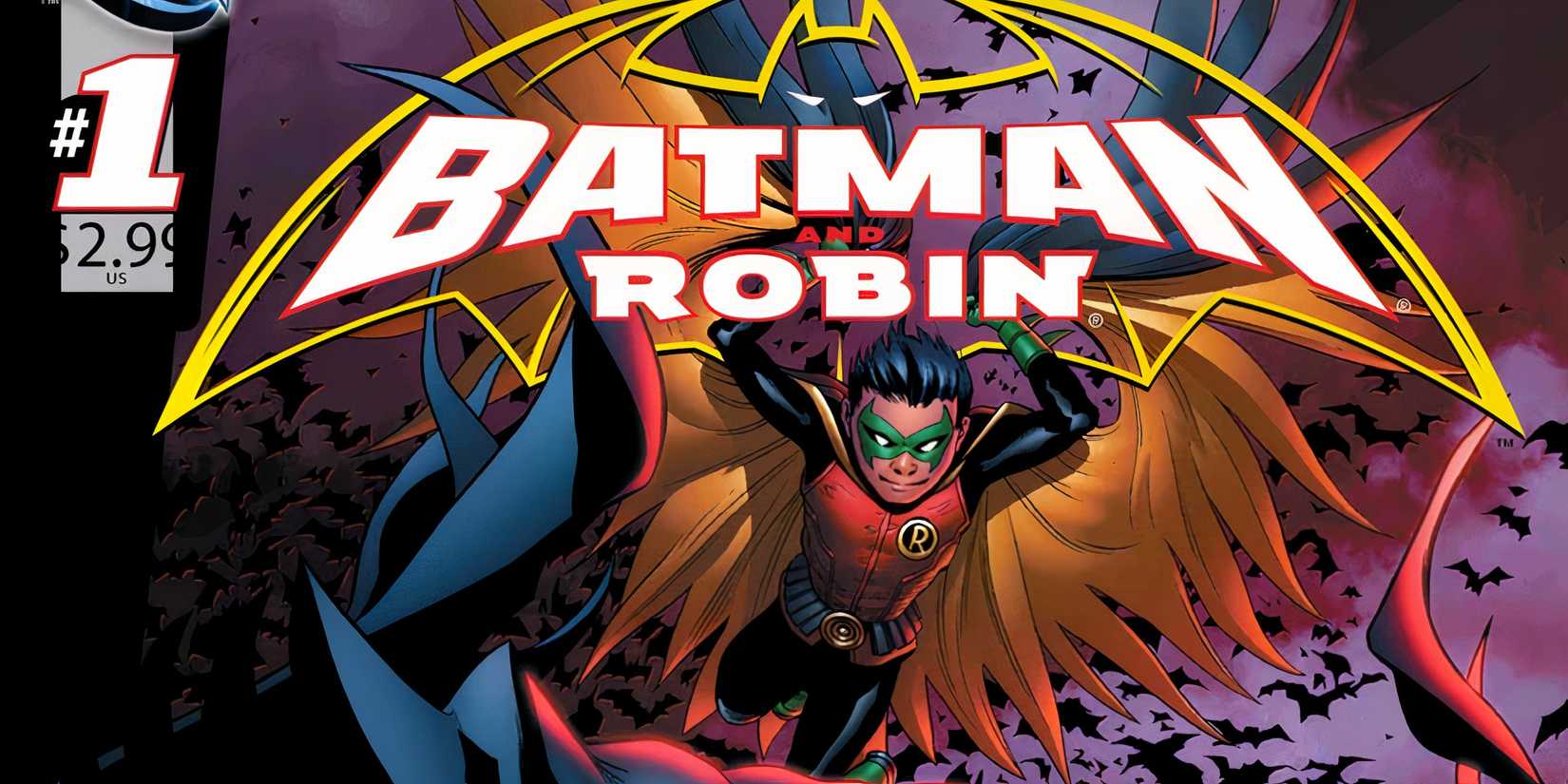
7. Batman & Robin: Pearl (Peter J. Tomasi and Patrick Gleason)
Transitioning into the modern era, Pearl explores the biological bond between Bruce and his son, Damian Wayne. This arc is particularly notable for its refusal to romanticize their relationship. Damian is a child of assassins; Bruce is a man of rigid control. Pearl depicts the slow, painful process of building trust where there was once only duty and resentment. It is a masterclass in emotional pacing.
6. Robin: Year One (Chuck Dixon and Scott Beatty)
If The Gauntlet is the test, Robin: Year One is the education. This miniseries provides a grounded, humanistic view of Dick Grayson’s transition from circus performer to crime fighter. With Alfred Pennyworth serving as the narrative voice, the story balances the terrifying reality of Gotham’s criminal underworld with the warmth of the makeshift family forming within Wayne Manor.
5. Batman: Dark Victory (Jeph Loeb and Tim Sale)
A direct successor to The Long Halloween, Dark Victory serves as a bridge between Batman’s early days and his eventual acceptance of a partner. The narrative is defined by isolation—Bruce Wayne is reeling from the loss of his moral compass, Harvey Dent. The introduction of Dick Grayson isn’t just a plot point; it is an act of salvation for both characters, proving that even the most broken heroes need connection to survive.
4. A Death in the Family (Jim Starlin and Jim Aparo)
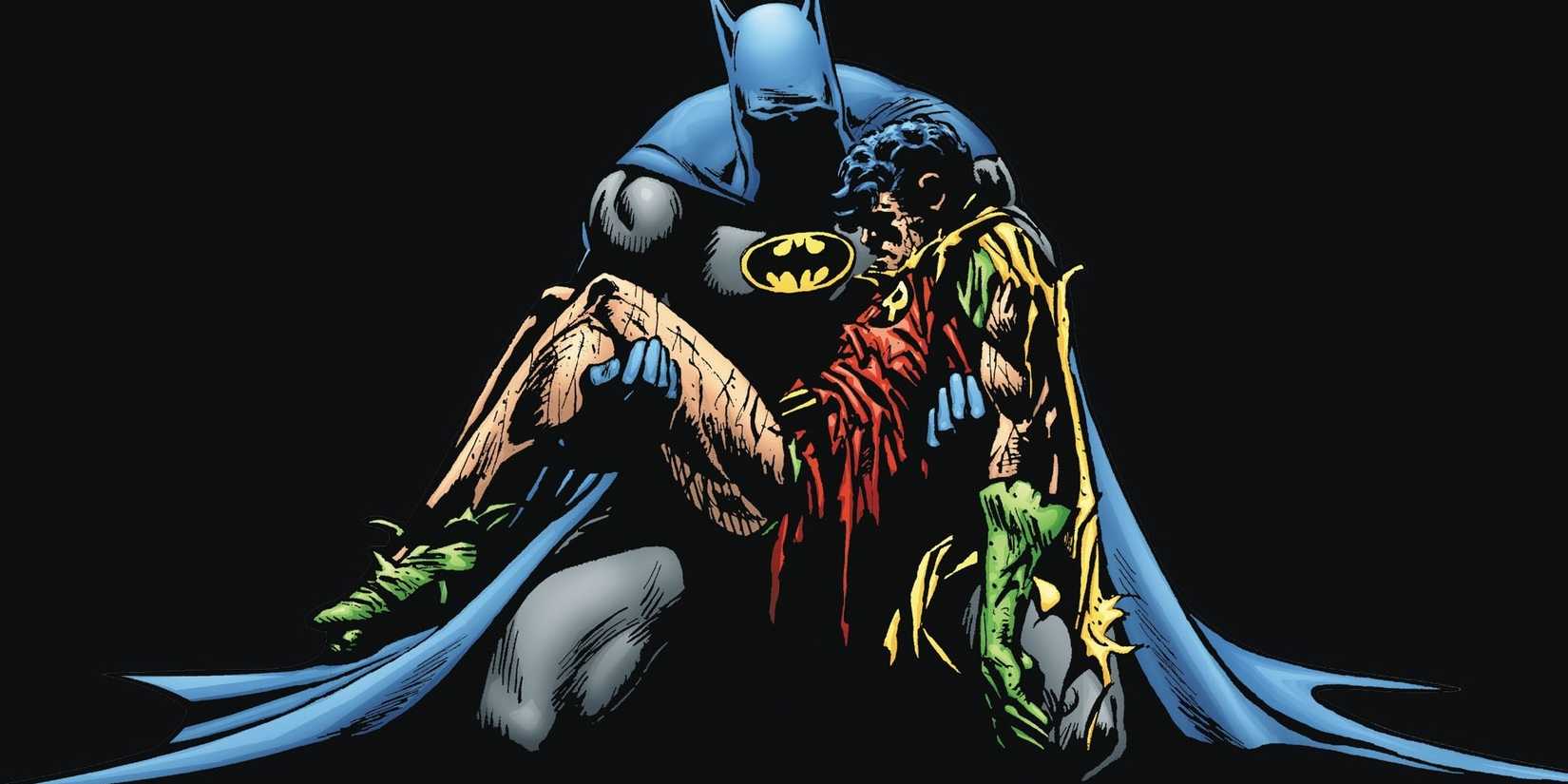
Perhaps the most infamous chapter in the lore, this story shifted the tone of DC Comics for a generation. Jason Todd’s death at the hands of the Joker was not merely a plot twist; it was a devastating indictment of Batman’s decision to involve a child in his war on crime. The psychological toll of this failure informs almost every iteration of the Batman character that followed.
3. A Lonely Place of Dying (Marv Wolfman, George Pérez, and Jim Aparo)
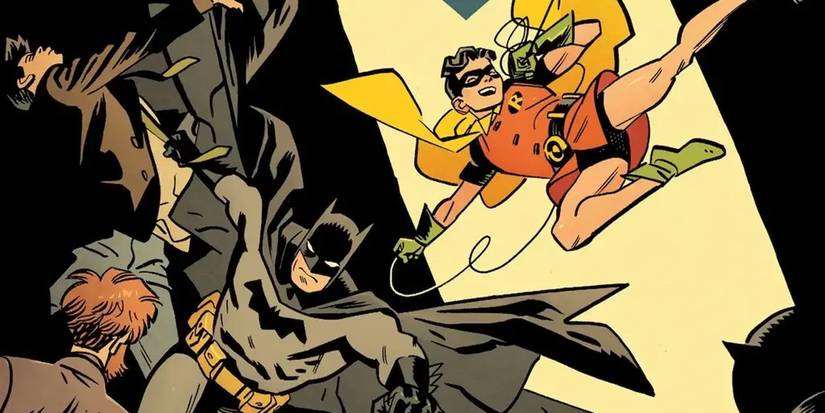
Following the tragedy of Jason Todd, A Lonely Place of Dying introduced Tim Drake, a character who redefined what it meant to be a sidekick. Unlike his predecessors, Tim sought out the role not for revenge, but for the greater good of Gotham. His ability to deduce Batman’s identity and his subsequent insistence that "Batman needs a Robin" provided a necessary emotional rehabilitation for the Caped Crusader.
2. Batman: Year Three (Marv Wolfman, Pat Broderick, and Jon Beatty)
This arc offers a stark, post-mortem reflection on the Robin legacy. Through a series of flashbacks, the story juxtaposes the current chaos of a gang-ridden Gotham with the formative, often painful, memories of Dick Grayson’s early days. It is a somber examination of how trauma is inherited and how one man’s crusade can leave a wake of collateral damage.
1. Batman and Robin Vol. 1 (Grant Morrison)
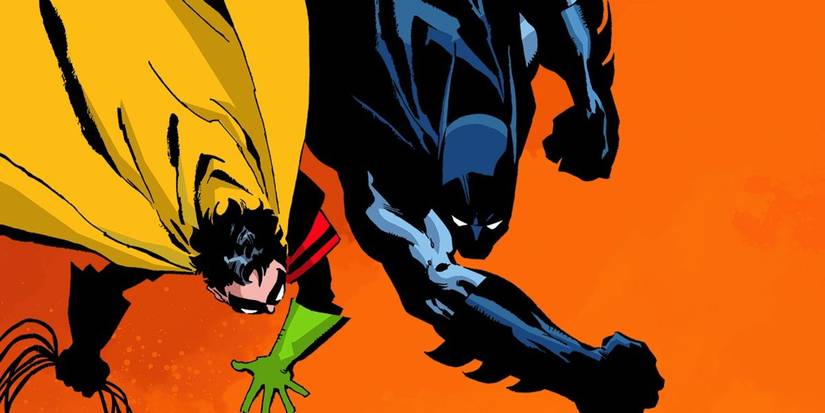
Grant Morrison’s run remains the gold standard for the modern era. With Bruce Wayne presumed dead, the mantle of the Bat passed to Dick Grayson, who took on the role of mentor to the abrasive, highly skilled Damian Wayne. By reversing the traditional roles, Morrison provided a fresh perspective on the partnership, highlighting the inherent tension between mercy and lethal efficiency.
Supporting Data: The Impact of the Robin Archetype
From a publishing perspective, the introduction of Robin in 1940 saw a dramatic increase in Detective Comics sales, effectively cementing the sidekick as a permanent fixture in the industry. Data from contemporary reader surveys consistently rank the "Batman and Robin" dynamic as the most recognizable duo in global pop culture, outperforming other team-ups like Captain America and Bucky or Green Arrow and Speedy.
Furthermore, the "Robin Effect"—the introduction of a younger character to provide a relatable entry point for readers—has been successfully replicated across multiple media formats, including the highly acclaimed Batman: The Animated Series and various live-action adaptations, proving that the dynamic remains a lucrative and narrative-essential element of the franchise.
Official Perspectives and Critical Reception
Industry critics have long debated the necessity of the sidekick. In a 2025 retrospective, DC editorial leadership noted that the Robin persona is essential to the "humanization of Batman." Without Robin, Bruce Wayne is often portrayed as an unmitigated force of nature; with Robin, he becomes a father figure and a mentor, allowing for character growth that would otherwise be impossible.
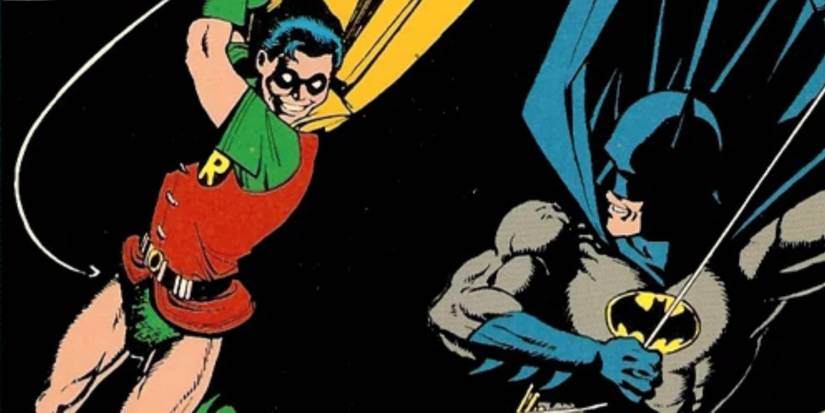
"The stories that endure," says critic Emedo Ashibeze, "are not the ones where they simply punch villains. They are the ones where the mask slips, and we see the profound, often uncomfortable love between a man who has lost everything and a child who is choosing to walk into the fire with him."
Implications: The Future of the Dynamic
The continued exploration of these narratives suggests that the Batman-Robin partnership is not static. As modern audiences grow more sophisticated, writers have moved away from the "dynamic duo" trope in favor of exploring the psychological scars left by such a lifestyle.
Looking forward, the implication for the franchise is clear: the most successful Batman stories will continue to be those that challenge the ethics of the partnership. Whether it is through the lens of a new heir to the mantle or a reconciliation between former partners, the core of the story remains the same: it is a testament to the idea that no one, not even the world’s greatest detective, can save a city entirely alone.
As we look toward future iterations, the lessons of A Death in the Family or the growth shown in Batman and Robin Vol. 1 will continue to serve as the blueprint. The legacy of the Boy Wonder is not just in the suit, but in the enduring, complex, and often beautiful bond that defies the darkness of Gotham City.











No comments yet. Be the first to join the conversation!