Asro
Asro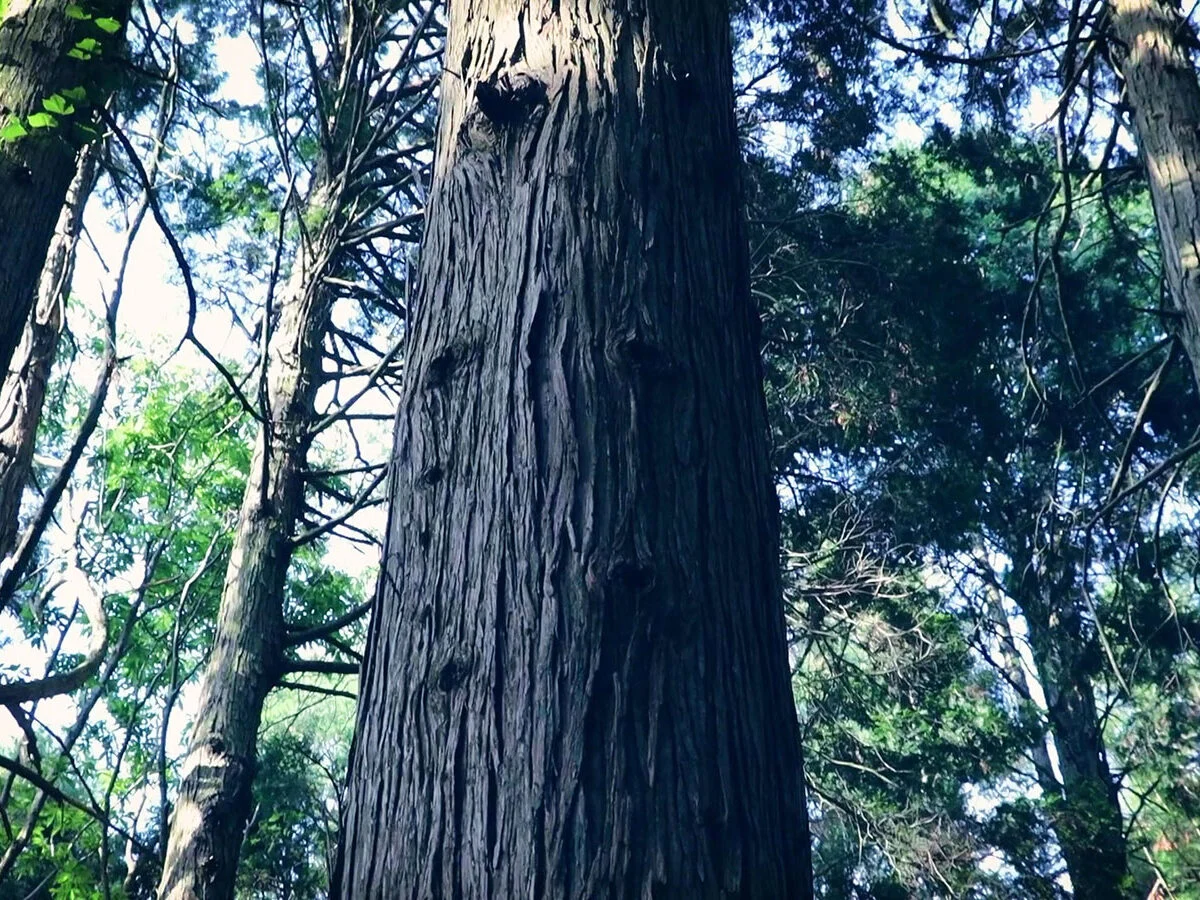
Japan’s relationship with wood is more than a construction method; it is a profound cultural philosophy. From the ancient, towering pillars of the Hōryū-ji Temple—the world’s oldest wooden structure—to the thatched-roof charm of the Shirakawa-gō villages, Japanese architecture stands as a testament to a society that has spent over a millennium perfecting the dialogue between humanity and nature. Today, this tradition is undergoing a renaissance, as the world looks toward Japan’s timber industry for solutions that marry aesthetic brilliance with sustainable innovation.
The Essence of Craft: A Synthesis of Nature and Human Ingenuity
At the heart of Japanese woodcraft lies a deep-seated respect for the biological life of the tree. Unlike industrialized construction, which often views timber as a uniform commodity, the Japanese approach treats every grain, knot, and texture as a unique character.
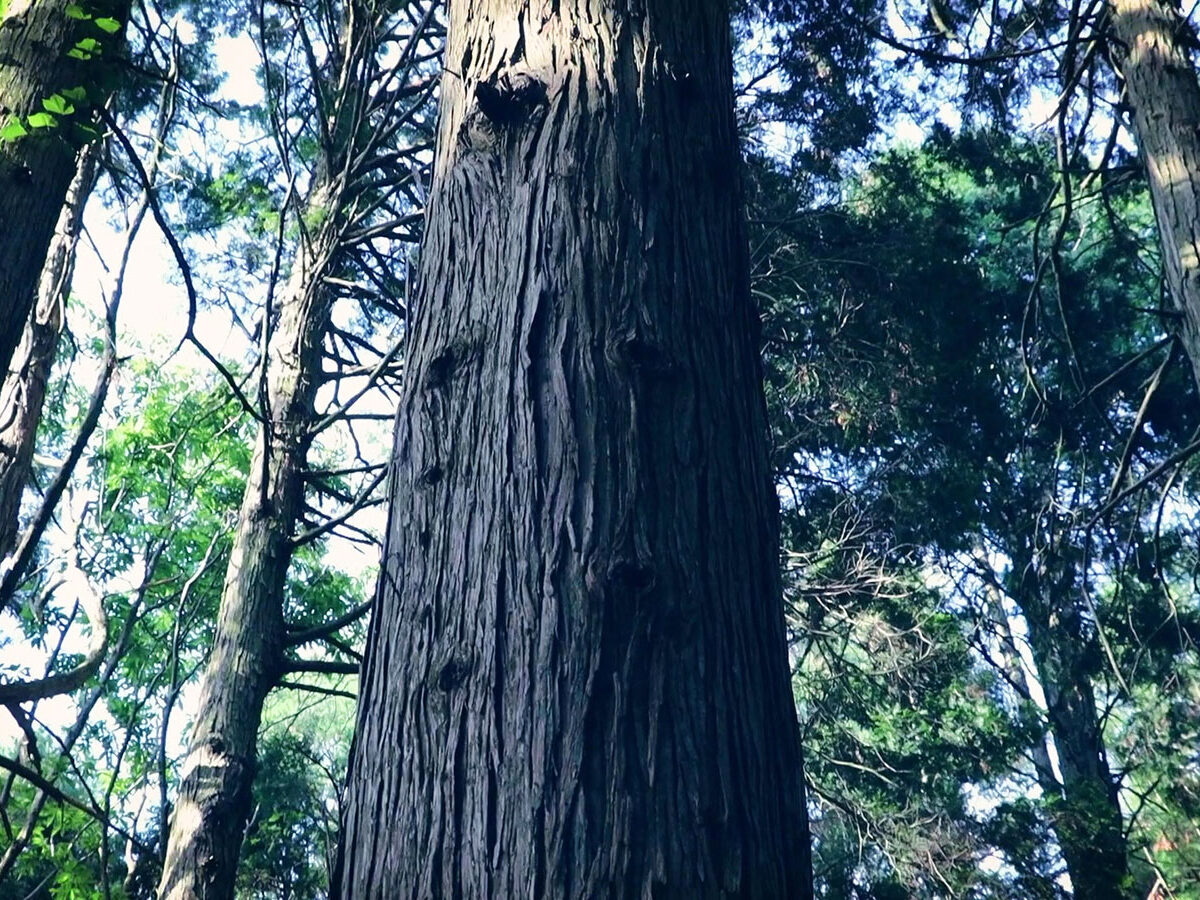
The Japanese climate, characterized by its distinct seasonal shifts, produces timber with dense, resilient fibers. For centuries, Japanese artisans—the daiku—have refined techniques to harness these properties. By utilizing joinery methods that eschew nails and glues, these craftsmen create structures that are not only flexible enough to withstand seismic activity but also durable enough to last for generations.
Chronology of Craft: From Ancient Shrines to Modern Global Exports
The evolution of Japanese woodworking can be mapped through its enduring impact on both domestic landscapes and the international design market:
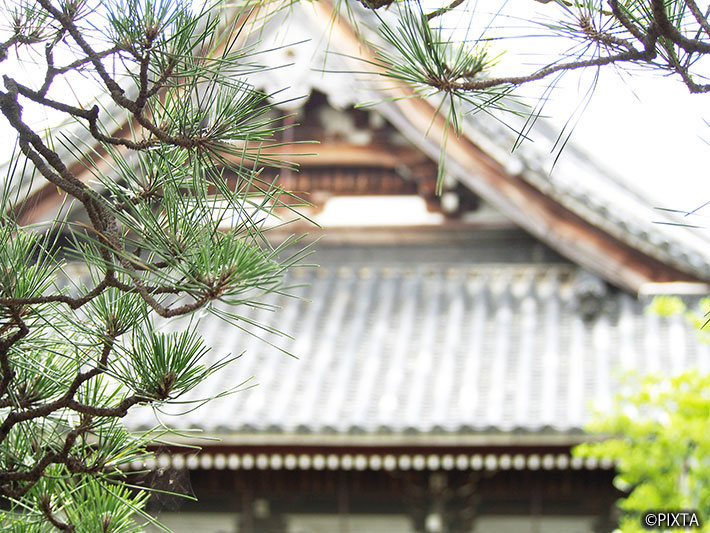
- 7th Century (Asuka Period): The construction of Hōryū-ji marks the beginning of high-level temple carpentry. The introduction of specific joinery techniques allows for massive wooden structures to survive through centuries of humidity and tremors.
- 17th–19th Century (Edo Period): Woodworking becomes a central pillar of urban design. The use of Hinoki (Japanese cypress) and Sugi (Japanese cedar) becomes codified in both residential and public architecture, establishing a sensory connection between interiors and the natural world.
- 20th Century: Japan begins to codify its forestry management, balancing the high demand for timber with the necessity of preserving mountain ecosystems.
- 2024 (Present Day): The Japan Wood Products Export Association (JWPEA) spearheads a global initiative to showcase the versatility of Japanese timber, bridging the gap between traditional craftsmanship and contemporary international architectural standards.
Supporting Data: The Superiority of Native Species
To understand the global appeal of Japanese timber, one must look at the technical specifications of its primary species, as highlighted by industry experts and the recent Japan – Land of Wood documentary.
Hinoki (Japanese Cypress)
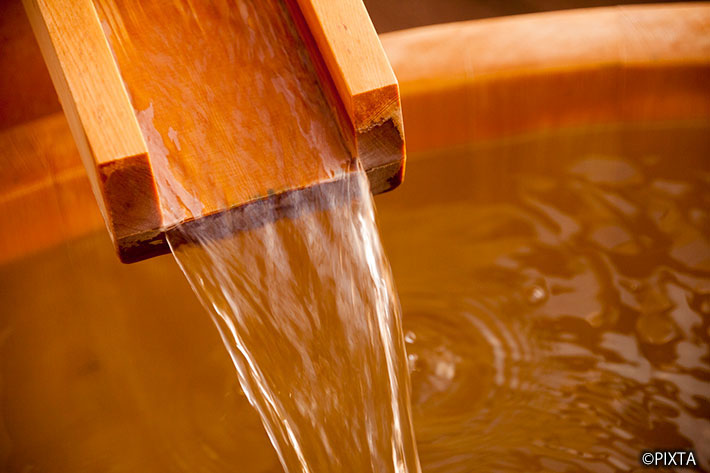
Hinoki is widely considered the "gold standard" of Japanese timber. It is characterized by a high oil content, which provides an inherent resistance to decay and insect infestation. Beyond its durability, its sensory profile is unmatched; the scent of Hinoki is synonymous with the onsen (hot spring) experience, offering a therapeutic aroma that is increasingly sought after in high-end global hospitality design.
Sugi (Japanese Cedar)
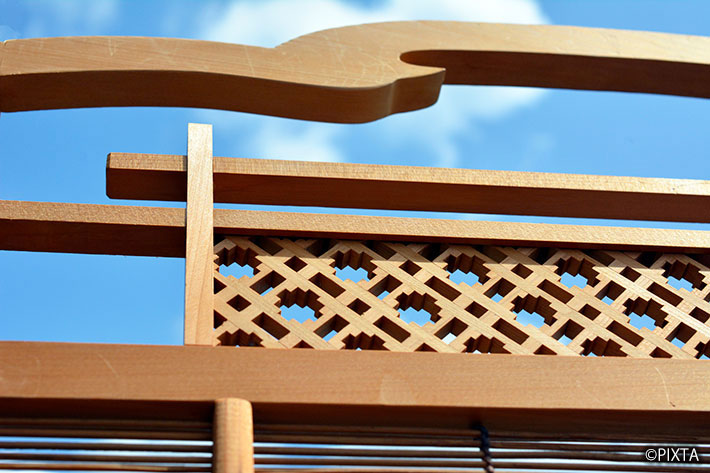
Sugi provides a distinct, warm aesthetic. Known for its soft, lustrous sheen, it is prized for interior paneling and furniture. The wood feels "warm" to the touch, a quality that designers are now utilizing to create more inviting, human-centric living spaces in an era dominated by cold materials like steel and glass.
Official Perspectives: Voices from the Workshop
The recent campaign by the Japan Wood Products Export Association features voices from the front lines of the industry, shedding light on why these materials are capturing the attention of international markets.

The Artisan’s Insight
Lead carpenter Adam Zgola, who has spent years immersing himself in the Japanese tradition, emphasizes the tactile nature of the materials. "Cedar has a gloss so it feels warm," Zgola notes. "Hinoki cypress is cool and lovely. It has lots of oil inside, so it is resistant to insects. You can smell hinoki when you go to hot springs." His testimony highlights that the value of Japanese wood is not merely structural, but experiential.
The Industrial Standard
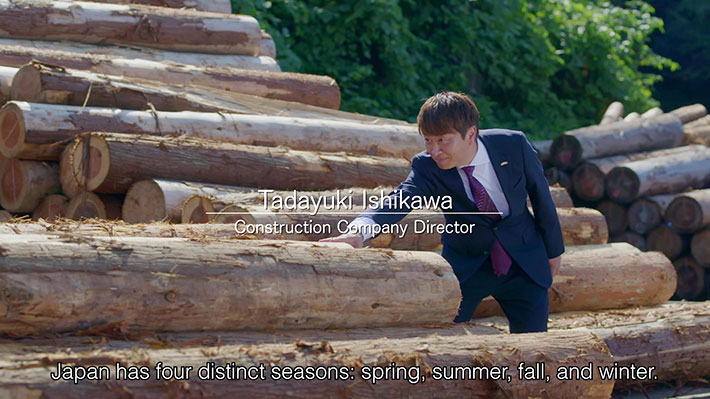
Tadayuki Ishikawa, a director at a prominent construction firm, points to the rigor of Japanese building techniques. "If you look anywhere in the world, the quality of Japanese building techniques is unmatched," Ishikawa asserts. This confidence stems from a culture that values precision down to the millimeter, ensuring that exported wood products meet the highest structural requirements for international construction projects.

The Global Market Perspective
Tiffany Luk, an international sales executive, observes that the shift toward "warm" design is driving a global demand for Japanese aesthetics. "Furniture that combines classic Japanese woodworking techniques with modern designs is gaining interest abroad," says Luk. This trend indicates that the world is moving away from disposable, mass-produced furniture in favor of pieces that tell a story of longevity and craftsmanship.
Sustainability: The Future of Forestry
Perhaps the most significant aspect of the modern Japanese wood industry is its unwavering commitment to ecological stewardship. The narrative of "Japan – Land of Wood" is not just about the beauty of the final product, but the health of the source.
Japanese forestry practices have evolved to emphasize long-term sustainability. By managing forests with a focus on biodiversity and carbon sequestration, the industry ensures that the trees harvested today are part of a regenerative cycle. This is a critical selling point for architects and developers globally who are under increasing pressure to utilize sustainable materials. By choosing Japanese timber, international builders are not just buying wood; they are investing in a system that views the forest as a heritage to be protected rather than a resource to be depleted.
Implications for Global Design
The global adoption of Japanese woodcraft has profound implications for the future of architecture and interior design:
- Biophilic Design: The integration of natural wood into interior spaces is proven to reduce stress and improve mental well-being. As urban centers become more crowded, the "warmth" of materials like Sugi offers a vital psychological anchor.
- Seismic Resilience: As climate change leads to more volatile weather patterns and, in some regions, an increase in seismic instability, the flexible joinery techniques of Japan offer a blueprint for safer, more resilient housing.
- The "Slow Design" Movement: Similar to the slow food movement, there is a growing global trend toward "slow design"—products that are meant to last a lifetime. Japanese wood, which improves in character as it ages, fits perfectly into this philosophy.
- Cultural Diplomacy: Through the export of its timber and techniques, Japan is participating in a form of soft power. By sharing its architectural heritage, Japan is helping to shape the aesthetic and environmental values of cities from London to New York to Singapore.
Conclusion: An Invitation to Experience the Tradition
The Japan Wood Products Export Association’s latest initiative serves as an invitation for the world to reconsider its relationship with the built environment. As we move toward a future that demands both environmental responsibility and human comfort, the wisdom embedded in Japan’s wooden architecture provides a clear path forward.
Whether it is the scent of a Hinoki bath, the structural integrity of a cedar-framed house, or the sheer artistry of a hand-crafted table, Japanese wood offers a connection to nature that is increasingly rare in the digital age. By incorporating these materials into our homes and workplaces, we are not just decorating our spaces—we are participating in a tradition that honors the life of the tree, the skill of the artisan, and the future of our planet.

As the world continues to discover the elegance and utility of Japanese wood, one thing remains clear: the ancient wisdom of the Japanese carpenter is more relevant today than ever before. It is a bridge between the past and the future, built one grain at a time.


 Neng Nana