

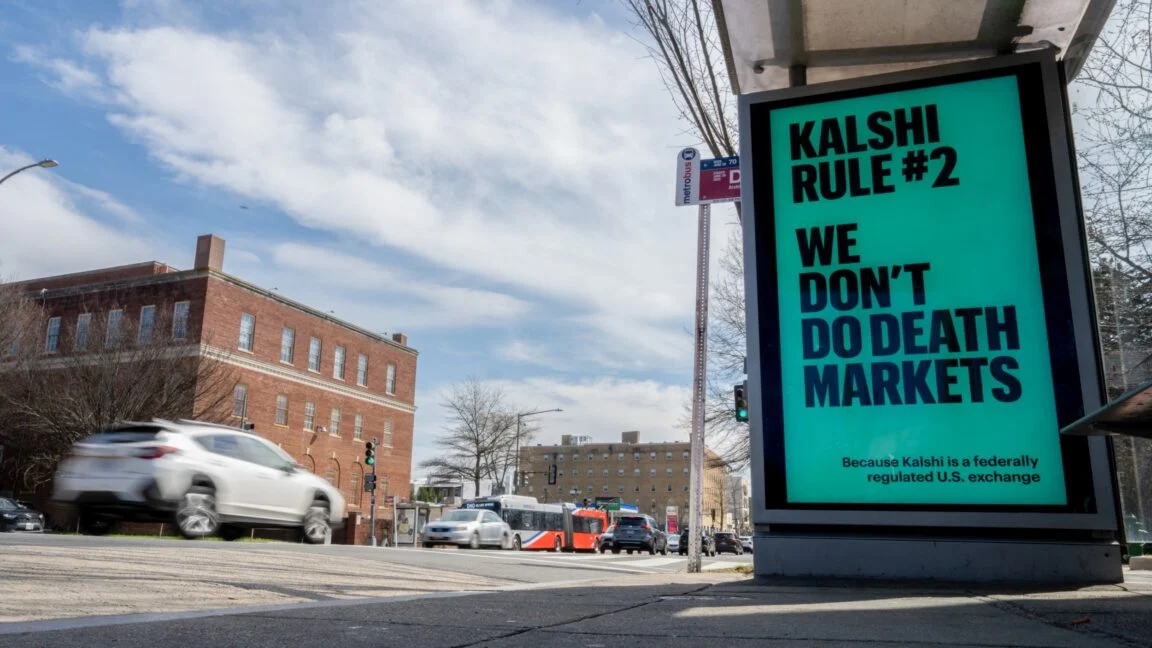
In a significant escalation of the ongoing struggle over the regulation of decentralized financial instruments, the Trump administration has launched a formal lawsuit against the State of Minnesota. The legal action, filed in the U.S. District Court for the District of Minnesota, seeks to block the first-of-its-kind state law that places an outright ban on "prediction markets"—platforms where users wager on the outcomes of future events ranging from election results and court verdicts to weather patterns and pop culture milestones.
The lawsuit, brought by the U.S. Commodity Futures Trading Commission (CFTC), asserts that Minnesota’s new legislation is an overreach that attempts to dismantle a federal regulatory framework established more than half a century ago. As the August 1 effective date for the Minnesota law approaches, the conflict has moved to the federal judiciary, setting the stage for a landmark ruling on whether states possess the authority to prohibit financial derivatives that the federal government deems legal.
A Chronology of the Conflict
The tension between state regulators and prediction market operators has been brewing for years, but the situation reached a breaking point this week.
- April 2026: In a pivotal win for the industry, the U.S. Court of Appeals for the 3rd Circuit ruled that sports-related event contracts on platforms like Kalshi are effectively "swaps" traded on a CFTC-licensed exchange. The court held that the CFTC maintains exclusive jurisdiction, effectively preempting state gambling laws.
- May 18, 2026: Minnesota Governor Tim Walz signed legislation into law that categorized the creation, operation, or advertisement of prediction markets as a felony. This legislation represented the most stringent state-level crackdown in the nation.
- May 19, 2026: The CFTC filed a lawsuit in the U.S. District Court for the District of Minnesota, seeking both preliminary and permanent injunctions to prevent the state from enforcing the ban.
- Present: The legal community is now awaiting a decision on whether the federal government’s classification of these contracts as "swaps" will hold up in the 8th Circuit, potentially overriding the Minnesota statute.
The Regulatory Tug-of-War: CFTC vs. State Sovereignty
At the heart of the litigation is the definition of a "prediction market." Under the new Minnesota statute, these are defined as systems that allow individuals to place wagers on the future outcome of events not determined by the participants, including elections, assassinations, and civil litigation.
The CFTC argues that the Commodity Exchange Act (CEA) provides the agency with "exclusive jurisdiction" over designated contract markets (DCMs). Because platforms like Kalshi and Polymarket are registered with the CFTC, the federal agency contends that state laws are constitutionally preempted. CFTC Chairman Michael Selig expressed sharp criticism of the Minnesota law, stating, "This legislation turns lawful operators and participants in prediction markets into felons overnight. Minnesota farmers have relied on critical hedging products on weather and crop-related events for decades to mitigate their risks. Governor Walz chose to put special interests first and American farmers and innovators last."
Conversely, Minnesota Attorney General Keith Ellison has vowed a vigorous defense of the state’s right to protect its citizens. "I’m very concerned about the harms of prediction markets on Minnesotans," Ellison stated. "Prediction markets are designed to be addictive and prey especially on young people and low-income folks. They help the ultra-rich get richer and the rest of us get poorer."
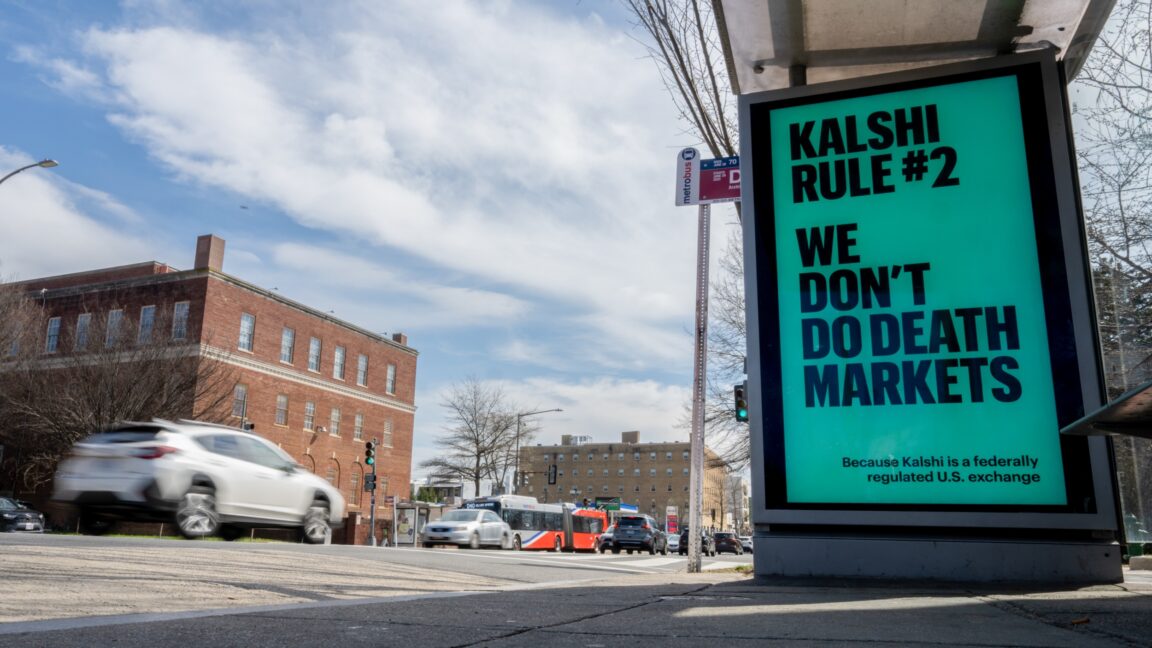
Supporting Data: Are These Swaps or Gambling?
The legal crux of the case hinges on whether event contracts qualify as "swaps" under the Commodity Exchange Act. The act defines a swap as any agreement or transaction that is "dependent on the occurrence, nonoccurrence, or the extent of the occurrence of an event or contingency associated with a potential financial, economic, or commercial consequence."
If a judge rules that these contracts are swaps, they fall under the federal purview, and state gambling laws are effectively neutralized. However, the legal landscape is currently fragmented.
In the case of Crypto.com v. Nevada, a federal judge ruled that event contracts do not constitute "swaps," siding with the state’s argument that they are merely sports wagers subject to state gaming control boards. This decision created a split in federal jurisprudence, prompting the CFTC to file amicus briefs in the 6th and 9th Circuits and the Supreme Judicial Court of Massachusetts to ensure consistency in its regulatory authority.
The Political Dimension: Ethics and Influence
The debate is further complicated by the intersection of high-stakes finance and political ethics. Recent controversy has erupted in Washington regarding the participation of government officials in these markets. Following reports of congressional candidates betting on their own election outcomes and a U.S. Army soldier being arrested for insider trading related to Polymarket bets, the U.S. Senate voted to ban its members from participating in prediction markets.
Senator Alex Padilla (D-Calif.) has been a vocal critic, calling for stricter legislation to prevent administration officials from leveraging classified or insider knowledge for profit.
Despite the CFTC’s aggressive push against state bans, political observers note that the Trump administration’s stance may be nuanced. Donald Trump Jr. serves as a strategic advisor to both Kalshi and Polymarket, and his venture capital firm has invested in the latter. This creates an optics challenge for the administration, as it attempts to balance its free-market, deregulation-heavy ideology with concerns over the perceived "shadowy" nature of these platforms.

Implications for the Future of Financial Regulation
The outcome of the Minnesota case will have far-reaching implications for the future of digital finance and state-federal relations.
1. The Erosion of State Authority
If the federal courts consistently rule that the CFTC has exclusive jurisdiction, it would effectively strip states of their ability to regulate any form of derivative trading. For states like Minnesota, this means they would be unable to protect their residents from platforms they deem predatory or addictive, regardless of their own legislative priorities.
2. Market Legitimacy
Should the CFTC successfully strike down the Minnesota law, it would provide a massive stamp of legitimacy for the prediction market industry. It would signify that these platforms are not mere casinos but integral parts of the U.S. financial ecosystem, similar to commodities or stock exchanges.
3. Protection vs. Innovation
The fundamental tension—protection of the vulnerable versus the freedom to innovate—will continue to define the digital age. Rep. Emma Greenman, the architect of the Minnesota bill, frames the issue as one of social morality: "It is critical we act this year to address this explosion of gambling on almost anything and rein in these Big Tech billionaires who skirt the law to circumvent our state authority and hurt our children just to line their own pockets."
The proponents of these markets, however, argue that the information captured by prediction markets—"wisdom of the crowd" data—is a public good that provides more accurate forecasting than traditional polls or expert analysis.
As the case moves forward, the District Court for the District of Minnesota will have to navigate a complex thicket of constitutional law, financial theory, and public policy. For now, the August 1 deadline looms, serving as a ticking clock for both the state of Minnesota and the operators of the nation’s most controversial prediction markets. The eventual ruling will likely dictate whether these platforms become a permanent fixture of the American financial landscape or are relegated to the fringes of the underground economy.












No comments yet. Be the first to join the conversation!