Nana Wu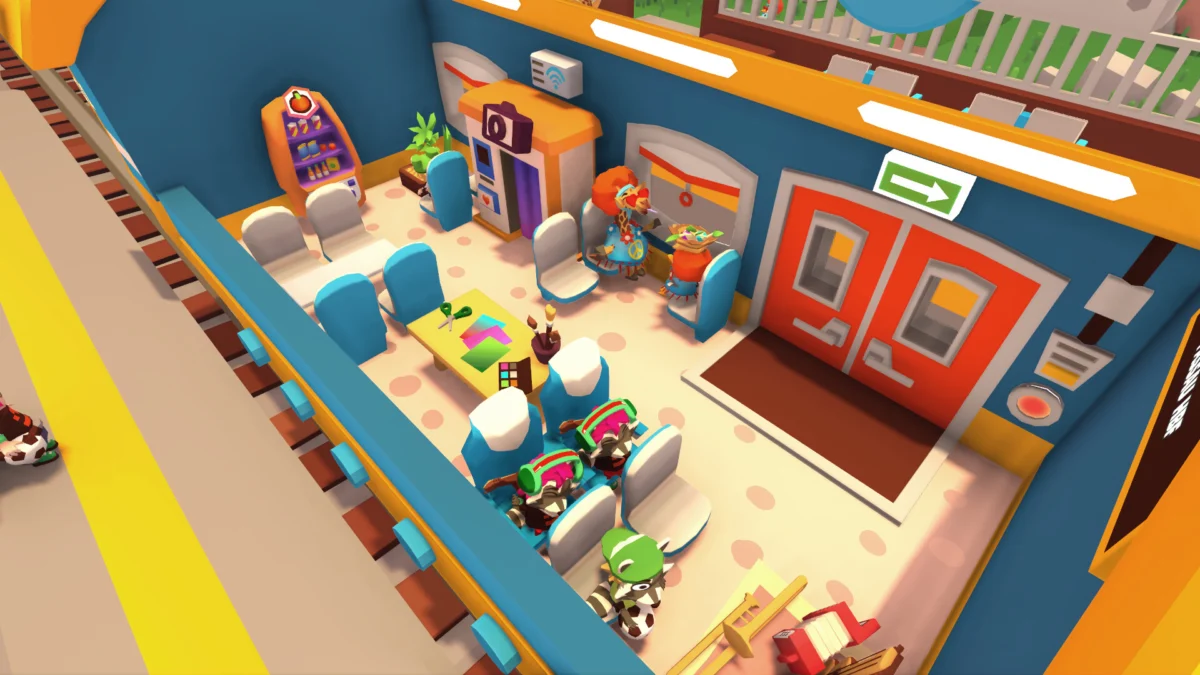
In the ever-evolving landscape of indie simulation games, few titles manage to blend logistics, spatial reasoning, and aesthetic charm quite like Train Jumble. Currently in development, this title invites players to step into the role of a train conductor and carriage manager, tasked with the Herculean effort of maintaining a high-quality travel experience across the scenic, winding railways of Europe. At its core, Train Jumble is a high-stakes puzzle game that demands both long-term strategic planning and split-second decision-making. As passengers board at various stops, each with their own unique temperaments, preferences, and social requirements, the player must orchestrate a delicate balancing act to maximize profits and passenger satisfaction.
The Core Concept: Logistics Meets Personal Preference
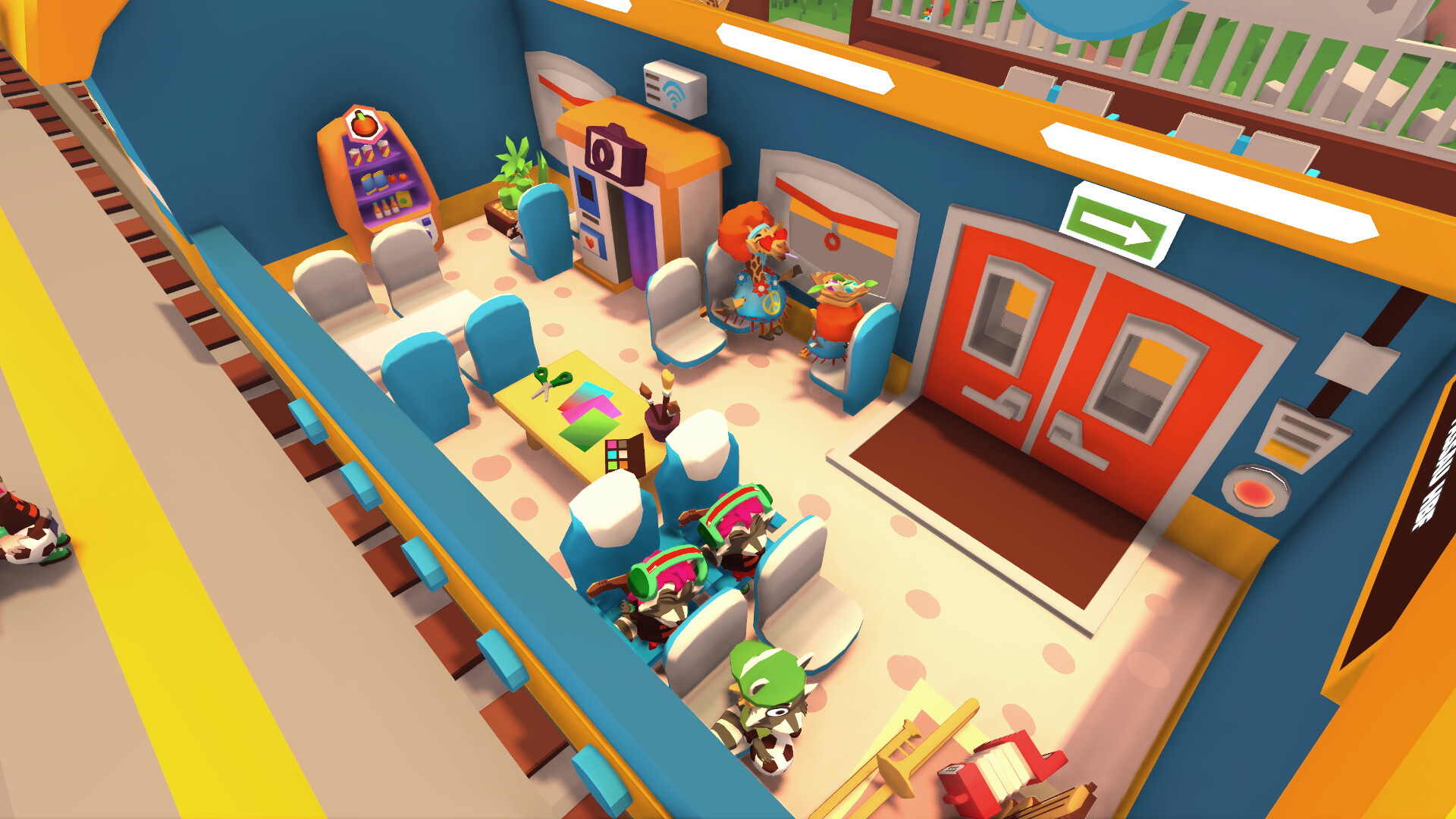
At the heart of Train Jumble is a deceptively simple premise: keep the passengers happy, and the money will follow. Upon reaching a station, a new wave of travelers boards the locomotive, each displaying a set of visual indicators above their heads that signal their immediate needs or social requirements. These can range from a desire for a window seat to a preference for sitting near specific types of people or proximity to onboard amenities like crafting tables.
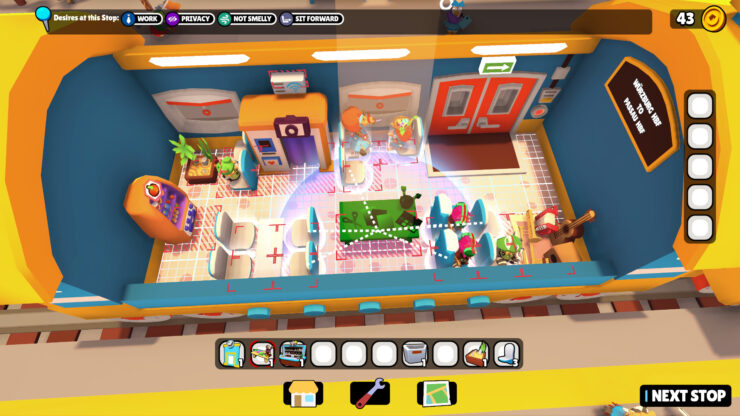
The challenge, however, lies in the execution. Once the passengers are on board, the train becomes a shifting grid of human—or in some cases, humanoid animal—needs. When a player selects a passenger to move them to a new seat, the interface provides immediate visual feedback; seats glow in different colors to indicate whether the chosen passenger would be pleased or irritated by their potential placement. This mechanic forces the player to constantly reassess their seating chart, as placing one happy passenger might inadvertently alienate a neighbor who prefers solitude or a different environment entirely.
Strategic Preparation: The Pre-Departure Phase
Success in Train Jumble is rarely the result of reactive gameplay alone; it is won in the quiet moments before the train departs. Before each leg of the journey, players are granted access to a shop where they can purchase equipment and furniture to outfit their carriages. This phase is crucial, as the inventory acquired must last for the duration of the route.
Because space is a premium commodity on a train, the game introduces a significant layer of resource management. Players must weigh the cost of high-end amenities—like specialized workstations—against the limited floor space available. Should you buy that extra bench to accommodate more passengers, or invest in a luxury item that will satisfy a smaller, high-paying group of travelers? These decisions are compounded by the fact that different routes present varying degrees of difficulty. A short, simple route might require minimal preparation, while longer, more complex journeys across Europe will test the player’s ability to anticipate the fluctuating needs of a diverse crowd. The game forces a "prepare or perish" mentality, where an ill-equipped train will quickly lead to plummeting satisfaction ratings and, consequently, a lack of funds to upgrade for future levels.
Chronology of a Journey: From Platform to Destination
The gameplay loop of Train Jumble follows a distinct, rhythmic structure that mirrors the real-world experience of rail travel, albeit with a significantly more chaotic flair.
- The Planning Stage: Players select their route and visit the shop. This is where the long-term strategy is set. Players analyze the potential passenger demographics for the upcoming route and curate their carriage loadout accordingly.
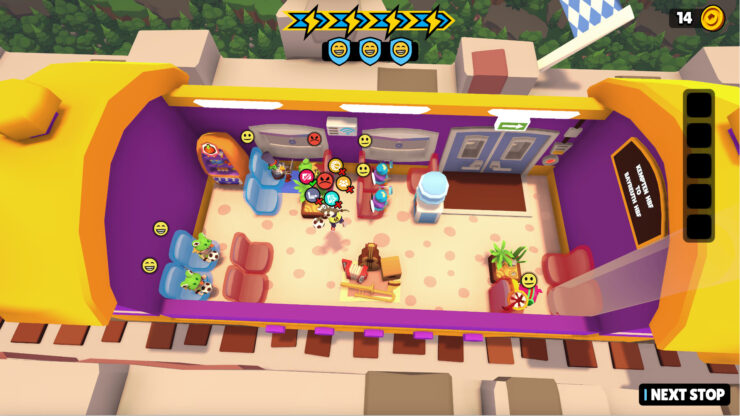
- The Boarding Phase: As the train pulls into a station, the chaos begins. Passengers flood the platforms, and the player is given a glimpse into their requirements. The pressure is on to load them efficiently while trying to fulfill their seating preferences immediately.
- The Transit Phase: Once the train is in motion, the game transforms into an active puzzle. This is where the bulk of the "jumble" occurs. Players must shift passengers around, reacting to the ripple effects of every movement. If you move a passenger to accommodate a window-seat request, you might disrupt a nearby passenger who was perfectly content.
- The Financial Review: Upon arriving at the final destination, the player is rewarded based on the collective happiness of their passengers. Tips are the primary source of revenue, which are then reinvested into better equipment, allowing for more complex configurations in the next, more challenging, level.
Supporting Data: Why Spatial Awareness Matters
The mechanics of Train Jumble are grounded in the psychological concept of social spacing. By forcing players to consider not just individual needs but also "inter-passenger" dynamics, the developer has created a system that feels remarkably dense despite its colorful, approachable exterior.
According to early playtests and developer insights, the game’s complexity scaling is tied directly to the "crowd density" variable. As the train fills up, the margin for error shrinks. In early levels, moving a passenger is a simple task with few consequences. In later stages, a single misplaced passenger can cause a chain reaction of dissatisfaction, leading to a "domino effect" where the entire carriage’s mood turns sour. This spatial puzzle element turns the game from a standard management simulator into a high-intensity optimization challenge.
Official Perspectives and Development Insights
While the game is still in active development, the team behind Train Jumble has emphasized that the goal is to create a "tactile, living, and breathing train experience." In a recent overview, the developers highlighted that the strange placement of items—like crafting tables in the middle of a seating area—is a deliberate choice designed to break the player’s expectations of traditional transport. By making the environment feel slightly surreal, they encourage the player to view the train not as a static vehicle, but as a dynamic, modular puzzle board.
The developers have also hinted that the "randomized" nature of passenger requirements ensures that no two playthroughs are identical. Even on the same route, a different mix of passengers can completely change the required strategy, preventing the game from becoming a memorization exercise.
The Implications for the Simulation Genre
Train Jumble represents a growing trend in the indie scene: the "micro-management" puzzle. Rather than managing a massive city or an entire railway empire, players are tasked with managing a single, contained space. This creates an intimate, high-frequency gameplay loop that is perfect for short sessions, yet deep enough to sustain long-term engagement.
If Train Jumble succeeds, it may signal a shift in how simulation games handle user agency. By focusing on the "jumble"—the friction between different requirements—it highlights the beauty of conflict in game design. The game essentially asks: "How much chaos can you handle before the system breaks?" This is a compelling question that keeps players coming back to the platform, eager to refine their strategy, optimize their carriage, and finally earn that perfect five-star rating from their digital passengers.
Looking Ahead: What’s Next for the Conductor?
As the community eagerly awaits the full release of Train Jumble, the current demo serves as a perfect microcosm of what is to come. For those who enjoy the feeling of "controlled chaos," the game provides a satisfying outlet. The ability to trial the mechanics via the Steam demo allows players to get a feel for the unique, slightly eccentric logic of the game’s world.
While the "strangeness" of the activities mentioned by early reviewers might be off-putting to those seeking a realistic train simulator, it is precisely what gives Train Jumble its distinct personality. It is not trying to be a train driver sim; it is trying to be a social engineering puzzle.
For now, players can add the title to their wishlists on Steam. As development continues, we can expect further updates regarding new carriage types, more diverse passenger archetypes, and perhaps even more bizarre amenities to place alongside those ever-important crafting tables.
Whether you are a fan of traditional management games or simply looking for a fresh, colorful, and mentally stimulating puzzle experience, Train Jumble is shaping up to be one of the most intriguing indie projects of the coming year. The tracks are laid, the passengers are waiting, and the station clock is ticking—are you ready to start your journey?
About the Author
Jupiter Hadley is a prolific indie game journalist, writing for major outlets including Metro UK and Big Boss Battle. With a career dedicated to highlighting the most innovative, creative, and "hidden gem" titles in the independent scene, she brings a deep understanding of game design to her coverage. Through her work with indiegamejams.com and her extensive YouTube channel, she continues to support the developers who keep the spirit of creative risk-taking alive in the gaming industry.


 Nana
Nana
 Ammar Sabilarrohman