Ammar Sabilarrohman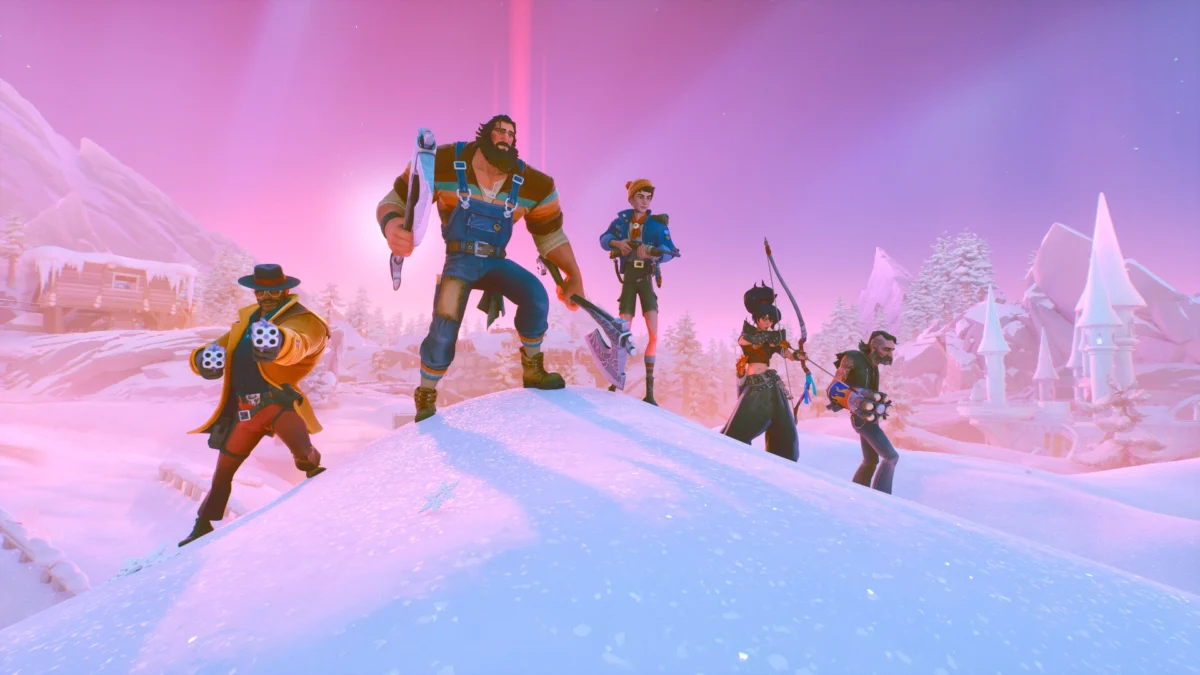
In the high-stakes arena of modern competitive gaming, the "hero shooter" genre has become notoriously difficult for independent developers to penetrate. Following a challenging launch period, Night Street Games, the developer behind the recently released title Last Flag, has confirmed a workforce reduction. This decision comes despite previous assurances to the player base that the game would remain active and supported.
The news, confirmed via LinkedIn by Executive Producer Jonathan Jelinek, highlights the stark disconnect between the creative aspirations of indie studios and the brutal financial realities of the current gaming market. As the studio pivots to a survival-oriented development model, the gaming community is left to contemplate the viability of premium-priced, non-live-service multiplayer titles in an ecosystem dominated by industry giants.
Chronology of a Turbulent Launch
The trajectory of Last Flag has been one of rapid peaks and troughs, characteristic of the volatile nature of Steam-based indie releases.
The Initial Vision
When Night Street Games announced Last Flag, the marketing strategy was explicitly positioned as a counter-culture movement against the industry standard. Eschewing the "Games as a Service" (GaaS) model that relies on predatory microtransactions, rotating battle passes, and artificial engagement loops, the studio pitched Last Flag as a "complete" experience. By offering a one-time purchase model, they sought to build a sustainable, community-focused audience that valued game design over progression grind.
The Launch and Stagnation
Upon its arrival on the Steam storefront, Last Flag was met with a tepid market reception. While the developers cited a desire to match the "heart" of AAA titles without the scale, the financial metrics told a different story. Steam charts, which serve as the primary barometer for the health of multiplayer-only titles, indicated that the game failed to capture the necessary player density to maintain a healthy matchmaking environment.
The "Not Going Anywhere" Promise
At the beginning of the current month, following an internal assessment of the game’s performance, Night Street Games officially announced a halt to major content production. In an attempt to maintain community confidence, the studio issued a statement declaring, "Last Flag isn’t going anywhere." They pledged to continue supporting the game with minor patches, including a roadmap for a tenth character, new maps, and additional game modes, promising that the project would not be abandoned.
The Reality of Downsizing
Barely days after these assurances, the studio was forced to reconcile its public promises with its private financial health. The confirmation of staff layoffs, described by Jelinek as a "reduction" due to a lack of anticipated financial success, signals that the studio’s internal capacity to deliver even these "minor" updates is now in question.
Supporting Data: The Indie Hero Shooter Dilemma
The struggle faced by Night Street Games is not an isolated incident; it represents a broader systemic issue within the indie sector. The hero shooter genre is currently dominated by titans such as Overwatch 2, Valorant, and Apex Legends. These titles possess near-infinite marketing budgets, established esports ecosystems, and, most importantly, the "network effect"—a phenomenon where players gravitate toward games with the largest existing player bases to ensure quick matchmaking and social interaction.
The Price-Point Barrier
Last Flag attempted to differentiate itself by being a premium product. In an era where the market is saturated with free-to-play competitors, a paid entry fee—even one considered "affordable"—creates a significant friction point for new players. Without the backing of a major publisher, gaining visibility on digital storefronts like Steam is increasingly difficult, and conversion rates for indie multiplayer titles often fall below the thresholds required to recoup initial development costs.
Unreal Engine Talent in Flux
The layoffs specifically impact Unreal Engine developers—a high-demand demographic within the industry. By publicly advocating for their former employees on LinkedIn, Night Street Games is attempting to mitigate the damage caused by the layoffs. However, the loss of these developers creates a "brain drain" scenario, where the institutional knowledge required to fix bugs, optimize performance, and implement the promised content updates is severely diminished.
Official Responses and Studio Stance
The communication strategy employed by Night Street Games has been characterized by a blend of radical transparency and desperate optimism.
In his LinkedIn post, Executive Producer Jonathan Jelinek did not mince words regarding the necessity of the cuts. "Some exceptionally talented developers were affected by this decision," he noted. "If you or your company are seeking experienced Unreal Developers who contributed to our project, please reach out." This direct appeal serves as both an act of professional support for his staff and an admission of the studio’s current inability to sustain its previous headcount.
The earlier official statement from the studio on the Last Flag Steam news hub remains a poignant artifact of their original intent. The studio wrote: "As an indie studio, we knew that we couldn’t possibly match the pace and scale of the AAA competition, so we didn’t build a ‘live service’ free-to-play game… The faith that the community put into our shared dream means everything to us, so we’re going to make sure that the game doesn’t disappear."
This juxtaposition—the promise of a persistent, community-first experience versus the reality of a shrinking team—creates a sense of uncertainty for those who did invest in the game.
Broader Implications for the Industry
The failure of Last Flag to secure a foothold raises uncomfortable questions about the future of independent multiplayer development.
The Sustainability of "Anti-Live Service"
While many players express fatigue with microtransactions and battle passes, the commercial failure of Last Flag suggests that the market may not yet be ready to fully embrace an alternative model for multiplayer-only games. The high cost of maintaining server infrastructure, providing ongoing technical support, and producing content means that games without a recurring revenue stream often have a very short "runway" if they do not achieve instant, massive popularity.
The "Indie" Risk Profile
Investors and independent publishers are likely to become even more risk-averse following cases like this. For developers, the takeaway is increasingly clear: entering a crowded, competitive genre without a massive marketing budget or a unique, "viral" hook is a high-risk venture that can lead to rapid burnout and organizational collapse.
Community Trust and Communication
The incident also highlights the difficulty of managing community expectations. By promising that the game was "not going anywhere," the studio inadvertently set themselves up for a secondary wave of criticism when they were forced to reduce staff shortly thereafter. In the gaming industry, communication regarding layoffs is a delicate balancing act; providing too much detail can cause panic, while providing too little can make a studio appear dishonest.
Conclusion: A Precarious Future
As Night Street Games moves forward with a reduced team, the future of Last Flag remains in a state of suspended animation. While the servers remain online and the studio has expressed a commitment to delivering planned content, the path forward is fraught with obstacles.
The story of Last Flag is a microcosm of the modern indie game development landscape: a mix of passion, high-quality technical craft, and a fundamental mismatch between the product and the market. For the developers who have been laid off, the focus shifts to finding new roles within an industry that is currently seeing a wave of contraction. For the players, the situation serves as a stark reminder that in the world of online gaming, even the most promising and well-intentioned projects are subject to the cold, unforgiving mathematics of the bottom line.
Whether Last Flag can survive as a niche, community-driven project or whether it will eventually join the ranks of "abandoned" multiplayer titles remains to be seen. What is certain, however, is that the industry’s reliance on massive player bases to sustain multiplayer experiences leaves little room for the "indie heart" that Night Street Games sought to champion.


 Basiran
 Ali Ikhwan