

Platform: Windows | Crowdfunding Campaign Ends: May 17, 2026
Space: the final frontier. It is a vast, cold expanse usually reserved for interstellar warfare, grand political intrigue, or the desperate struggle for survival. But for Jobert—a space-faring cub of indeterminate but undeniably adorable species—the cosmos is merely a backdrop for a much more grounded, chlorophyll-rich objective. Jobert is on a mission to find the perfect houseplant, and in the charming, Earthbound-inspired RPG Petrichor, that quest might just save the universe.
As the crowdfunding campaign enters its final stretch, Petrichor has emerged as a beacon of creative, stylized indie development. By eschewing the grimdark tropes of modern space epics, the developers have crafted a surreal, vibrant, and deeply endearing adventure that is capturing the imaginations of turn-based RPG fans worldwide.
The Core Concept: A Quest for Greenery
At its heart, Petrichor is a love letter to the quirky, off-beat charm of classic 16-bit role-playing games. The narrative begins on a tiny, beleaguered planetoid plagued by a trifecta of terrestrial terrors: seismic activity, aggressive monsters, and, perhaps most offensive of all, an inexplicable and pervasive foul odor.
While the world spirals toward an existential crisis, Jobert remains focused on the essentials. Awakening one morning to the realization that his home lacks the aesthetic perfection of a high-quality houseplant, he embarks on a journey that transcends the mundane offerings of terrestrial garden centers. This isn’t a story of chosen heroes prophecying the defeat of a dark lord; it is a story of a pup, his eccentric companions, and a singular, relentless desire to cultivate a better living space. The stakes, however, remain galactic—if Jobert doesn’t fix the cosmic imbalance, there won’t be a universe left to decorate.
Chronology of Development
The trajectory of Petrichor has been one of steady, community-driven momentum. Unlike many projects that languish in obscurity, Petrichor found its audience early.
- Initial Concept Phase: The development team sought to push the boundaries of the RPGMaker MV engine, a tool often criticized for its reliance on stock assets. By choosing to build a custom, hand-crafted visual language, the team set a high bar for their internal development timeline.
- The Announcement & Demo: In early 2026, the team released a vertical slice of the game on Steam. This demo served as the primary proof of concept, showcasing the game’s unique isometric perspective and turn-based combat systems.
- Crowdfunding Launch: The campaign launched with modest goals, quickly surpassing its initial funding target. This success has allowed the team to pivot toward a more ambitious scope.
- Current State: As of May 2026, the project is officially in the "Stretch Goal" phase. The team is currently iterating on content expansions, including a fully realized world map and additional playable planetoids.
Supporting Data: Visuals, Mechanics, and Audio
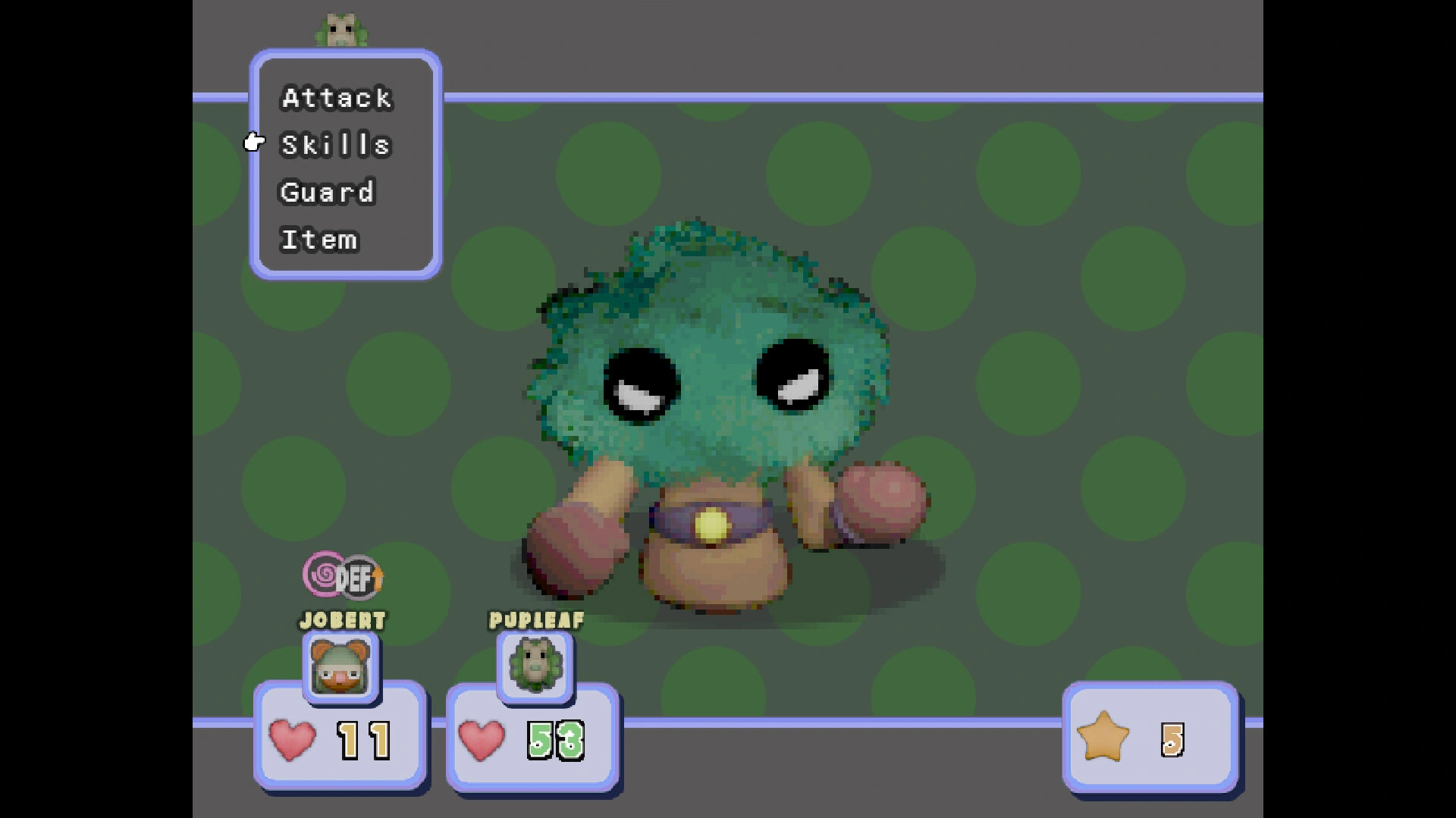
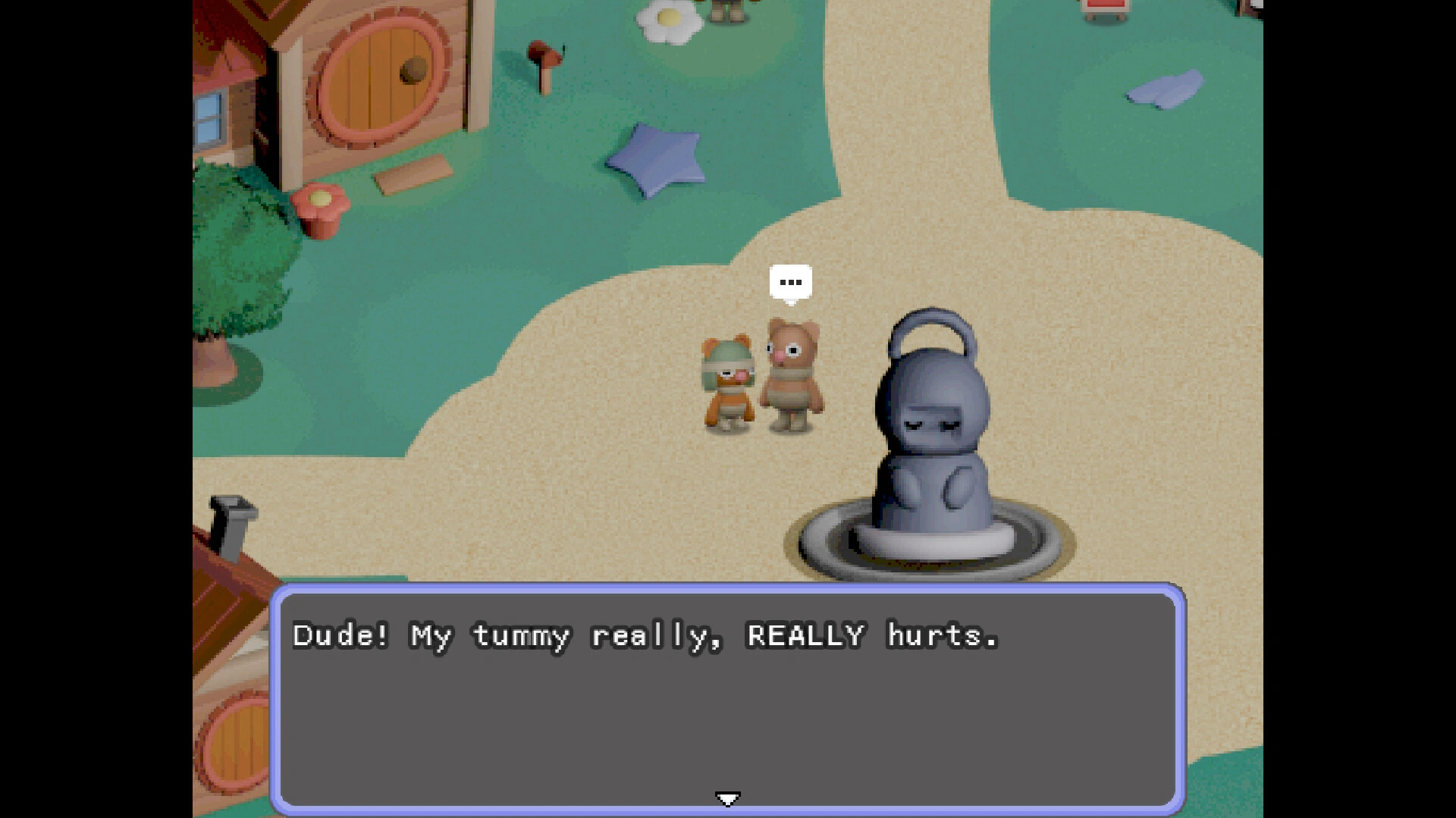
One of the most striking aspects of Petrichor is its visual fidelity. While built on RPGMaker MV, the game bears zero resemblance to the default look associated with that engine. The developers have opted for a pre-rendered 3D aesthetic that evokes the tactile warmth of Claymation or high-end vinyl collectibles. The isometric backdrops are so meticulously detailed that they function as digital dioramas, offering a sense of depth and charm that feels both nostalgic and refreshingly modern.
Combat and Interactivity
The gameplay loop honors the traditions of the JRPG genre while injecting modern kinetic energy. Combat is turn-based, but it utilizes Quicktime Events (QTEs) to reward player reflexes, allowing for bonus damage or tactical advantages.
The item system further reinforces the game’s whimsical tone. Players will find themselves utilizing an unconventional arsenal, including butter knives and health-restoring donuts. The inclusion of such mundane items in a high-stakes cosmic adventure highlights the game’s commitment to subverting expectations.
The Sonic Landscape
The auditory experience of Petrichor is spearheaded by composer hamm_slamm. The soundtrack features an infectious blend of electronic beats that evoke the high-energy, melodic sensibilities of classic anime scores. By integrating synth-heavy tracks that feel simultaneously retro and futuristic, the music provides a rhythmic pulse to the game’s colorful exploration, further immersing the player in its peculiar universe.
Official Responses and Developer Intent
The development team has been remarkably transparent regarding their design philosophy. In various developer logs, they have emphasized that Petrichor is an "anti-grind" experience. They aim to balance the difficulty for newcomers while providing depth for veterans.
Regarding the "Big Boy" mode (the game’s upcoming hard difficulty setting), the developers noted:
"We wanted to ensure that players who seek a challenge have the tools to push their tactical knowledge to the limit, but we never wanted to lose the ‘cozy’ feeling that defines the Petrichor experience. ‘Big Boy’ mode isn’t just about higher enemy health; it’s about demanding more creative usage of our unique item and skill systems."
The team has also addressed the transition from their initial demo to the full release, promising that the final product will feature a more seamless transition between the "exploration" phases of the game and the "combat" encounters, ensuring that the rhythm of the game remains consistent.
Implications: The Indie Landscape
The success of Petrichor on crowdfunding platforms serves as a case study for the current state of indie gaming. It highlights a growing consumer appetite for "cozy" yet mechanically robust RPGs.
Market Positioning
By positioning itself alongside titans like Earthbound, Petrichor signals to the market that it understands its heritage. However, by embracing 3D, hand-crafted aesthetics, it avoids the "retro-clone" trap. This dual approach—honoring the past while innovating visually—is a formula that continues to yield success for independent developers.
The Role of Crowdfunding
For Petrichor, crowdfunding has served as more than just a source of capital; it has been a validation mechanism. The fact that the community has already unlocked stretch goals for a world map and additional planetoids indicates a high level of "buy-in" from the player base. This community engagement is vital for a game that relies so heavily on character-driven charm and world-building.
Conclusion: A Galaxy Worth Saving
As the campaign winds down, the anticipation for the 2026 release of Petrichor continues to build. Whether you are a fan of the turn-based combat of the 90s or simply looking for a game that offers a lighthearted, visually stunning escape, Petrichor represents a unique blend of passion and polish.
The cosmos may be vast, but it is rarely this cute. If you are interested in seeing how Jobert’s search for the perfect houseplant concludes, you can view the campaign page and download the current demo on Steam. The fate of the galaxy—and the quality of Jobert’s home decor—rests in your hands.
Disclaimer: While it is possible some members of the editorial staff at our organization may be backers of the games mentioned in these articles, this does not influence our coverage or our featured game choices. We make our selections based on the active campaigns we feel our readers might find interesting, and we are not given special access or perks by the developers. We believe these titles show significant promise and invite our readers to explore them further.











No comments yet. Be the first to join the conversation!