

Samsung Electronics, the global titan of semiconductor manufacturing and consumer electronics, finds itself in the throes of an unprecedented internal crisis. While the company narrowly avoided a debilitating 18-day strike just days ago, a fragile, tentative profit-sharing agreement has instead ignited a firestorm of dissent among its workforce. This internal friction, stemming from a massive disparity in proposed bonus payouts, has now escalated into a systemic slowdown that threatens to derail the company’s ambitious roadmap for high-bandwidth memory (HBM) production—a critical component in the global AI hardware race.
The Fractured Foundation: A Breakdown of the Dispute
At the heart of the controversy is a compensation package that has effectively polarized the company’s workforce. Under the terms of the tentative deal—which was intended to appease union demands and prevent work stoppages—employees within the memory division are slated to receive staggering bonuses, with some payouts estimated to reach 600 million won (approximately $400,000 USD).
Conversely, employees in the Device eXperience (DX) division—responsible for the company’s consumer-facing products like smartphones, televisions, and home appliances—are looking at a vastly different financial reality, with proposed bonuses totaling only about 6 million won (~$4,000 USD). This hundred-fold difference has been perceived as a profound injustice by those outside the memory unit, leading to widespread resentment and a palpable collapse in operational cohesion.
The deal, which allocates 10.5% of the semiconductor division’s operating profit as stock-based compensation alongside an additional 1.5% in cash, has become a lightning rod for internal frustration. The resulting "work-to-rule" sentiment and general negligence have begun to manifest in the foundry and Test & Package (TSP) divisions, the very units responsible for the back-end processes essential to delivering next-generation HBM4 chips to industry giants like Nvidia.
A Chronology of the Escalation
The current crisis did not emerge overnight; it is the culmination of months of simmering tension regarding how the fruits of the AI boom should be distributed among the company’s 120,000-plus employees.
- Early 2026: As Samsung’s operating profits surged on the back of unprecedented demand for AI-optimized hardware, labor unions began demanding a greater share of the "AI windfall." Comparisons were drawn to competitors like SK Hynix, where employee compensation packages have reached record highs.
- May 2026: Tensions reached a breaking point, with the threat of an 18-day strike looming over the company. The strike represented a potential loss of billions of dollars in revenue and the disruption of global supply chains.
- Mid-May 2026: A last-minute, tentative deal was struck between management and the primary labor union, aiming to avert the strike. However, the details of the deal—specifically the massive bonus gap between divisions—immediately triggered a backlash.
- Late May 2026: A smaller union representing DX division employees filed a court injunction to block the larger union from collective bargaining, claiming it does not represent the interests of the entire workforce. Simultaneously, the membership of this smaller union surged from 3,000 to over 13,000 in a matter of days.
- May 23, 2026: Electronic balloting began for the ratification of the deal. With 43,000 non-memory employees within the DS (Device Solutions) division eligible to vote, the outcome remains highly uncertain as reports of organized "no" votes mount.
The Operational Consequences: HBM4 and the Nvidia Bottleneck
The most alarming aspect of this internal revolt is its direct impact on Samsung’s technical output. The production of High Bandwidth Memory (HBM)—the memory architecture that allows AI accelerators to process massive datasets—is a highly complex, multistage process. It relies on an integrated, turnkey system where the foundry and packaging units must work in perfect synchronization.
According to reports from the Seoul Economic Daily, meetings are being canceled across non-memory and shared business units, and decision-making on mission-critical projects has effectively ground to a halt. This is particularly dangerous for Samsung’s role in the supply chain for Nvidia’s Rubin AI accelerators. As hyperscalers and AI firms scramble to secure hardware, any delay in the TSP (Test & Package) division could prove fatal to Samsung’s market share.
If the testing and packaging lines fail to operate at peak efficiency, the entire output of high-end memory is throttled. This comes at a time when the "Big Three" memory producers—Samsung, SK Hynix, and Micron—are in a high-stakes race to satisfy an insatiable global demand for AI-grade memory. A sustained period of negligence in the verification lines risks damaging long-standing customer relationships and may force major clients to reconsider their reliance on Samsung’s production capacity.
Official Responses and Executive Pressure
The gravity of the situation has not gone unnoticed by Samsung’s upper management. Jun Young-hyun, CEO of the semiconductor division, issued an urgent memo to employees on Thursday, pleading for unity and a return to professional focus. "We must look past the current internal discord to ensure our technological leadership remains intact," the memo reportedly urged.
However, the plea has largely fallen on deaf ears. The rank-and-file workers view the executive team’s focus on "technological leadership" as secondary to the immediate issue of equitable profit sharing. Furthermore, the conflict has moved into the legal arena. The Korea Shareholder Action Headquarters has signaled its intent to initiate legal action, arguing that the massive, profit-linked bonus structure requires formal shareholder approval under South Korean corporate law. This adds a layer of regulatory and shareholder risk that compounds the operational threats already faced by the board.
Implications for the Future of AI Hardware
The implications of this dispute extend far beyond the walls of Samsung’s factories in Suwon and Pyeongtaek.
1. The Stability of the AI Supply Chain
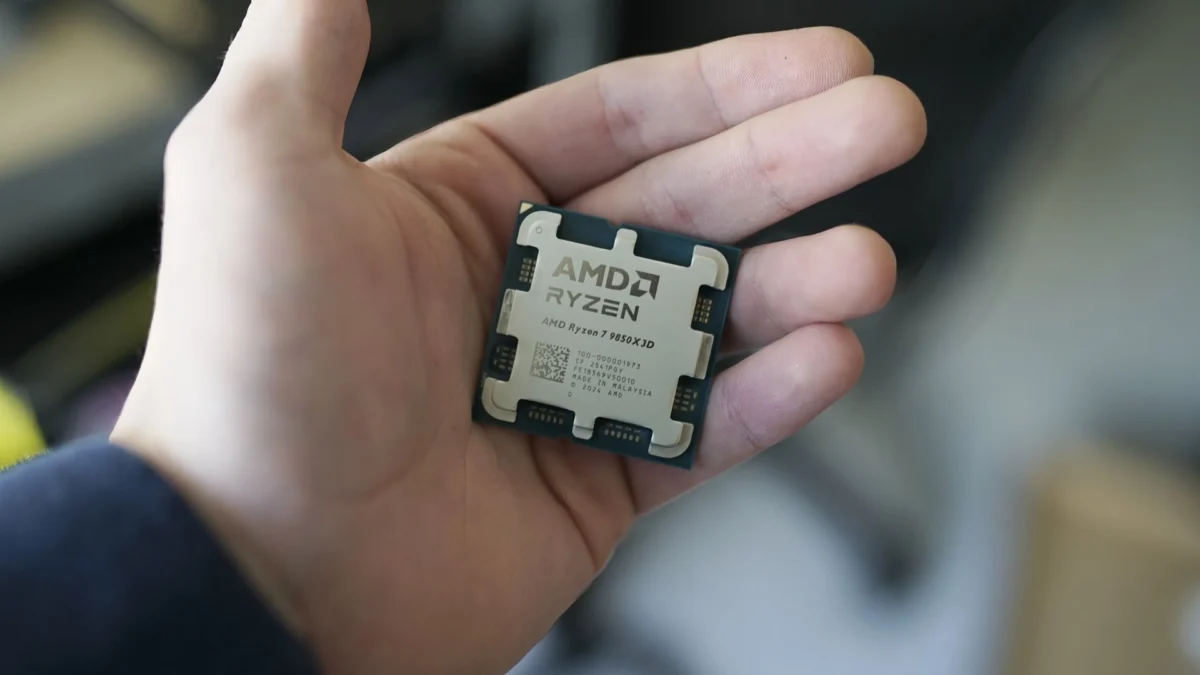
The AI industry is currently characterized by its reliance on a "just-in-time" manufacturing model. Because the demand for HBM is so inelastic, any disruption at the manufacturer level cascades immediately to the GPU designers (like Nvidia and AMD) and ultimately to the cloud service providers (like Microsoft, AWS, and Google). A strike or prolonged work-to-rule scenario at Samsung could cause a global supply shortage, inflating prices and delaying the rollout of next-gen AI infrastructure.
2. The Future of Labor Relations in Tech
Samsung’s traditional top-down management style is being challenged by a newly energized, tech-savvy workforce that is well-versed in the valuation of their own labor. The rise of the DX-division union and their subsequent legal challenges represent a shift in the Korean corporate landscape. The era of unquestioned worker loyalty in exchange for standard benefits appears to be ending, replaced by a demand for transparency and a direct share of the "AI boom."
3. Financial and Market Impacts
With 2026 operating profits projected at a staggering 330 trillion won (~$218 billion), Samsung is on track for a record-breaking year. However, if the current dispute leads to a failure in delivering the next generation of HBM, the company risks losing its premium status. Investors are watching closely; any sign that the internal culture is toxic or that management has lost control of the shop floor could lead to a significant correction in the company’s valuation.
Conclusion: The Path Forward
As the electronic voting process continues through May 27, Samsung finds itself at a crossroads. A ratification of the current deal may solve the immediate threat of a strike, but it will likely leave deep-seated resentment that could continue to stifle productivity for years. Conversely, a rejection of the deal would send the company back to the negotiating table, further delaying production and potentially triggering a more aggressive, organized work stoppage.
The challenge for Samsung’s leadership is no longer just about optimizing silicon yields or mastering the nuances of HBM4 packaging. It is about reconciling the disparate interests of a massive, multinational workforce that has realized its own critical importance in the global AI hierarchy. Whether Samsung can bridge this divide before the "AI windfall" passes them by will be the defining challenge of the 2026 fiscal year. For now, the world’s most advanced memory production lines remain held hostage by a disagreement that, if not resolved with urgency and equity, could rewrite the hierarchy of the semiconductor industry.









No comments yet. Be the first to join the conversation!