

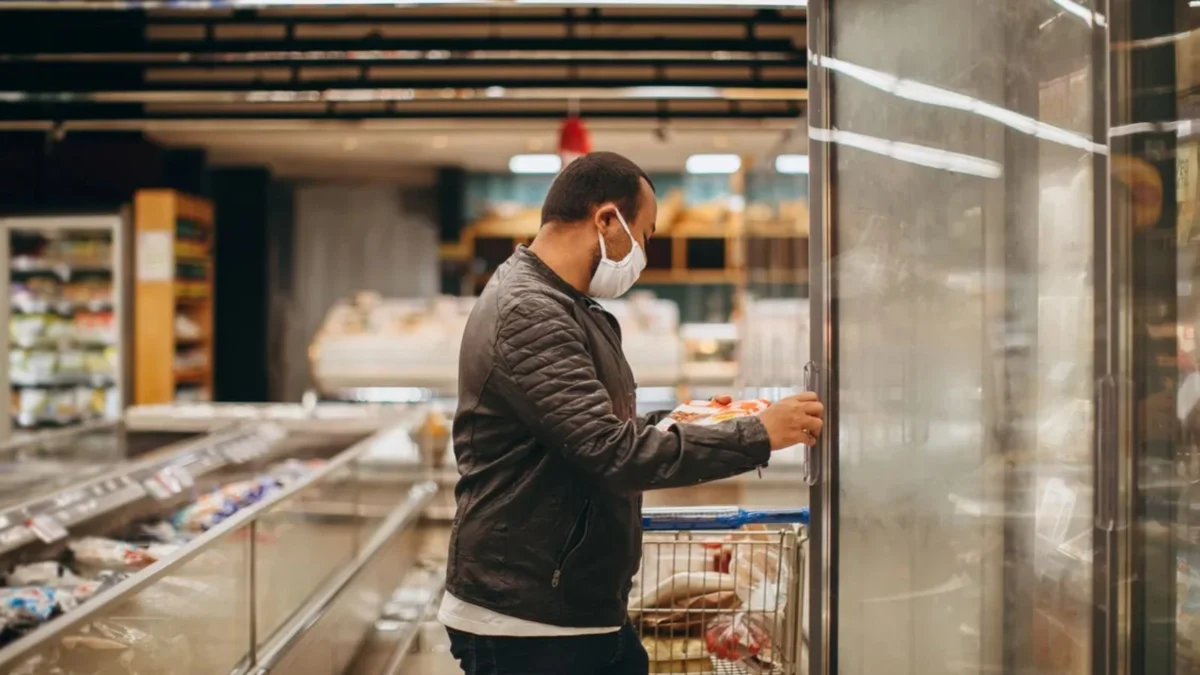
The image has become a jarring fixture of the modern British shopping experience: a humble package of premium sausages or a vacuum-sealed sirloin steak, entombed within a bulky, reinforced plastic shell equipped with GPS tracking technology. For shoppers at the Co-op, one of the UK’s most ubiquitous convenience store chains, this is no longer a localized experiment, but a national standard. As retail crime reaches an unprecedented zenith, the Co-op has begun deploying sophisticated anti-theft technology to protect its inventory, signaling a desperate escalation in the ongoing war between retailers and organized shoplifting syndicates.
The Main Facts: Tracking Meat in the Digital Age
The new security protocols involve placing high-value meat products—ranging from beef joints to gourmet sausages—inside heavy-duty, GPS-enabled plastic containers. These boxes are specifically designed to remain locked until they pass through a designated point-of-sale terminal, where staff can disengage the mechanism. If an individual attempts to leave the store with an unpaid item, the GPS-tracked casing acts as a silent alarm and a deterrent, making the product difficult to conceal and easy to trace.
The rollout has been met with a mixture of concern and resignation from the public. The stark reality of "sausages behind bars" has become a potent symbol of the decline in public order in many British high streets. When Duncan Barkes, host of the Prick With A Fork podcast, shared a photo of these tagged sausages on X (formerly Twitter) with the caption, "Britain has fallen," he captured the collective frustration of a nation witnessing a fundamental change in the social contract of retail.
A Chronology of Escalation: From Chocolate Bars to Beef Joints
The path to the current state of affairs was paved by years of incremental increases in retail theft. The phenomenon of "security packaging" did not emerge overnight; it is the culmination of a decade-long shift in how supermarkets manage loss prevention.
The Early Signs (2020–2023)
Initially, security measures were confined to small, high-value, easy-to-conceal items. Pharmacies and supermarkets began locking up infant formula, premium coffee, and luxury chocolate bars. Cadbury and Lindt products became primary targets, with many stores moving these items behind glass or into locked plastic boxes to thwart "sweep" thefts, where individuals clear entire shelves into bags in seconds.
The Tipping Point (2024)
By 2024, the nature of the theft shifted from opportunistic "crimes of necessity" to organized, large-scale looting. Retailers reported that shoplifters were becoming more brazen, often operating in teams to distract staff while others cleared stock. The sheer volume of theft began to impact the viability of local convenience stores, forcing chains like the Co-op to rethink their defensive strategies.
The Current Deployment (2025–2026)
The transition to GPS-tracked containers for fresh meat marks the current phase of the crisis. No longer content with merely locking items away, retailers are now utilizing geolocation technology to ensure that if a product leaves the building illegally, it remains a liability for the thief rather than just a loss for the retailer.
Supporting Data: The Economics of Retail Crime
The motivation behind these drastic measures is rooted in stark, undeniable data. According to the latest report from the British Retail Consortium (BRC), shoplifting across the United Kingdom reached an staggering 5.5 million known occurrences in the last year alone.
The Financial Toll
The direct financial impact is estimated at upwards of £400 million ($537.6 million) in annual losses. However, the true economic cost is significantly higher when factoring in the cost of security staff, the implementation of CCTV infrastructure, and the administrative burden of filing police reports.
The Human Cost
Beyond the spreadsheets, the BRC’s findings highlight a darker trend: the rise of aggression toward retail workers. The Co-op has reported that their aggressive deployment of security technology—which includes body-worn cameras for staff and more secure, gated checkout zones—has contributed to a 31% decrease in physical assaults on employees. Furthermore, the company has observed a 36% drop in anti-social behavior in stores where these systems are operational, suggesting that the visible presence of technology acts as a powerful psychological deterrent.
Official Responses and Strategic Shifts
The Co-op’s leadership has been transparent about the necessity of these measures. In statements to shareholders and the public, they have emphasized that the goal is not merely to protect profits, but to protect the staff and ensure that their stores remain open in communities that rely on them for daily necessities.
The Role of Technology
The Co-op is investing heavily in "smart" infrastructure. This goes beyond GPS boxes; it includes:
- Body-Worn Cameras: Empowering staff to record incidents in real-time, providing admissible evidence for law enforcement.
- Secure Checkout Zones: Re-engineering store layouts to create "choke points" that make it physically impossible to exit without passing through a monitored area.
- AI-Integrated CCTV: Using facial recognition and behavior analysis to alert security teams to known offenders before they even reach the shelves.
Retail experts argue that this is a necessary evolution. "The days of the ‘open-aisle’ store are being re-evaluated," says retail analyst Marcus Thorne. "When theft reaches a certain threshold, the business model of the convenience store collapses. The Co-op is essentially moving toward a ‘fortress’ model to survive."
Broader Implications: Is the High Street Changing Forever?
The implications of this shift are profound and far-reaching, touching on issues of technology, civil liberties, and the future of the local economy.
The Normalization of Surveillance
The presence of GPS-tracked goods and constant body-cam surveillance creates an atmosphere of suspicion. Critics argue that this constant monitoring erodes the communal trust that once defined the neighborhood corner shop. There is a palpable concern that as technology becomes more invasive, the shopping experience becomes less about convenience and more about compliance.
The "Snail Heist" and Global Trends
The UK is not alone in facing these challenges. The frustration of retailers is a global phenomenon. In 2025, a French snail farm was the victim of a $100,000 heist, where an entire year’s worth of production was stolen ahead of the holidays. This incident underscores that theft is no longer limited to low-value consumer goods; as the cost of living rises, even niche, high-value agricultural products are becoming prime targets for black-market resale.
The Future of Retail
If the current trend continues, we may see a move toward "dark stores" or fully automated, gate-controlled retail spaces where access is granted only to verified customers. The transition from a "grab and go" model to a "secure and verify" model may be the only way for traditional high-street chains to remain profitable in an era of organized, high-volume retail theft.
Conclusion: A Fragile Equilibrium
The Co-op’s decision to lock sausages in GPS-tracked boxes is more than a quirk of modern retail—it is a symptom of a systemic crisis. While the 20% reduction in crime reported by the Co-op provides a glimmer of hope that these measures are working, the broader question remains: what does it mean for society when the basic act of purchasing dinner requires anti-theft technology?
As the UK navigates this period of instability, the supermarket shelf serves as a barometer for the health of the high street. For now, the GPS box is the front line. Whether this leads to a permanent change in how we shop, or a temporary escalation before a more fundamental societal shift occurs, remains to be seen. One thing is certain: the battle for the checkout aisle is far from over.











No comments yet. Be the first to join the conversation!