

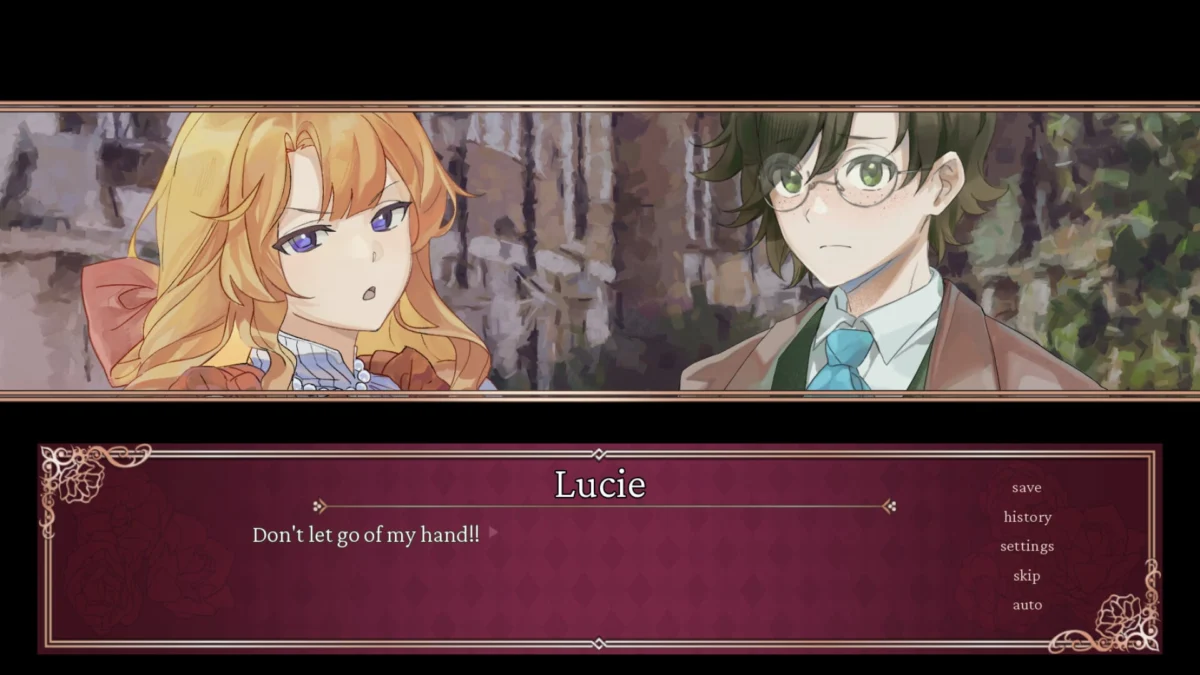
In the landscape of independent visual novels, few studios have demonstrated a trajectory as distinct as Crystal Game Works. Known for their atmospheric storytelling and willingness to explore the intersections of the supernatural and the human condition, the studio returns to their established universe with Crimson Waves on the Emerald Sea: Amaranthine Moon. Serving as a substantial, premium expansion to their original free-to-play title, Amaranthine Moon is not merely a sequel; it is a sophisticated evolution of the studio’s narrative craft, blending the intimate beats of an otome romance with the tension of a Victorian murder mystery.
The Foundation: A World of Emerald and Blood
The original Crimson Waves on the Emerald Sea introduced players to a Victorian-era world where vampirism was not a mere trope, but a biological and social condition. It challenged the standard tropes of the genre by focusing on the mundane and societal implications of existing as an immortal in an era of rapid industrial change.
Amaranthine Moon picks up the mantle by placing the player in the role of Lucie, a vampire who has achieved the impossible: the discovery of a cure. By utilizing specially prepared emeralds, the afflicted can suppress their vampiric nature, allowing them to age and live as human beings. The narrative begins at a pivotal crossroads for Lucie—she is on the verge of a business deal that could make this cure accessible to the masses. However, the trajectory of her life is violently diverted when her business partner, Douglas, is found murdered. This inciting incident propels the protagonist into a web of conspiracy, forcing her to navigate her own identity while unraveling the mystery of the “Jeweler Killer.”
Chronology and Narrative Progression
The story of Amaranthine Moon is structured around a branching path system that rewards player agency. As the mystery of Douglas’s death unfolds, the narrative shifts between the clinical investigation of the murders and the emotional cultivation of relationships with three distinct love interests: Rowan, Cecil, and Elm.
The chronology of the game is fluid, allowing for a mix of investigative procedural elements and character-driven vignettes. Early game choices regarding the management of the "cure" business dictate the political landscape of the story, while later decisions regarding romantic pursuits determine the emotional conclusion.
The structure is meticulously paced. Unlike many visual novels that front-load their romance, Amaranthine Moon integrates the mystery into the core of the relationship arcs. For instance, the death of Douglas is not just a side-quest; it is deeply personal to both Rowan and Elm, as he was their father. This creates a narrative synergy where the romance serves as the catalyst for the investigation, and the investigation serves as the crucible for the romance.
Character Dynamics and Thematic Depth
One of the most notable accomplishments of Crystal Game Works in this title is the writing of the protagonist, Lucie. Too often, otome protagonists are reduced to passive vessels for the player’s desires. Lucie, however, is characterized by a strong, proactive agency. Whether the player chooses for her to retain her vampirism or pursue the human cure, her character remains consistent—intellectually sharp, resilient, and deeply human in her motivations.
The Love Interests
- Rowan: Often cited as a standout for those who enjoy high-maturity dynamics. His relationship with Lucie is built on mutual respect and intellectual parity.
- Cecil: Offers a classic "friends-to-lovers" narrative arc that provides a softer, more intimate contrast to the high-stakes murder mystery.
- Elm: Perhaps the most philosophically challenging path, Elm’s route forces the player to grapple with the existential implications of the cure itself, questioning what it means to choose one’s state of being.
The game succeeds because it treats its characters as adults. The relationships do not feel like forced tropes but rather organic developments between people facing extreme, often life-altering, circumstances.
Accessibility and Entry Points
A common barrier for fans of visual novels is the "sequel tax"—the fear that one must play the previous entry to understand the current one. Crystal Game Works has addressed this with surgical precision. Amaranthine Moon functions perfectly as a standalone title. While the lore established in the original game enriches the world-building, new players will find the exposition handled with grace and clarity.
For those who wish to delve deeper, the original Crimson Waves remains available for free, serving as an excellent companion piece that deepens the appreciation for the character development of Lucie and the supporting cast.
Technical Considerations: The Dissonance of Art
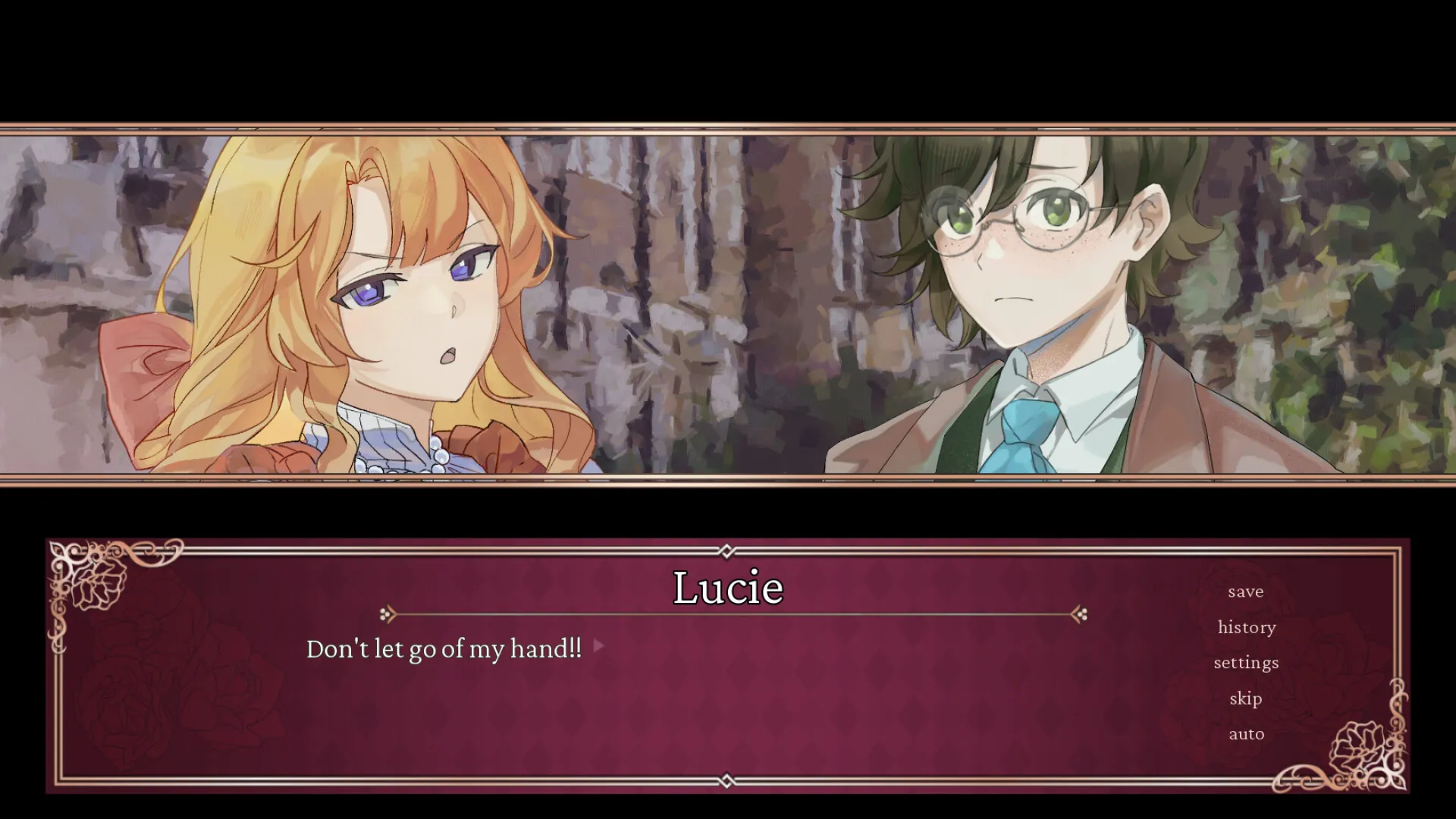
Despite the narrative brilliance, the game is not without its technical shortcomings. The most glaring issue lies in the artistic consistency. The standard character portraits are rendered with high-quality detail, capturing the Victorian aesthetic with grace and maturity. However, the event CGs (computer graphics, or special illustrations) occasionally suffer from a jarring shift in art style.
In these special moments, the character designs can appear significantly more "cartoonish" or stylized compared to the standard dialogue portraits. This lack of visual cohesion can break the immersion, as players may find themselves struggling to recognize the characters they have spent hours interacting with. While the writing remains consistent, this artistic dissonance is a point of contention that highlights a potential gap in the production pipeline, perhaps suggesting the involvement of multiple artists with disparate visions.
Implications for the Otome Genre
Crimson Waves on the Emerald Sea: Amaranthine Moon represents a maturing of the independent otome genre. By moving away from purely escapist fantasies and incorporating mature themes of mortality, identity, and grief, Crystal Game Works is setting a new standard for what the genre can achieve.
The implications for the industry are clear: there is a growing demand for visual novels that treat their audience with intellectual respect. Players are increasingly looking for narratives that offer the "thrill of the chase" in romance while simultaneously engaging them in complex, multi-layered plots. The success of Amaranthine Moon serves as a testament to the fact that emotional resonance is a stronger hook than superficial aesthetics.
Conclusion: A Worthy Addition to the Victorian Gothic Canon
Crimson Waves on the Emerald Sea: Amaranthine Moon is a compelling, if slightly flawed, masterpiece of indie storytelling. It manages to balance the delicate act of being both a gripping murder mystery and a deeply felt romance. While the inconsistency in the art style is a regrettable distraction, it does not manage to derail the momentum of the script or the depth of the characters.
For fans of Victorian Gothic fiction, supernatural romance, or those who simply appreciate a well-written character study, Amaranthine Moon is a must-play. Crystal Game Works has proven that they are not just capable of creating a game; they are capable of creating a world that lingers in the mind long after the final credits have rolled. Whether you choose to retain your vampiric nature or embrace the fleeting beauty of a human life, the journey through the emerald sea is one well worth taking.
Quick Facts at a Glance
- Developer: Crystal Game Works
- Genre: Otome, Visual Novel, Victorian Gothic, Mystery
- Platform: PC (Steam)
- Standalone: Yes, no prior knowledge required
- Key Themes: Identity, Mortality, Grief, Industrial-era Supernaturalism
- Availability: Currently available via Steam store distribution.











No comments yet. Be the first to join the conversation!