

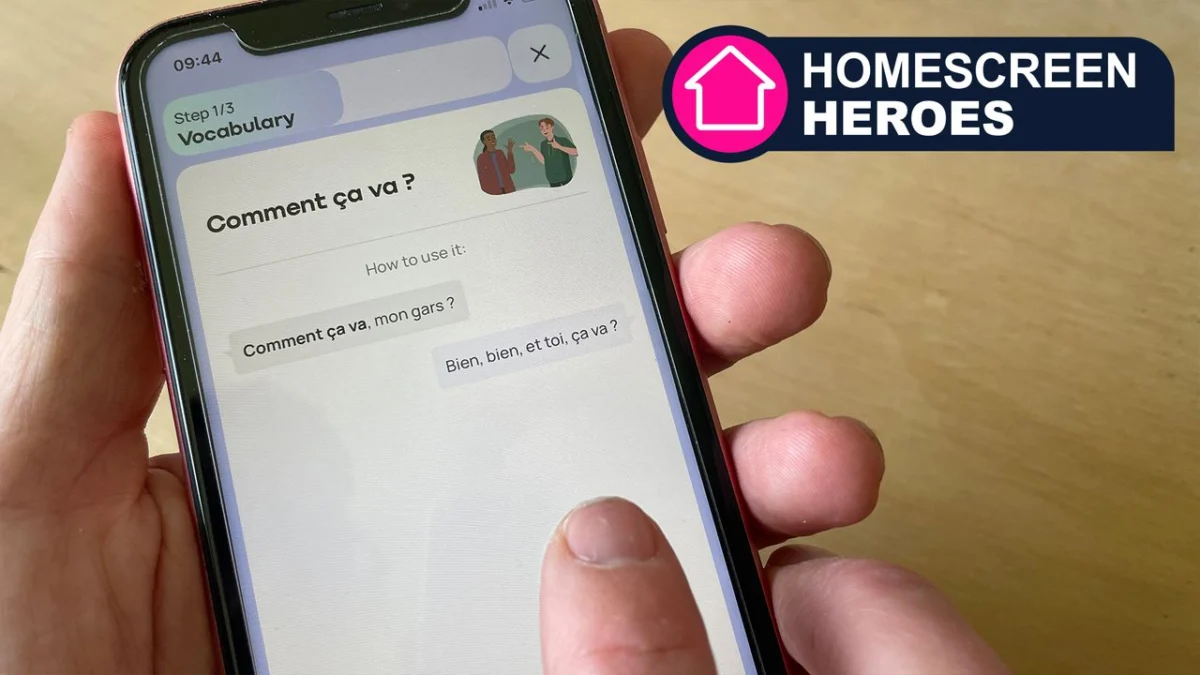
In the crowded digital marketplace of language education, Duolingo has long reigned supreme. With its iconic green owl, addictive gamification, and "streak" psychology, it turned the arduous task of language acquisition into a daily habit for millions. However, as the limitations of gamified translation become clearer for those seeking true fluency, a new contender has emerged: Promova.
Promova presents itself not merely as a game, but as a results-driven platform. By prioritizing real-world conversational context, AI-powered role-play, and access to human tutors, it aims to bridge the gap between "knowing a language" and "speaking a language."
The Evolution of Language Learning Apps
The landscape of language learning has undergone a radical shift over the past decade. Initially, apps were designed to mimic traditional classroom experiences—flashcards, grammar drills, and rote memorization. Duolingo disrupted this by introducing "gamification," utilizing leaderboard competition and the fear of losing a streak to keep users engaged.
While these mechanics are undeniably successful at building consistency, critics argue they often lead to "tapping fatigue"—where the user becomes proficient at clicking the right answer without necessarily internalizing the nuance of conversational speech.
Promova enters this space by attempting to blend the accessibility of mobile apps with the pedagogical depth of a language institute. Rather than focusing on daily streaks as an end goal, Promova’s methodology focuses on a "learn, speak, grow" philosophy. This shift reflects a broader trend in EdTech: a move away from purely passive consumption toward active, generative practice.
The Promova Methodology: How It Works
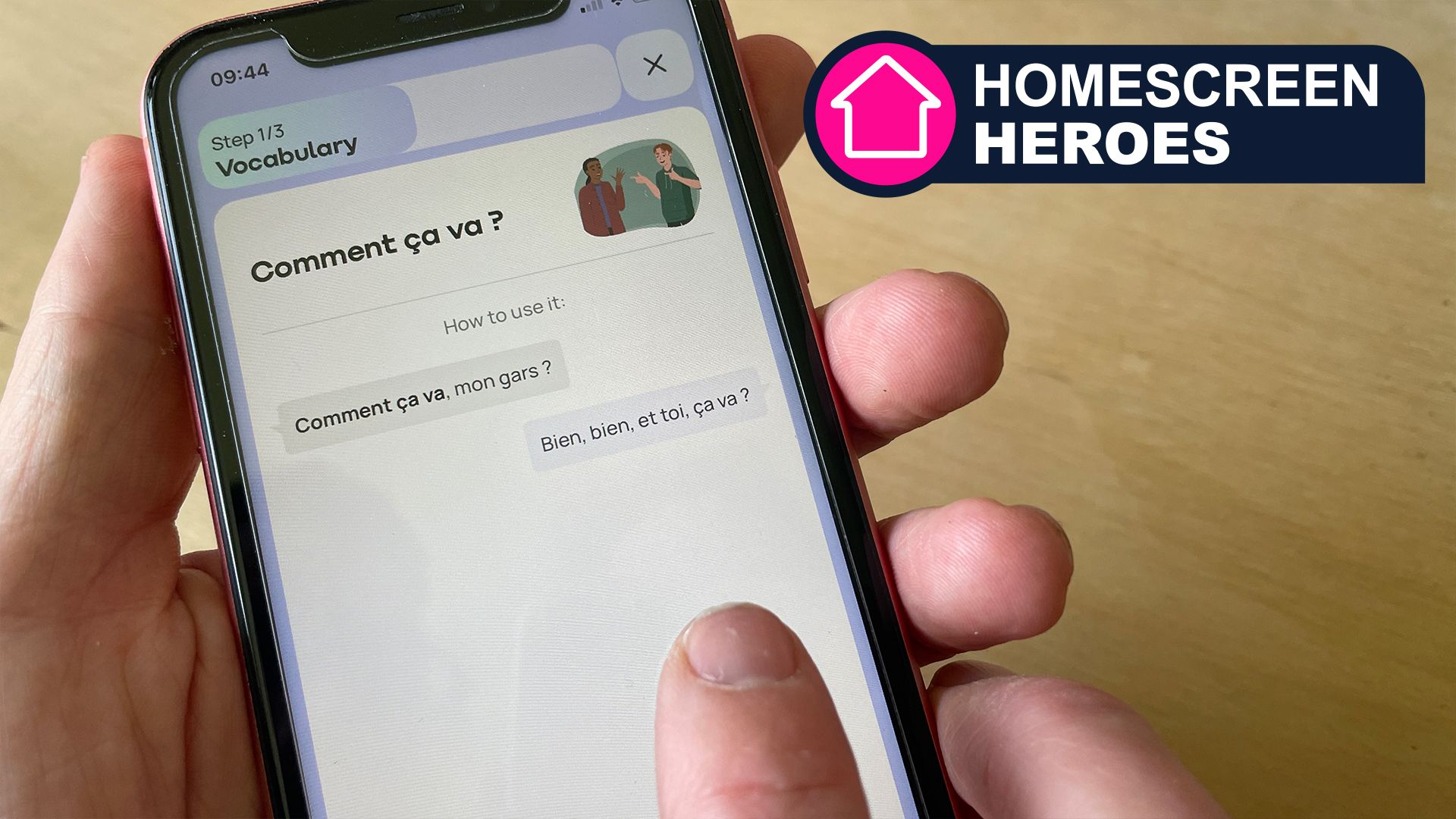
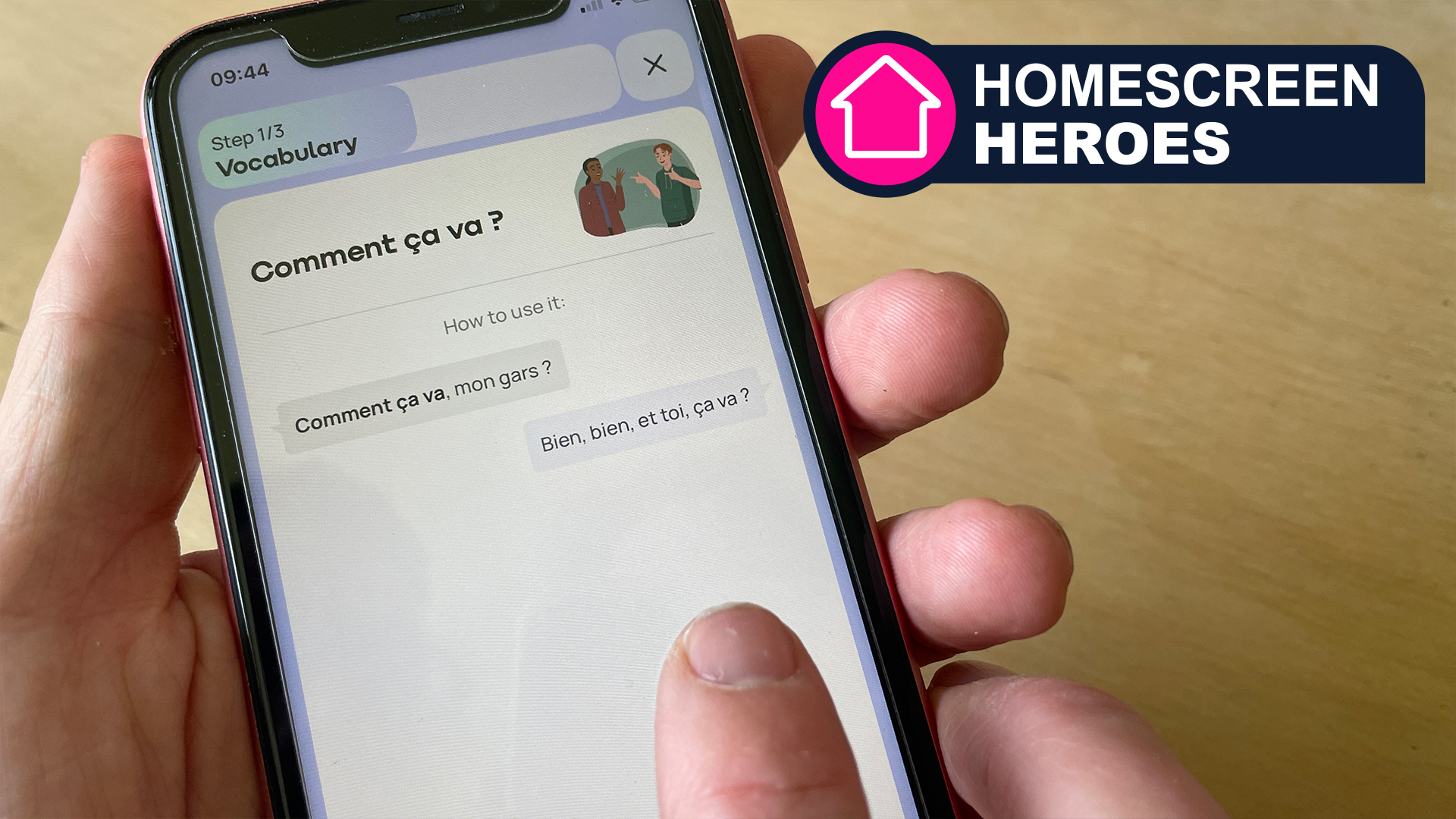
Upon downloading the application, users are greeted by a diagnostic assessment. This is a critical departure from the "one-size-fits-all" approach. By gauging a user’s current proficiency level, the app provides a tailored curriculum. This ensures that a complete beginner isn’t overwhelmed, and an advanced learner isn’t bored by introductory vocabulary.
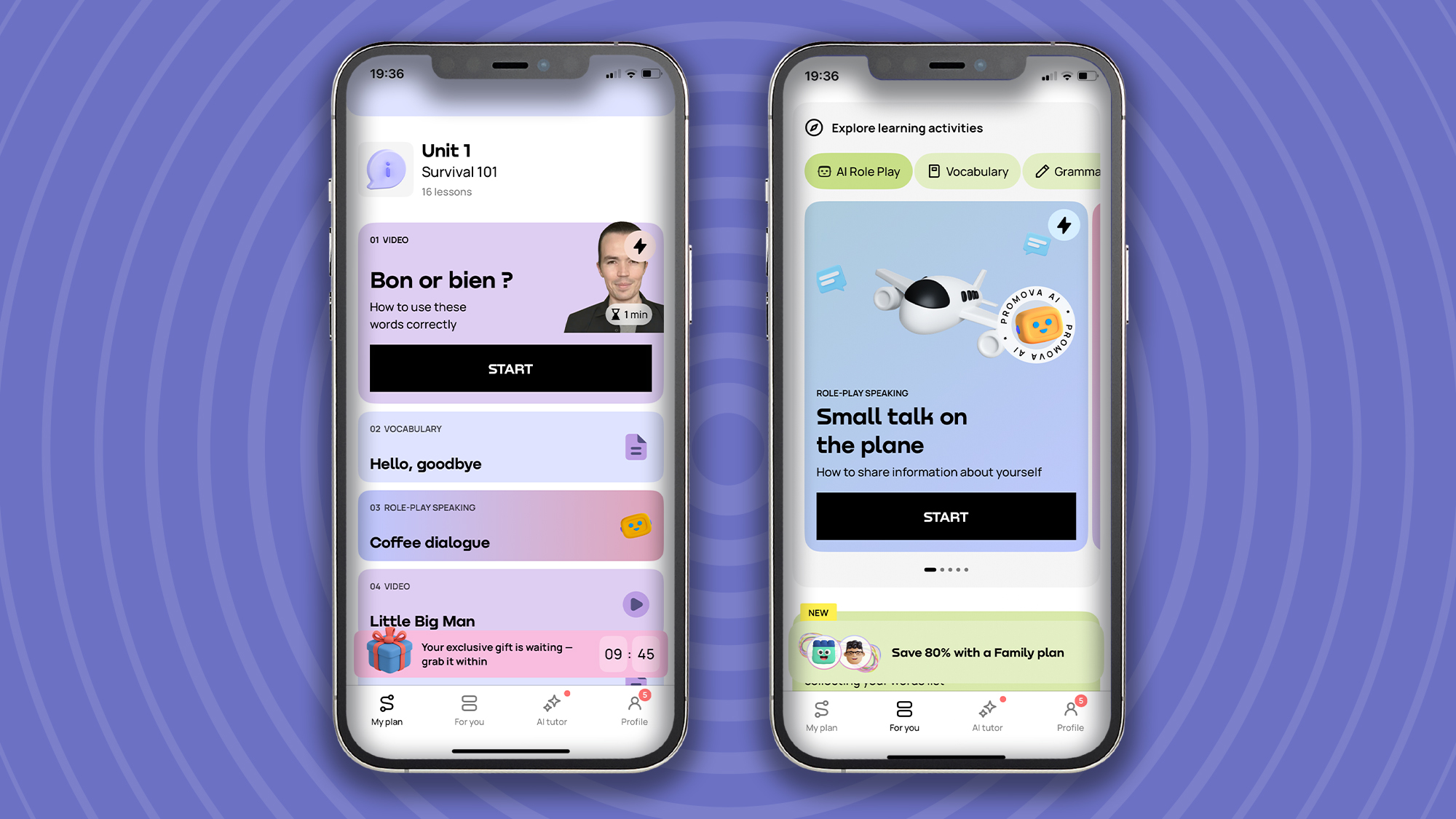
The content is organized into four distinct pillars:
- Video-based learning: Utilizing visual context to improve comprehension.
- Vocabulary acquisition: Context-heavy word building.
- Grammar modules: Structured lessons that explain the "why" behind the syntax.
- Role-play speaking: The app’s standout feature.
The role-play function acts as an AI-driven chatbot, simulating real-world scenarios. By mimicking the interface of popular messaging platforms like WhatsApp, Promova creates an environment that feels familiar and low-pressure. Users can type or speak their responses, and the AI adapts its feedback based on the user’s input, effectively "meeting them where they are."
Supporting Data and User Base
Promova has rapidly expanded its footprint, claiming over 20 million learners across more than 190 countries. Its curriculum covers a robust selection of languages, including English, Spanish, French, German, Korean, and Italian.
The app’s success, according to developers, stems from its ability to integrate into the user’s daily life without feeling like a chore. While Duolingo relies on the psychological "urgency" of a streak to ensure daily retention, Promova uses a "Triple Streak" system. This feature encourages users to engage with three different pillars of learning—vocabulary, grammar, and speaking—within a single day. This prevents the "vanity metric" of maintaining a streak by doing the bare minimum, instead pushing for a more balanced, multi-dimensional daily practice.
The Cost of Professionalism: A Critical Comparison
While Promova offers a more sophisticated pedagogical experience, it comes at a significant price. Currently, Promova Premium is priced at $29.99 (£25) per month. For comparison, Duolingo Super typically costs $12.99 (£9.99) per month.
This price disparity is the most significant hurdle for potential users. Furthermore, the free version of Promova is heavily supported by advertisements and is significantly gated in terms of content. Users often find that the free experience is sufficient only for the first few days before a subscription becomes necessary to continue meaningful progress.
When evaluating the two, the decision comes down to the user’s goals:
- The Hobbyist: If the goal is to keep the brain active and learn a few phrases while waiting for the bus, Duolingo’s gamified approach remains the industry standard.
- The Serious Learner: If the goal is professional proficiency or the ability to navigate a foreign country with confidence, the investment in a platform like Promova—which emphasizes speaking and situational application—is arguably more efficient in the long run.
Implications for the Future of EdTech
The rise of platforms like Promova suggests that the market for language learning is maturing. As AI technology continues to advance, the "chat-with-a-bot" model is poised to become the standard for remote language acquisition.
The implication for legacy players like Duolingo is clear: users are increasingly demanding more than just a dopamine hit from a streak notification. They want measurable results, real-world conversational practice, and a curriculum that evolves alongside their growing proficiency.
Furthermore, the inclusion of live human tutors in the broader Promova ecosystem indicates that digital platforms are no longer trying to replace the teacher, but rather augment the learning experience. By offering human interaction alongside AI-driven practice, the app creates a "hybrid" model that may be the most effective path toward true fluency.
Conclusion: Which App Belongs on Your Homescreen?
The choice between Duolingo and Promova is not necessarily an "either-or" scenario, but a question of where you are in your language-learning journey.
Duolingo is a masterclass in habit formation. If you struggle with consistency, it is the best tool to get you off the ground. However, once you have established that habit, you may find yourself hitting a plateau where the gamification starts to feel like a barrier to deeper understanding.
At that point, migrating to a platform like Promova makes sense. The AI-driven role-play, the focus on practical speaking, and the structured "Triple Streak" system provide a more mature framework for those ready to move beyond the basics. While the price point is steep, for those serious about achieving fluency, it represents a necessary investment in a higher tier of educational service.
As the digital landscape evolves, one thing remains certain: the best app is the one that you actually use. Whether you are motivated by the competitive leaderboard of the green owl or the conversational nuance of an AI chatbot, the best tool is ultimately the one that helps you find your voice in a new language.
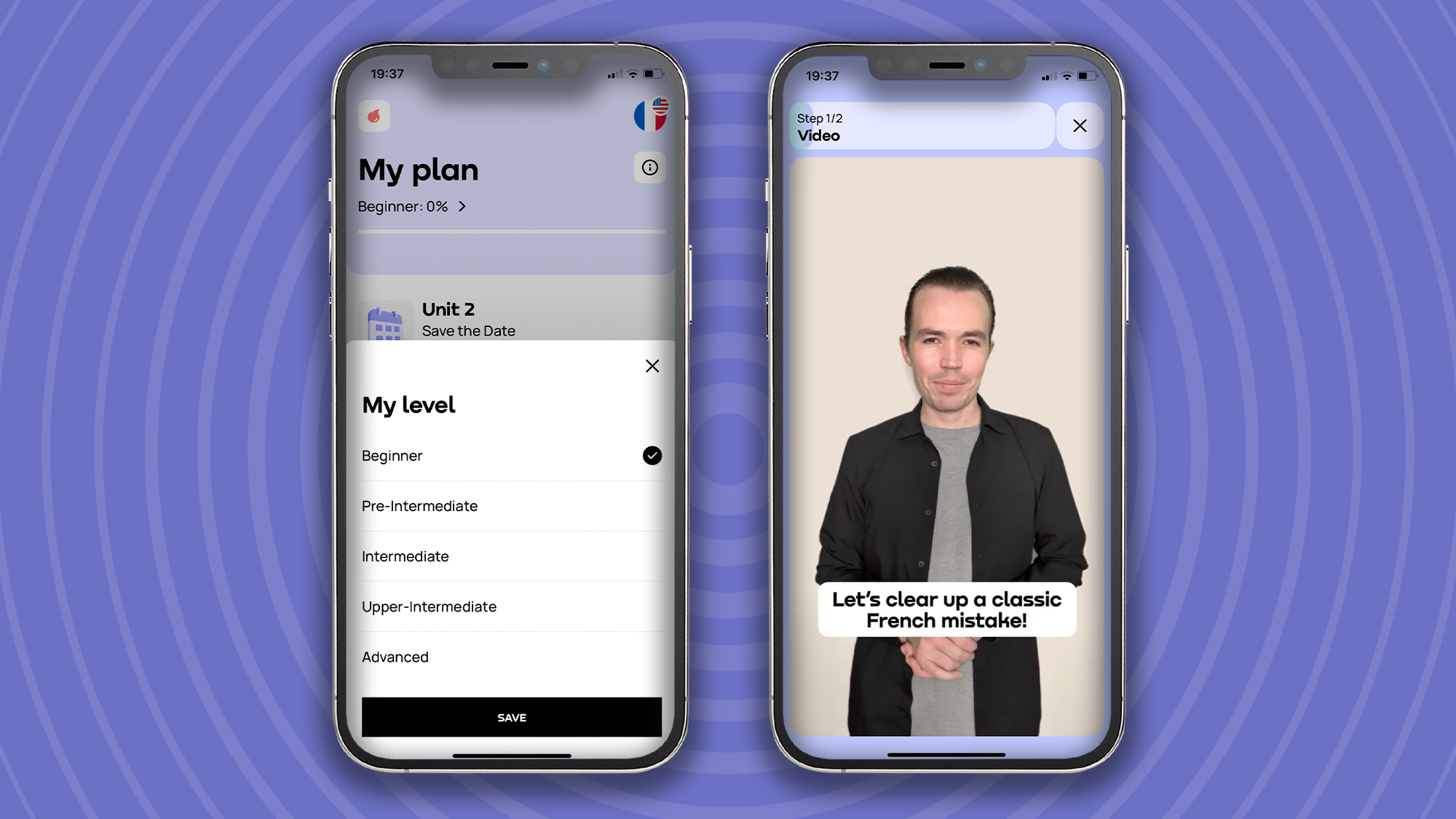
For those interested in exploring these platforms further, Promova is available for download on both iOS and Android.












No comments yet. Be the first to join the conversation!