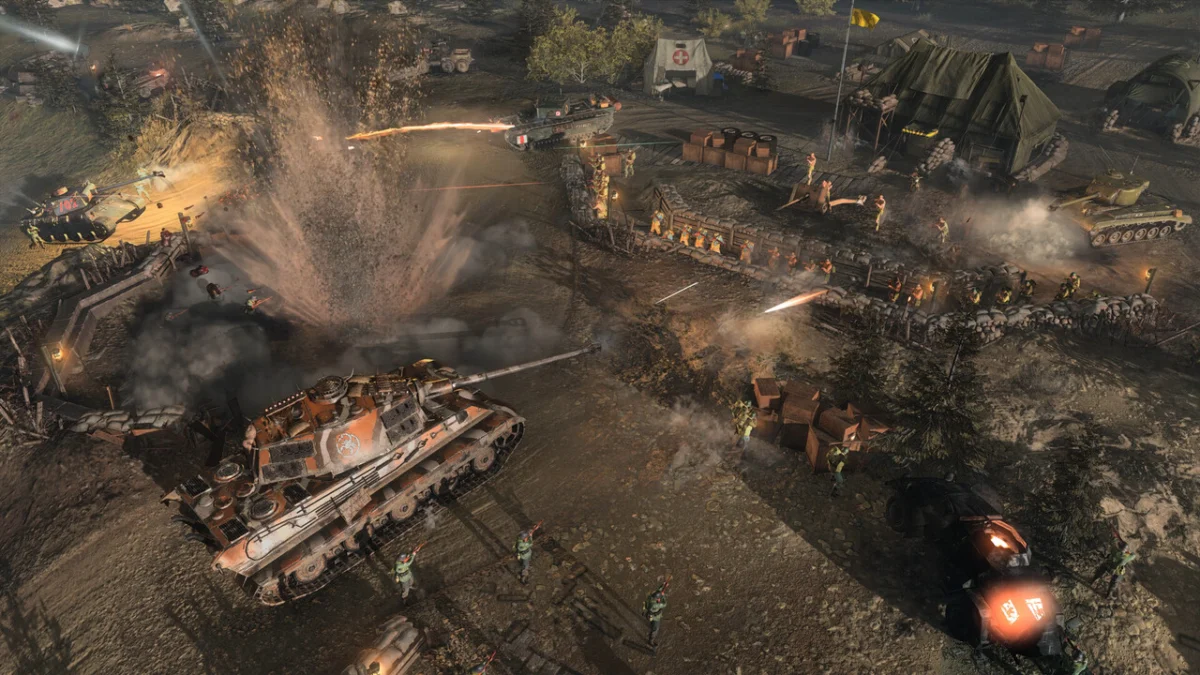
Relic Entertainment has officially pulled back the curtain on a bold new direction for its storied real-time strategy (RTS) franchise. With the announcement of Company of Heroes 3: Final Stand, the studio is pivoting away from the traditional grand-scale campaigns and competitive multiplayer skirmishes that have defined the series for nearly two decades. Instead, Final Stand introduces a standalone, wave-based survival experience designed for solo play or cooperative tactical engagement. Set to launch on July 29, 2026, this project represents one of the most significant departures in the franchise’s history.
The Core Concept: From Frontlines to Fortifications
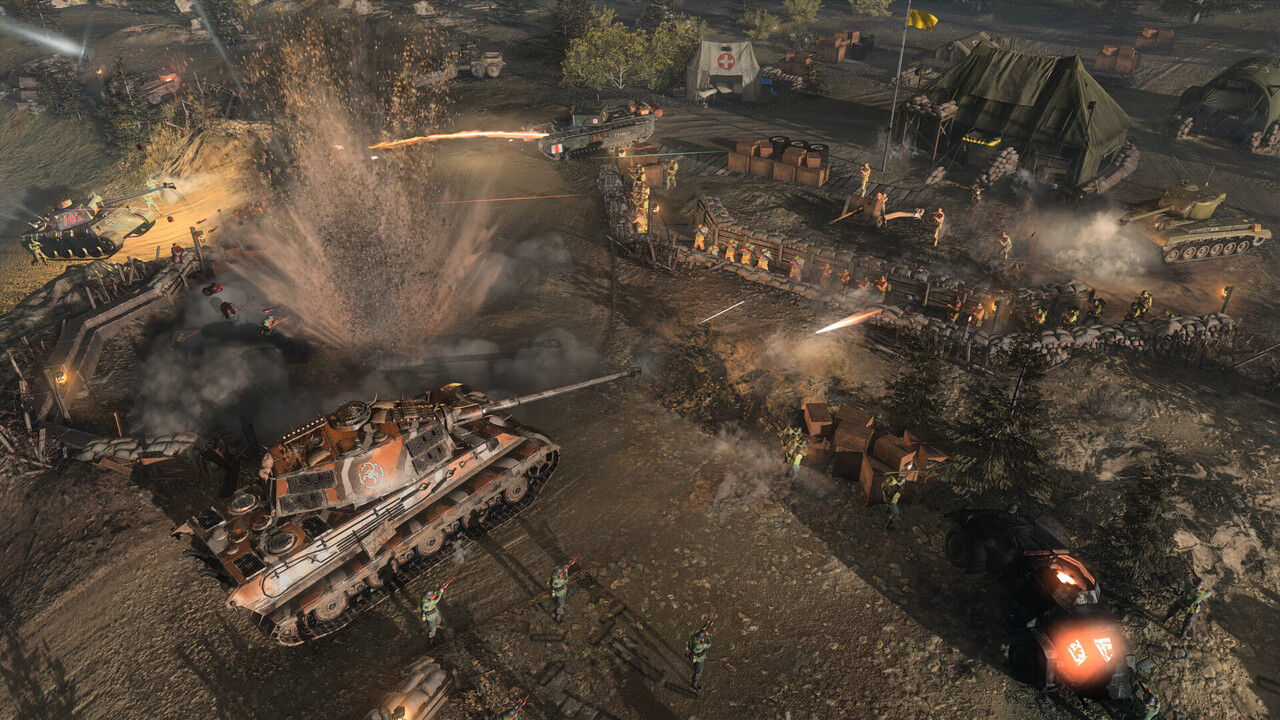
At its heart, Final Stand takes the high-fidelity tactical engine of Company of Heroes 3 and repurposes it for a "horde mode" style of play. In this iteration, the goal is not to capture victory points or dismantle an enemy base, but to hold the line against an inexorable, ever-increasing tide of opposition.
Players are tasked with constructing defensive perimeters, managing resource scarcity, and holding ground under pressure. The gameplay loop is augmented by boss encounters—unique, high-health units that force players to break from their standard defensive rotations—and dynamic battlefield events. These events, ranging from artillery strikes to sudden weather shifts or supply drops, ensure that no two playthroughs are identical, effectively injecting a high degree of replayability into the experience.
The Roguelite Evolution
Perhaps the most intriguing design choice is the integration of roguelite mechanics. As players progress through waves, they must make strategic choices regarding upgrades, unit specialization, and resource allocation. If a line collapses, the run ends, forcing the player to restart with new variables. This design is specifically intended to cater to both veteran RTS players who enjoy high-stakes management and newcomers who may find the traditional 40-minute competitive match structure intimidating.
Chronology of Development and Strategic Shift
The journey to Final Stand has been one of gradual experimentation. Following the release of Company of Heroes 3, Relic Entertainment faced the challenge of sustaining a player base in an increasingly crowded market. Internal data and community feedback indicated a strong desire for more cooperative, player-versus-environment (PvE) content.
- Early 2024: Relic begins exploring "asymmetric game modes" within the CoH3 engine.
- Late 2024: Prototype testing of wave-defense mechanics begins, internally codenamed "Project Bastion."
- Q2 2025: The decision is made to spin the project off as a standalone title rather than a simple DLC, allowing for a lower barrier to entry for new players.
- May 2026: Final polish, balancing, and community beta testing phases.
- July 29, 2026: Scheduled worldwide release on Steam.
This timeline reflects a strategic pivot. By detaching Final Stand from the main game, Relic is attempting to lower the price of entry while creating a "gateway drug" for the main Company of Heroes ecosystem.
Supporting Data: The Four Pillars of Combat
Upon release, Final Stand will feature four playable factions, each offering distinct tactical identities. This variety is critical to the game’s roguelite longevity, as each faction forces a different approach to the defensive challenges:
- US Forces: Focuses on mobility, rapid response, and high-tech combined arms. Their upgrades favor flexible positioning.
- Wehrmacht: Specializes in static defense and heavy artillery. They are the ideal choice for players who prefer a "bunker-down" style of gameplay.
- British Forces: Centers on team weapons and emplacements. Their progression path emphasizes synergistic unit placement and logistical support.
- Deutsches Afrikakorps: Employs high-aggression tactics and mechanized support, allowing for a more active, mobile defense that relies on counter-attacks.
Each faction includes its own unique skill tree, which persists and evolves during a run, allowing for specialized builds that can be tailored to the specific threats of a given mission.
Pricing and Accessibility
To ensure maximum adoption, Relic has opted for an aggressive pricing model. The title will retail for €28.99, with a 10% launch discount. Furthermore, acknowledging the existing community, owners of Company of Heroes 3 will receive a 20% bundle discount. Critically, Final Stand does not require the base game to function, making it an entirely independent purchase on Steam.
Official Responses and Studio Vision
Relic Entertainment’s communications team has emphasized that this project is not a replacement for the series’ core identity, but a diversification of the brand. In a recent press briefing, a spokesperson stated: "We love the complexity of the Company of Heroes series, but we recognized a need for a tighter, more focused experience that players can enjoy in 30-minute bursts. Final Stand allows us to experiment with new mechanics—like persistent roguelite progression—that would be difficult to implement in a traditional competitive RTS format."
The studio also confirmed that the release of Final Stand will coincide with the rollout of Update 2.5.0 for the main Company of Heroes 3 title. This indicates that Relic is committed to maintaining both the competitive "core" and the new, accessible "survival" branch of the franchise simultaneously.
Implications for the RTS Genre
The release of Company of Heroes 3: Final Stand carries significant implications for the wider real-time strategy genre. For years, the genre has been criticized for being "stagnant," often relying on the same base-building and unit-production loops established in the 1990s. By incorporating roguelite elements, Relic is following a trend seen in games like Age of Empires IV’s seasonal events and other titles that seek to introduce "run-based" progression to strategy games.
Expanding the Demographic
The most obvious implication is the expansion of the player base. The barrier to entry for high-level RTS is notoriously high; players must master hotkeys, build orders, and micro-management simultaneously. By focusing on a PvE wave-defense model, Final Stand removes the pressure of competitive social interaction. This allows players to learn the game’s mechanics—the cover system, the suppression mechanics, and the vehicle armor interactions—at their own pace.
The Risk of Fragmentation
However, there is a risk of community fragmentation. If the player base shifts too heavily toward the more accessible Final Stand, the competitive ladders in the base Company of Heroes 3 may suffer. Conversely, if the core community perceives the new title as "too casual," it may fail to find an audience among the franchise’s most dedicated fans.
Relic’s success will likely hinge on the "strategic depth" mentioned in their marketing. If the wave-defense mechanics can provide the same "crunchy," satisfying tactical moments that defined the original Company of Heroes, it will likely be viewed as a brilliant evolution. If the mechanics feel repetitive or lack the depth of a full campaign, it may be dismissed as a shallow spin-off.
Conclusion: A New Frontline
As we approach the July 2026 launch, the gaming community will be watching closely to see if Relic Entertainment can successfully marry the grit and realism of World War II combat with the addictive, replayable nature of the roguelite genre. Company of Heroes 3: Final Stand is more than just a survival mode; it is a laboratory for the future of the franchise.
By stripping away the complexities of base-wide management and focusing on the immediate, visceral experience of holding a defensive line, Relic is taking a calculated gamble. Whether this becomes the new standard for the series or a brief experiment, it serves as a testament to the studio’s willingness to challenge the status quo. For those who have long admired the tactical depth of the series but lacked the time to invest in the grueling climb of competitive multiplayer, Final Stand may well be the definitive Company of Heroes experience.