

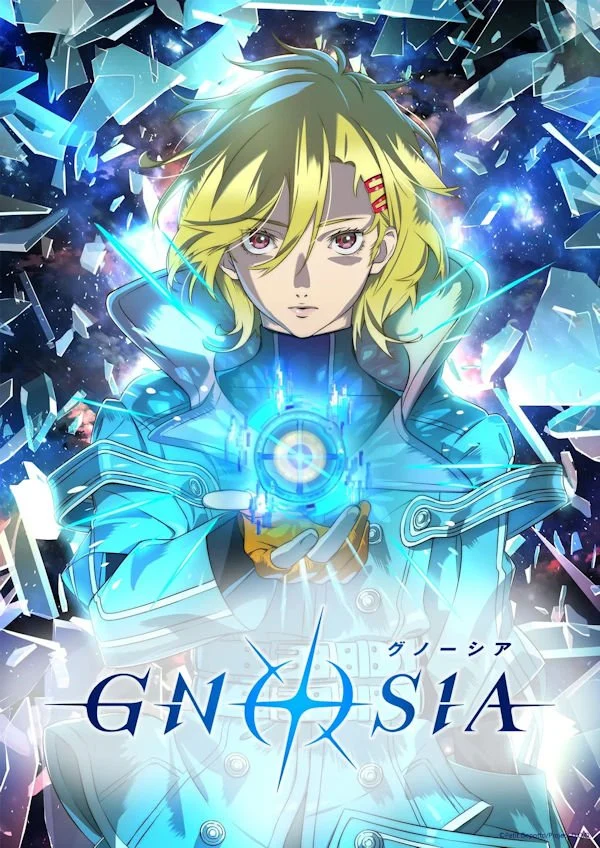
My quarterly anime watchlist is usually a crowded, high-stakes affair. Between the returning industry titans and the glossy, high-budget debuts of each season, curating a concise list is a Herculean task. Last autumn, one particular title slipped through my radar—despite the fervent insistence of my anime-watching cohort that it was a mandatory viewing experience. I finally carved out a slot for it this winter, fully expecting a standard, mid-tier sci-fi romp.
Instead, I found myself binge-watching the entire series in a fever dream of paranoia and intellectual challenge. The show in question is Gnosia, an anime adaptation that manages to succeed where almost every other video game-to-screen project fails.
The Problem with Adaptations: Why ‘Gnosia’ Stands Alone
Most of the anime I consume is derived from the world of manga—a medium that inherently understands the rhythm of serial storytelling. While original, non-adapted anime exist, they are rare, precious commodities. Conversely, video game adaptations are a category I generally treat with extreme prejudice. They are historically plagued by an obsession with stagnant battle sequences, hollow plotlines, and archetypal characters that possess all the depth of a shallow puddle.
The autumn 2025 release of Gnosia stands as a definitive, exhilarating exception to this rule. Adapted from the cult-classic 2019 visual novel role-playing game, the series avoids the trap of simply "re-enacting" gameplay. Instead, it translates the high-tension social deduction of the source material into a masterclass of psychological horror and sci-fi mystery.
Chronology of a Nightmare: The Setup
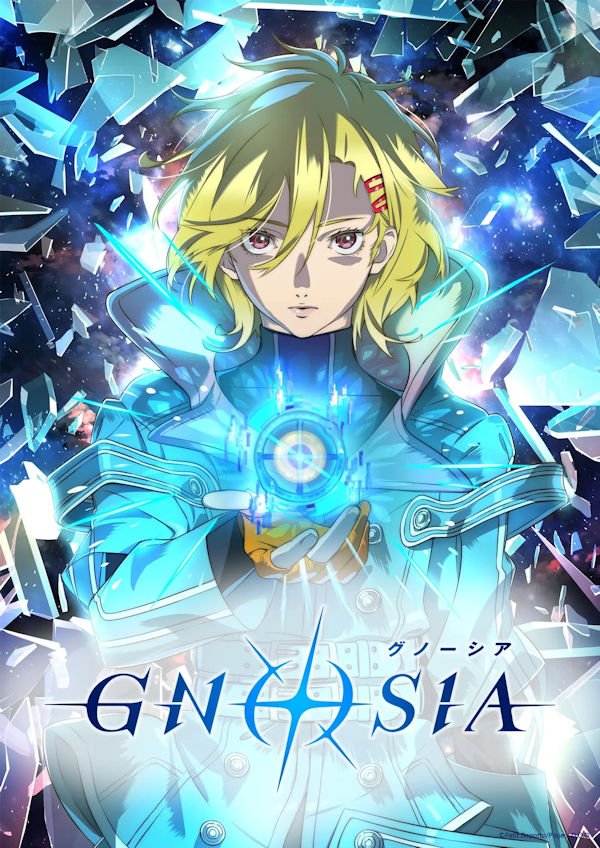
The narrative wastes no time in establishing its disorienting premise. We meet Yuri, a nonbinary protagonist who awakens in a medical pod with no memory of how they arrived there. They are aboard an aging, derelict spaceship, the crew of which is currently being stalked by an existential threat.
The crew explains that the ship’s AI, LeVi, has detected a "Gnosia" infection. Gnosia are human beings who have been corrupted by a lethal, mysterious parasite, causing them to turn murderous. The ship, currently fleeing a planet that has already fallen to the Gnosia, is effectively under quarantine; if the crew cannot identify the infected and place them into "cold storage," the Gnosia will reach critical mass and take over the ship, leading to total annihilation.
The game is simple in theory, but lethal in practice. The crew must debate, accuse, and vote in a tribunal-style format to isolate the suspects. However, the tragedy of Yuri’s existence is that they are trapped in a time loop. Every time the Gnosia win—or every time Yuri is killed—the cycle resets. Yuri returns to the medical pod, retaining the memories and trauma of the previous failed loops. This structural choice transforms the series from a simple mystery into a harrowing exploration of trust, identity, and the existential horror of repetition.
The Cast: A Study in Diversity and Deception
The genius of Gnosia lies in its character dynamics, which are bolstered by a refreshing commitment to inclusive storytelling. In the opening episode alone, three of the five primary characters identify as nonbinary, with one explicitly identifying as asexual. This representation feels natural rather than performative, grounding the show in a future where gender and identity are as diverse as the stars themselves.
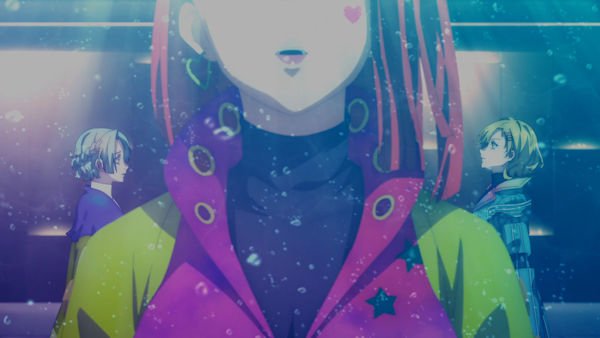
The core cast is a motley crew of archetypes that are constantly subverted:
- Setsu: A military officer and Yuri’s primary emotional anchor. Watching their relationship evolve across loops—only to have it shattered when Setsu is revealed as a Gnosia—is one of the show’s most devastating narrative beats.
- Racio: A brilliant but abrasive "tsundere" whose know-it-all attitude makes them a frequent target for cold storage.
- Jina: A soft-spoken air traffic controller whose quiet demeanor hides depths of both wisdom and suspicion.
- SQ: A hyper-charismatic, flirtatious character who thrives on chaos.
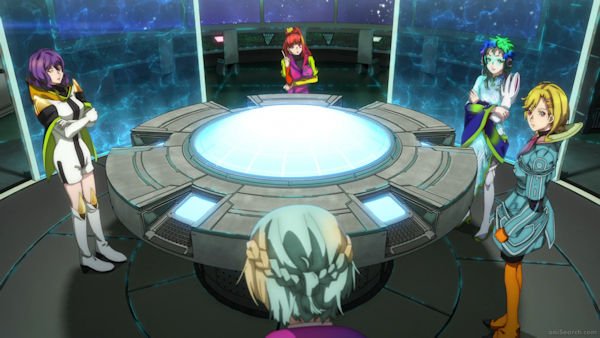
As the series progresses, the roster expands to include fifteen distinct individuals, including Otome, a sentient, speaking Beluga whale, and Kukrushka, a mute, living doll with a hidden agenda. The constant rotation of these characters, and the shifting alliances required by the game’s "jobs"—such as Engineer, Doctor, and Guardian Angel—ensures that no two episodes feel the same.
Supporting Data: Narrative Mechanics and Pacing
The structural integrity of Gnosia is its greatest strength. By utilizing the "save point" mechanic of a video game, the show allows the audience to experience the frustration of Yuri’s journey alongside them. The viewer is never one step ahead; we are in the mud with Yuri, trying to decipher if a character’s personality shift in this loop is due to their infection or merely a change in the game’s internal variables.
The animation quality is lush, effectively conveying the claustrophobia of a ship that is falling apart at the seams. The character designs are vibrant and quirky, which creates a sharp, unsettling contrast with the brutal nature of the "cold sleep" tribunal. The soundtrack deserves special mention; the opening theme is punchy and energetic, while the incidental music maintains a haunting, atmospheric tone that elevates the sense of dread during the ship’s quiet moments.
Implications and Industry Impact
While the series is a triumph, it is not without its minor flaws. At 21 episodes, the pacing occasionally feels compressed. There is a central antagonist introduced in the latter half who feels under-utilized; a 24-episode run would have allowed for deeper exploration of their motivations and the lore of the wider universe. Furthermore, the show relies on some minor "gaming logic" that might frustrate viewers looking for absolute realism—such as the arbitrary rule that the Gnosia can only claim one victim per night during hyperspace travel.
However, these are minor quibbles in an otherwise exceptional production. Gnosia proves that video game adaptations do not have to be mindless action vehicles. By focusing on the social aspect of gameplay—the lies, the suspicion, and the desperate scramble for truth—the series taps into a primal human anxiety: Can I truly trust the people around me?
Conclusion: A Must-Watch for Genre Enthusiasts
Gnosia is a rare gem that effectively bridges the gap between the high-octane excitement of sci-fi and the slow-burn tension of a mystery thriller. For those who enjoy cyberpunk, psychological horror, or simply a well-crafted narrative that respects the audience’s intelligence, this show is essential viewing.
Yuri’s earnest hunt for the truth is compelling, and the emotional weight of their journey through the time loops provides a strong human heartbeat to a cold, interstellar setting. As the credits rolled on the final episode, I was left wanting more—not because the story was incomplete, but because the world and its inhabitants were so richly realized that leaving them behind felt like a genuine loss. In an era where "content" is often mass-produced for immediate consumption, Gnosia is a deliberate, thoughtful piece of art that demands your full attention. Do not let this one escape your notice as I did; it is a journey well worth taking.










No comments yet. Be the first to join the conversation!