

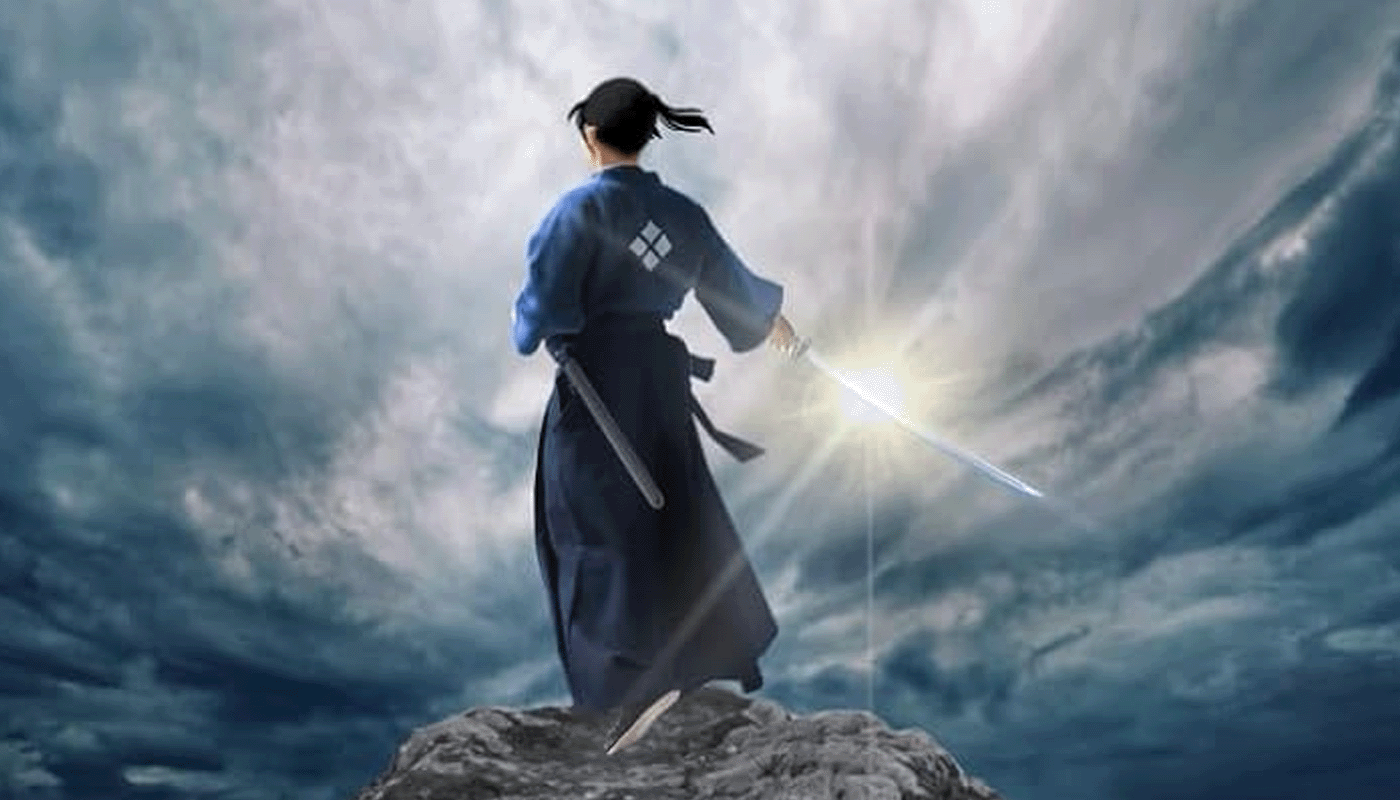
The allure of the samurai—the stoic, blade-wielding warrior bound by a rigid code of honor—has permeated global pop culture for generations. From the meticulous, rain-drenched frames of Akira Kurosawa’s 1954 masterpiece Seven Samurai to the modern, high-octane choreography of contemporary streaming hits, the archetype remains a potent symbol of discipline, lethality, and tragedy.
For many, the obsession begins in childhood. While parents may have been hesitant to place a razor-sharp katana into the hands of a youth, the spirit of the bushido code often found expression in the controlled, rhythmic intensity of karate or judo. Historically, the samurai genre remained firmly rooted in the jidaigeki (period drama) tradition—grounded in the historical realities of feudal Japan. However, a significant cultural shift has occurred in the last decade. Creators are no longer content with merely recreating the past; they are folding the samurai into the realms of science fiction, horror, and high fantasy. By stripping the samurai from their historical context and placing them on distant planets, in post-apocalyptic ruins, or across fractured timelines, storytellers are finding that the blade is a surprisingly effective tool for exploring speculative futures.
The Evolution of the Sword: A Chronological Survey
The blending of the samurai with speculative elements is not entirely new, but its recent proliferation suggests a maturation of the genre. The following list highlights seven pivotal works that have redefined the "samurai story" for the modern era.
1. Into the Badlands (2015 – 2019)
AMC’s Into the Badlands serves as a quintessential example of "post-apocalyptic wuxia." Set in a future where civilization has collapsed and society is ruled by feudal Barons, the series ditches firearms in favor of cold steel and martial arts. The protagonist, Sunny (Daniel Wu), is the ultimate enforcer—a man whose loyalty is as sharp as his blade. The series thrives on the juxtaposition of advanced, albeit limited, technology and primitive, brutal combat. Its success proved that audiences were hungry for the intersection of high-stakes world-building and master-class stunt choreography.
2. The Sword of Kaigen by M.L. Wang (2019)
M.L. Wang’s The Sword of Kaigen pushes the samurai archetype into the territory of elemental fantasy. Set on the frigid edge of the Kaigenese Empire, the story focuses on the Matsuda family, warriors gifted with the ability to bend ice. By grounding these magical abilities within the framework of a weary, war-torn military family, Wang crafts a narrative that feels less like a superhero story and more like a visceral exploration of the trauma of conflict. It is a war epic that uses fantasy as a lens to examine the cost of duty.

3. Blue Eye Samurai (2023 – )
Netflix’s Blue Eye Samurai has set a new gold standard for adult animation. Set in an alternate 17th-century Japan, it follows Mizu, a half-white, half-Japanese warrior seeking revenge. The show manages to be both a beautiful, painterly tribute to traditional Japanese art and a brutal, unflinching examination of self-hatred and societal marginalization. The animation allows for fight sequences that defy physics while maintaining a grounded, emotional weight that keeps the viewer anchored to Mizu’s dark crusade.
4. A Samurai in Time (2024)
Adding a dash of humor to the genre, A Samurai in Time tackles the "fish-out-of-water" trope with aplomb. When a lightning strike transports an Edo-era warrior to a 21st-century film set, the film pivots from traditional samurai drama to a meta-commentary on the industry itself. By having the protagonist work as a stuntman in jidaigeki productions, the movie serves as an endearing love letter to the history of samurai cinema, proving that even a time-traveling samurai can find a place in the modern world.
5. Predator: Killer of Killers (2025)
The Predator franchise has long toyed with the idea of the "ultimate hunter." In the anthology film Killer of Killers, the "The Sword" segment drops the iconic alien hunter into 17th-century Japan. The result is a masterclass in visual storytelling. With almost no dialogue, the film relies entirely on the physicality of its samurai and ninja leads to convey the tension of their fractured brotherhood and the terror of their extraterrestrial foe. It is a reminder that the samurai’s greatest strength is often their silent, observant stillness.
6. Japanese Gothic by Kylie Lee Baker (2026)
Horror meets the samurai in this dual-timeline novel. By connecting a modern-day student, Lee, to a 19th-century samurai woman, Sen, Baker explores the haunted nature of legacy. The horror here is psychological and generational; it examines the cycles of violence that persist through time. It is a chilling, atmospheric piece that demonstrates how the samurai’s rigid training and traditional environment can serve as a perfect backdrop for ghost stories.
7. The Last Contract of Isako by Fonda Lee (2026)
Fonda Lee, known for her mastery of the genre, brings the samurai ethos to deep space. In The Last Contract of Isako, the protagonist is a "longknives-woman" on a dying planet. This is a story of corporate espionage, resource scarcity, and the existential dread of retirement. By positioning the samurai as a mercenary in a futuristic, dystopian setting, Lee forces the reader to confront questions of honor and identity when the society that defined those terms no longer exists.

Implications of the "Speculative Samurai"
The shift toward speculative samurai fiction is not merely a trend; it represents a fundamental change in how we view the warrior archetype.
Cultural Significance
Historically, the samurai were defined by their adherence to the social hierarchy of Edo-period Japan. However, in the hands of modern authors and directors, the "code" is being stress-tested. By removing the samurai from their historical reality, creators are able to isolate the core elements of the archetype—discipline, sacrifice, and the weight of the blade—and test their validity in universes where the rules of the world are fundamentally different.
Supporting Data: A Growing Market
The success of these titles indicates a robust market for genre-blending. Blue Eye Samurai garnered critical acclaim, boasting high completion rates on streaming platforms, while the steady rise of fantasy novels like The Sword of Kaigen suggests that readers are increasingly comfortable with "SFF" (Science Fiction and Fantasy) narratives that prioritize cultural specificity. The trend indicates that global audiences are moving away from monolithic interpretations of history and toward stories that treat cultural archetypes as malleable, living concepts.
Critical Reception and Expert Analysis
Critics have noted that the "Speculative Samurai" subgenre allows for a more diverse range of voices. Because the historical samurai were traditionally male and bound by strict class structures, the move into fantasy and sci-fi has allowed for the inclusion of female protagonists (as seen in Blue Eye Samurai and The Sword of Kaigen) and characters who exist on the fringes of society. This democratization of the archetype has led to more nuanced storytelling, where the "way of the warrior" is questioned rather than blindly glorified.
Conclusion: The Future of the Blade
As the list of SFF samurai stories grows, it is clear that we are in a golden age of this subgenre. The samurai is no longer confined to the dusty pages of history or the static frames of a black-and-white classic. They are now wanderers of the stars, ghost-hunters in Victorian-era mansions, and survivors of the apocalypse.

For those who grew up watching these stoic warriors, the current landscape offers a chance to see them evolve. Whether it is through the brutal, neon-lit animation of Netflix or the introspective, high-stakes prose of modern novelists, the samurai remains a relevant figure. They represent our enduring desire for order, skill, and honor in an increasingly chaotic world.
As we look toward the future, the question remains: where will the blade fall next? If current trends are any indication, the horizon is wide open, and the story of the samurai is far from its final act. The comments sections across the web are already buzzing with new recommendations—from cult classics like Samurai Jack to emerging indie projects—proving that the appetite for this cross-genre exploration is stronger than ever. The warrior’s journey continues, and in the world of speculative fiction, the path is limited only by the imagination.










No comments yet. Be the first to join the conversation!