

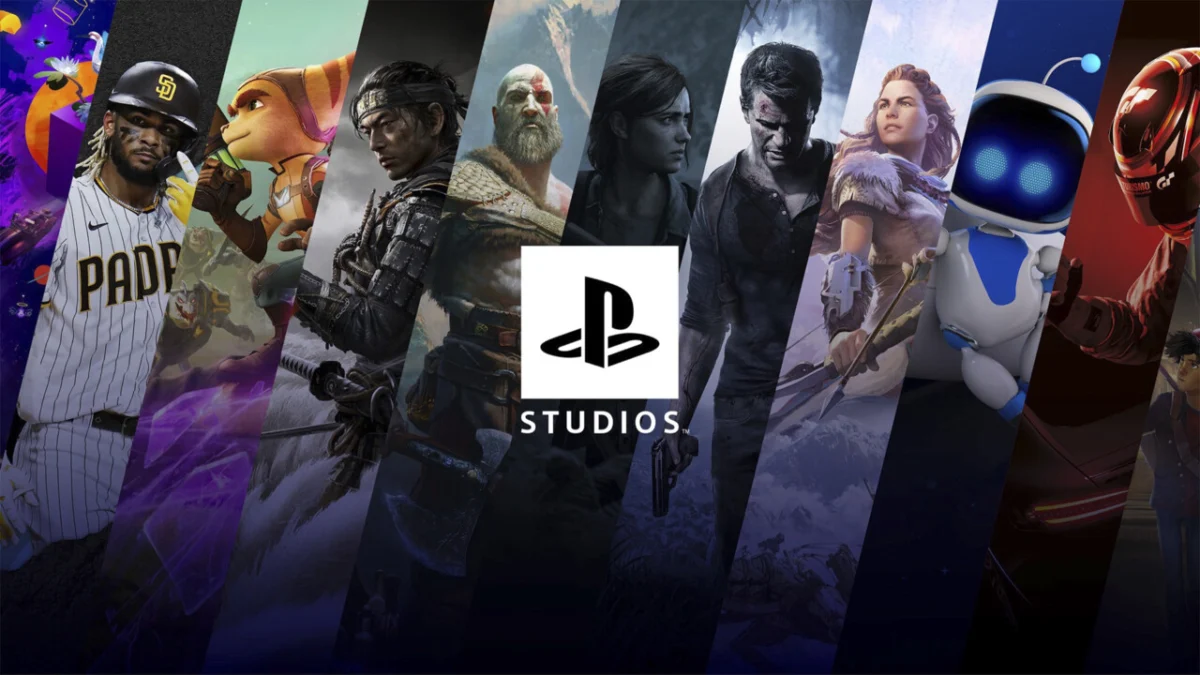
In a move that has sent shockwaves through the global gaming community, Sony Interactive Entertainment appears to be pivoting away from its recent multiplatform expansion strategy. For several years, PC gamers have enjoyed a steady stream of critically acclaimed PlayStation titles, ranging from God of War and Horizon Zero Dawn to Ghost of Tsushima. However, mounting evidence suggests that Sony is slamming the brakes on this initiative, opting to return to a model of strict console-exclusive releases for its major single-player, narrative-driven blockbusters.
This shift marks a significant departure from the roadmap established by former leadership, which sought to maximize revenue by tapping into the massive PC market. As the industry faces rising development costs and shifting consumer behaviors, Sony’s decision to lock future hits like Ghost of Yōtei behind the walls of the PlayStation 5 (and its successors) signals a return to the "walled garden" approach that defined the brand for decades.
A Chronology of the PC Expansion and the Current Reversal
To understand the magnitude of this decision, one must look at the timeline of Sony’s relationship with the PC platform.
The Dawn of the Porting Era
The strategy began tentatively, with titles like Horizon Zero Dawn arriving on PC years after their initial PlayStation debut. The objective was clear: use the PC port as a "trailer" for the next game in the franchise, enticing PC gamers to pick up a console to experience the sequel immediately. This approach was highly successful. It generated significant additional revenue from aging assets while expanding the reach of Sony’s intellectual properties.
The Peak of Integration
By 2023, the strategy had reached a state of maturity. Sony began releasing ports more rapidly, sometimes only months after a game’s initial console launch. The company even introduced a dedicated PlayStation overlay for Windows, allowing users to earn Trophies and manage their friends lists directly on PC. This integration suggested that Sony viewed the PC not as a threat, but as a secondary revenue stream that could coexist harmoniously with the PlayStation ecosystem.
The Sudden Pivot
The change in tone became apparent in recent fiscal reports and strategic briefings. Sources close to the company indicate that Sony leadership has become concerned about "brand dilution." The logic is simple yet controversial: if every PlayStation game eventually appears on PC, the primary incentive to purchase a $500 console diminishes. Consequently, Sony is now prioritizing hardware sales once again, designating upcoming AAA titles as permanent exclusives.
Supporting Data: The Pulse of the Community
The uncertainty surrounding this pivot has ignited intense debate across gaming forums and social media. To gauge the temperature of the community, we look at the shifting preferences of gamers who have balanced their time between high-end PCs and the PlayStation console.
The Dual-Platform Dilemma
Current data suggests that a significant portion of the core gaming demographic resides in a "hybrid" state. These users own both a powerful PC—often utilized for competitive shooters or high-fidelity simulation games—and a PlayStation console, which serves as their primary vehicle for narrative-heavy experiences. The question now is whether the removal of PC ports will drive these users to abandon the console entirely or force them to double down on the PlayStation hardware.
Adoption Rates of Former Exclusives
The success of previous ports cannot be understated. Games such as God of War (2018), Marvel’s Spider-Man, and The Last of Us Part I saw massive adoption rates on PC. Many players cited the ability to play at higher frame rates and resolutions as their primary motivation for choosing the PC version over the console. With the pipeline for these releases potentially drying up, the loss of this demographic represents a significant blow to the PC gaming ecosystem’s access to premium "Prestige" content.
Official Responses and Strategic Implications
While Sony has not issued a formal "end-of-PC-ports" press release, the company’s actions in its recent marketing campaigns speak volumes. The messaging around upcoming titles emphasizes the "optimized experience on PlayStation 5" without any mention of future cross-platform availability.
The Cost of Exclusivity
Industry analysts note that this reversal comes at a time when the development costs for AAA titles have ballooned, often exceeding $200–$300 million per project. Previously, the PC port acted as an essential hedge against the risk of these massive budgets. By withdrawing from the PC market, Sony is effectively putting more pressure on its hardware sales to recoup these astronomical costs.
The "GTA VI" Factor
The conversation around platform exclusivity is further complicated by the impending launch of Grand Theft Auto VI. As the most anticipated game of the decade, its release is viewed as a "console-seller." Sony is banking on the fact that when gamers are faced with the choice of waiting for an uncertain PC port or buying a PlayStation to play the latest Grand Theft Auto, they will choose the hardware. This dynamic reinforces Sony’s belief that exclusive content remains the most potent tool in their arsenal to drive the sale of consoles and accessories.
The Implications for the Future of Gaming
What does this mean for the average player? For those who have invested thousands into their PC setups, the news is undeniably disappointing. The prospect of having to purchase a separate console just to play a single-player game—a medium that technically runs better on their existing hardware—is a bitter pill to swallow.
Will the Strategy Backfire?
There is a risk that by restricting its games to the console, Sony may inadvertently hurt the long-term growth of its franchises. If a game is not available on the platform where the majority of the gaming public now resides, it may lose its status as a "cultural touchstone." The widespread accessibility of titles like Ghost of Tsushima on PC helped sustain the game’s relevance long after its initial launch. By pulling back, Sony may be sacrificing reach in favor of short-term hardware adoption.
The Role of Rising Hardware Prices
Complicating matters further is the recent increase in the cost of PlayStation hardware. With the release of the PlayStation 5 Pro and the rising costs of base models, the barrier to entry is higher than it has ever been. For many gamers, the "exclusivity tax"—the requirement to pay for both a high-end PC and a console—is becoming unsustainable.
Final Reflections
As we move toward the end of the year, the industry stands at a crossroads. Will Sony’s gamble on "PlayStation-First" prove to be a masterstroke of brand preservation, or will it alienate a loyal and growing segment of the PC audience?
The community’s response has been polarized. Some argue that exclusivity is the lifeblood of the industry, creating a unique identity for the PlayStation brand that would otherwise be lost in a sea of generic multiplatform releases. Others contend that in the modern era, hardware-locked software is an archaic concept that serves the shareholders more than the players.
As the dust settles, one thing is clear: the bridge between the PlayStation and the PC is being dismantled. Whether this is a temporary tactical retreat or a permanent change in corporate philosophy remains to be seen. In the coming months, the sales figures for upcoming titles and the adoption rates of the latest hardware will provide the final verdict on whether Sony’s "return to roots" is a strategy for success or a missed opportunity in an increasingly globalized gaming market.
Call to Action: What are your thoughts on this shift? If you are a PC-only gamer, does the lack of upcoming Sony titles affect your interest in their brand? If you own a console, do you feel that keeping these titles exclusive makes your purchase more valuable? Join the conversation in our forums and let us know your stance on the future of platform exclusivity.










No comments yet. Be the first to join the conversation!