Suro Senen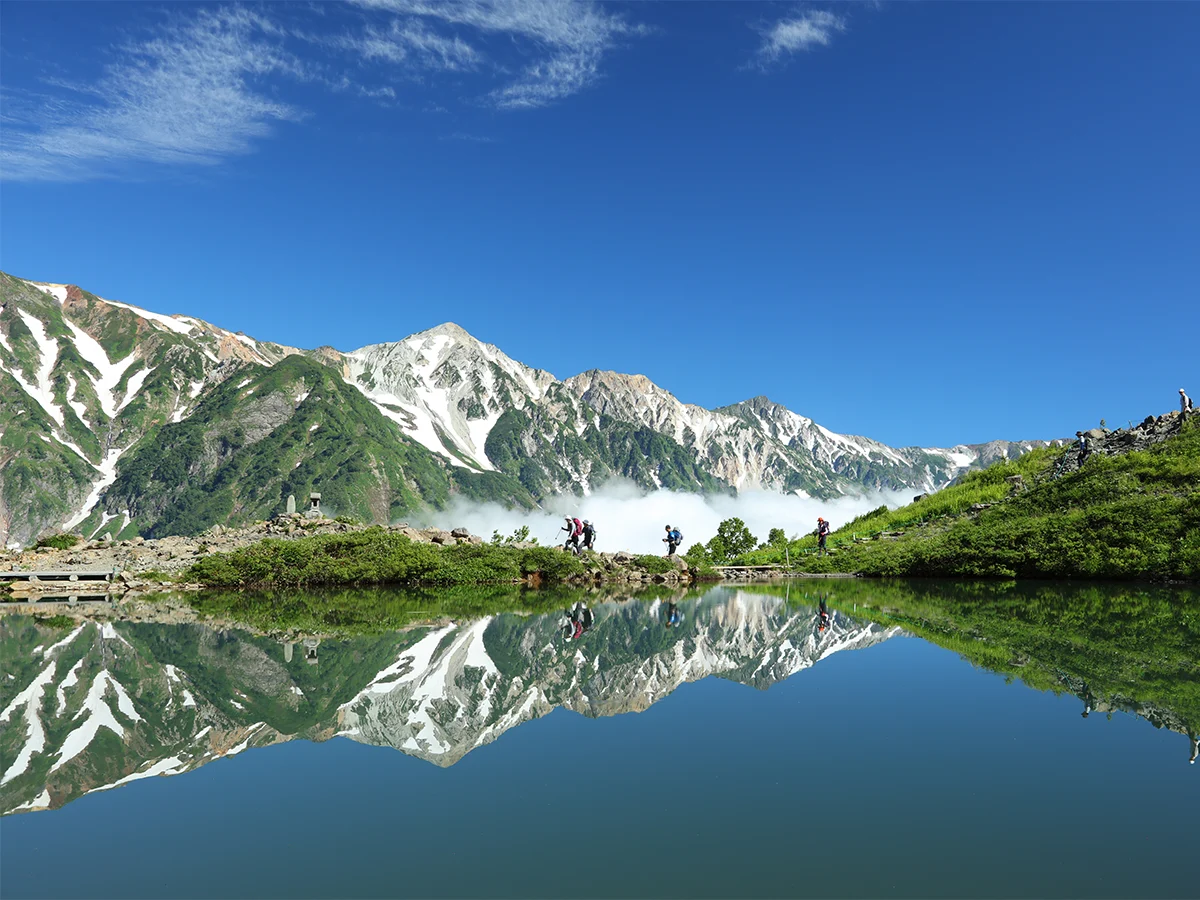
For decades, the mention of Japan’s ski resorts conjured images of pristine powder, après-ski sake, and the rhythmic carving of skis against the slopes of Nagano and Hokkaido. However, a significant paradigm shift is currently underway. As global temperatures rise and the demand for "cool-cationing" intensifies, Japanese mountain resorts are successfully rebranding themselves as year-round leisure powerhouses.
Far from being dormant during the green season, these high-altitude landscapes are now vibrant hubs of adventure, gastronomy, and celestial wonder. By leveraging their natural geography, these resorts are offering an escape from the stifling humidity of Japan’s urban summers, turning the mountains into the ultimate seasonal sanctuary.
The Evolution of the Mountain Economy: Main Facts and Trends
The transformation of ski resorts into summer destinations is not merely a survival tactic; it is a strategic evolution of Japan’s domestic tourism sector. Traditionally, these facilities operated on a four-to-five-month business model. Today, by integrating infrastructure like gondolas and ropeways—originally built for winter sports—these resorts provide seamless access to high-altitude environments that would otherwise be inaccessible to the average tourist.
The primary draw is the climate. At elevations exceeding 1,500 meters, temperatures are significantly lower than in the metropolitan basins of Tokyo or Osaka. This natural air conditioning, combined with an influx of capital investment in glamping, adventure parks, and high-altitude dining, has created a compelling alternative to the traditional seaside summer vacation.
A Chronological Shift: The Move Toward "Green Season" Tourism
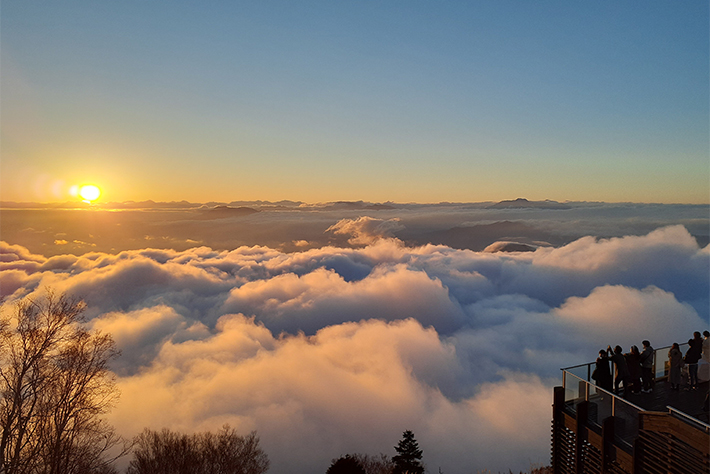
The shift began in the early 2010s, as resort operators sought to mitigate the financial risks associated with unpredictable snowfall. Initially, the approach was modest, focusing on mountain biking and basic hiking. By 2018, the strategy had matured. Operators began investing heavily in "destination experiences"—specifically curated events like the "Sea of Clouds" phenomenon at Ryuoo Mountain Resort and the "Mountain Beach" concept at Hakuba.
Post-2020, the focus pivoted further toward wellness and nature-based tourism. The introduction of high-altitude saunas, yoga retreats, and professional-grade adventure parks like Tsugaike’s "WOW!" signaled that these resorts were no longer just "ski areas," but fully integrated mountain resorts.
Supporting Data: Why Visitors Are Choosing the Peaks
The numbers underscore the efficacy of this pivot. At the Ryuoo Mountain Resort, the "SORA terrace" facility reported a staggering 65.9% occurrence rate for the "sea of clouds" phenomenon during the 2022 season. This statistic has become a cornerstone of their marketing, proving that data-driven experiences drive foot traffic.
Furthermore, the logistical ease of access—aided by the Shinkansen network and efficient highway bus lines—means that tourists can reach these alpine zones without the need for a rental car. The ability to traverse three major resorts in a single weekend trip, as documented in recent travel itineraries, has increased the average length of stay for summer visitors, providing a much-needed boost to local rural economies.

Spotlight on Premier Destinations
Ryuoo Mountain Resort: Where the Clouds Touch the Earth
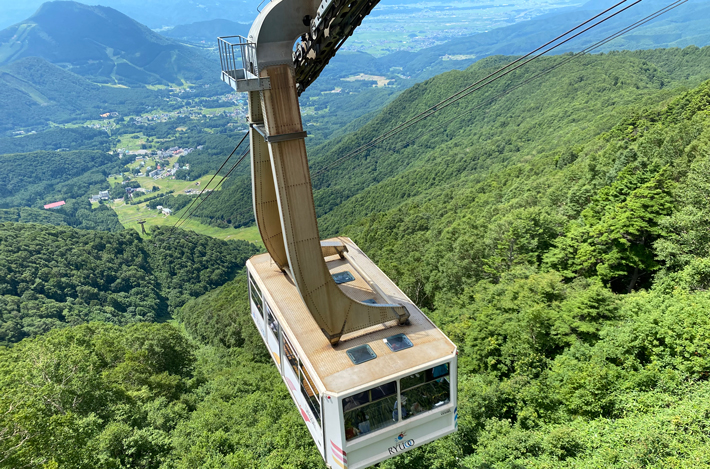
Located in the Kitashiga Highlands of northeastern Nagano, Ryuoo Mountain Resort has mastered the art of the "elevated experience." The crowning jewel is the SORA terrace, accessible via one of the world’s longest ropeways. Perched at 1,770 meters, it offers a vantage point that feels disconnected from the world below.
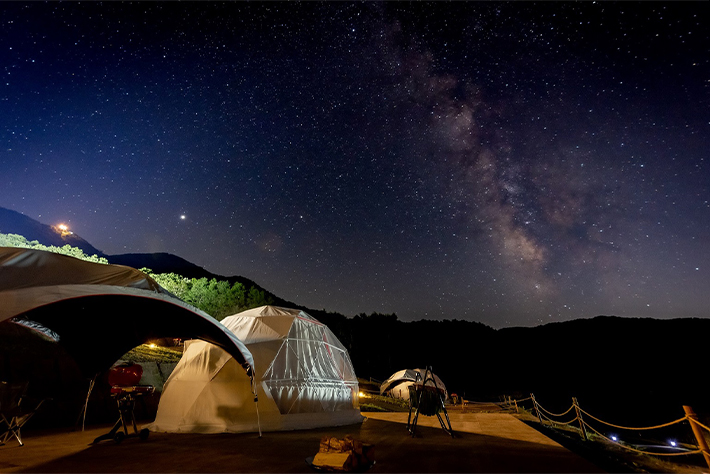
The resort’s success lies in its attention to detail. The café menu is not merely a place to eat; it is an extension of the scenery, featuring sweets crafted from locally sourced Nagano fruits and photogenic, cloud-inspired dishes that cater perfectly to the social media-conscious traveler. For those seeking a deeper connection to nature, the glamping facilities at the base of the mountain offer an immersive experience, allowing guests to transition from a golden sunset to a sprawling, unobstructed view of the Milky Way.
Hakuba Happo-One: The Alpine Mecca Reimagined
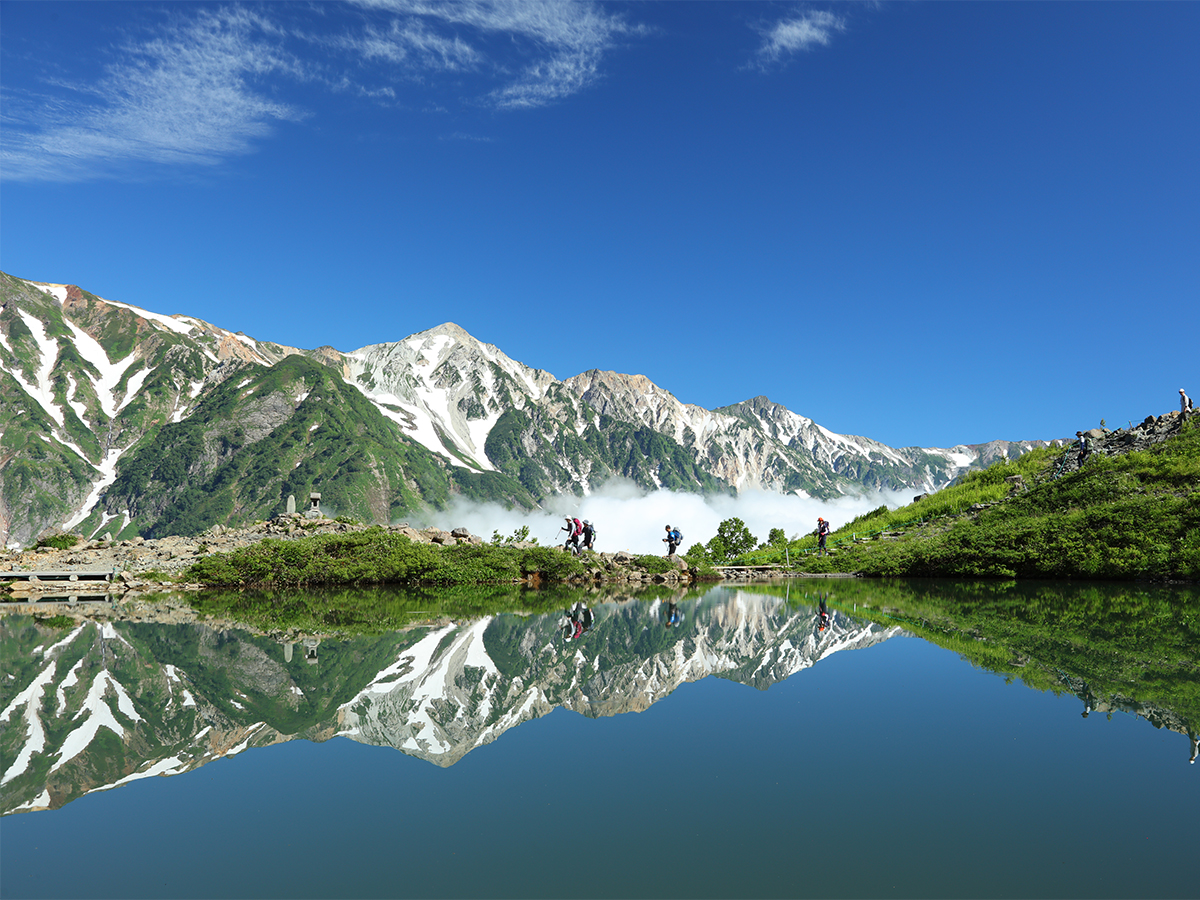
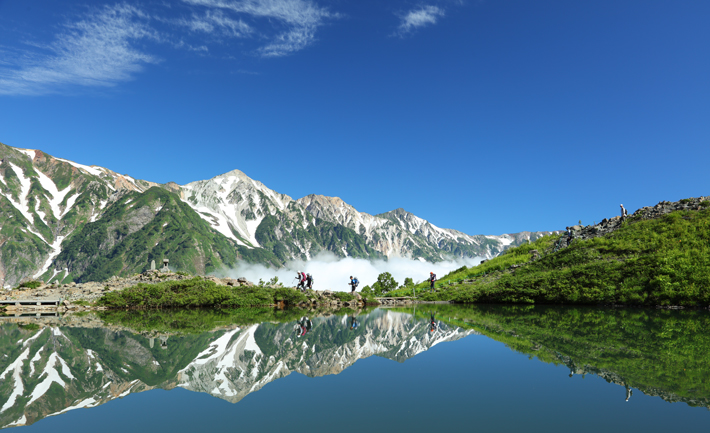
Hakuba has long been known as a winter sports mecca, but its summer persona is defined by the tranquil beauty of the Happo-One Pond. By utilizing gondolas to reach the 1,800-meter mark, visitors are granted easy access to a trekking path that offers panoramic views of the Hakuba mountain range.
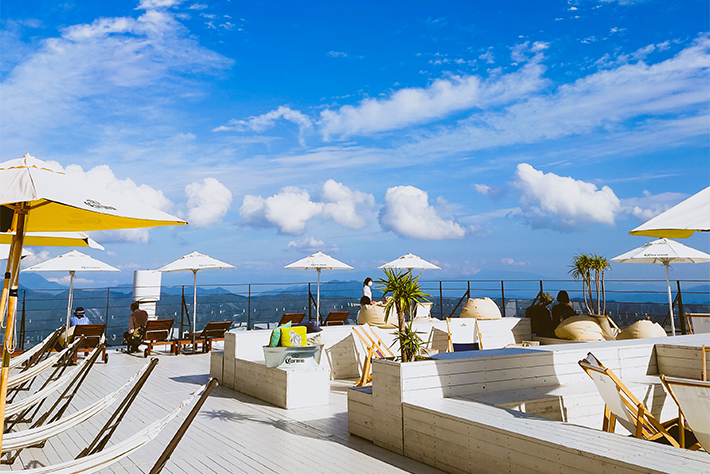
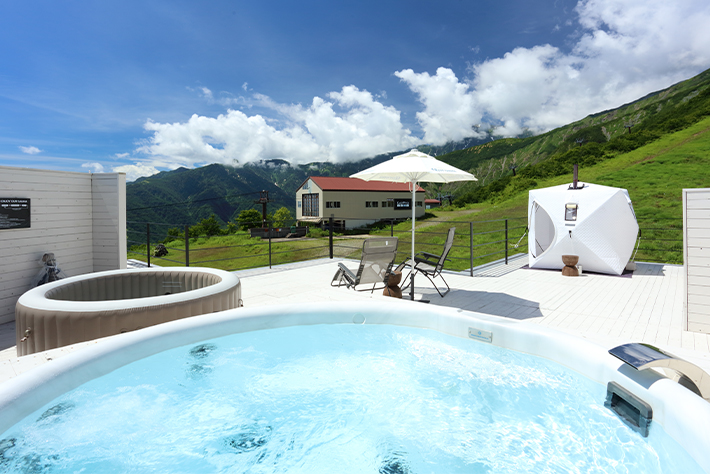
The reflection of the three peaks in the mirror-like surface of Happo Pond is a quintessential Japanese alpine scene. Crucially, the resort has maintained a beginner-friendly approach, ensuring that nature is accessible to everyone, not just experienced mountaineers. For those who prefer leisure over trekking, "HAKUBA MOUNTAIN BEACH" provides a surreal juxtaposition: a beach club atmosphere at 1,400 meters. The inclusion of high-altitude saunas and jacuzzis speaks to the current Japanese wellness trend, where thermal contrast therapy (sauna-to-cool-air) is used to reset the body and mind.
Tsugaike Mountain Resort: The Ultimate Adventure Playground
Tsugaike takes a different approach, positioning itself as the premier "adventure hub" of the region. The "WOW!" facility is a testament to this, featuring high-adrenaline activities like the "Cogidas" sky-cycling and the "Tobidas" tube jump, which drops users into a 12-meter freefall.
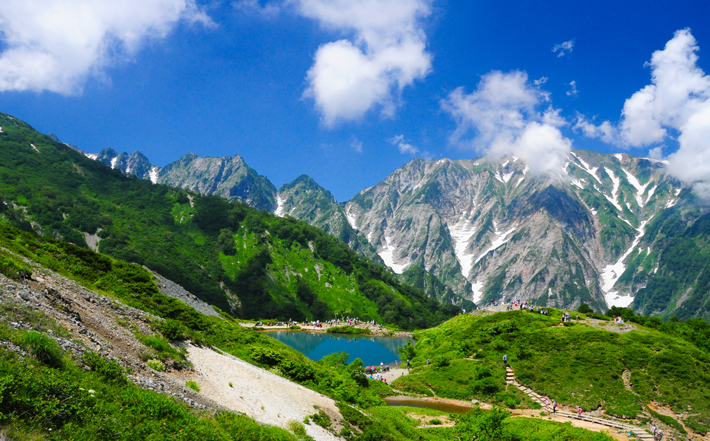
Beyond the thrill-seeking, Tsugaike provides a gateway to one of Japan’s most important high-altitude wetlands. At 1,900 meters, the nature park offers a rare opportunity to observe alpine flora and fauna. By balancing extreme sports with conservation-focused nature tours, Tsugaike successfully captures a diverse demographic, ranging from families with young children to serious botanists and hikers.
Official Perspectives and Industry Implications
Industry experts and local tourism boards view this summer expansion as an essential component of Japan’s "Sustainable Mountain Tourism" policy. By diversifying the tourism calendar, these resorts are helping to prevent the "ghost town" effect that often plagues ski towns during the off-season.
The implication for the future is clear: the integration of infrastructure is the key to longevity. Because these resorts already possess the massive machinery (gondolas/ropeways) required to move large volumes of people, they have a natural competitive advantage over other mountain tourism destinations that lack such transport connectivity.
Moreover, as the Japanese government continues to push for regional revitalization, these resorts act as anchors for local agriculture and artisanal crafts. The food served in these mountain cafés often supports the surrounding villages, creating a symbiotic relationship that sustains the mountain economy year-round.
Conclusion: A New Standard for Summer Leisure
The transformation of Japan’s ski resorts into summer destinations is a masterclass in adapting to change. By moving beyond the "snow-only" mindset, these resorts have unlocked the potential of Japan’s majestic mountain ranges for the warmer months.
Whether you are looking for the meditative silence of a sea of clouds, the physical challenge of an alpine trek, or the adrenaline rush of a mountain adventure park, the peaks of Nagano offer an unparalleled retreat. As travelers continue to seek out cooler, nature-immersive experiences, Japan’s mountains are ready to greet them—not with ice and snow, but with clear skies, crisp air, and a refreshing new perspective on the Japanese summer.
If your travel calendar is open, the high-altitude resorts of Nagano are no longer just a winter dream; they are a summer reality waiting to be explored.


 Neng Nana
 Asro
Asro