Asro
Asro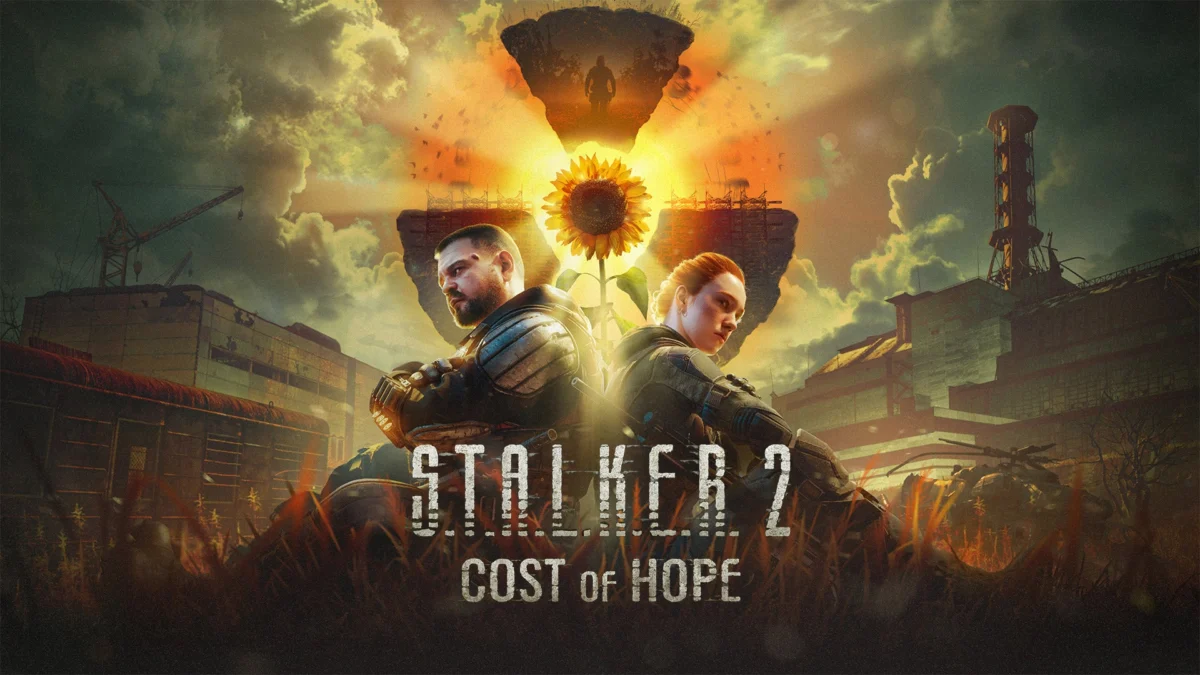
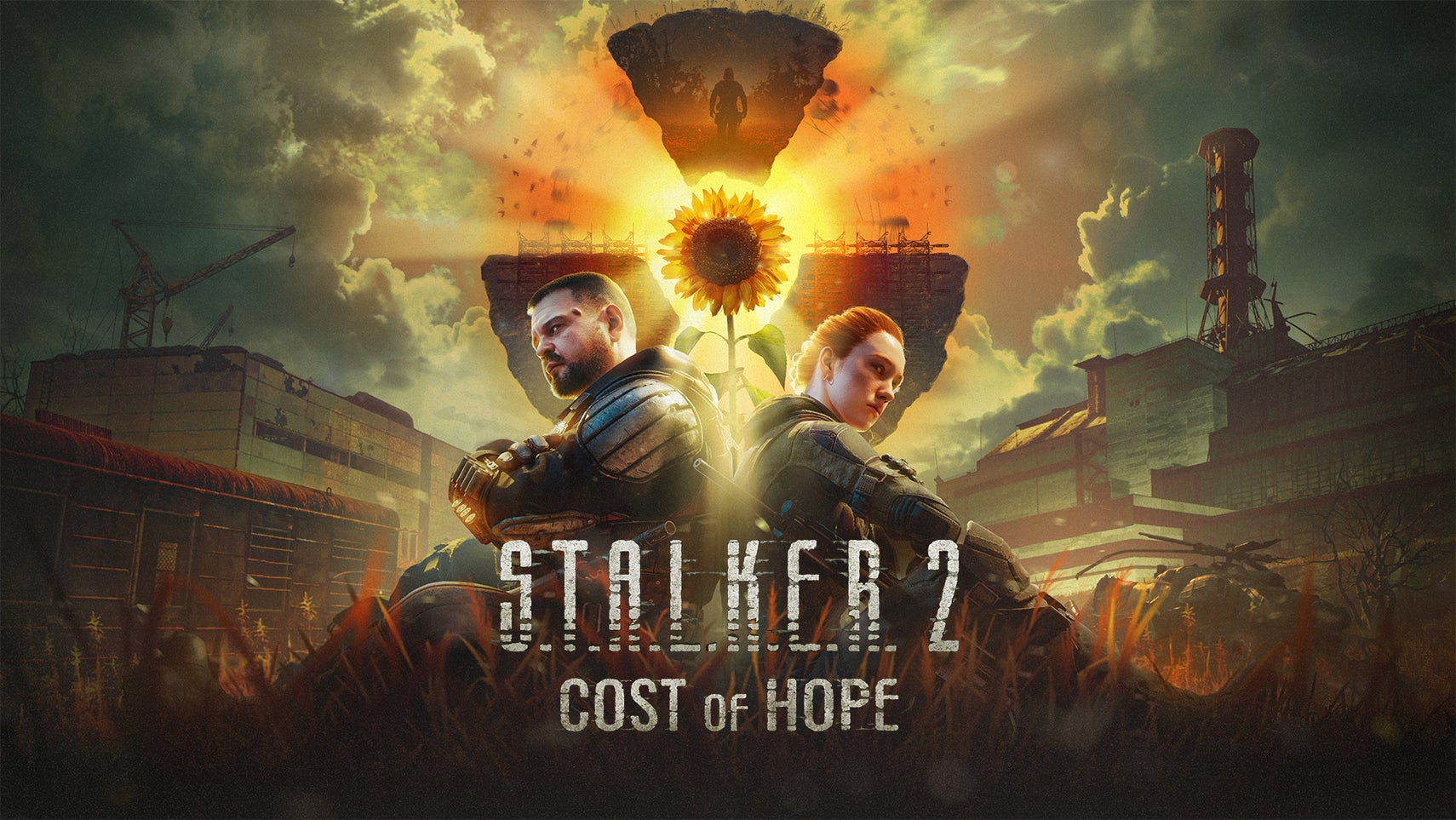
The haunting, irradiated landscapes of the Chornobyl Exclusion Zone are set to expand. During the highly anticipated Xbox Partner Preview showcase, GSC Game World surprised the gaming community by announcing Cost of Hope, the first major expansion for the critically acclaimed S.T.A.L.K.E.R. 2: Heart of Chornobyl. While fans had speculated about potential post-launch support, the scale and depth of this new narrative add-on signal a significant commitment to deepening the lore and mechanics of one of 2024’s most atmospheric titles.
Scheduled for a release window in the summer of 2026, Cost of Hope promises to return players to the boots of Skif, the game’s protagonist, for a journey that runs parallel to the events of the core narrative. With a promise of dozens of hours of additional content, two massive new regions, and a deeper dive into the ideological warfare of the Zone’s most prominent factions, the expansion is poised to be a landmark addition to the series.
The Core Facts: A New Chapter in the Exclusion Zone
Cost of Hope is not merely a collection of side quests; it is a full-fledged expansion designed to flesh out the world-building established in Heart of Chornobyl. The expansion is described by GSC Game World as "non-linear," a design philosophy that reflects the unpredictable nature of the Zone itself.
Key Features of the Expansion:
- Narrative Scope: The story functions as a parallel narrative, allowing players to experience the Zone from a new perspective while remaining tethered to the overarching mystery of the main game.
- New Regions: Two entirely new, high-fidelity regions are being introduced, both of which serve as major hubs.
- The Power Plant and Beyond: Players will finally gain access to the iconic Chornobyl Nuclear Power Plant, alongside the eerie and dense environment of the Iron Forest.
- Faction Conflict: The narrative centers on the bitter ideological war between the Duty and Freedom factions, forcing players to navigate the moral complexities of their conflicting philosophies regarding the Zone’s existence.
- Content Density: Each region includes unique NPCs, questlines, emergent activities, and side stories, adding dozens of hours of gameplay.
- Arsenal Expansion: As is tradition for the franchise, the expansion will introduce a suite of new weapons, some of which were teased in the debut announcement trailer.
Chronology: From Launch to Expansion
The trajectory of S.T.A.L.K.E.R. 2 has been nothing short of historic. Following its release, the game was lauded for its uncompromising difficulty and unparalleled atmosphere. The announcement of Cost of Hope marks the beginning of a new phase in the title’s lifecycle.
The Development Timeline:
- Late 2024: The base game, S.T.A.L.K.E.R. 2: Heart of Chornobyl, launches to global acclaim, cementing its status as a benchmark for survival-horror gaming.
- Early 2026: GSC Game World teases a major announcement leading up to the Xbox Partner Preview, sparking widespread speculation regarding a potential sequel or major DLC.
- Summer 2026: The official reveal of Cost of Hope.
- Summer 2026 (Forthcoming): The anticipated launch of the expansion, simultaneously across PC, Xbox, and PlayStation platforms.
Looking ahead, GSC Game World has confirmed that Cost of Hope is only the second piece of a larger puzzle. The developers have revealed that the main game and two planned expansions will form a trilogy of interconnected stories, ensuring that the legacy of Heart of Chornobyl will continue to evolve for years to come.
Supporting Data: The Faction Dynamic
The heart of the S.T.A.L.K.E.R. experience has always been the social and political stratification of the Zone. In Cost of Hope, GSC Game World is leaning heavily into this. The conflict between Duty and Freedom represents two diametrically opposed worldviews that are fundamental to the series’ identity.
- Duty: A militaristic faction that views the Zone as a cancer to be contained and destroyed. Their philosophy is one of sacrifice and rigid discipline.
- Freedom: A collection of anarchists, explorers, and idealists who view the Zone as a scientific marvel and a place of liberation. They advocate for the exploration and understanding of the Zone’s anomalies.
By tasking the player with navigating the intersection of these two factions, the expansion forces a choice that is not just tactical, but philosophical. This non-linear approach ensures that player agency remains at the forefront, as the outcomes of these quests will likely ripple through the player’s understanding of the Zone’s true purpose.
Official Responses and Developer Vision
GSC Game World’s communication regarding Cost of Hope has been focused on transparency and ambition. The studio has emphasized that the expansion is not a "cut-content" scenario, but rather a deliberate extension of the world.

"We wanted to give players a reason to look deeper into the heart of the Exclusion," a representative from GSC Game World stated during the reveal. "By introducing the Power Plant and the Iron Forest, we are inviting players to confront the very origins of the chaos they’ve been surviving in. Cost of Hope is about more than just fighting mutants; it’s about understanding what remains when hope is the only currency left in a radioactive wasteland."
The studio also addressed the cross-platform nature of the release, confirming that the technical performance of the expansion will mirror the high standards set by the base game, ensuring parity across PC, Xbox, and PlayStation.
Implications for the Genre
The announcement of Cost of Hope has significant implications for the survival-horror genre. In an industry that often relies on "live-service" models, GSC Game World’s commitment to narrative-driven, substantial expansions is a testament to the enduring appeal of the single-player experience.
Why This Matters:
- The Renaissance of the "Expansion Pack": By delivering "dozens of hours" of content, GSC is signaling a return to the classic expansion pack era, where DLC was a significant addition rather than a micro-transactional cash grab.
- Narrative Interconnectivity: The decision to link the base game and two future expansions into a trilogy suggests a long-term narrative roadmap. This builds player loyalty and keeps the community engaged for years, rather than weeks.
- Setting the Standard for Atmosphere: By revisiting the most iconic locations—the Chornobyl Nuclear Power Plant—the developers are setting a high bar for environmental storytelling. The sheer technical challenge of recreating these environments in high fidelity is a massive undertaking that underscores the studio’s dedication to the craft.
The Technical Challenge
The inclusion of the Power Plant as an explorable zone is particularly noteworthy. In the original S.T.A.L.K.E.R. games, the Power Plant was often the end-game destination—a place of high tension and finality. By opening this space up as a hub for new activities, GSC is effectively recontextualizing the most dangerous location in the series. It implies a shift in gameplay, where the player is no longer just running for their life, but actively investigating the "why" behind the Exclusion Zone.

Conclusion: A Future in the Zone
As we look toward the summer of 2026, the anticipation for Cost of Hope is palpable. For veterans of the series, it represents a homecoming to the most dangerous and rewarding place in gaming. For newcomers, it is an opportunity to dive into a world that is expanding in complexity and scale.
The S.T.A.L.K.E.R. franchise has survived decades of development cycles, geopolitical turmoil, and industry shifts, yet it remains one of the most distinct and uncompromising series in existence. With Cost of Hope, GSC Game World is proving that they have no intention of slowing down. They are inviting us back to the Zone, and if the past is any indication, we would be wise to pack our gas masks, check our rifles, and prepare for whatever horrors—and wonders—await us in the shadow of the reactor.
Stay tuned for more updates as the release date approaches. In the Zone, the only thing more dangerous than the anomalies is the silence between the storms. And right now, that silence is breaking.



 Muslim