Asro
Asro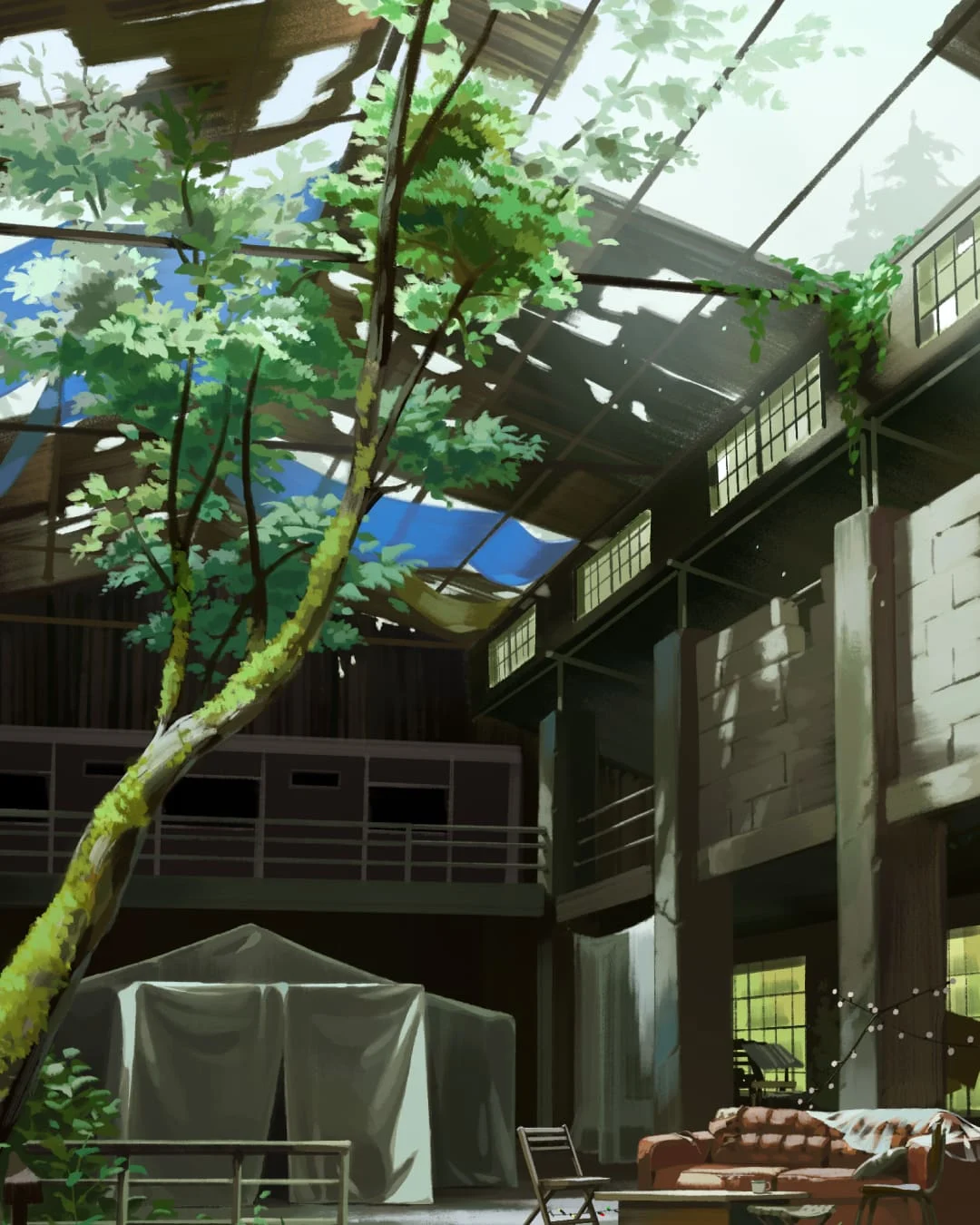
By: Editorial Staff
Reporting from the Annecy International Animation Film Festival
At the 2026 Annecy Animation Film Festival, the animation world received a definitive roadmap for the future of Adult Swim’s acclaimed series, Common Side Effects. During a highly anticipated "Work in Progress" session, co-creators Joe Bennett and Steve Hely, alongside supervising director Benjy Brooke and director Camille Bozec, officially confirmed that the show’s sophomore season is slated for a 2027 premiere.
The presentation provided a rare glimpse into the production philosophy of a show that has rapidly established itself as a cornerstone of modern adult animation, blending high-stakes conspiracy thrillers with deeply human, grounded character studies.
The Evolution of a Fugitive Narrative: From High-Octane to "Hiding Out"
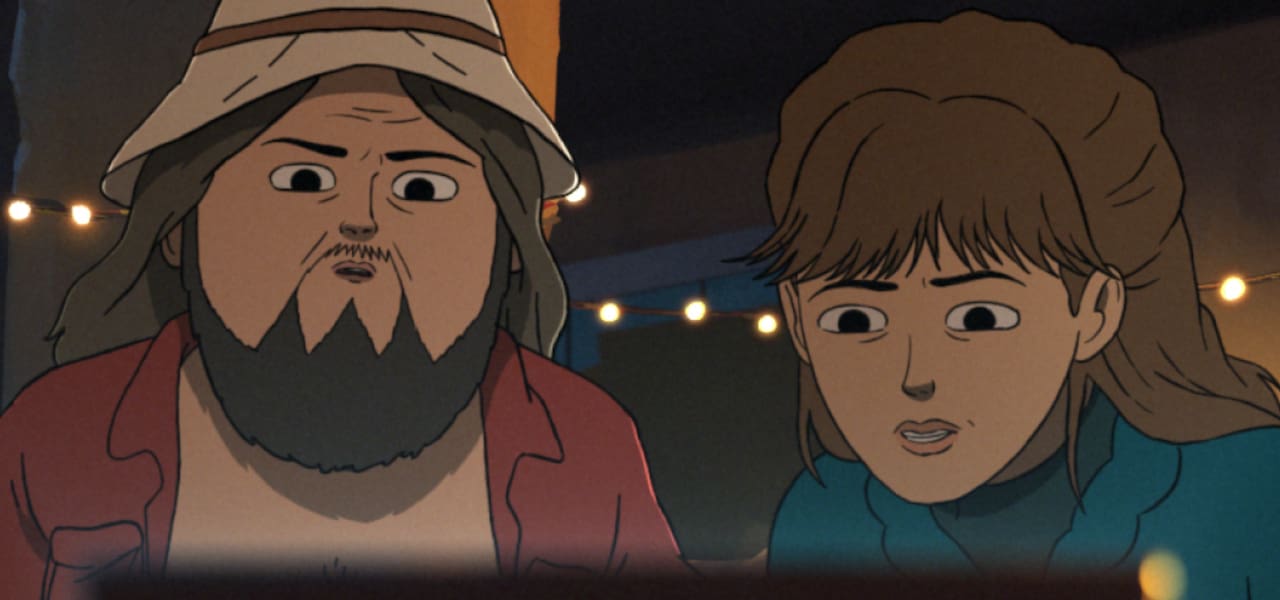
The first season of Common Side Effects was defined by its relentless, breakneck pacing. The story centered on Marshall Cuso, a mycologist who discovers a revolutionary mushroom capable of curing all human ailments. This discovery immediately cast him into the crosshairs of both government agencies and the predatory, profit-driven world of "Big Pharma."
The season concluded with a cliffhanger that shifted the tectonic plates of the show’s narrative: the mushroom was declared illegal, and Marshall—having barely survived a violent raid on a farm—found himself a fugitive, fleeing to the Pacific Northwest.
According to co-creator Steve Hely, the creative team intentionally pivoted the tone for Season 2. "It seemed to us that there might be a story here about people hiding out, trying to establish a little space and staying off the grid," Hely explained to Cartoon Brew ahead of the presentation. "It allows us to have the characters come to terms with what they’ve been dealing with. We thought it might seem stagnant or not as exciting, but it actually has its own unique, quiet tension."
.png)
This "slower" approach is a deliberate creative choice designed to deepen the bond between the audience and the protagonists. As Joe Bennett noted, "People are now familiar with Marshall and Frances, so you can just be with them and have slower scenes and moments of levity. But we are still pushing our resources—the number of locations, the introduction of new characters—everything is bigger, even if it also feels smaller."
Setting the Stage: The Oregon Connection and Hyper-Realism
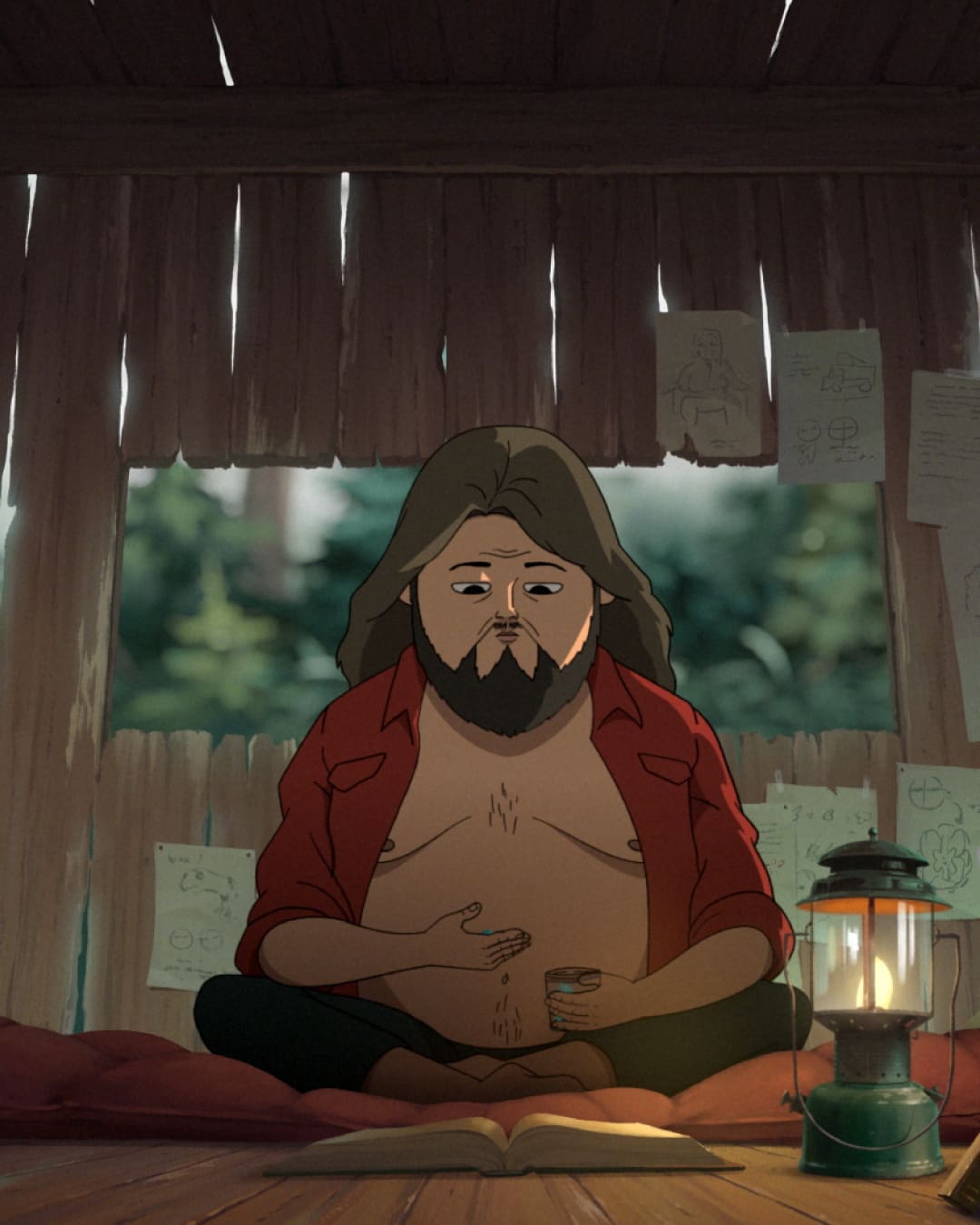
While the first season was a literal and figurative road trip, Season 2 settles into a specific locale: a town in Oregon. This choice serves as a narrative anchor, allowing the creators to focus on the "portal" phenomenon—the mysterious, potentially psychedelic visions experienced by those who consume the titular mushroom.
Visually, the show continues to defy the conventions of traditional adult animation. Despite the presence of surreal, white-creature hallucinations and stylized character designs—notably the signature "big-headed" aesthetic—the series strives for a hyper-realistic depiction of the mundane world.
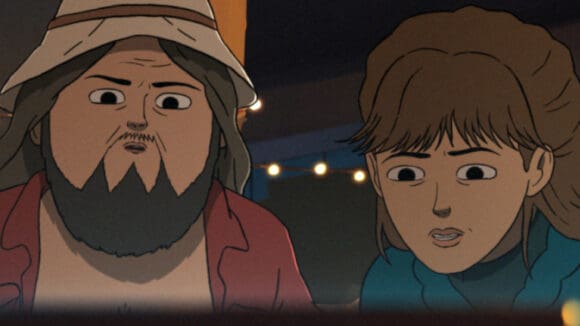
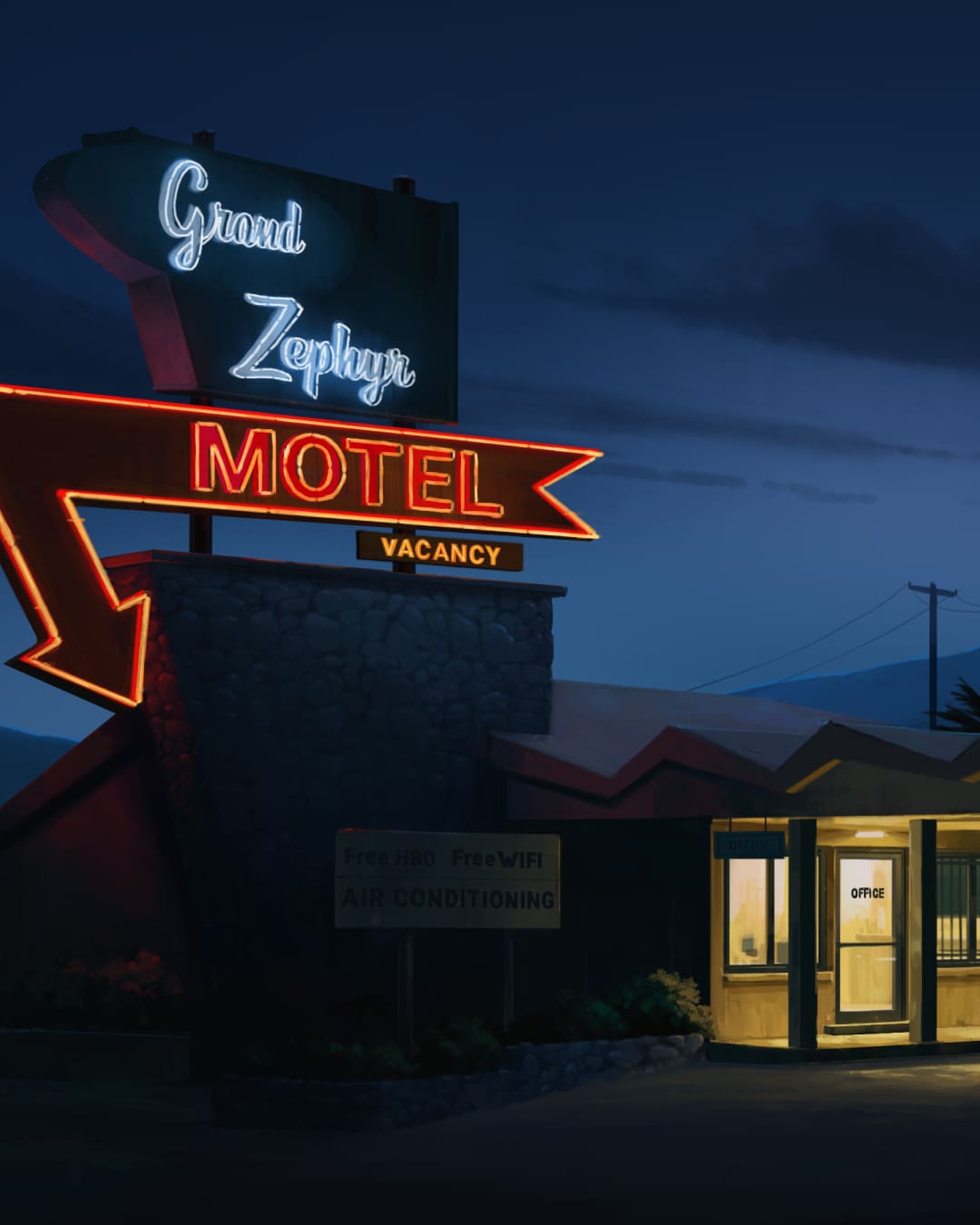
"We have this incredible team of background artists who give it this moody atmosphere and are accurate to the real thing," Hely remarked. For the second season, the production team conducted extensive research into the aesthetics and geography of small-town Oregon, ensuring that the settings feel lived-in, historical, and deeply grounded in reality. This contrast between the fantastical elements of the mushroom and the gritty, cinematic realism of the world is what gives Common Side Effects its distinct visual signature.
A Manifesto Against AI: The Stand at Annecy
One of the most powerful moments during the Annecy session occurred when supervising director Benjy Brooke presented a montage of show layouts. Brooke emphasized that the level of detail seen on screen—every object on every table, every layer of the background—is the result of painstaking, human-led labor.
Addressing the looming shadow of automation in the creative arts, Brooke issued a definitive statement that resonated through the venue: "Green Street Pictures will never use AI." The declaration was met with thunderous, sustained applause. Brooke doubled down, adding, "F*** AI! Boycott AI," cementing the studio’s stance as a bastion for traditional, human-centric craftsmanship in an increasingly digitized industry.
Deepening the Lore: The Science of Storytelling
The mushroom at the heart of the series is no longer just a plot device; it is a complex mystery that the second season will peel back in layers. The creative team has gone to great lengths to ensure this "lore" feels authentic, consulting with a wide range of experts, including DEA agents, professional mycologists, lawyers specializing in the legalities of emerging psychedelics, and even archaeologists.
However, viewers hoping for a massive "info-dump" episode should temper their expectations. Inspired by the guiding principles of executive producers Greg Daniels and Mike Judge, the team approaches worldbuilding as if they are turning over cards in a deck.
"I think people are smart," Bennett said. "It just seems silly to hold the audience’s hand with everything. They want to figure stuff out. We certainly do have a map of what the mushroom is, but it doesn’t make sense to spell it out. What’s the fun in that?"
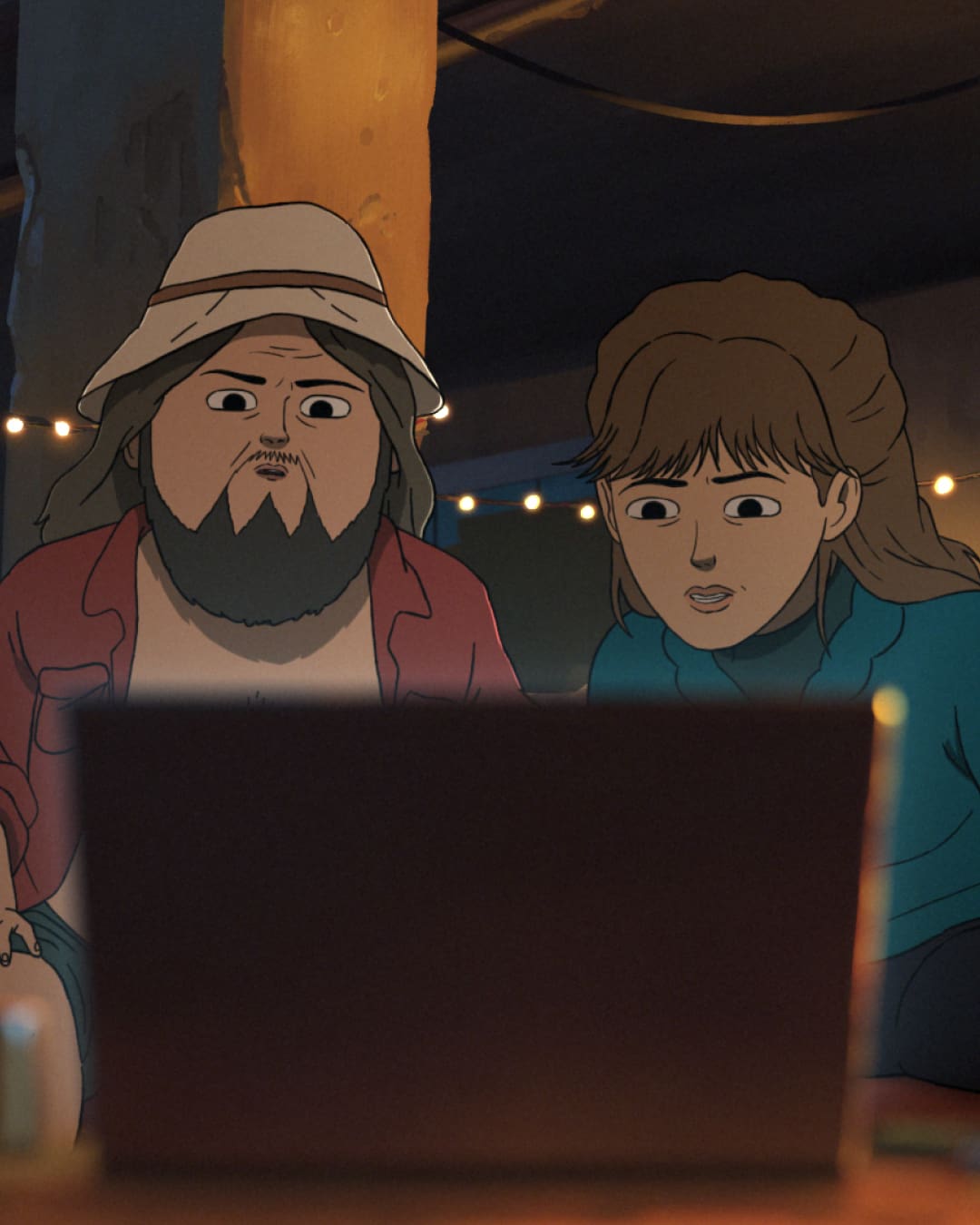
This philosophy ensures that the mystery remains engaging for the long haul. The show is not merely chasing the next plot twist; it is building a history that feels as though it exists independently of the characters.
Cinematic Influences: From Conspiracy Thrillers to Adventure
The visual and narrative identity of Common Side Effects is heavily influenced by live-action cinema. While the first season leaned into the "road-trip" genre, the upcoming season draws inspiration from a diverse range of film styles:
- Conspiracy Thrillers: Films like Michael Clayton, JFK, and The Insider serve as blueprints for the show’s exploration of corporate malfeasance and the feeling of being hunted by faceless organizations.
- Legal Dramas: Given the fallout from the first season’s trial and the pharmaceutical angle, the team has analyzed courtroom procedurals to handle the "legal" fallout of the mushroom’s discovery.
- Adventure Cinema: Perhaps most unexpectedly, the team cited the Indiana Jones franchise. Bennett clarified that this is not about the action, but about the pacing of discovery. "We want a story where you start following something, but it ends up taking you to these strange places, and then you’re too far in to get out."
Implications: A Ten-Season Vision
Perhaps the most significant takeaway from the Annecy session was the scope of the creators’ ambition. Steve Hely revealed that they are not writing for the immediate future, but with a massive, long-term narrative structure in mind.
"We think in terms of Season 10, not necessarily season by season," Hely explained. "This is the beginning of the characters’ arcs. We’ll take them down different paths, and then we’ll come back around and weave the storylines together. We’re setting little points for the future all the time."
This "long-game" approach suggests that Common Side Effects is intended to be a definitive piece of television literature—a sprawling, multi-year odyssey that balances the paranoia of a thriller with the humor of a character study. With a 2027 release date now locked in, the series stands as a testament to the power of deliberate, human-led storytelling, promising a future that is as mysterious and intoxicating as the mushroom at its center.
As the industry watches, Common Side Effects is proving that in an age of disposable content, there is still a massive audience hungry for something that asks them to pay attention, think, and—most importantly—wonder what card will be turned over next.


 Siti Muinah
 Evan Lee Salim