Nila Kartika Wati
The 1990s marked a seismic shift in the video game industry, a decade where technological leaps propelled interactive entertainment from pixelated novelties to increasingly immersive experiences. Among the most transformative advancements was the widespread adoption of digitized sprites. This technique, which involved capturing high-quality 3D models or even real-world footage and rendering them as 2D assets, breathed a new level of realism and visual flair into the games of the era. From gritty combat simulators to fantastical adventures, digitized sprites became a cornerstone of 90s game design, leaving an indelible mark on the visual landscape of gaming.

The Genesis of Digitized Realism
The nascent stages of 3D graphics in the early 1990s presented developers with a unique challenge: how to create visually rich and detailed characters and environments within the limitations of contemporary hardware. While true 3D rendering was still in its infancy, the concept of using 3D models as a basis for 2D sprites offered a compelling compromise. This approach allowed developers to leverage the power of advanced 3D modeling software and hardware, then translate those intricate designs into the familiar 2D sprite format that game engines of the time could readily process.

The process typically involved creating detailed 3D models, often using sophisticated workstations like Silicon Graphics’ Onyx and Challenge systems, which were also utilized in the film industry for CGI. These models would then be rendered from various angles, and the resulting images would be digitized, refined, and optimized into the 2D sprites that players would see on screen. In some instances, developers even employed live-action footage of actors, meticulously filmed against green screens, to capture authentic human movement and appearance. This fusion of 3D prowess and 2D presentation resulted in a visual style that was both innovative and remarkably impactful, setting the stage for some of the most memorable gaming experiences of the decade.
A Gallery of Digital Marvels: Iconic Games That Defined the Era
The impact of digitized sprites is best understood through the games that masterfully employed this technique. These titles not only showcased the visual potential of the technology but also cemented their place in gaming history through compelling gameplay and enduring legacies.
10. Batman Forever: The Arcade Game (1996)
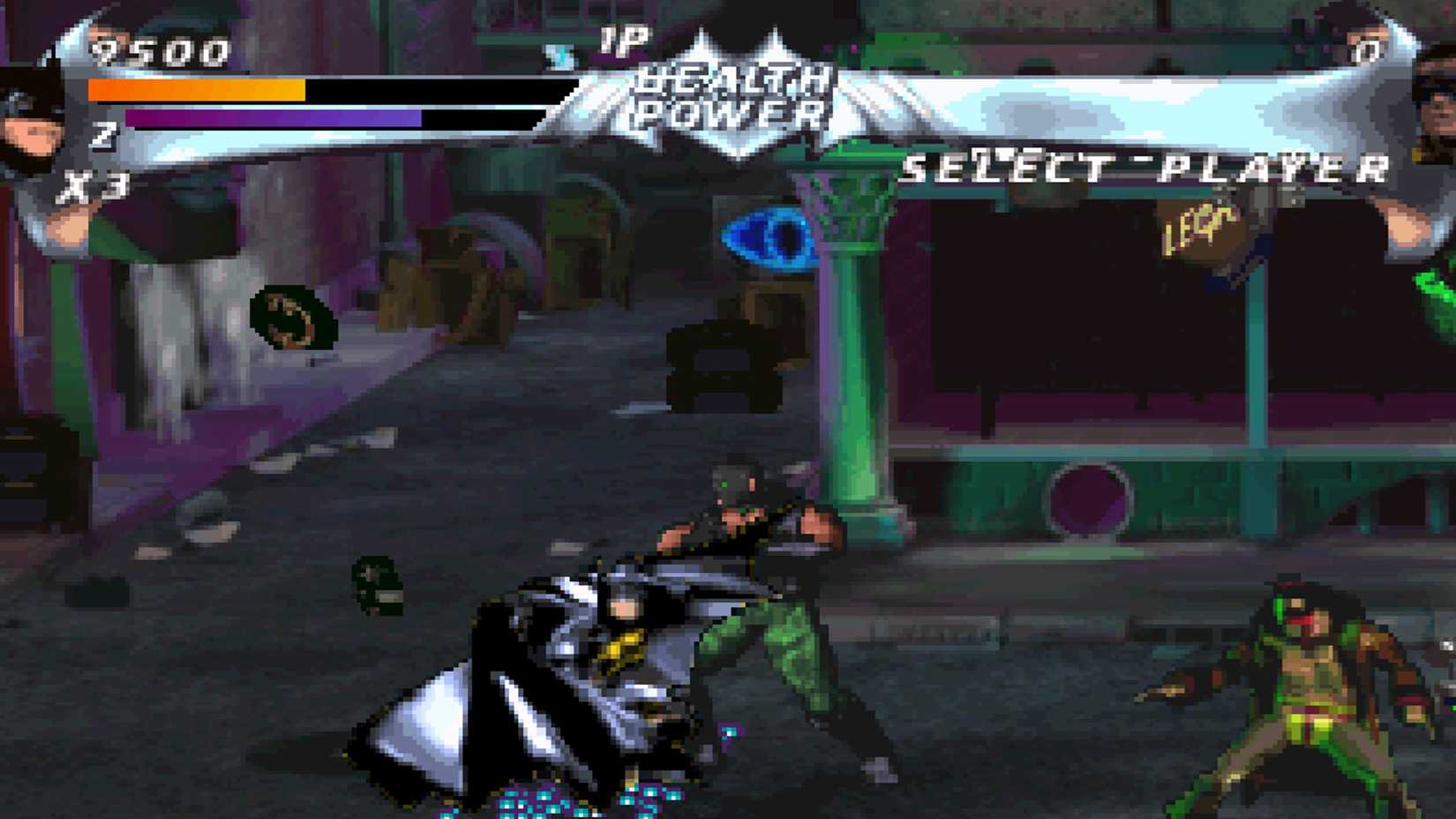
While the 1995 film Batman Forever received a lukewarm reception, its accompanying arcade beat ’em up, Batman Forever: The Arcade Game, offered a visually striking experience thanks to its impressive digitized sprites. The game’s aesthetic perfectly captured the dark, gritty tone of the movie, with Batman and Robin rendered in detailed 3D models that were then expertly translated into 2D sprites. Their animations were fluid and dynamic, adding a sense of weight and impact to the combat. Despite the game’s otherwise uninspired gameplay, the visual fidelity of its characters made it a noteworthy example of how digitized sprites could elevate a title, even if the underlying mechanics didn’t quite measure up.
9. NBA Jam (1993)
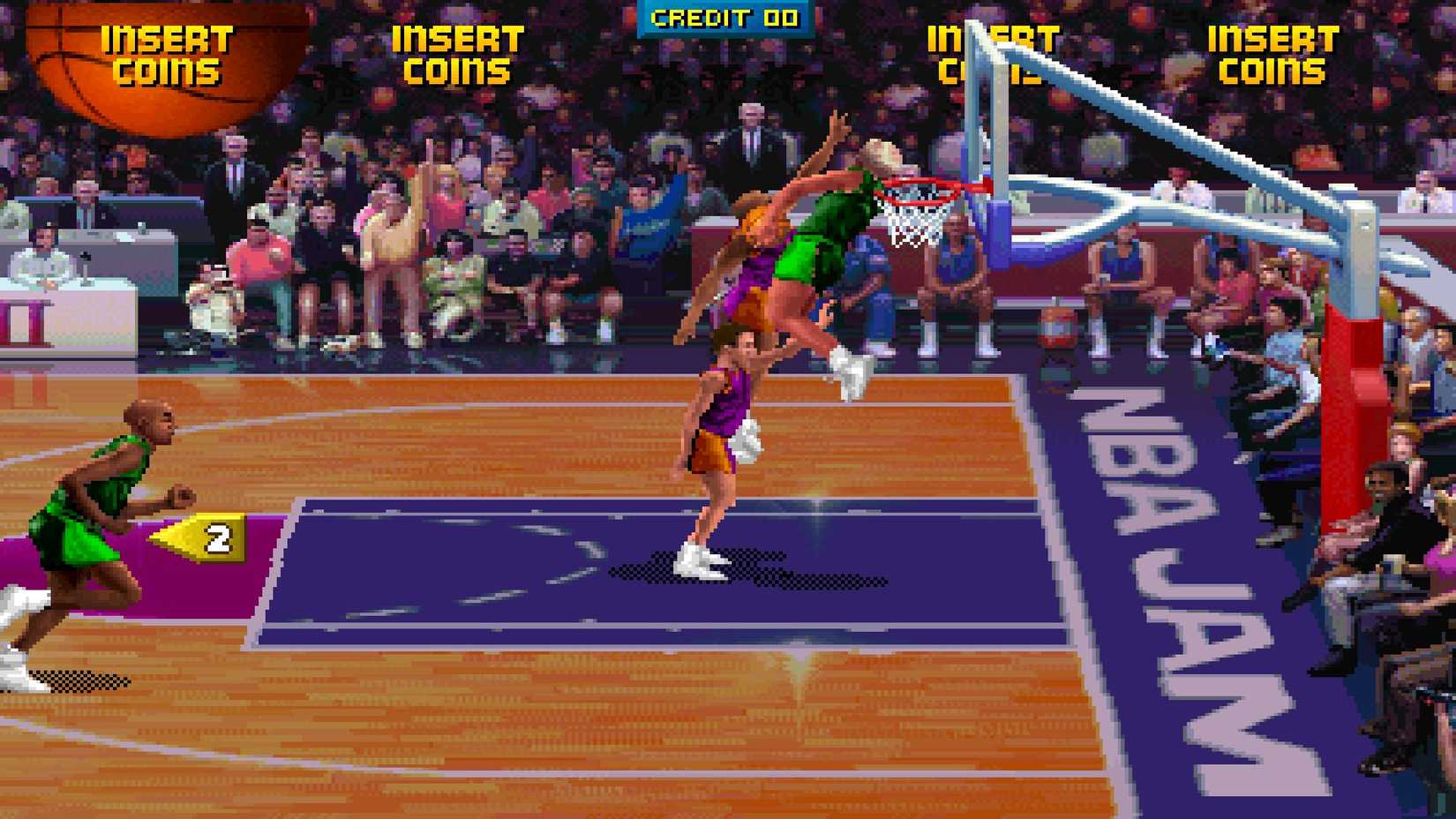
Few games embody the wild, unhinged spirit of 90s sports gaming quite like NBA Jam. This arcade basketball phenomenon eschewed realistic simulation for over-the-top action, and its visual presentation was a crucial component of its appeal. The game’s digitized sprites were created by filming amateur basketball players and then meticulously applying the faces of NBA stars, scanned from sports magazines, onto their digitized models. This ingenious, albeit primitive by today’s standards, approach resulted in characters that were both recognizable and possessed a unique, larger-than-life quality that perfectly matched the game’s frenetic pace and exaggerated gameplay. The iconic "He’s on fire!" moments were made all the more spectacular by the vibrant, digitized athletes.
8. Donkey Kong Country (1994)
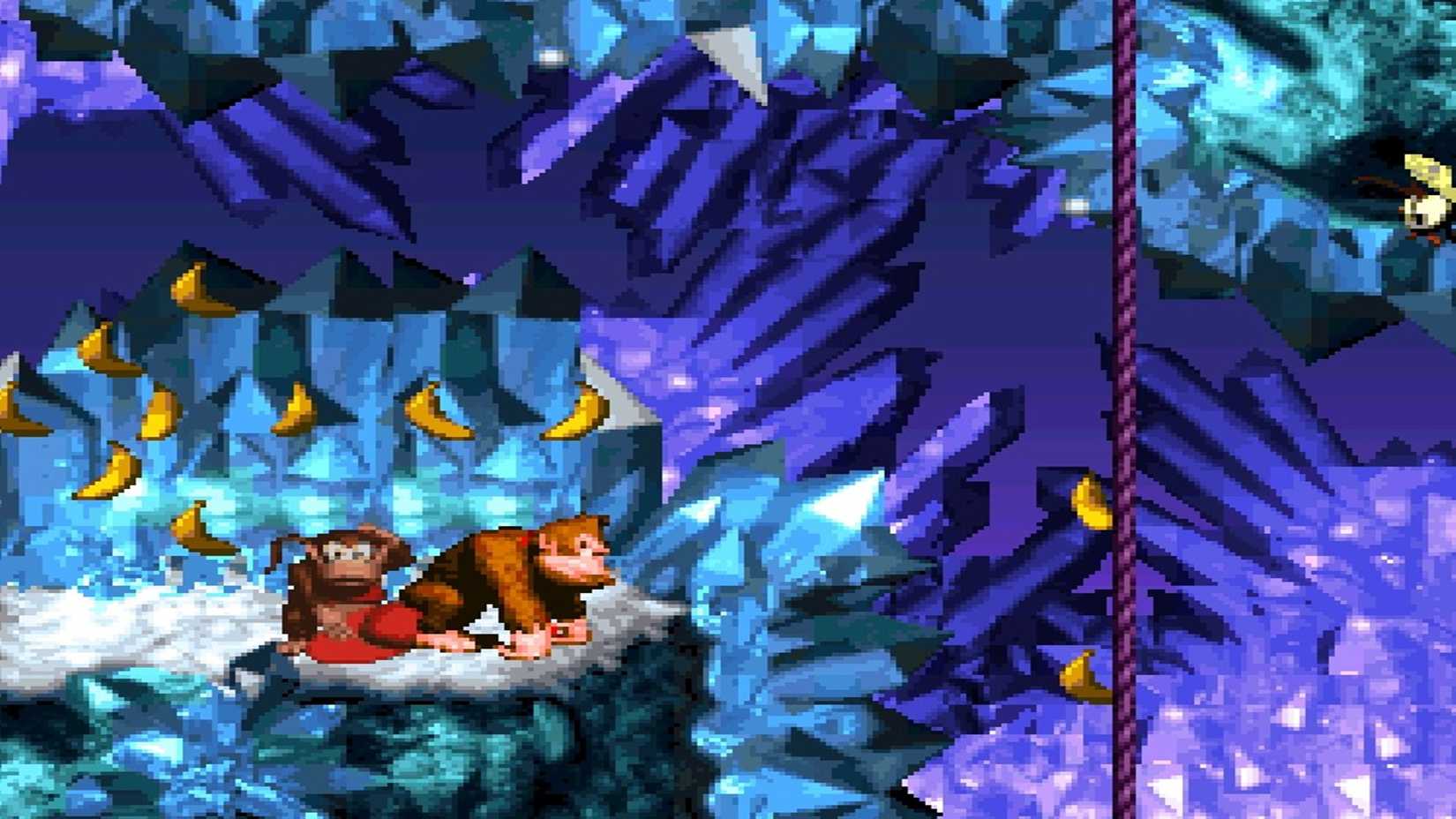
Rare’s Donkey Kong Country stands as a monumental achievement in 16-bit gaming, showcasing the power of innovative technology married with exceptional platforming design. The development team utilized high-end SGI workstations to create incredibly detailed 3D models of Donkey Kong, Diddy Kong, and their jungle companions. These models were then meticulously digitized and animated, resulting in sprites that were astonishingly lifelike for the Super Nintendo’s hardware. Despite some loss of color depth due to the SNES’s limitations, the visual impact was profound. The use of film industry-standard 3D modeling software like Softimage 3D and Alias Power Animator highlighted the growing synergy between film and video game development, a trend that would only accelerate in the coming years.
7. Doom (1993)
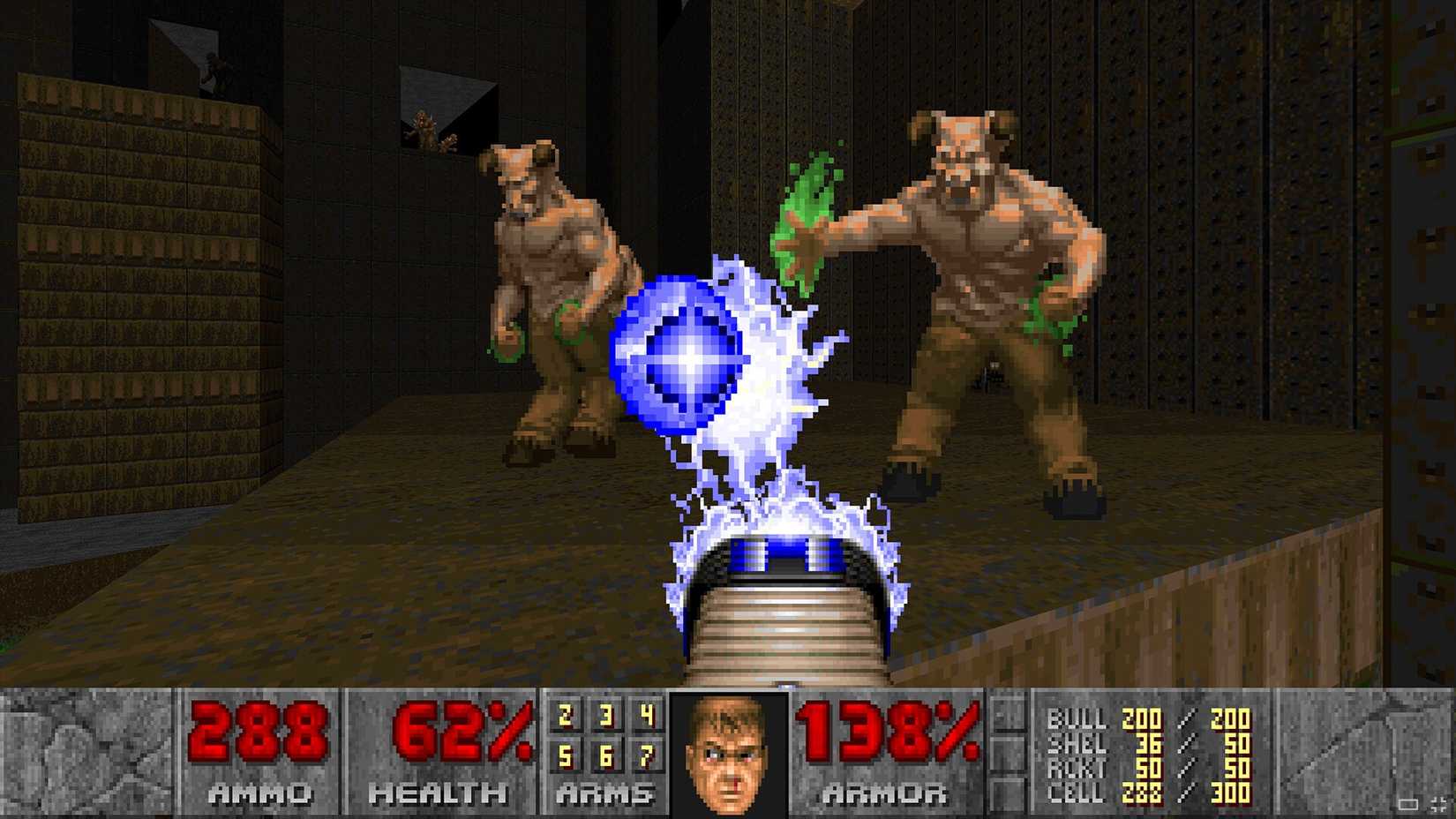
While Doom is celebrated for its groundbreaking first-person shooter mechanics and level design, the visual artistry of its digitized sprites is an often-overlooked triumph. id Software’s approach was refreshingly hands-on, employing a combination of physical objects, sculpted models, and detailed photography to create its iconic demonic adversaries and weaponry. This meticulous process imbued each sprite with a unique, tangible quality, contributing to the game’s pervasive sense of horror and visceral combat. The weapons, too, were crafted with real photographs and custom-made props, further enhancing the game’s gritty and immersive atmosphere. Doom remains a masterclass in achieving remarkable visual impact through creative resourcefulness and a deep understanding of the medium.
6. Street Fighter: The Movie (1995)
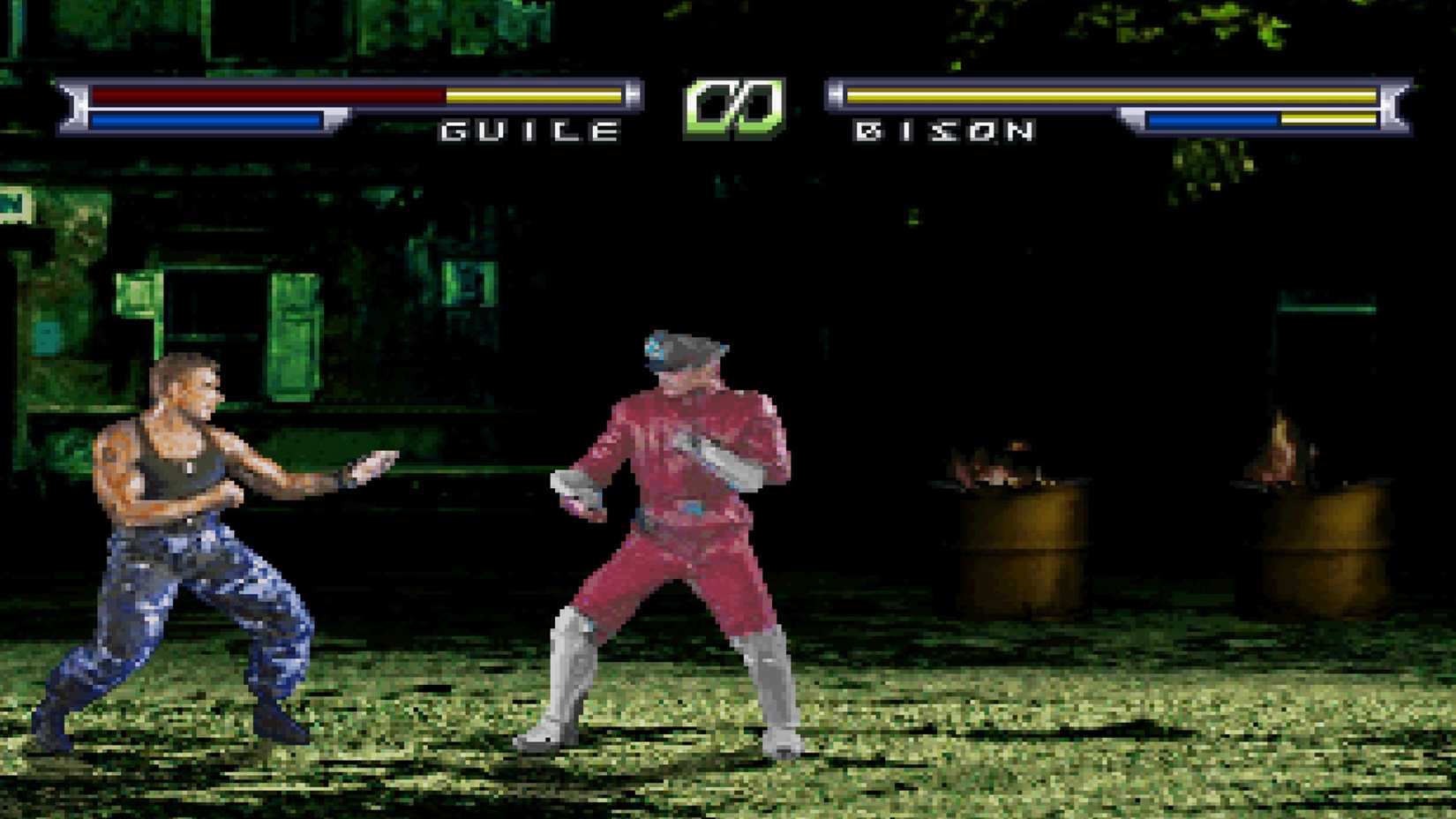
The 1994 Street Fighter movie, a campy endeavor starring Jean-Claude Van Damme, spawned an arcade game tie-in that, despite its questionable gameplay, boasted truly spectacular digitized sprites. During the film’s production, actors were tasked with posing and performing fight sequences in front of blue and green screens, specifically for the purpose of being digitized into 2D assets for the game. Released across arcades and home consoles, Street Fighter: The Movie the game might not have been a contender in the fighting game genre, but its sprite work was undeniably impressive. The actors’ likenesses and movements were captured with remarkable detail, creating a visual spectacle that, unfortunately, outshone the game’s overall quality.
5. WWF WrestleMania: The Arcade Game (1995)
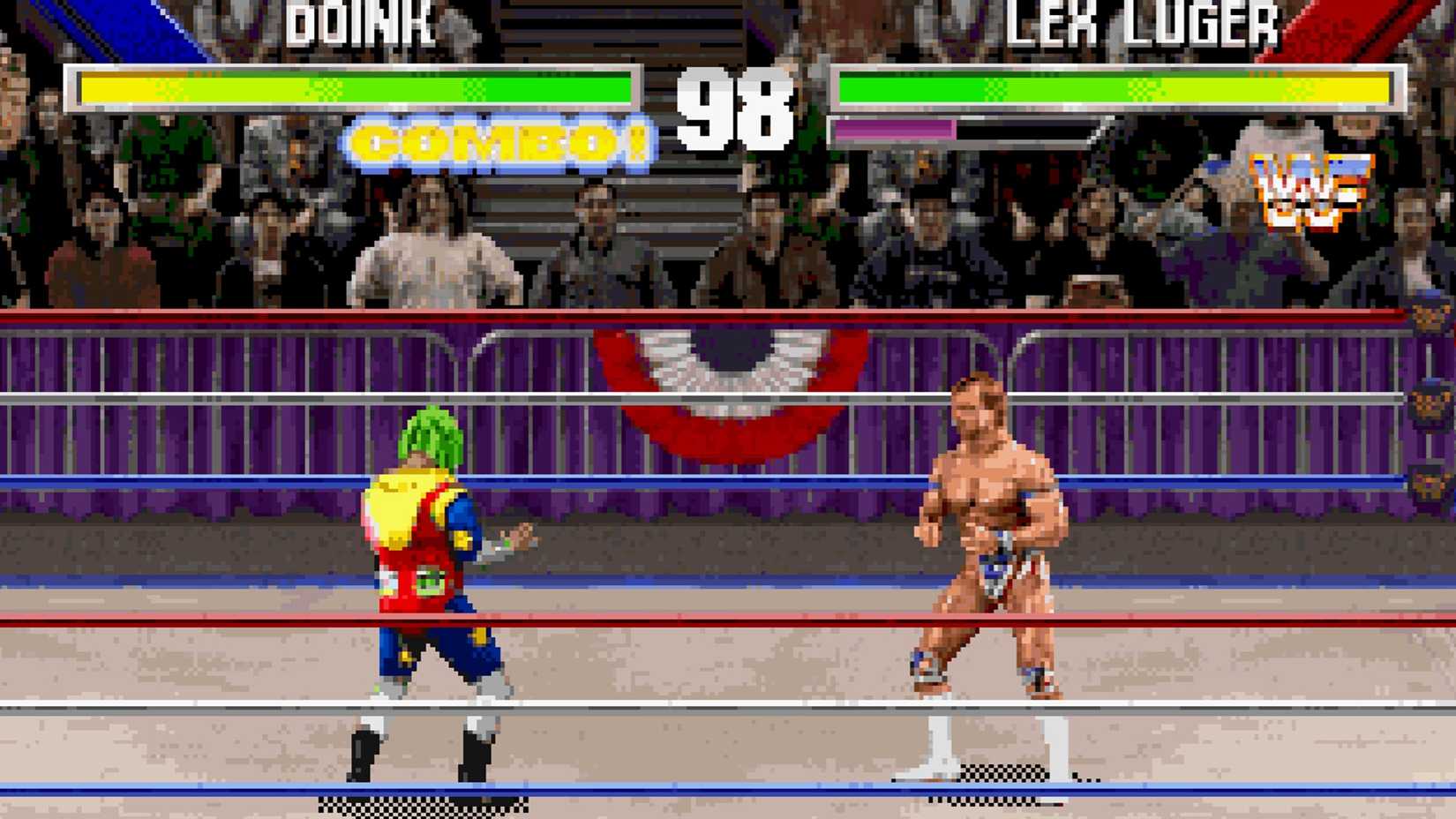
The 1990s saw a wrestling boom, and video games were eager to capture that excitement. WWF WrestleMania: The Arcade Game, developed by Midway, took a bold approach by bringing its larger-than-life wrestlers to life through digitized 3D sprites. The development team filmed hours of footage featuring WWF superstars like The Undertaker, Lex Luger, and Bret Hart, meticulously capturing their likenesses and signature moves. This monumental undertaking resulted in a visually dynamic and highly popular arcade title that perfectly mirrored the over-the-top spectacle of professional wrestling. The digitized sprites gave the game an authentic, yet exaggerated, feel, making it a standout title of its era.

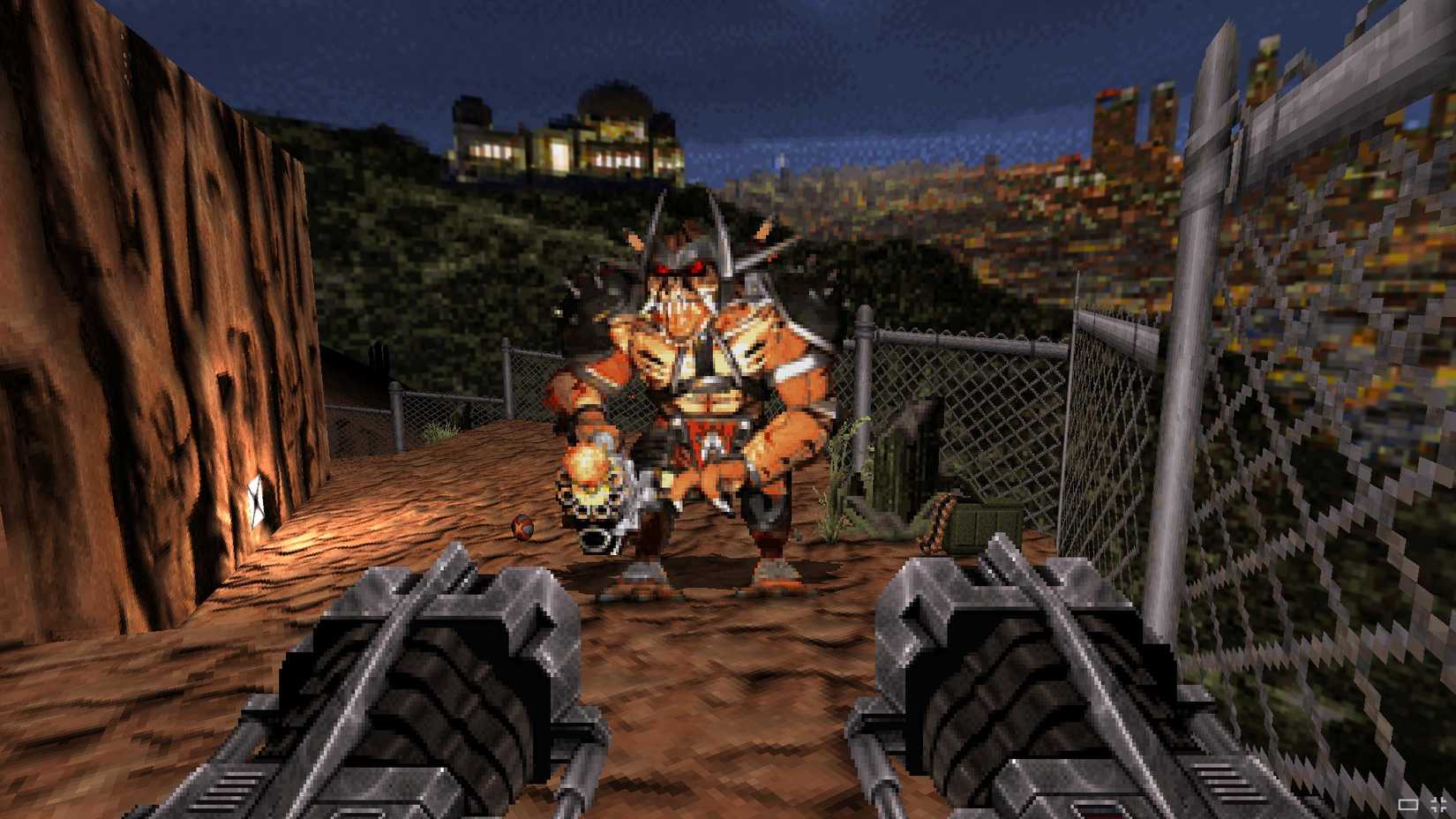
4. Duke Nukem 3D (1996)
While Duke Nukem 3D is widely lauded for its innovative level design and engaging gameplay, the visual artistry of its sprites, largely credited to Chuck Jones, deserves special recognition. Jones painstakingly sculpted clay models of characters and enemies, which were then photographed and transformed into the game’s distinctive 2D assets. This unique, handcrafted approach lent a tangible and deeply human quality to the sprites, making them stand out from the often more sterile 3D models of the time. The effort and artistry invested in these models created a unique visual style that remains compelling even today, contributing significantly to Duke Nukem 3D‘s enduring legacy as a masterpiece of the Build engine.
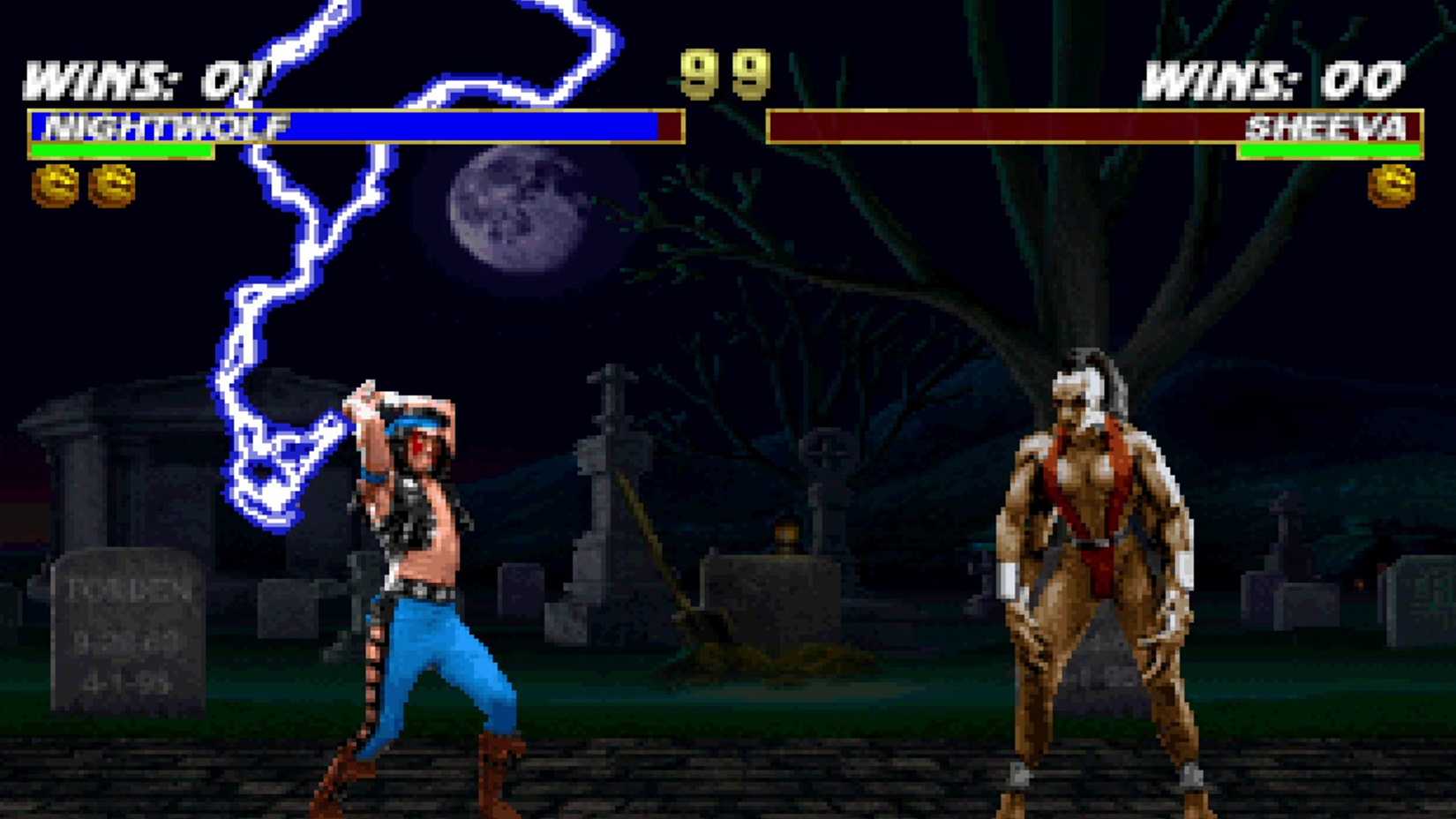
3. Ultimate Mortal Kombat 3 (1995)
When one thinks of digitized sprites, the Mortal Kombat series is often the first to come to mind. By the release of Ultimate Mortal Kombat 3 in 1995, Midway had perfected its workflow for creating these visual assets. The process involved filming live-action actors performing character actions, which were then meticulously transformed into sprite sheets. What sets MK3 apart is the sheer confidence and detail evident in its sprites. The costumes, makeup, and props used for the actors were of exceptional quality, resulting in some of the most visually stunning digitized sprites ever seen. Ultimate Mortal Kombat 3 is not only considered a pinnacle of the Mortal Kombat franchise but also a testament to the artistic potential of digitized sprites.
2. Titanic: Adventure Out of Time (1996)
Two years before James Cameron’s epic film, Titanic: Adventure Out of Time offered players a unique point-and-click adventure set aboard the ill-fated ship. The game’s premise, involving time travel, conspiracies, and occult whispers, was as outlandish as its visual presentation was captivating. CyberFlix employed immaculately dressed and styled live-action actors, whose performances were then digitized into sprites. Combined with deliberately campy voice acting, these sprites created a surreal and oddly realistic aesthetic. The limited animation of the sprites, coupled with their detailed appearance, lent the game a peculiar charm and an unforgettable surreal quality, making it a dream for fans of unconventional and stylish gaming experiences.

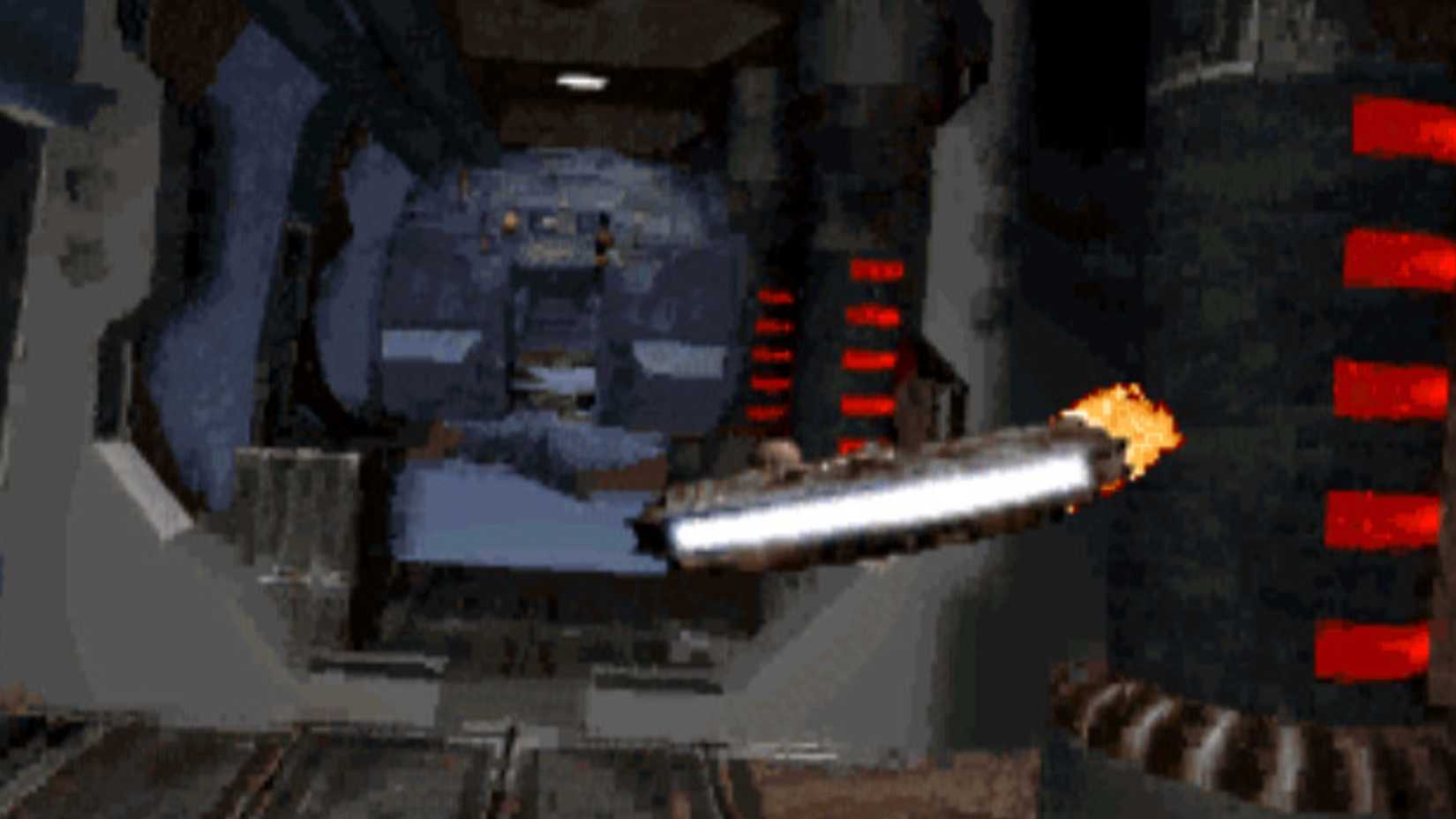
1. Star Wars Rebel Assault II: The Hidden Empire (1995)
The Star Wars franchise has consistently been at the forefront of technological innovation, and Star Wars Rebel Assault II: The Hidden Empire is no exception. Released during a period devoid of new live-action Star Wars content, the game provided fans with a much-needed dose of the iconic universe. LucasArts, leveraging its access to original film props and models, created gorgeously rendered CG environments and meticulously digitized sprites of familiar spacecraft like TIE-Fighters and X-Wings. This authentic representation of the Star Wars universe, combined with the ability for players to pilot these iconic vehicles, delivered one of the most immersive and faithful Star Wars gaming experiences of its time, all made possible by the exceptional sprite work.
The Enduring Legacy of Digitized Sprites
The era of digitized sprites, while largely supplanted by fully polygonal 3D graphics, left an indelible mark on the evolution of video game visuals. This technique not only pushed the boundaries of what was visually possible in the 1990s but also fostered a unique aesthetic that continues to be appreciated by retro gaming enthusiasts. The dedication to detail, the fusion of real-world elements with digital artistry, and the sheer creative ingenuity displayed by developers during this period serve as a powerful reminder of the constant drive for innovation that defines the video game industry. As we look back, these digitized marvels stand as testaments to a golden age where pixels and polygons began to converge, paving the way for the visually spectacular experiences we enjoy today.

 Lina Irawan
 Sagoh
Sagoh