Pevita Pearce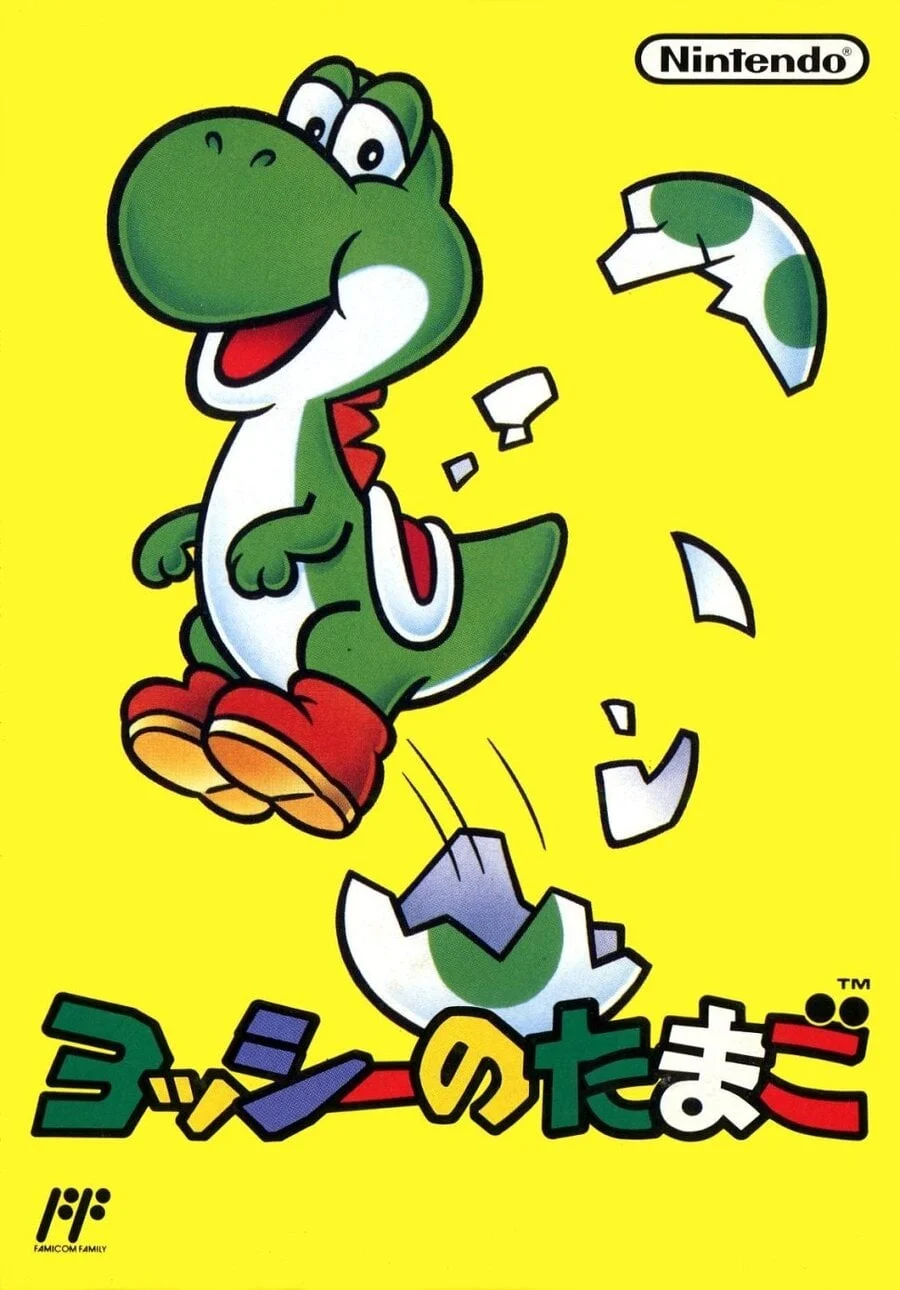
Nintendo’s iconic green dinosaur, Yoshi, has graced our screens for decades, his cheerful demeanor and signature flutter jump becoming synonymous with delightful platforming adventures. Before he became the beloved companion in numerous Mario titles and starred in his own acclaimed series of puzzle and platforming games, Yoshi made his debut in a charming, albeit somewhat niche, NES title. This week, Box Art Brawl takes a deep dive into the regional variations of this early Yoshi outing, officially titled Yoshi in North America and Europe (where it was also known as Mario & Yoshi), and Yoshi’s Egg in Japan. While the game itself might not be considered the pinnacle of tile-matching puzzlers, its box art offers a fascinating glimpse into regional marketing strategies and the evolving perception of this now-legendary character.
The Genesis of a Green Icon: "Yoshi" on the NES
Released in 1991 in Japan and 1992 in North America and Europe, Yoshi on the NES was an early attempt to leverage the popularity of the friendly dinosaur following his breakout performance in Super Mario World. Developed by Game Freak, the studio that would later achieve global phenomenon status with Pokémon, this title presented players with a unique, albeit simple, tile-matching puzzle mechanic. The objective was to stack falling objects – primarily Yoshi eggs and enemies – in a way that would cause them to disappear. While not as complex or engaging as later puzzle games, Yoshi offered a lighthearted and accessible experience, a hallmark of Nintendo’s family-friendly approach.
The game’s reception was generally positive, though it often garnered comparisons to other, more established puzzle titles. Critics acknowledged its charm and simplicity, but many felt it lacked the depth and replayability of its contemporaries. Nevertheless, Yoshi holds a special place in the hearts of many retro gaming enthusiasts, its quirky gameplay and the early introduction of Yoshi as a solo protagonist contributing to its enduring appeal. Its availability on Nintendo Switch Online further allows new generations to experience this foundational chapter in the Yoshi saga.
A Visual Journey Through Regional Marketing: The Box Art Breakdown
The genesis of this week’s Box Art Brawl lies in the distinct visual identities crafted for Yoshi‘s release across different continents. Nintendo, a master of tailoring its marketing to resonate with diverse audiences, presented three unique box art designs, each with its own flavor and emphasis. These variations offer a compelling case study in how a single game could be positioned differently for distinct markets.

North America: Simplicity, Charm, and an Egg-cellent Debut
The North American box art for Yoshi presents a clean and inviting design that immediately captures the essence of the game’s star. At its heart is a jubilant Yoshi, mid-hatch from a vibrant green egg. His wide, cheerful grin and dynamic pose convey a sense of pure, unadulterated joy. Surrounding him is a cascade of falling elements, hinting at the puzzle mechanics without overwhelming the viewer. These elements include stylized enemies and fragments of eggshells, all rendered in a bright, appealing palette.
The overall aesthetic is one of unpretentious delight. There’s a directness to the imagery; it’s clear who the game is about and what kind of experience players can expect – fun, lighthearted, and centered around Yoshi. The simplicity of the design allows Yoshi himself to be the undisputed focal point, establishing his individual appeal beyond his role as Mario’s companion. This approach was effective in introducing Yoshi as a standalone character to a new audience, relying on his inherent charm and the game’s colorful presentation to draw players in. The use of a bright, gradient background further enhances the sense of vibrancy and optimism.
Europe: Embracing the Brand with a Familiar Face
The European box art for Mario & Yoshi (as it was known in this region) shares a strong visual kinship with its North American counterpart, but with a significant addition that speaks volumes about regional marketing strategies: Mario. The core imagery of Yoshi hatching from his egg and a flurry of enemies and eggshells remains, but the iconic plumber is strategically placed within the composition. Mario, depicted in his classic red and blue attire, is shown with his hands outstretched, seemingly in a gesture of assistance or perhaps a playful engagement with the unfolding chaos.
This inclusion is a clear nod to the game’s dual title and Nintendo’s established brand power. By featuring Mario prominently, the European box art aimed to leverage his immense popularity and immediately signal to consumers that this was a Nintendo product featuring a beloved character. For many European gamers, Mario was the gateway to the Nintendo universe, and his presence on the box would have undoubtedly boosted recognition and appeal. While some might argue it dilutes the focus on Yoshi, from a marketing perspective, it was a shrewd move to maximize market penetration. The composition skillfully integrates Mario without completely overshadowing Yoshi, maintaining a balance that still highlights the titular dinosaur.

Japan: A Focused Debut of "Yoshi’s Egg"
In Japan, the game was released under the title Yoshi’s Egg, and its box art reflects a more focused and arguably more artistic interpretation of the game’s core concept. This design strips away the extraneous elements, concentrating solely on the act of Yoshi emerging from his egg. The Japanese cover features a dynamic depiction of Yoshi bursting forth from a cracked eggshell. He is shown in a powerful, almost explosive, ascent, his body angled upwards with a wide, infectious smile.
The emphasis here is on the titular "egg" and Yoshi’s energetic emergence. The backdrop is a more subdued, yet still vibrant, gradient, allowing Yoshi and the egg to command full attention. The artwork conveys a sense of raw energy and excitement, capturing the pivotal moment of hatching with remarkable dynamism. This design is perhaps the most direct in its representation of the game’s Japanese title, highlighting the significance of the egg as a central motif. The artistic style leans towards a slightly more traditional Japanese illustration aesthetic, emphasizing bold lines and expressive character design. It’s a confident and self-assured presentation, relying on the inherent appeal of the character and the intriguing concept of hatching to captivate players.
The Verdict: A Brawl of Style and Strategy
The Box Art Brawl for Yoshi (or Mario & Yoshi / Yoshi’s Egg) presents a fascinating choice between three distinct approaches to game packaging. Each cover possesses its own merits, appealing to different sensibilities and strategic marketing goals.
The North American design stands out for its pure, unadulterated charm. It’s a bright, welcoming image that perfectly encapsulates the lighthearted nature of the game and establishes Yoshi as a character in his own right. Its simplicity is its strength, allowing the viewer to immediately connect with the cheerful protagonist.

The European cover, while incorporating the universally recognized Mario, demonstrates a pragmatic marketing approach. It effectively leverages brand recognition to attract a wider audience, particularly those already loyal to the Mario franchise. While perhaps less focused on Yoshi individually, its inclusion of Mario is undeniable in its potential to drive sales.
The Japanese cover offers a more artistic and focused portrayal of the game’s core concept. Its dynamic depiction of Yoshi hatching from his egg is visually striking and conveys a powerful sense of energy and excitement. It’s a bold statement that highlights the game’s unique premise and Yoshi’s triumphant emergence.
Ultimately, the "winner" of this Box Art Brawl will likely come down to individual preference. Do you gravitate towards the straightforward charm of the North American design? Do you appreciate the strategic brand integration of the European cover? Or are you captivated by the artistic dynamism of the Japanese artwork? Each option tells a slightly different story about how Nintendo perceived and presented this early Yoshi adventure to the world.
Supporting Data and Contextual Insights
To further understand the impact and rationale behind these regional box art differences, it’s helpful to consider the broader gaming landscape at the time and Nintendo’s prevailing marketing philosophies.

Market Penetration and Brand Loyalty: In the early 1990s, the video game market was experiencing significant growth, but also intense competition. Nintendo, having established a dominant position with the NES and Super Nintendo Entertainment System (SNES), understood the importance of brand recognition. In Europe, where Mario’s presence was deeply entrenched and highly valued, featuring him on the box art of a game starring a character from his universe was a logical and effective strategy to maximize appeal and reduce perceived risk for consumers. This approach capitalized on existing brand loyalty, ensuring that the game would catch the eye of established Nintendo fans.
Character Development and Standalone Appeal: The North American market, while also familiar with Mario, was perhaps more receptive to seeing Yoshi take center stage. The design for Yoshi in this region focused on establishing the character’s individual charisma. This was a crucial step in nurturing Yoshi’s development into a recognized icon beyond his supporting role. By presenting him as the sole hero, the box art was laying the groundwork for his future solo ventures.
Cultural Nuances and Title Variations: The Japanese title change to Yoshi’s Egg is significant. It suggests a marketing emphasis that was perhaps more directly tied to the game’s core mechanic and the visual representation of the "egg" itself. The artistic style of the Japanese box art, often characterized by its attention to detail and dynamic action poses, reflects a cultural appreciation for strong visual storytelling. The emphasis on Yoshi "springing" from his egg in the Japanese design highlights a moment of genesis and potential, a theme that resonates well in Japanese media.
Evolution of Box Art Design: The box art for Yoshi on the NES also reflects the broader trends in video game cover art during that era. While earlier games often featured more abstract or illustrative designs, there was a growing trend towards more realistic or character-focused imagery. Nintendo consistently excelled at creating vibrant and memorable box art that captured the spirit of their games, and these Yoshi variations are no exception. The use of bright colors, clear character depiction, and hints of gameplay action were all key elements in attracting players from store shelves.

Implications for Nintendo’s Marketing Legacy
The regional variations of Yoshi‘s box art offer valuable insights into Nintendo’s long-standing marketing prowess. They demonstrate an astute understanding of diverse consumer bases and a willingness to adapt their strategies accordingly.
- Tailored Messaging: Nintendo has consistently shown an ability to craft distinct marketing messages for different regions. The Mario & Yoshi European box art is a prime example of leveraging established brand power to appeal to a familiar audience, while the North American and Japanese versions focus more on the individual character and game concept.
- Character Cultivation: The deliberate effort to present Yoshi as a standalone character, particularly in North America, highlights Nintendo’s strategic approach to character development. By giving Yoshi his own spotlight on the box art, they were effectively cultivating his individual appeal, paving the way for his future success as a solo protagonist.
- Visual Storytelling: Across all three regions, the box art serves as a compelling visual narrative. It effectively communicates the game’s tone, its central character, and hints at the gameplay experience. This focus on clear and engaging visual storytelling has been a cornerstone of Nintendo’s brand identity for decades.
- Enduring Appeal of Retro Art: The fact that these box art designs are still being discussed and debated today underscores the lasting impact of retro gaming aesthetics. The charm and craftsmanship evident in these pieces continue to resonate with fans, proving that effective design transcends time.
In conclusion, the box art for Yoshi on the NES is more than just a pretty picture; it’s a window into Nintendo’s strategic marketing decisions, their understanding of regional differences, and their foundational work in establishing beloved characters. Whether you prefer the charming simplicity of the North American design, the brand-conscious appeal of the European version, or the dynamic artistry of the Japanese cover, each offers a unique and valuable perspective on the launch of one of gaming’s most enduring icons.


 Lina Irawan
 Sagoh
Sagoh