Neng Nana
Square Enix has long been the titan of the Japanese Role-Playing Game (JRPG) genre, but with their latest release, The Adventures of Elliot: The Millennium Tales, they have effectively shattered the boundaries of their own comfort zone. Developed in collaboration with Claytechworks, this title marks the publisher’s first major foray into the action RPG space using their proprietary, critically acclaimed HD-2D engine. While many wondered if the visual splendor of the engine could support the high-octane requirements of real-time combat, the result is a resounding success—a mechanically refined, narratively engaging, and aesthetically breathtaking journey that sets a new gold standard for the studio.
The Core of the Adventure: A Masterclass in Design
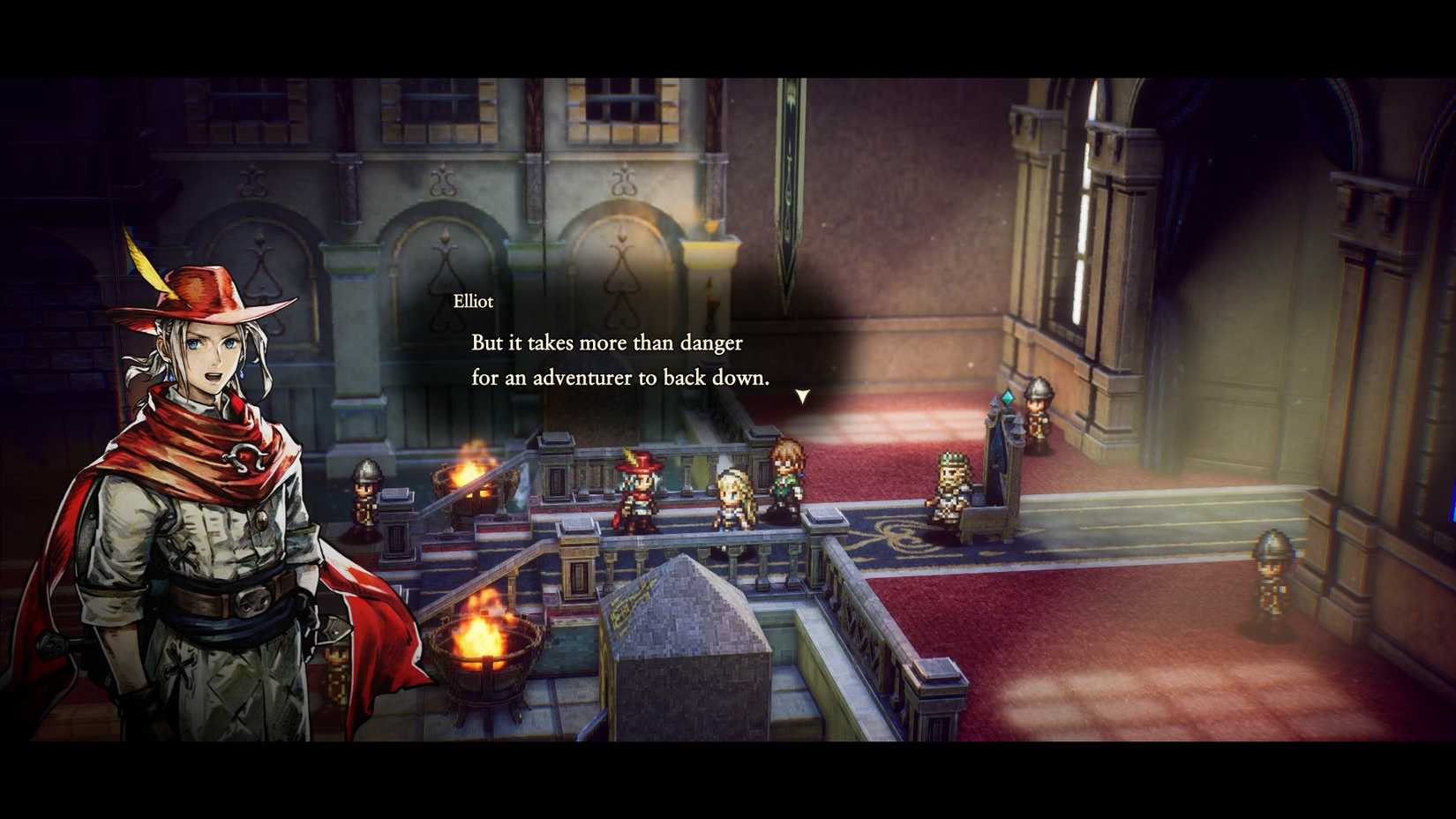
At its heart, The Adventures of Elliot is a testament to the idea that gameplay should always reign supreme. The game casts players as the eponymous hero, a virtuous, if somewhat one-dimensional, adventurer whose only goal is to protect the Kingdom of Huther from the encroaching threat of the beastmen. The Kingdom remains shielded behind a barrier maintained by Princess Heuria, who is effectively imprisoned by her own protective spell. When new, mysterious ruins reveal a "Doorway of Time," Elliot is dispatched to investigate, sparking a quest that spans four distinct eras of history.

While the game is undeniably reminiscent of the Legend of Zelda series, the producers have cited the Mana series as their primary creative North Star. Regardless of the label, the game succeeds on its own merits, providing a loop of exploration and discovery that is difficult to put down. For the dedicated completionist, the game offers a massive 36-hour experience, including every sidequest, collectible, and hidden narrative beat—a journey that culminates in a well-deserved platinum trophy.
A Chronological Journey Through Philabieldia
The narrative structure of The Adventures of Elliot is built entirely around the concept of time travel. The world of Philabieldia is rich and textured, and the game uses its temporal mechanics as a tool for world-building rather than a strict, rule-bound scientific system.
The story follows a repetitive but satisfying cycle: an emergency arises in the present, forcing Elliot to travel to the past to find a resolution. As he succeeds, a new, deeper complication unfolds, leading him further back into history. This allows players to visit four specific, distinct eras:
- The Age of Safekeeping: The current timeline where the story begins.
- The Age of Reconstruction: A period of struggle where humanity attempts to rebuild.
- The Age of Magic: The height of human prosperity and arcane power.
- The Age of Budding: The primal, foundational era of human civilization.
While some might find the lack of "Butterfly Effect" style consequences frustrating, once the player accepts that time travel here is a narrative vehicle rather than a paradox-heavy thriller, the experience becomes far more immersive. Seeing the history of the world firsthand, rather than reading about it in a codex, provides a profound sense of connection to the setting.
Mechanically Sublime: Combat and Progression
The transition from turn-based strategy to real-time action in the HD-2D engine is nothing short of a miracle. The combat is responsive and rewarding, featuring seven distinct weapon types that can be swapped on the fly. Whether you are throwing a boomerang while charging a sword strike or pulling off a perfect block, the game feels incredibly tight.
The "Magicite" system serves as the primary engine for player expression. By slotting different Magicites into weapons, players can fundamentally alter their combat style. For example, a standard boomerang throw can be transformed into a defensive "Satellite" maneuver, orbiting Elliot to provide protection while he maneuvers. This system encourages constant experimentation, rewarding players for thinking creatively about their loadouts.
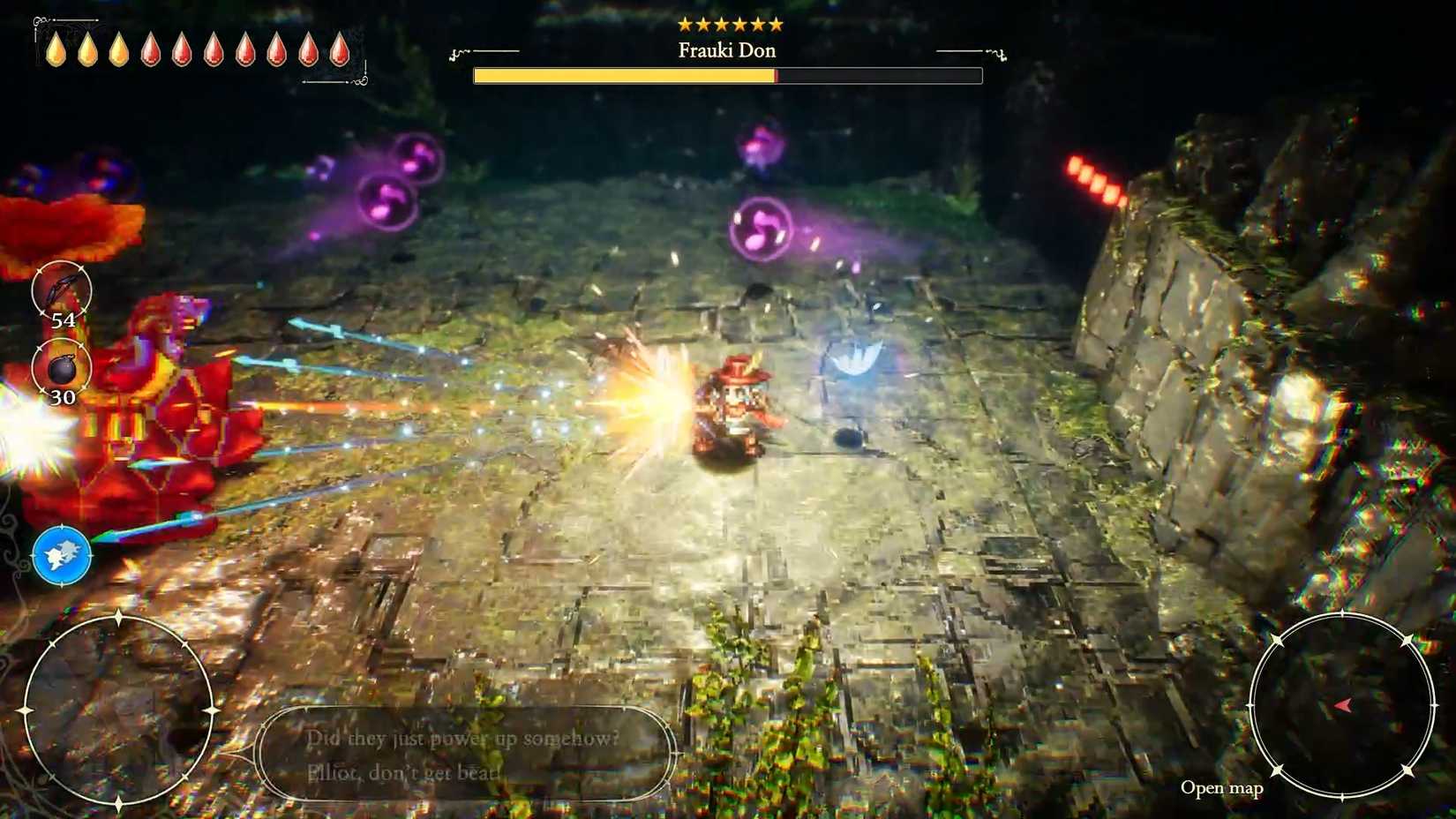
Boss battles serve as the peak of this mechanical excellence. While they start as straightforward tests of skill, they eventually evolve into complex, multi-stage encounters that feel like a choreographed dance. Each boss has specific weaknesses and complex move sets, turning every major engagement into a puzzle that must be solved under pressure.
The Role of Exploration
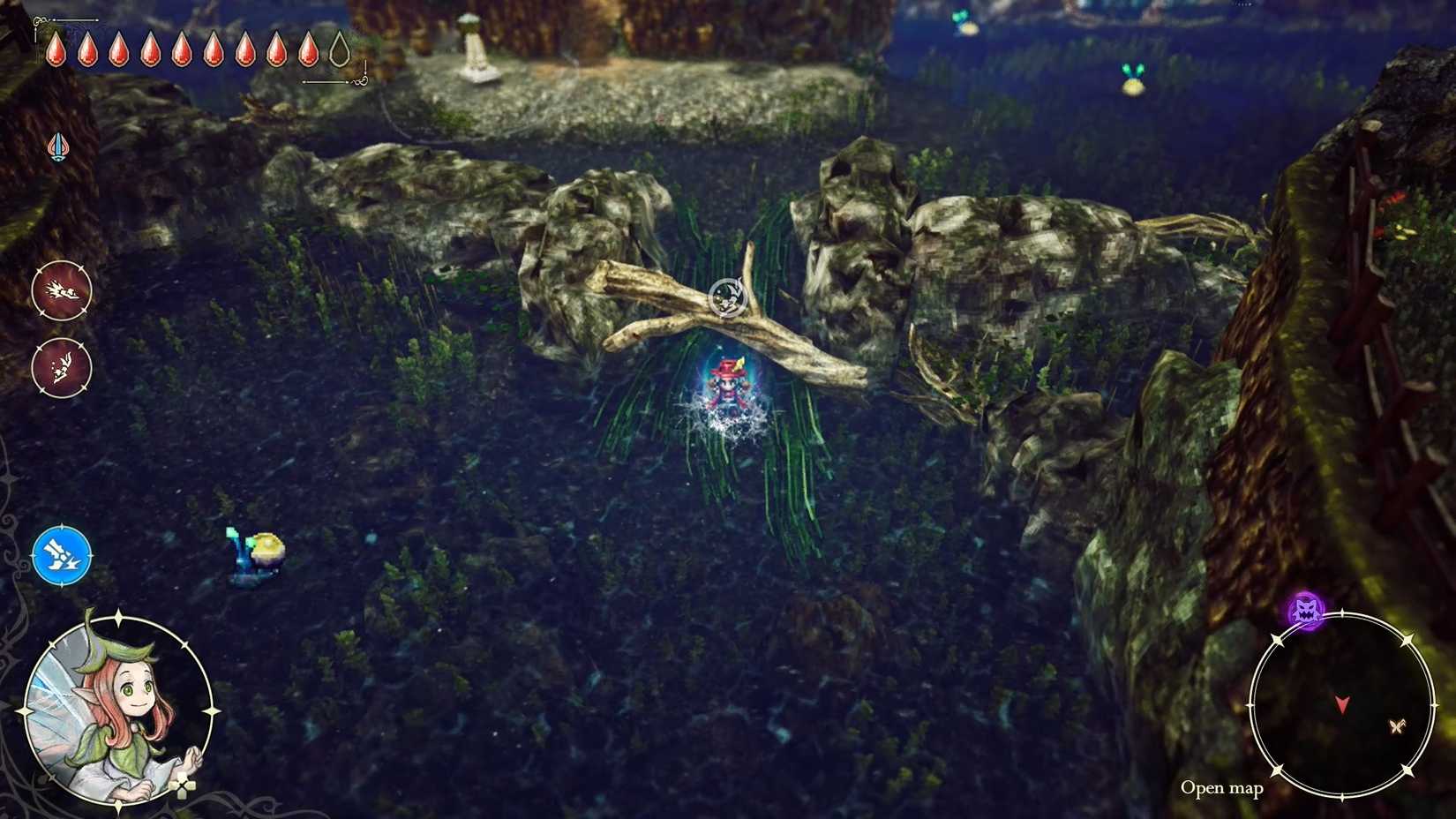
True to its genre, The Adventures of Elliot rewards the curious. Exploration is not merely encouraged; it is the primary way to grow stronger. There is no traditional "leveling up" in the sense of experience points and stat sheets. Instead, players must seek out "Shrines of Life." Completing the challenges found within these shrines grants "Shards of Life." Collecting four shards increases Elliot’s maximum health, making exploration a tangible, rewarding process.

The addition of the fairy companion, Faie, adds another layer to both the narrative and the gameplay. Faie is a constant, chatty presence who provides a youthful, optimistic counterpoint to the weight of the world. In gameplay, she can be controlled directly to cast spells, teleport Elliot, or even conjure clones. The potential for cooperative play—where a second player takes control of Faie—adds a unique, albeit underutilized, dimension to the title.
Official Perspective and Industry Implications
Square Enix’s decision to move the HD-2D engine into the Action RPG space is a calculated, strategic evolution. By bypassing the push for hyper-realistic graphics, the company is avoiding the development bloat that plagues many modern AAA titles. Instead, they are prioritizing art direction, which has proven to be a timeless and highly effective strategy for the studio.
Official statements from the development team suggest that The Adventures of Elliot is intended to be a foundational project. By proving that this aesthetic can support high-speed action and complex boss mechanics, they have opened the door for a new generation of HD-2D action games. The technical performance is flawless; during our testing, the game ran with impressive stability, free of bugs or frame rate drops, even in the most intense combat sequences.
A Technical and Artistic Triumph
The production values are, as expected, top-tier. The soundtrack is a standout, with each era featuring distinct, evocative music that captures the specific "vibe" of that time period. The voice acting, particularly in the English dub, is consistently excellent, bringing a human element to the story that makes the journey through Philabieldia feel truly alive.
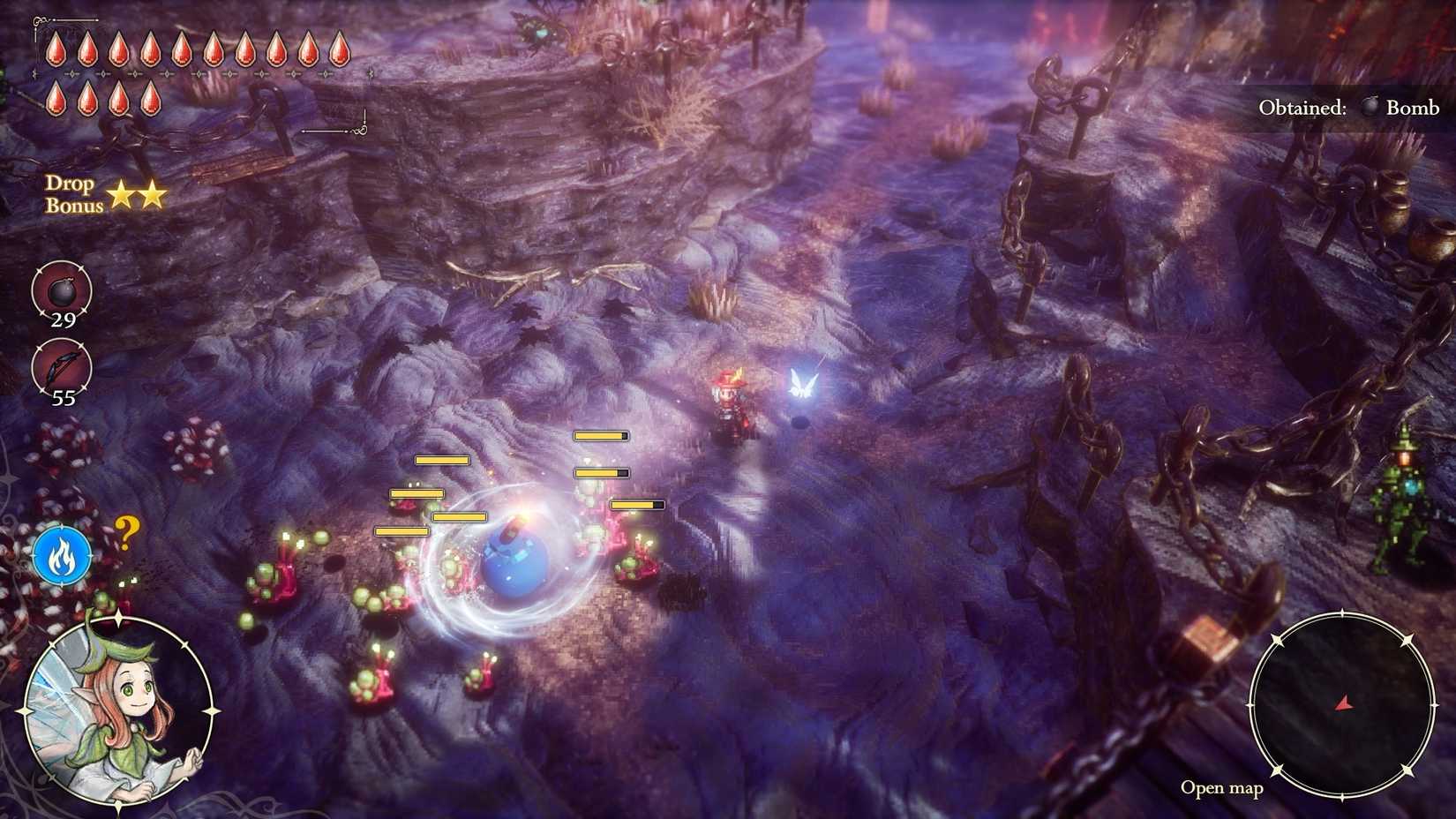
The visual style remains the engine’s strongest selling point. The mixture of 2D sprites and 3D environments creates a diorama-like quality that is unmatched in the industry. It is a style that feels both retro and modern, successfully bridging the gap for a new generation of players while honoring the legacy of classic JRPGs.
Conclusion: A New Era for Square Enix
The Adventures of Elliot: The Millennium Tales is more than just a successful experiment; it is a triumphant, polished, and endlessly fun RPG that deserves a place in any gamer’s library. It manages to deliver a compelling narrative while focusing on what matters most: the pure, visceral joy of adventuring.
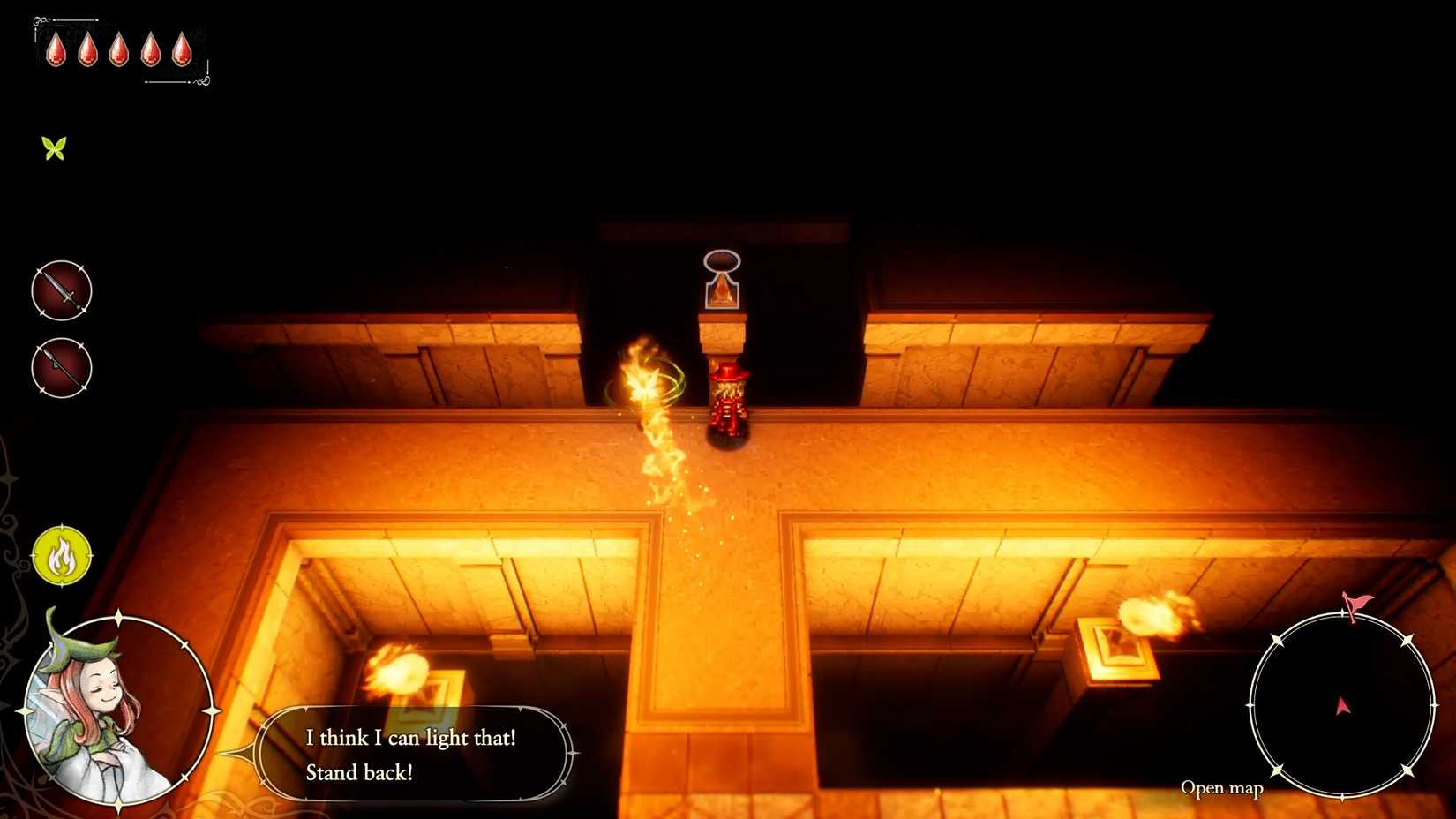
For players who prioritize mechanics, tight controls, and world-building over complex, convoluted plots, The Adventures of Elliot is a masterpiece. It proves that Square Enix has not lost their touch; if anything, they are entering a new, more adventurous era. The game is a shining example of what happens when a studio trusts its creative vision and sticks to its strengths, and it will undoubtedly be remembered as a high-water mark for the HD-2D engine for years to come.
As we look toward the future, one can only hope that this is the first of many such titles, further cementing the HD-2D engine as the most versatile and artistically distinct tool in modern game development. Whether you are a long-time veteran of the JRPG genre or a newcomer looking for a fresh, engaging adventure, The Adventures of Elliot is a journey worth taking.


 Asro
Asro
 Muslim