

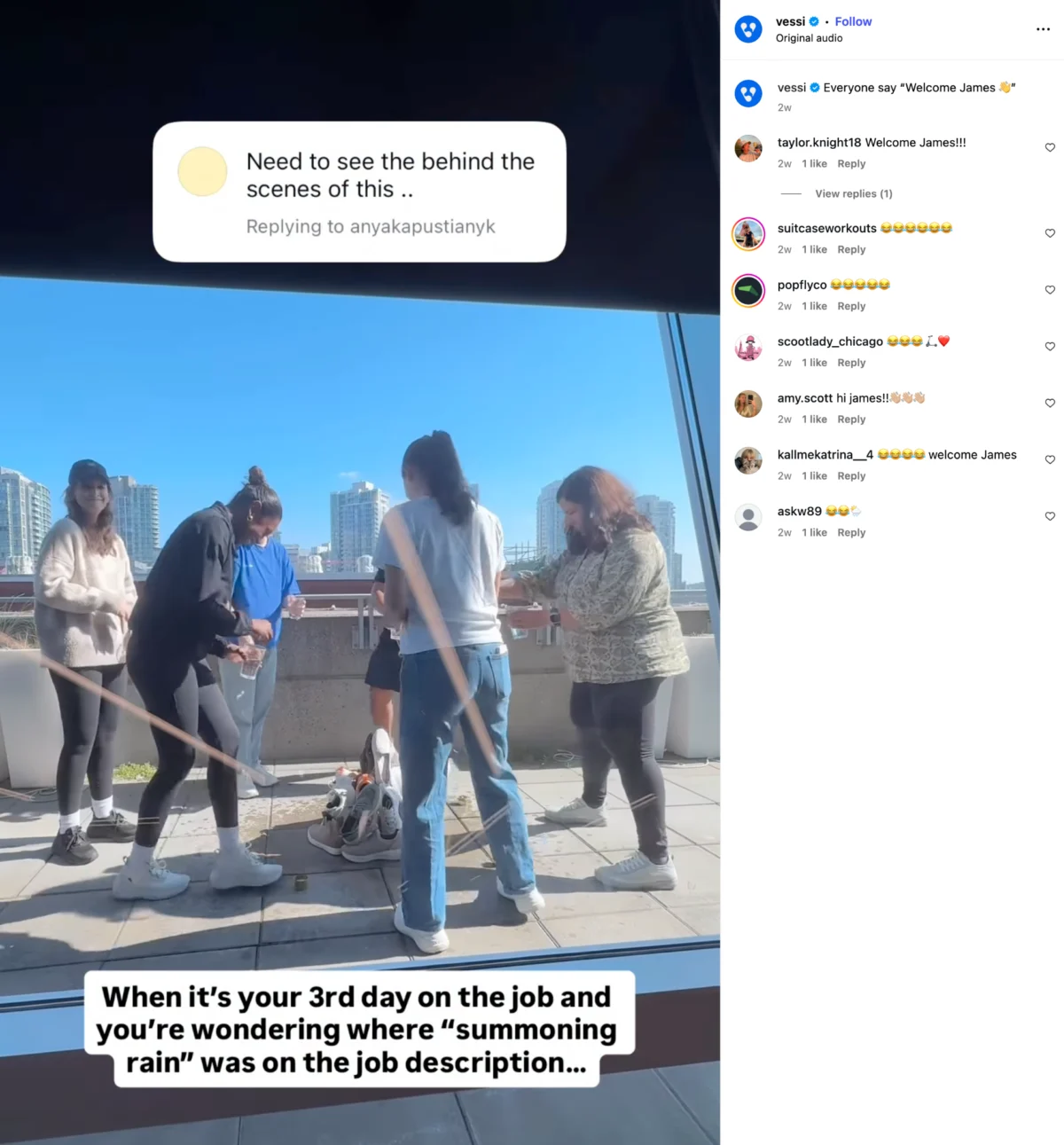
In the rapidly evolving digital landscape of 2025, social media engagement has transitioned from a "nice-to-have" metric to the lifeblood of sustainable business growth. As organic reach becomes increasingly competitive, engagement—the sum of likes, comments, shares, saves, and direct messages—serves as the primary signal to platform algorithms that a brand’s content is worthy of distribution.

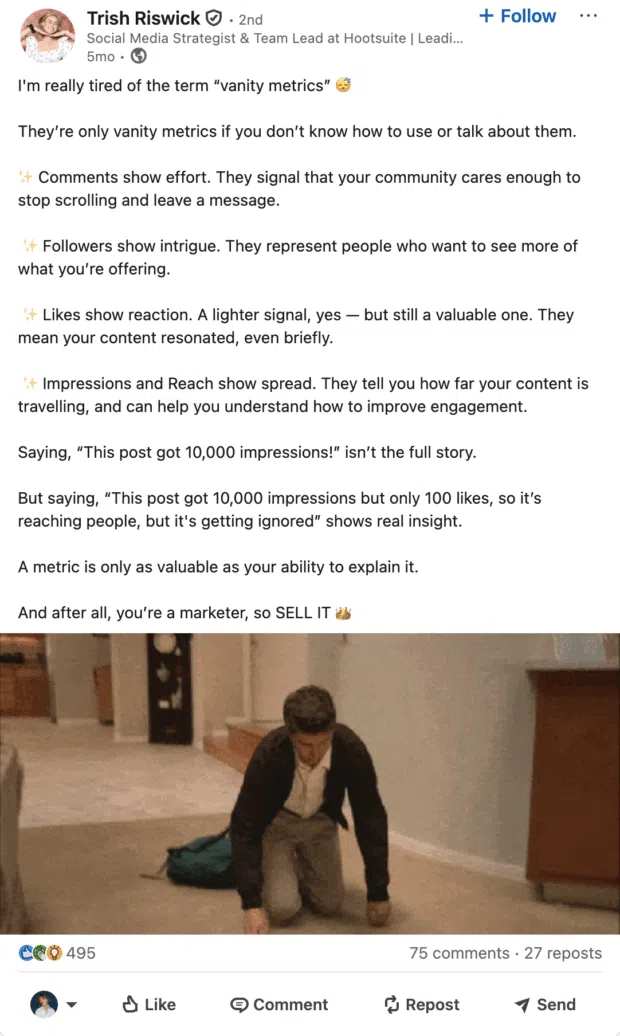
For modern enterprises, engagement is more than a vanity metric; it is the most reliable indicator of audience health, brand loyalty, and future revenue potential. This guide explores the mechanics of engagement, the data-driven strategies for optimization, and the expert-led insights necessary to thrive in an era where authenticity is the ultimate currency.

Understanding Social Media Engagement: A Functional Overview
Social media engagement encompasses every interaction a user has with a brand’s digital presence. It is the quantifiable evidence that a viewer has moved from passive consumption to active participation.
The Taxonomy of Interaction
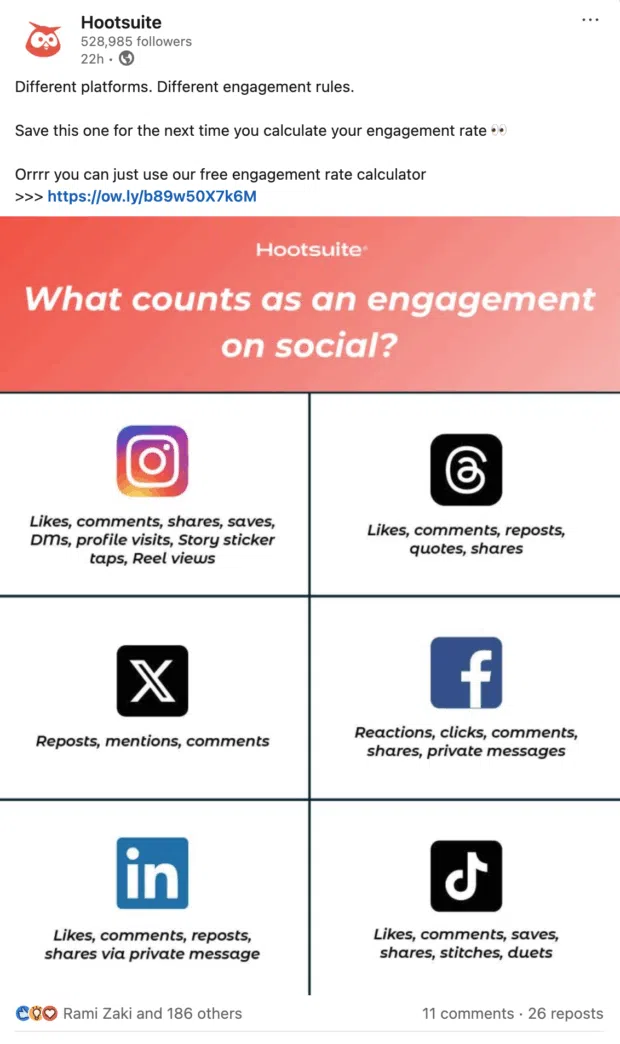
To manage engagement effectively, businesses must categorize interactions based on the level of intent they represent:
- Low-Intent Signals: Likes and reactions provide immediate, low-friction acknowledgment. They indicate that content resonated on a surface level.
- Conversational Signals: Comments and direct messages (DMs) demonstrate a higher investment. These interactions transform a broadcast model into a two-way dialogue.
- Advocacy Signals: Shares and reposts act as digital word-of-mouth, extending a brand’s reach to entirely new audiences.
- Value Signals: Saves and bookmarks are perhaps the most critical metrics for modern algorithms, signaling that content is high-utility or aspirational enough to warrant a return visit.
Chronology of Engagement: How Data Shapes Strategy
The path to high engagement is not a guessing game but a structured, cyclical process. By tracking performance longitudinally, brands can identify patterns that inform future creative direction.
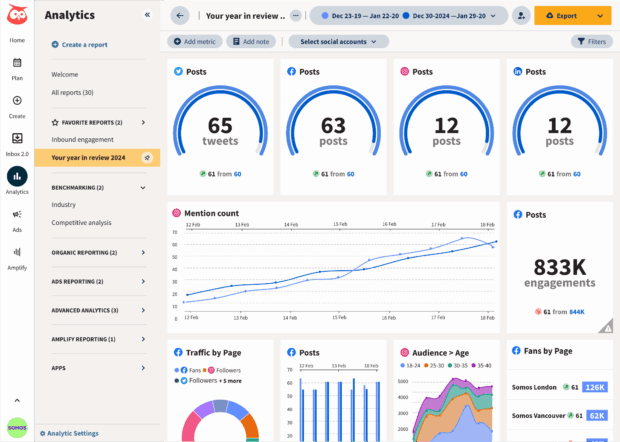
- Baseline Establishment: Brands must first calculate their current engagement rate—the ratio of interactions to total reach or followers. Using the standard formula—(Total Engagements / Total Reach) x 100—provides a consistent benchmark across platforms.
- Trend Identification: By reviewing weekly and monthly analytics, managers can pinpoint which content formats (Reels, carousels, or text-based threads) drive the highest engagement.
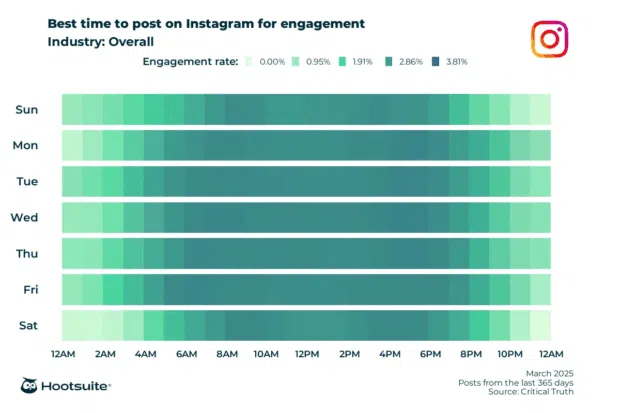
- Optimization: Based on this data, the strategy is adjusted. For example, if data reveals that video content peaks at 6:00 PM, the posting schedule is shifted to align with this behavioral window.
- Scaling: Once a winning format is identified, it is integrated into a recurring content series, creating a reliable rhythm that fosters audience anticipation.
Supporting Data: Benchmarks and Industry Standards
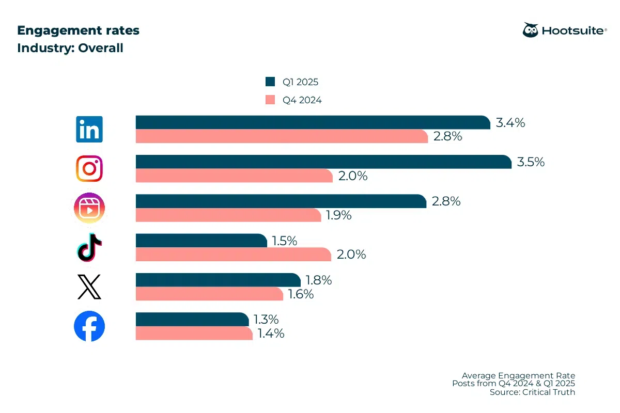
According to recent Hootsuite data, a "good" engagement rate generally falls between 1.3% and 3.5%, though this varies significantly by sector and platform. Understanding these benchmarks allows brands to set realistic, SMART (Specific, Measurable, Achievable, Relevant, Time-bound) goals.
- Instagram: Continues to lead with high interaction rates, often hovering around 3.5%.
- LinkedIn: Shows a robust 3.4%, particularly for professional and industry-leading content.
- Facebook: Remains a steady player at 1.3%, emphasizing community-driven content.
- TikTok: Sits at approximately 1.5%, where the speed of content consumption requires high-impact hooks to stop the scroll.
Data further reveals that 41% of brands now engage in "proactive commenting"—leaving thoughtful, non-promotional comments on the posts of others. This tactic has been shown to boost a brand’s own engagement rates by 1.6x on average, proving that participation in the broader ecosystem is as vital as managing one’s own feed.
Expert Insights: The Shift Toward Authenticity
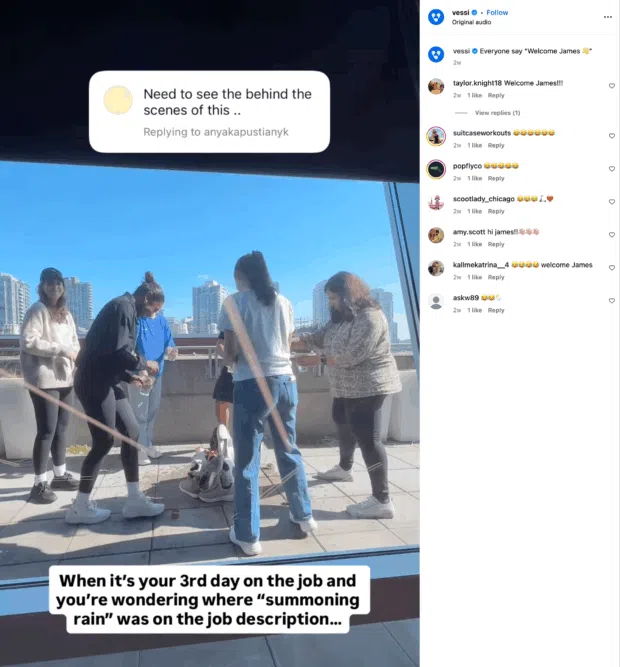
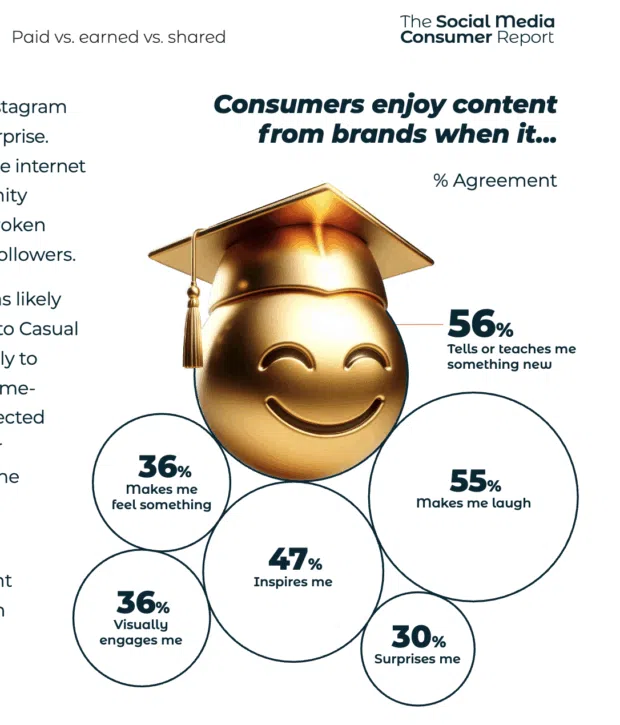
To gain a deeper understanding of the shifting landscape, we turn to Elissa Wardrop, Global Social Media Specialist, who manages content for 31 international markets. According to Wardrop, the 2026 outlook for engagement relies on three pillars: de-emphasizing the "hard sell," prioritizing community over volume, and maintaining an authentic brand voice.
The Death of the "Polished Pitch"
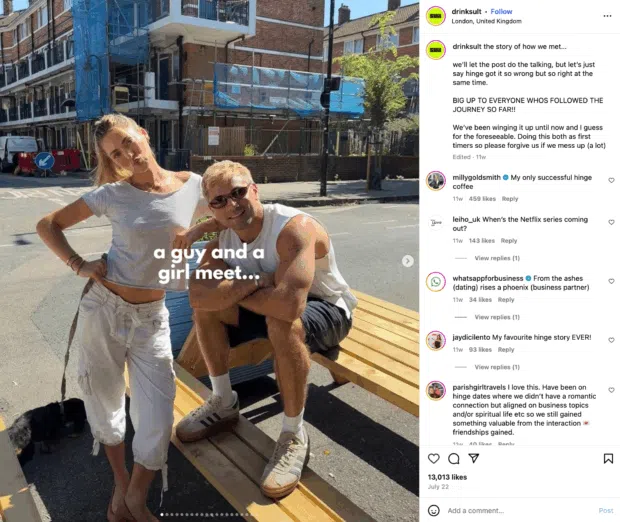
Wardrop notes that audiences have become highly adept at filtering out overly produced, sales-heavy content. "Bring people on a journey to build an emotional connection," she suggests. By showing the "work behind the work"—the behind-the-scenes failures and triumphs—brands build trust. This is exemplified by emerging startups that document their entire founder journey, inviting followers into the decision-making process.
The "Dinner Party" Metaphor
A common pitfall for brands is the attempt to mimic "chaotic" or "unhinged" social media personas popularized by legacy viral brands. Wardrop warns against this, noting that such strategies often come across as forced. Instead, she offers a powerful metaphor: "Imagine your brand as a guest invited to a dinner party. How would they dress? What would they bring? How would they talk to the other guests?" This consistency is the foundation of long-term trust.
Implications for Future Growth
The long-term implications of a robust engagement strategy are profound.
Increased Algorithmic Visibility
Platform algorithms are increasingly prioritizing "meaningful social interaction." By generating genuine comments and shares, brands signal to the platforms that their content is high-quality, thereby earning more organic reach without the need for increased ad spend.

Lead Generation and Customer Lifetime Value
Engagement acts as a "warm-up" for the sales funnel. A user who has saved a brand’s product post or replied to a poll is significantly more likely to convert than a user who has never interacted. This transition from "browser" to "buyer" is the ultimate ROI of a successful social engagement strategy.

The Role of Advocacy and UGC
User-generated content (UGC) remains the most powerful form of social proof. Because 62% of consumers report purchasing products based on peer or influencer recommendations, encouraging followers to share their own experiences is a critical strategic imperative. Whether through branded hashtags or feature campaigns, UGC creates a sense of community that money simply cannot buy.
Conclusion: Executing Your Engagement Strategy
To succeed in 2026, businesses must move away from vanity metrics and toward a strategy that prioritizes human connection. This involves:
- Centralizing Communication: Utilize tools like a social media inbox to ensure no DM or comment goes unanswered. Speed is a competitive advantage.
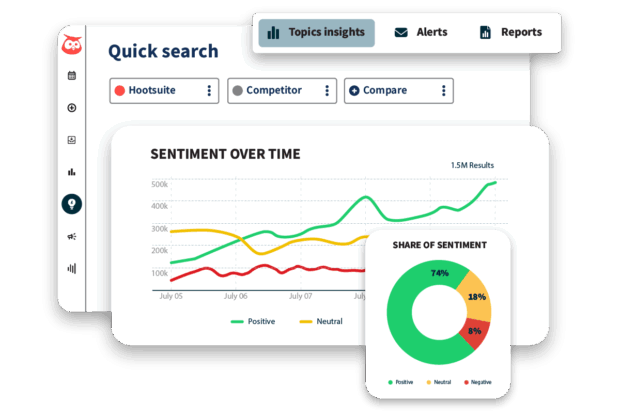
- Leveraging Social Listening: Use software to monitor industry keywords and competitor mentions, allowing your brand to jump into relevant, trending conversations.
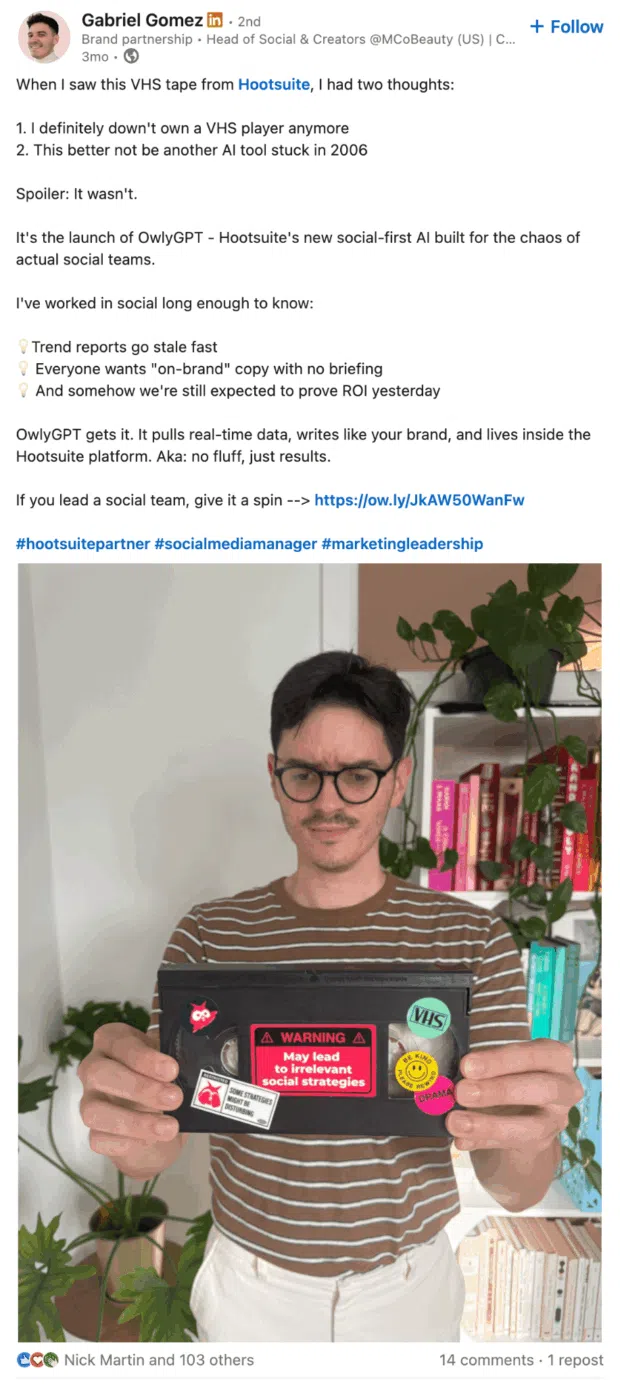
- Empowering Employees: Employee advocacy is a force multiplier. Content shared by employees often garners significantly higher engagement than content from corporate accounts because it carries the weight of personal, human trust.
Ultimately, engagement is a reflection of how well a brand listens to its audience. By combining rigorous data analysis with a commitment to authenticity and consistent value-driven content, businesses can build not just a following, but a thriving community that supports long-term growth.

Ready to optimize your social media performance? Whether you are looking to refine your posting schedule or dive deep into sentiment analysis, Hootsuite provides the dashboard tools you need to create, schedule, engage, and measure success across all major platforms. Start your free trial today and turn your engagement signals into your greatest competitive advantage.










No comments yet. Be the first to join the conversation!