Siti Muinah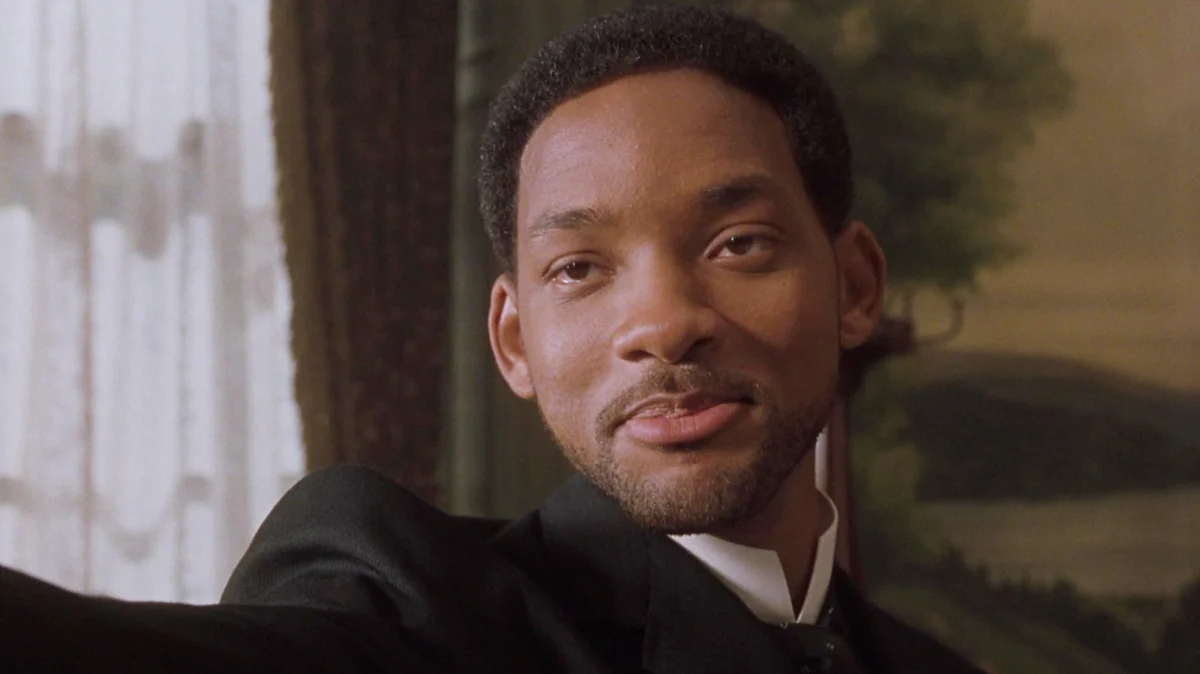
The summer of 1999 stands as a legendary epoch in Hollywood history. It was a season of profound creativity and cultural shifts, delivering iconic cinematic experiences ranging from the existential dread of The Sixth Sense and the groundbreaking digital aesthetic of The Matrix to the subversive satire of South Park: Bigger, Longer & Uncut. Yet, amidst these cultural touchstones, one film arrived with immense promise and bloated expectations, only to crash with a spectacular thud: Barry Sonnenfeld’s Wild Wild West.
While the summer was defined by the mixed reception of Star Wars: Episode I – The Phantom Menace, that film at least possessed a dedicated fanbase and a clear vision. Wild Wild West, conversely, stands as a rare cinematic anomaly—a film that, twenty-five years later, is almost universally cited as a catastrophic failure of tone, casting, and adaptation. By attempting to modernize a beloved 1960s television classic through the lens of late-90s blockbuster cynicism, the production team fundamentally misunderstood the heart of the source material.
The Genesis: A Bond-Esque Blueprint
To understand why the 1999 adaptation failed, one must first appreciate the ingenuity of the original CBS series. Created by Michael Garrison and airing from 1965 to 1969, The Wild Wild West was a daring experiment in genre-mashing. At a time when television Westerns were stagnant, Garrison injected the high-stakes, gadget-heavy sensibilities of the James Bond franchise into the post-Civil War American frontier.
The series starred Robert Conrad as the rugged, indomitable James West and Ross Martin as the master-of-disguise polymath Artemis Gordon. Operating from a private, luxurious train, the duo served as secret agents for President Ulysses S. Grant. The show’s brilliance lay in its balance; it featured legitimate suspense, high-concept villainy, and a genuinely cool aesthetic. It was "superspy" fiction set in a time of steam power and frontier expansion.
Chronology of a Collapse
The transition from television to film is notoriously difficult, but the path of Wild Wild West was particularly fraught with production turbulence.
- 1997–1998 (Pre-Production): Warner Bros. tapped Barry Sonnenfeld, coming off the massive success of Men in Black, to helm the project. The studio envisioned a summer tentpole that would capitalize on Will Smith’s unparalleled star power at the time.
- The Casting Turmoil: The film’s development is famously marred by the loss of George Clooney, who was initially tapped to play Artemis Gordon. When Clooney exited the project to pursue other ventures, the film’s tonal anchor was effectively severed. Kevin Kline was brought in as a replacement, but the lack of chemistry between Smith and Kline became a focal point of critical derision.
- June 30, 1999 (Release): The film hit theaters with massive marketing fanfare. Audiences expecting the slick, cool spy-Western vibe of the original were met with a loud, slapstick-heavy, and oddly detached production.
- The Aftermath: Critics savaged the film, and fans of the original series felt betrayed. The movie was nominated for eight Golden Raspberry Awards, winning five, including Worst Picture.
Anatomy of a Misfire: Why the Adaptation Failed
The primary failure of the 1999 film was its refusal to take its own premise seriously. The original show utilized humor as a seasoning; the film used it as a crutch.
The Tonality Problem
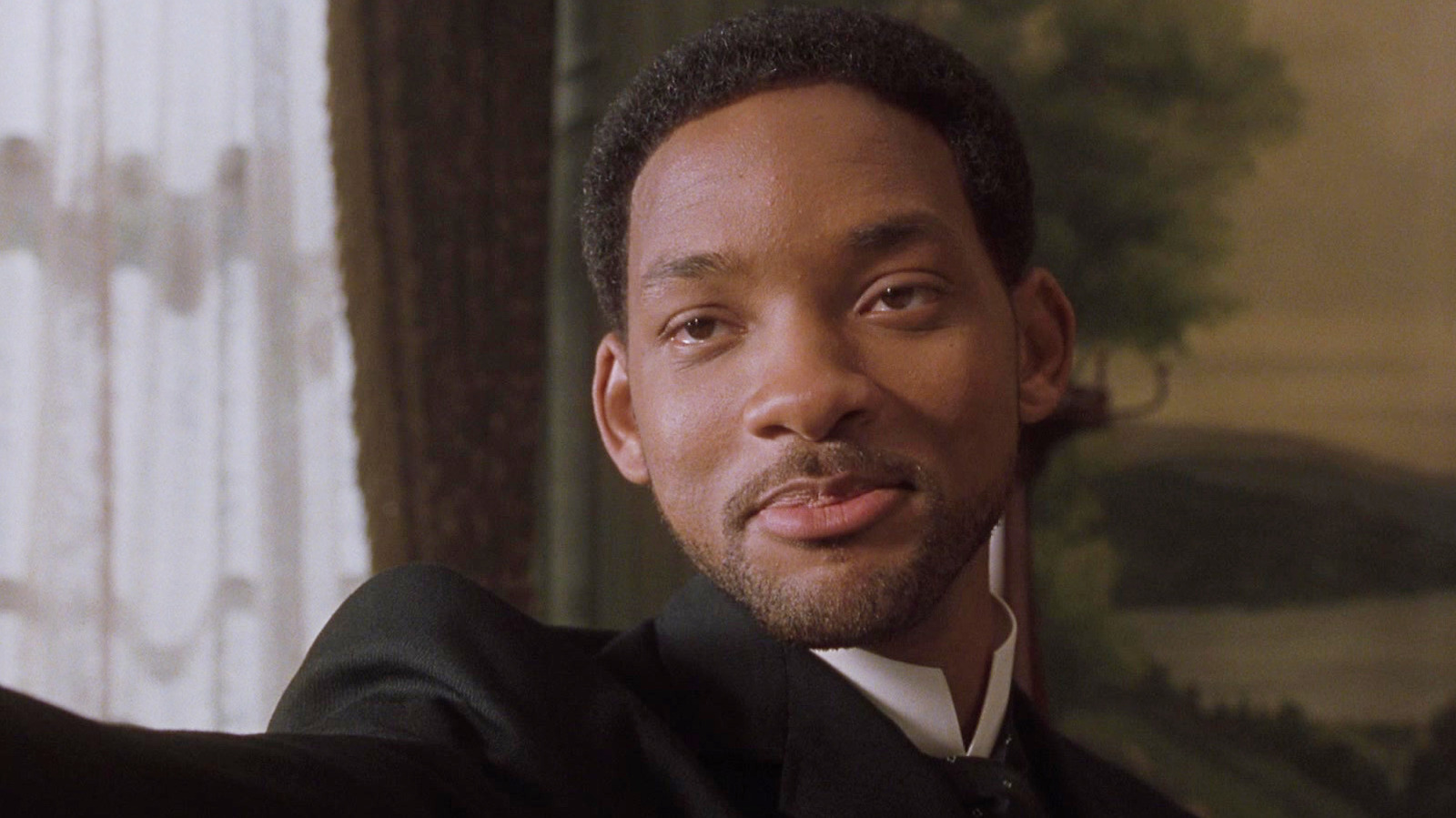
The 1960s series maintained a baseline of cool proficiency. Even when Artemis Gordon engaged in his elaborate disguises—ranging from British aristocrats to grizzled veterans—the tension of the plot remained central. In the film, every potential moment of "cool" is immediately undermined by a joke or a break in character. By treating the Western genre as a punchline rather than a backdrop, the film alienated the very audience that might have provided a nostalgic foundation for its success.
Miscasting and Character Archetypes
Will Smith, arguably the biggest movie star of the late 90s, was cast as James West. However, the film required him to play a character that was essentially a caricature of his "cool guy" persona rather than the gritty, lethal agent portrayed by Robert Conrad.
The most stinging critique came from Conrad himself. He publicly lamented that the film lacked the discipline of the series. He famously noted that he felt James West should have been portrayed with the intensity of actors like Wesley Snipes or Denzel Washington—someone who could ground the fantastical elements in genuine physical threat. Instead, the film opted for a tone that felt more akin to a Saturday Morning cartoon than a high-stakes espionage thriller.
The Dr. Loveless Controversy
Perhaps the most egregious creative choice involved the film’s antagonist, Dr. Arliss Loveless. In the original series, the character was portrayed with chilling, diminutive menace by Michael Dunn, a little person actor who gave the character a distinct, intelligent, and dangerous aura.
The 1999 film chose to cast Kenneth Branagh as a double-amputee version of the character. This decision was widely criticized as a "travesty" that erased the intentional casting of the original, replacing a nuanced performance with a theatrical, over-the-top villain that felt disconnected from the show’s lore.
Official Responses and Retrospectives
The consensus on Wild Wild West has shifted from "disappointment" to "cautionary tale." Even those involved in the project have eventually conceded the flaws.
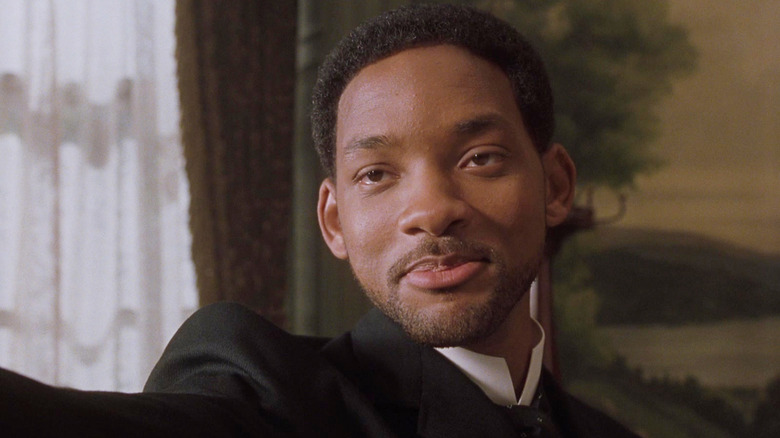
In his memoir, Best Possible Place, Worst Possible Time, Barry Sonnenfeld openly dissected the failure, arguing that the film’s internal logic suffered without the specific dynamic he had planned with Clooney. Meanwhile, Will Smith has been candid in later years, admitting that Wild Wild West was the "worst" movie of his career. In a 2016 interview, he reflected on the ego-driven nature of the production, noting that the desire to create a "summer blockbuster" often overshadowed the need to tell a coherent story.
Implications for Modern Adaptations
The failure of Wild Wild West serves as a textbook lesson for studios looking to mine classic television for cinematic gold. The primary implication is the danger of "tonal dissonance." When a studio buys the rights to a property, they are buying the "vibe" that made the original successful. By stripping away the seriousness of the original’s stakes and replacing it with cynical, ironic humor, the film effectively hollowed out the franchise.
Furthermore, the film highlights the risks of "star-first" development. By molding the characters to fit the established persona of the lead actor (Will Smith) rather than allowing the actor to inhabit the character as defined by the source material, the production lost its authenticity.
Conclusion: A Legacy of "What Could Have Been"
Twenty-five years later, Wild Wild West remains a relic of a bygone era of blockbuster filmmaking. It was a time when high budgets and A-list stars were expected to carry a project, even in the absence of a strong narrative foundation. While the film is now largely relegated to the "guilty pleasure" bin or ignored entirely, it serves as a permanent, flashing warning light for future remakes: if you do not understand what made the original point of a story matter to its audience, you are destined to miss the mark entirely. The "Wild Wild West" was not just a title; it was a promise of excitement, mystery, and frontier danger—a promise the 1999 adaptation ultimately failed to keep.

 Jia Lissa
 Iffa Jayyana