Muslim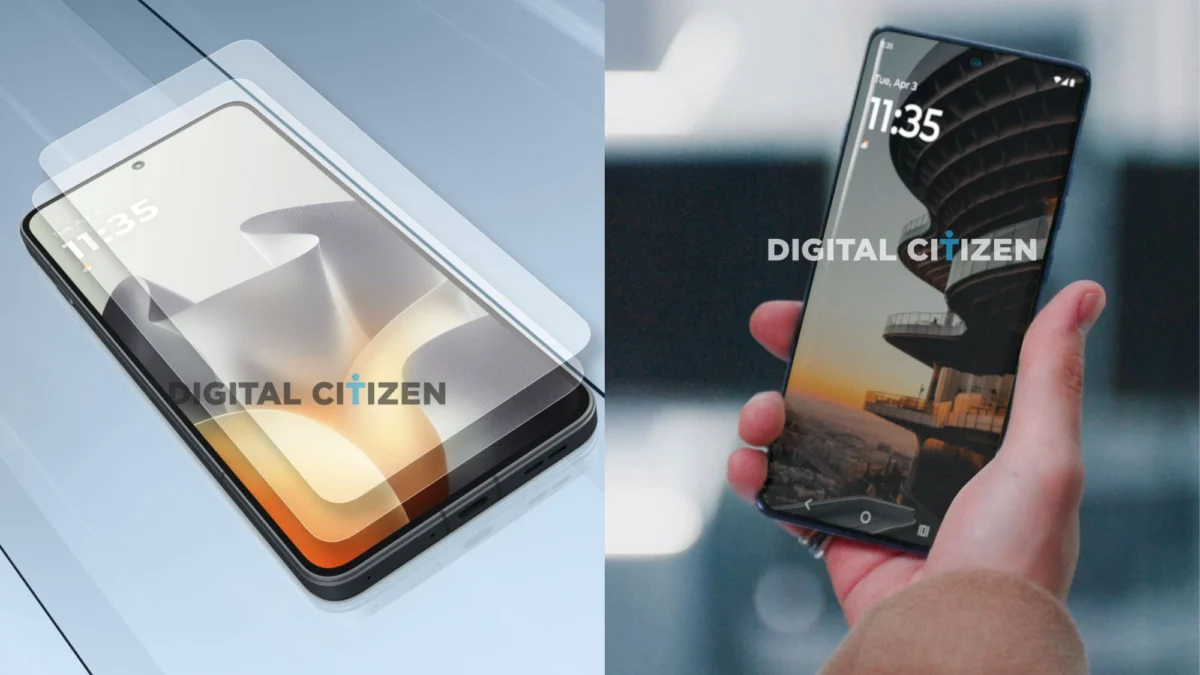
For years, Motorola has occupied a unique space in the Android ecosystem. Known for its mastery of hardware aesthetics, the company has consistently produced devices that feel exceptional in the hand, boasting vibrant displays and a software experience that remains refreshingly close to stock Android. Yet, despite these strengths, the "true flagship" crown—the kind of no-compromise, ultra-premium device that commands the same cultural weight as a Galaxy S-series or a Pixel Pro—has remained just out of reach.
That narrative is poised for a dramatic shift. Emerging reports regarding the upcoming Motorola Edge 70 Max suggest that the company is no longer content with playing in the upper-midrange sandbox. By pivoting toward cutting-edge silicon, integrated AI ecosystems, and industrial-grade durability, Motorola is signaling its intent to challenge the industry titans in 2026.
Main Facts: The Evolution of the Edge
The core of the excitement surrounding the Edge 70 Max lies in its internal architecture. According to exclusive leaks from Digital Citizen, the device is expected to be powered by Qualcomm’s Snapdragon 8 Gen 5 chipset. While rumors suggest this may not be the "Elite" variant of the processor, it represents a significant performance leap for Motorola’s flagship line.
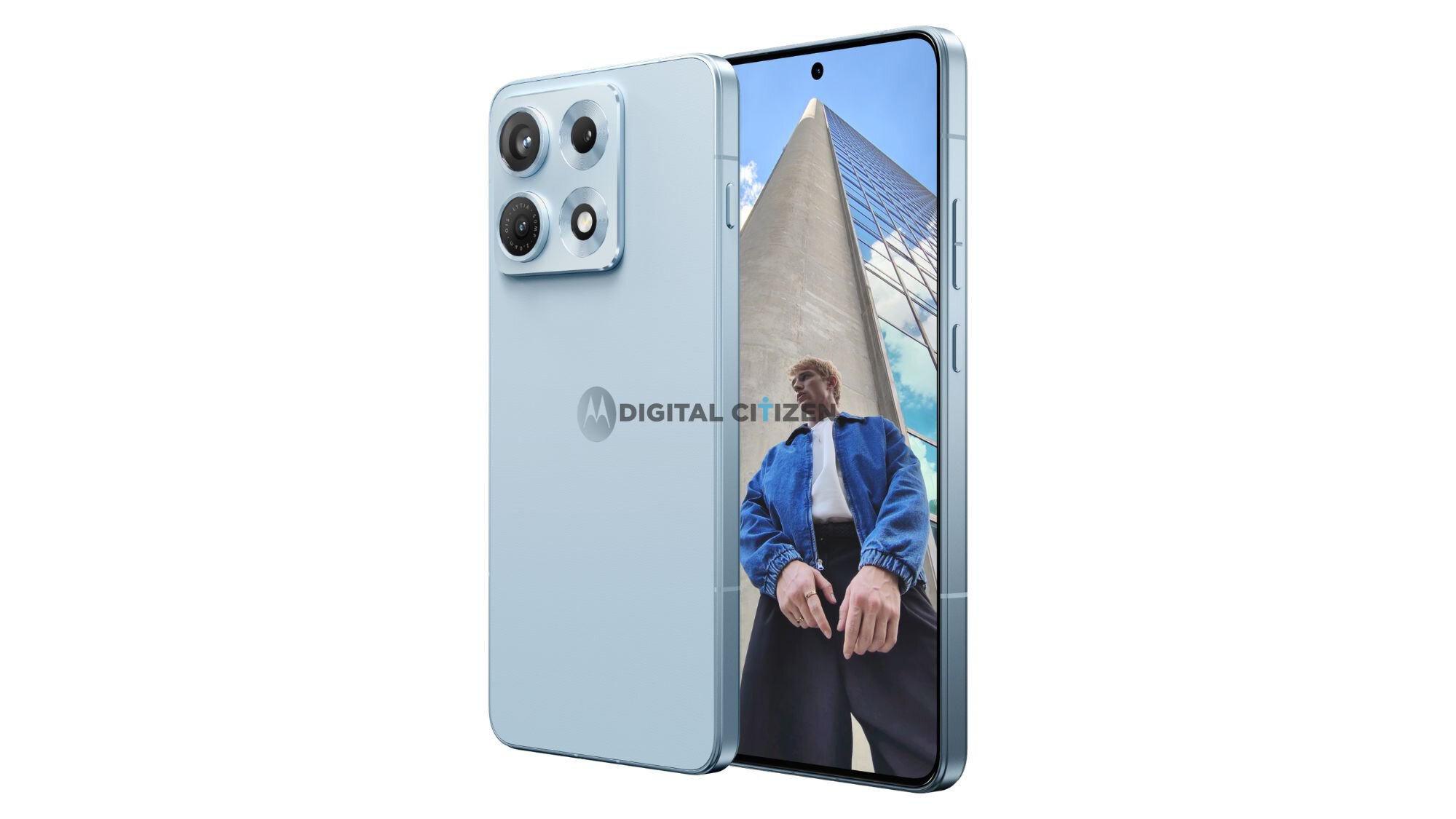
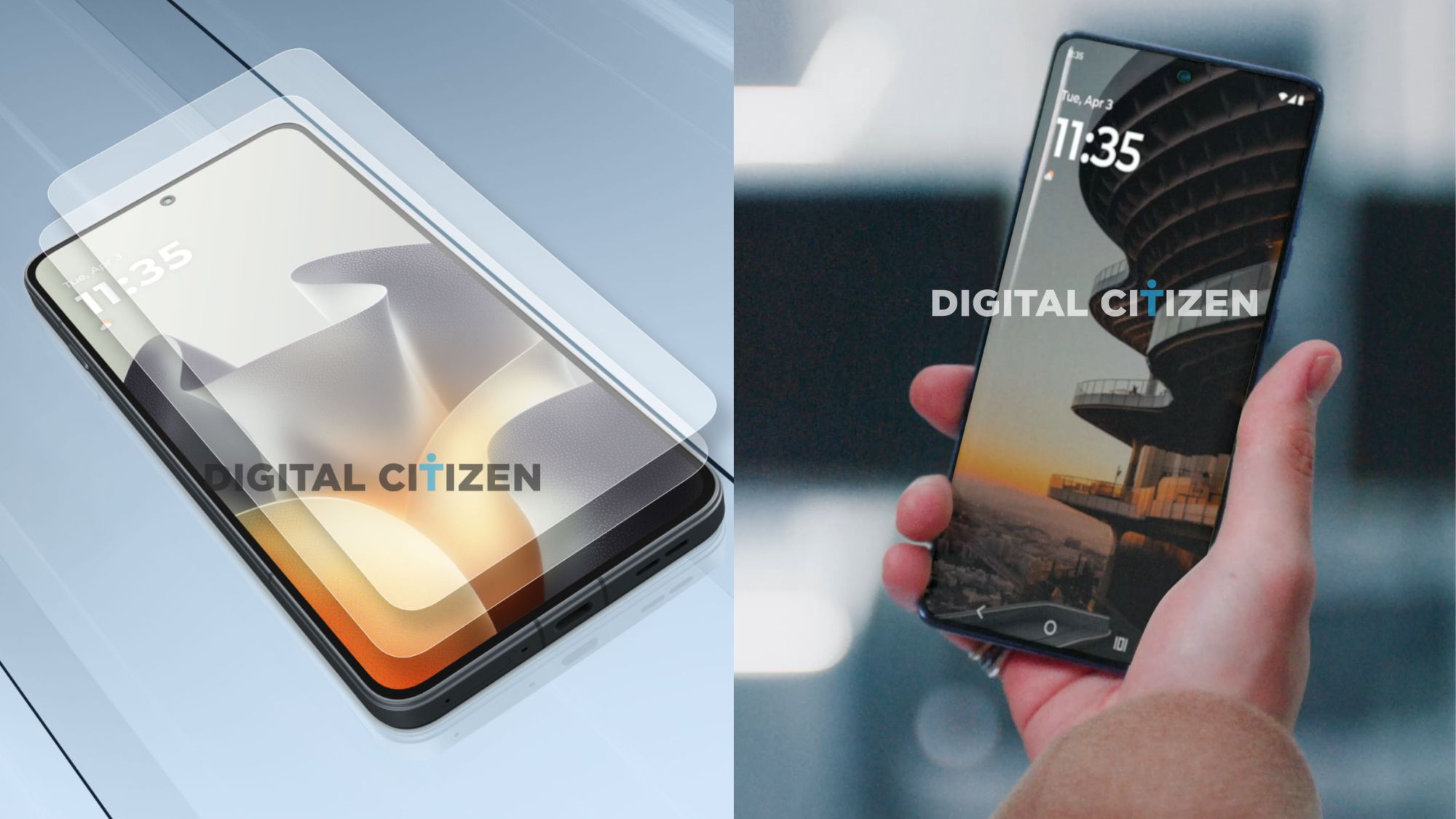
The shift is not merely internal. Perhaps most notably, the Edge 70 Max appears to be abandoning the aggressively curved displays that have defined the Edge series for years. Leaked renders point toward a modern, flat-screen design—a move that many enthusiasts have been requesting for seasons to improve ergonomics and reduce accidental touches. This design language is complemented by ultra-thin, uniform bezels that maximize the screen-to-body ratio of what is expected to be a high-refresh-rate AMOLED panel.
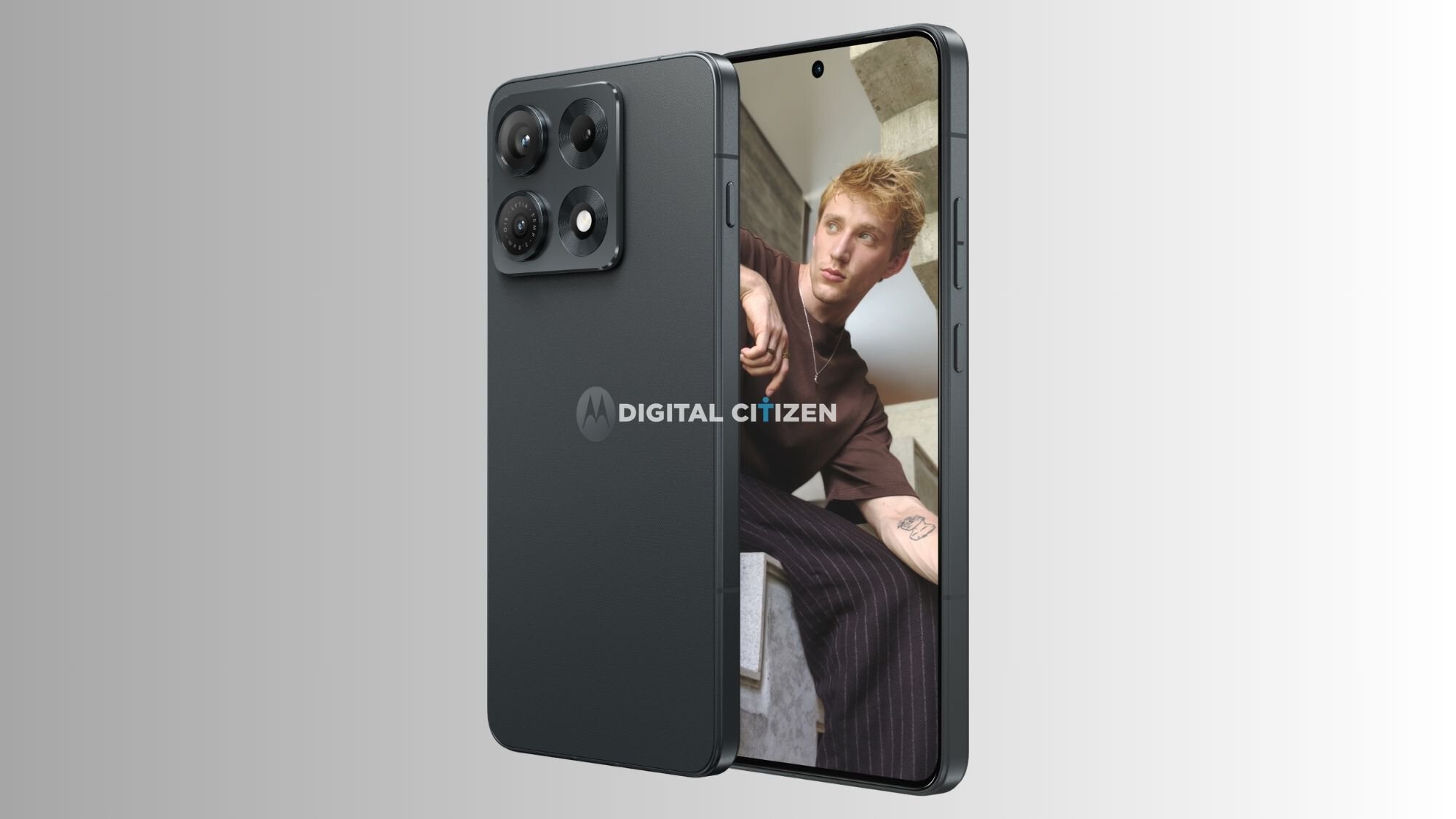
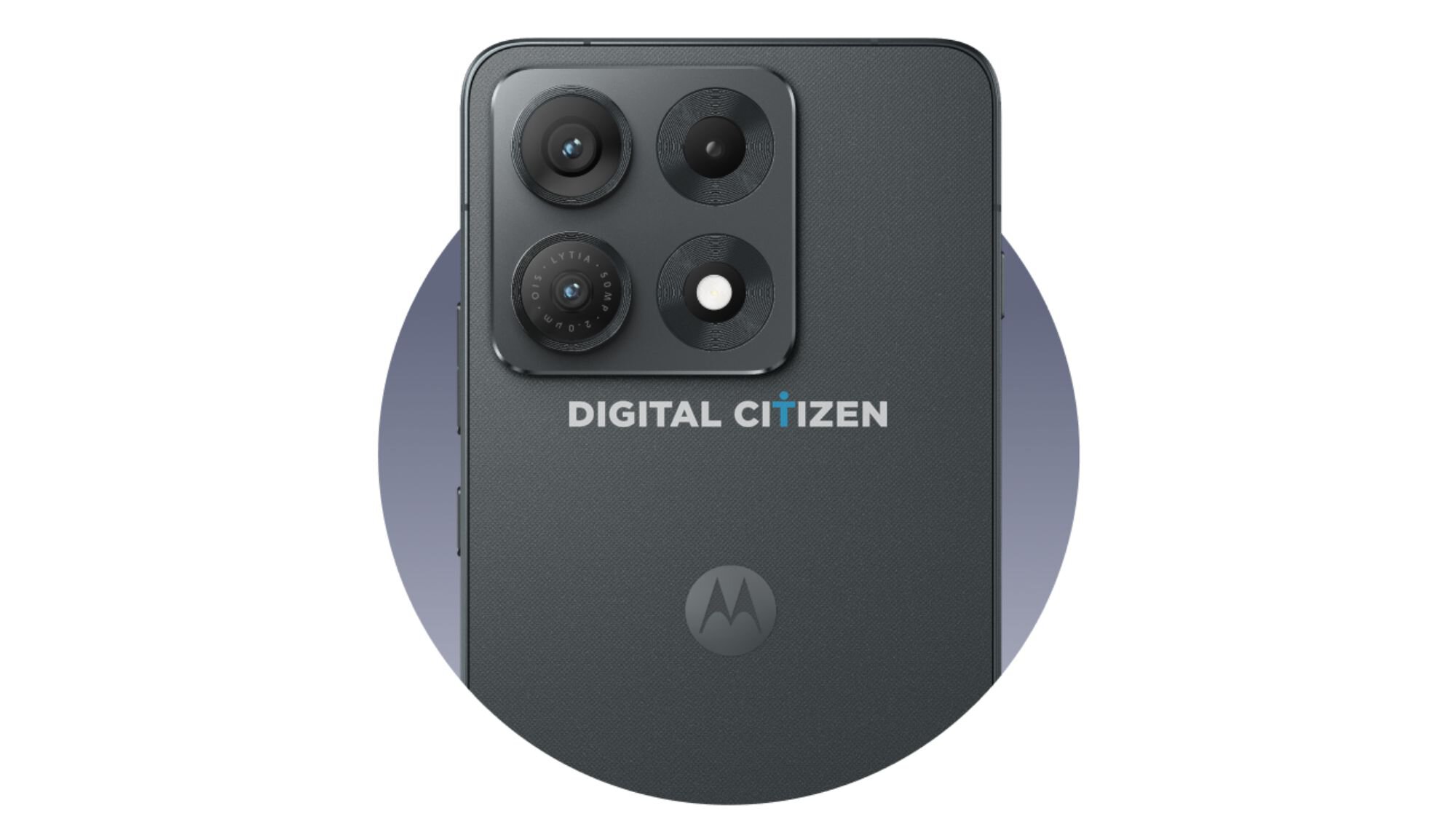
Furthermore, the device appears to be embracing a "pro-grade" philosophy, with a camera island that hints at a sophisticated multi-lens setup, likely including a dedicated telephoto lens for optical zoom—a feature that has historically been hit-or-miss in Motorola’s lineup.
A Chronological Look at Motorola’s Ascent
To understand why the Edge 70 Max is such a pivotal moment for the company, one must look at the recent history of the Edge lineup:
- 2023–2024 (The Design Phase): Motorola doubled down on its partnership with Pantone, introducing vivid colors and vegan leather finishes that set their phones apart visually from the sea of glass-and-aluminum rectangles.
- January 2026 (The AI Revelation): At CES 2026, Motorola unveiled "Qira," an ambitious, unified AI ecosystem. This laid the groundwork for a cross-device intelligence layer that could manage context, tasks, and memory across multiple hardware platforms.
- Mid-2026 (The Current Leak Cycle): As we enter the second half of 2026, the focus has shifted from mere aesthetic improvements to the technical specifications of the upcoming Edge 70 Max, fueling speculation that this will be the first device to fully integrate the Qira experience as its primary value proposition.
Supporting Data: Why the Edge 70 Max Matters
The smartphone market in 2026 is arguably more competitive than ever. For a device to succeed in the premium segment, it must excel in four specific pillars:
1. Performance and Thermal Efficiency
The Snapdragon 8 Gen 5 provides the "raw horsepower" necessary for high-end gaming and multitasking. However, the real test will be how Motorola manages the thermals of this chip in a sleek, slim chassis. If the Edge 70 Max can sustain peak performance without throttling, it will immediately differentiate itself from budget-conscious alternatives.
2. The Qira AI Ecosystem
Motorola’s move into AI is not just about a chatbot. The Qira vision aims for "shared memory"—the ability for your phone to remember preferences from your tablet or laptop and apply them in real-time. By moving photo editing and language processing on-device, Motorola is prioritizing privacy and latency, two critical factors for enterprise and power users.
3. Build Quality and Durability
The rumored inclusion of MIL-STD-810H certification is a massive signal to the market. By validating the device against extreme temperatures, drops, and vibrations, Motorola is targeting a demographic that demands both luxury and utility. This move effectively bridges the gap between "delicate designer phone" and "workhorse device."
4. Photographic Ambition
While the exact sensor specifications remain under lock and key, the physical camera module design indicates a departure from the "two-lens standard." By incorporating a dedicated zoom lens, Motorola is finally addressing one of the most common criticisms leveled against its previous flagships: the lack of versatile, long-range photography.
Official Responses and Strategic Positioning
Motorola has remained characteristically tight-lipped regarding the specific details of the Edge 70 Max. However, during the CES 2026 presentation, leadership emphasized that the "future of mobile is not just about faster chips, but about contextual intelligence."
Industry analysts interpret this as a clear nod to the Qira platform. By branding their AI as a holistic "ecosystem," Motorola is attempting to replicate the success of the Apple and Samsung "walled gardens" without losing the open, customizable spirit of the Android operating system. This strategic positioning suggests that the company is ready to invest heavily in software long-term support to ensure that the Edge 70 Max remains relevant for years to come.
Implications for the Android Market
If the leaked specifications for the Motorola Edge 70 Max hold true, the implications for the Android market are significant.
Increased Competition in the Premium Tier
For years, Samsung has maintained a stronghold on the "premium Android" market. A strong showing from Motorola forces Samsung, Google, and OnePlus to refine their offerings. This competition typically leads to more aggressive pricing and faster innovation cycles, which ultimately benefits the consumer.
The Death of the "Curved Screen" Trend?
Motorola’s potential move to a flat display on a premium flagship might signal the end of the curved-screen era. If one of the companies most synonymous with the "Edge" design decides to pivot to flat panels, it may embolden other manufacturers to follow suit, finally ending the industry’s long-standing debate over aesthetics versus usability.
AI as the New Baseline
The integration of Qira will likely set a new baseline for what consumers expect from a "flagship" phone. It is no longer enough to have a good camera and a fast processor; if a phone cannot offer a deeply integrated, context-aware AI experience, it may soon be viewed as obsolete.
The Road Ahead: Potential Hurdles
Despite the optimism surrounding the Edge 70 Max, the path to success is not without obstacles. Motorola must navigate:
- Software Updates: To compete with the likes of Samsung and Google, Motorola must promise long-term OS and security updates that match the market-leading 7-year standards.
- Market Penetration: While the phone may be technologically superior, Motorola’s brand perception in some regions still leans toward the budget-to-midrange segments. Rebranding the Edge 70 Max as a true luxury competitor will require a significant shift in marketing strategy.
- Pricing: If the company prices this device too high, it may struggle to find an audience against established flagships. If it prices too low, it risks devaluing the "Max" moniker.
Conclusion: A New Era for Motorola
The Motorola Edge 70 Max represents more than just a new smartphone; it represents a company finding its footing in a new era of mobile computing. By combining its legendary design prowess with a serious commitment to AI-driven productivity and rugged durability, Motorola is creating a device that checks almost every box for the modern power user.
While the "Qira" ecosystem remains an enigmatic variable, it is clear that Motorola has a plan. If the company can deliver on the hardware promises hinted at in recent leaks, the Edge 70 Max could very well be the turning point that transforms Motorola from a beloved alternative into a dominant force in the flagship market. Whether it will actually topple the reigning kings of Android remains to be seen, but for the first time in a long time, the competition is looking over its shoulder.


 Laily UPN
 Azzam Bilal Chamdy