

Main Facts: The Great Relocation
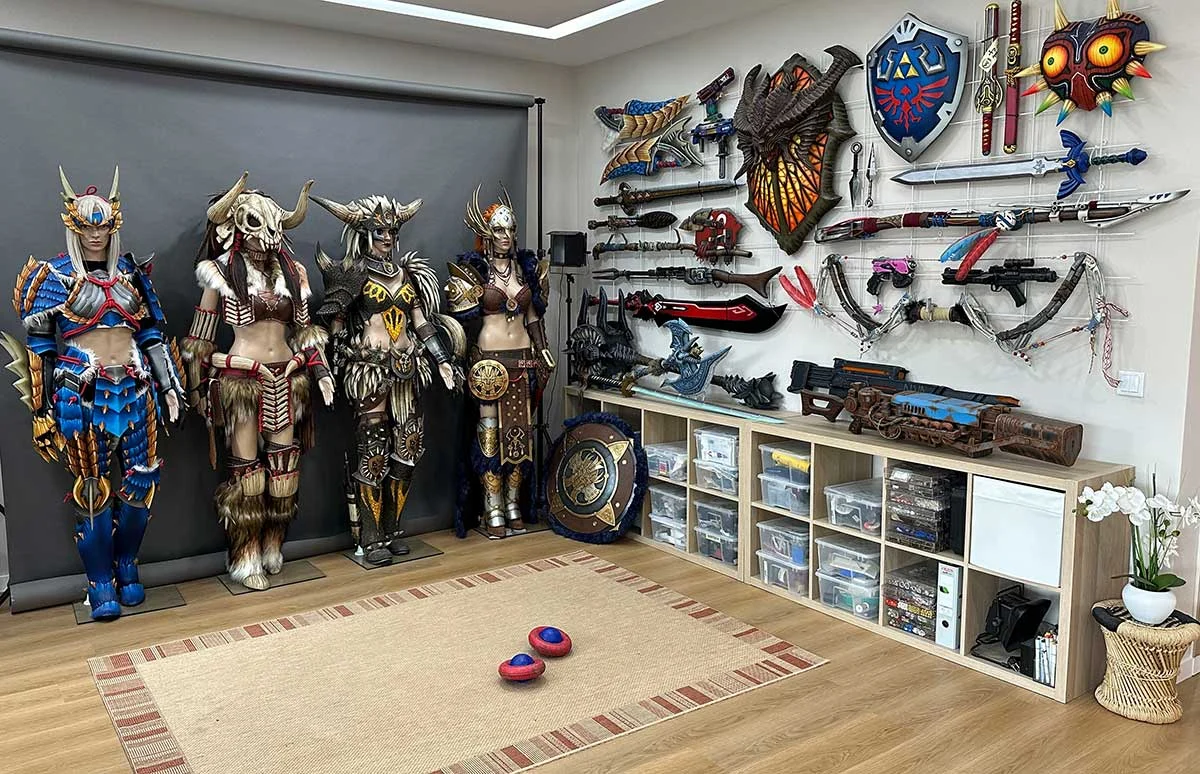
In a move that marks a significant milestone in the world of professional cosplay, renowned artists Benni and Kamui have officially transitioned their operations from Bavaria, Germany, to the island of Madeira, Portugal. This relocation was not merely a change of address; it was a strategic pivot aimed at reclaiming the creative freedom lost to the dual pressures of an unforgiving climate and the mounting administrative burdens of German bureaucracy.
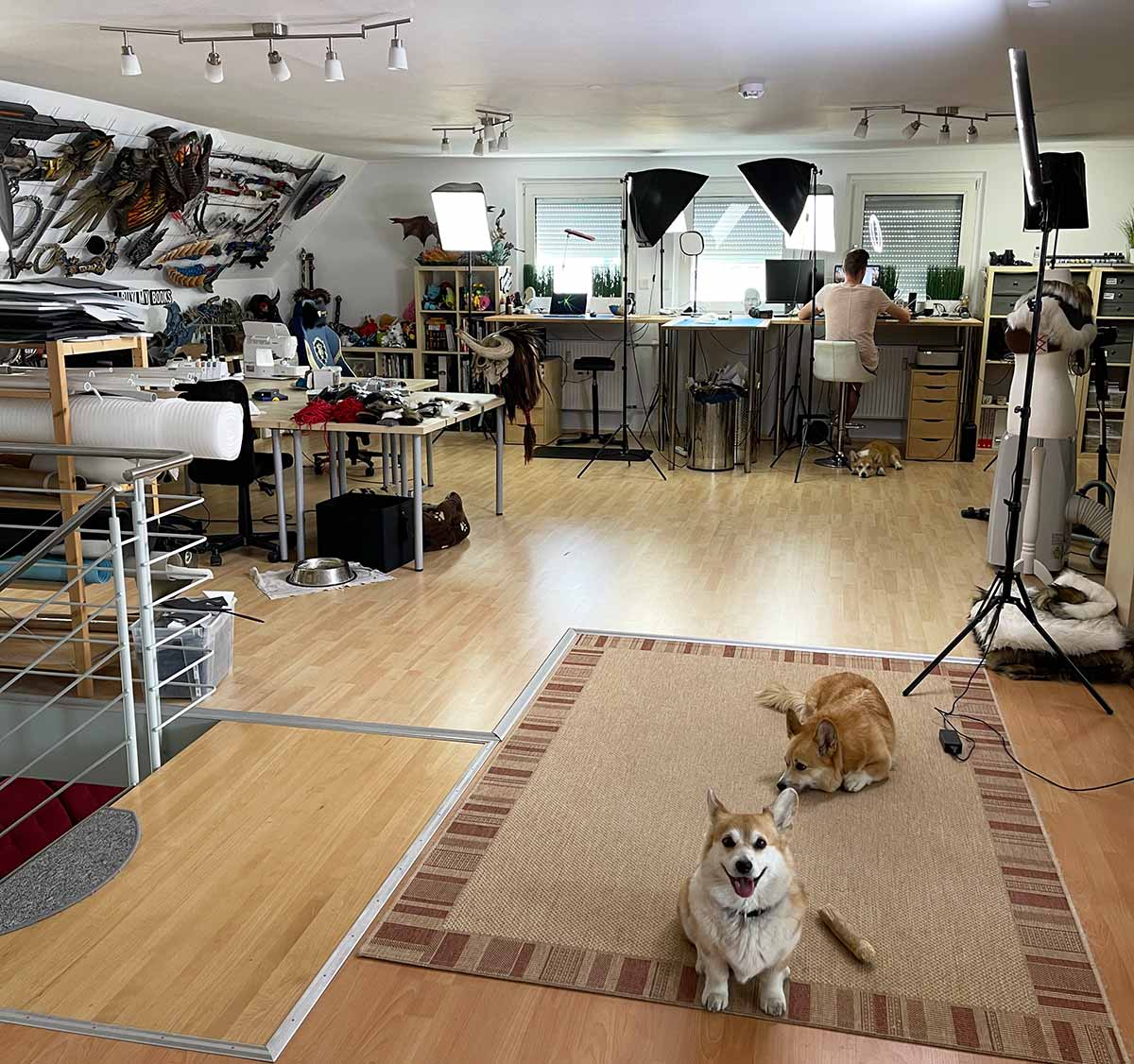
For years, the duo operated a highly successful workshop in Bavaria, serving as a hub for costume creation, YouTube content production, and educational resources for the global cosplay community. However, the constraints of the German climate—characterized by long, harsh winters and a lack of natural sunlight—had profound impacts on their personal well-being. Coupled with the rising complexity of self-employed artistic taxation and regulation, the pair found themselves spending more time on administrative paperwork than on their actual craft. The decision to relocate was finalized after a search for a climate that could provide year-round stability and sunshine. Madeira, consistently ranked by global climate indices as one of the most temperate locations on Earth, was selected as the new home for their creative enterprise.

Chronology: From Concept to Container
The journey from decision-making to the final installation of their new workspace was a multi-stage operation that required meticulous planning.
- Initial Realization (Early 2023): The realization that the existing workshop in Bavaria was no longer sustainable due to the mental health toll of the climate and the stifling nature of local administrative processes.
- Location Scouting (Mid-2023): Utilizing global climate data, the pair identified Madeira as the ideal destination. The primary requirement was a space that could be reconfigured to serve as both a high-end content creation studio and a functional workshop.
- The Logistical Feat (Late 2023): The most daunting challenge was the physical relocation. With two decades of accumulated props, industrial-grade sewing machines, 3D printers, mannequins, and raw materials, the move necessitated hiring a specialized shipping company and securing a shipping container for a trans-Atlantic journey.
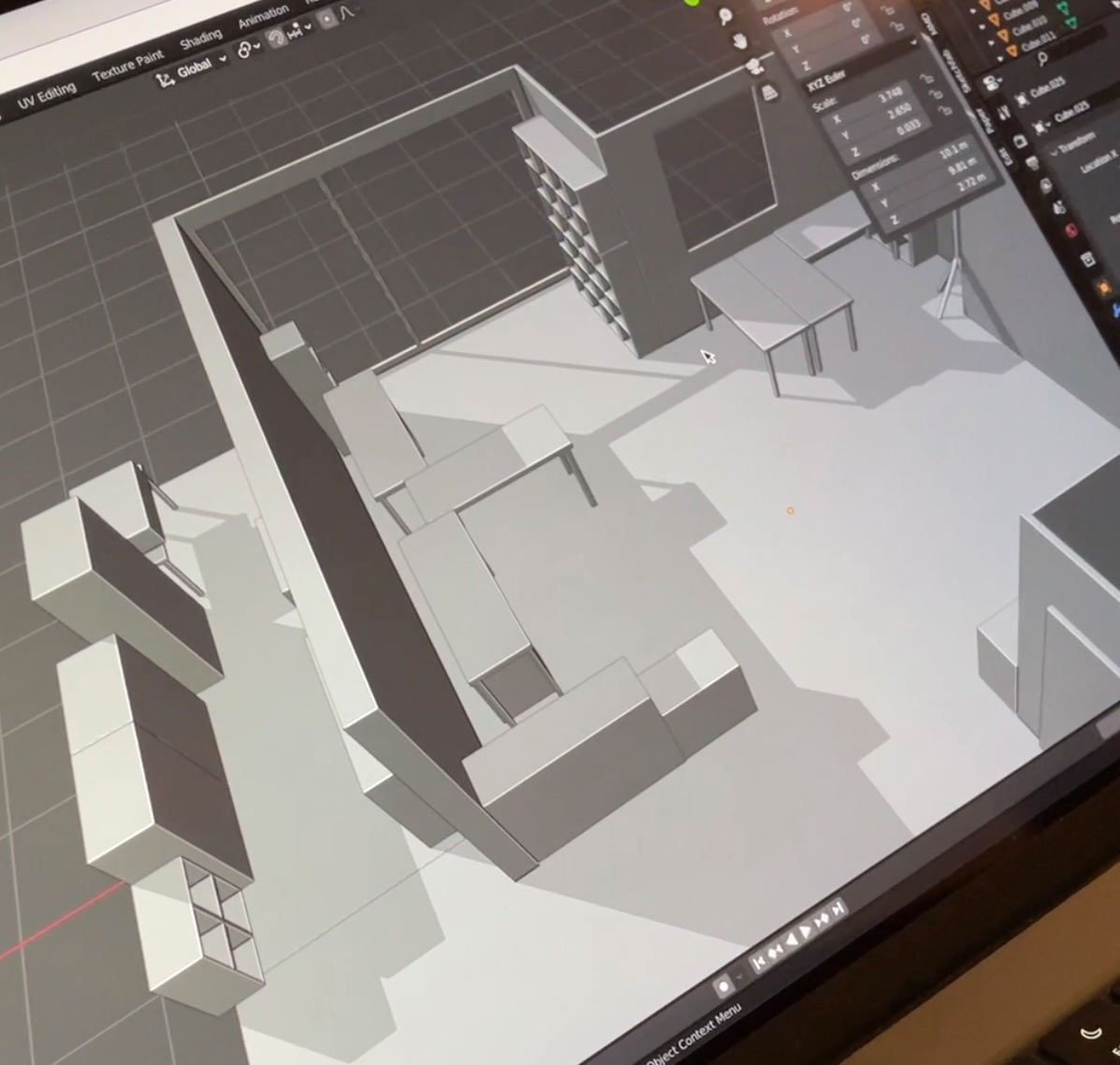
- Digital Prototyping (Pre-arrival): Before stepping into their new space, they obtained building blueprints and modeled the entire floor plan using Blender. This digital simulation allowed them to optimize the flow between the "clean" areas (for filming and display) and the "dirty" areas (for sanding, painting, and 3D printing).
- Implementation (Early 2024): Upon arrival in Portugal, the physical setup began, utilizing modular furniture systems to finalize a layout that maximizes space efficiency.
Supporting Data: Engineering the Perfect Workspace
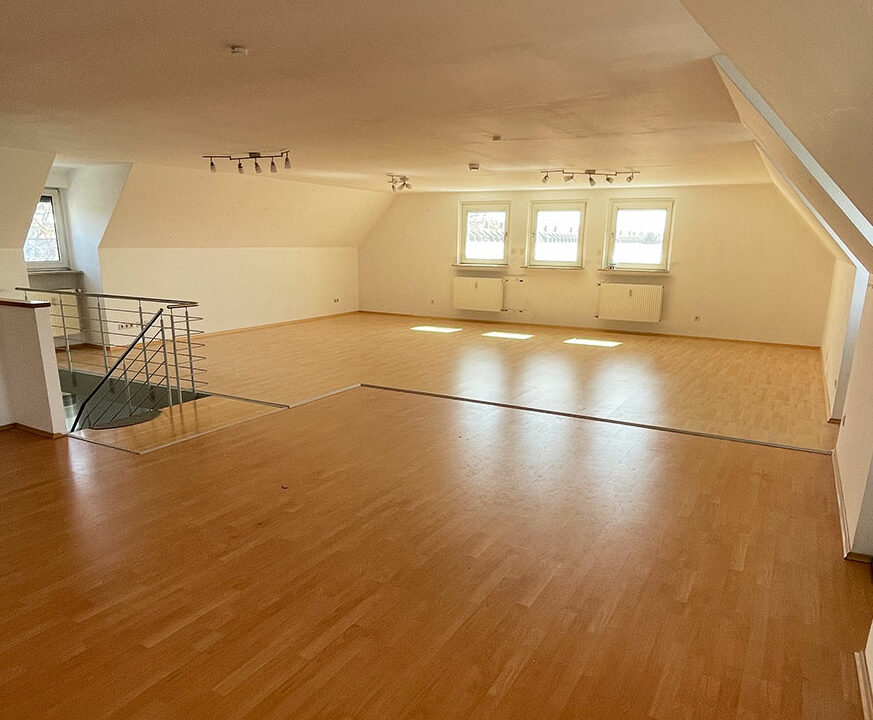
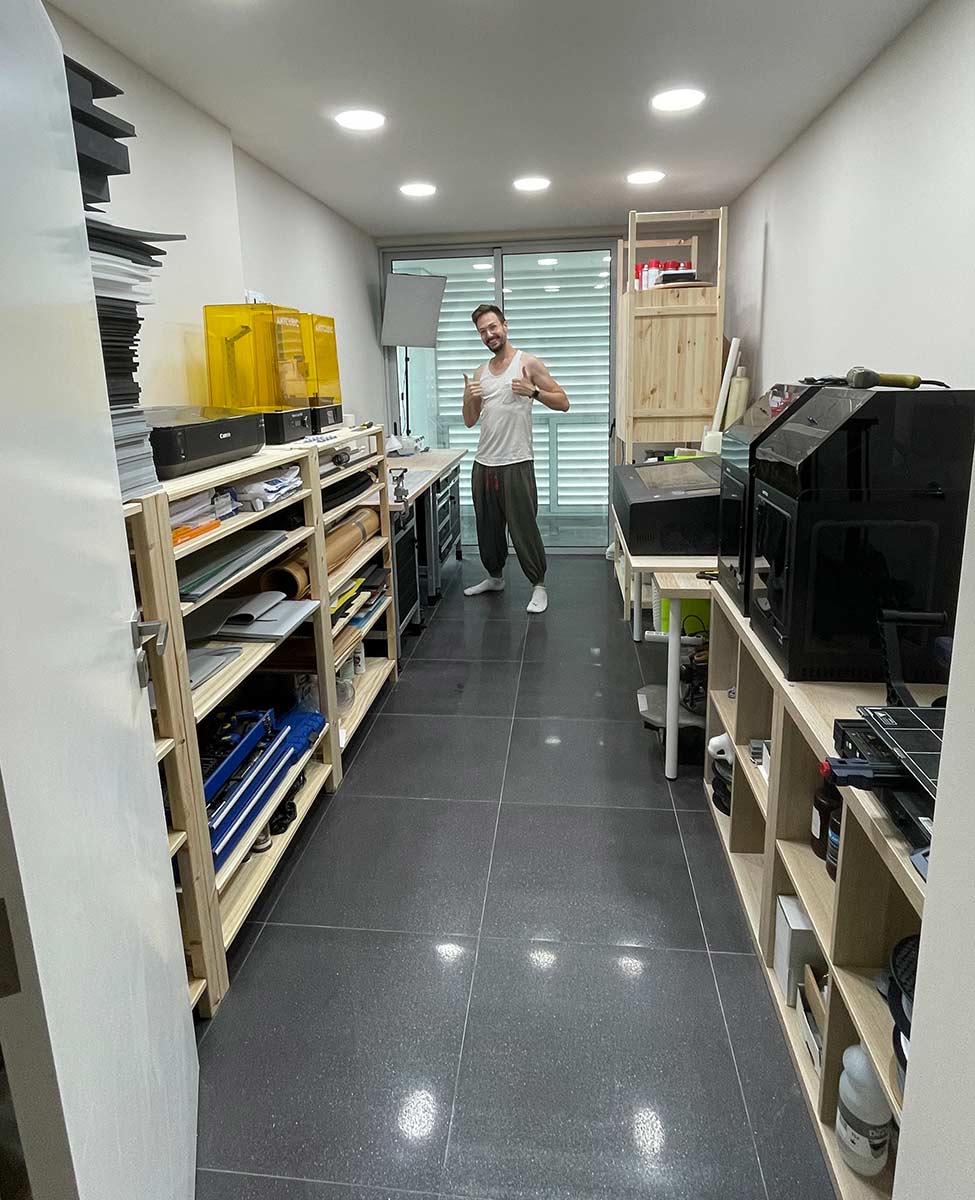
The success of the new workshop hinges on the strategic use of space. In the new Madeira residence, the floor plan was inverted: the largest living room was converted into a dedicated workshop, while the master bedroom was repurposed as a living space.
Digital Planning vs. Conventional Apps
The decision to use 3D modeling software like Blender, rather than consumer-grade room-planning apps, was rooted in the need for professional precision. In a professional workshop, every centimeter determines the efficiency of the workflow. Blender provided the flexibility to include specific equipment dimensions and to visualize the 3D space, which helped identify potential bottlenecks in movement and ventilation before any furniture was purchased.
Storage and Modular Systems
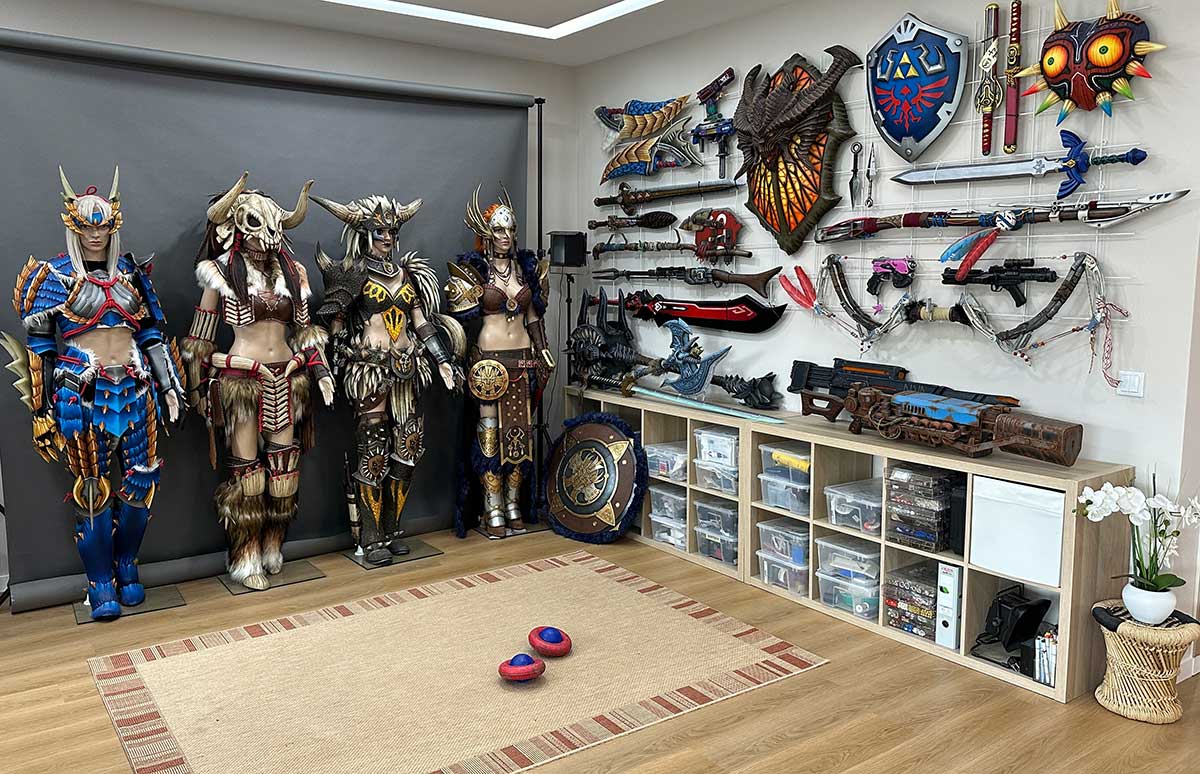
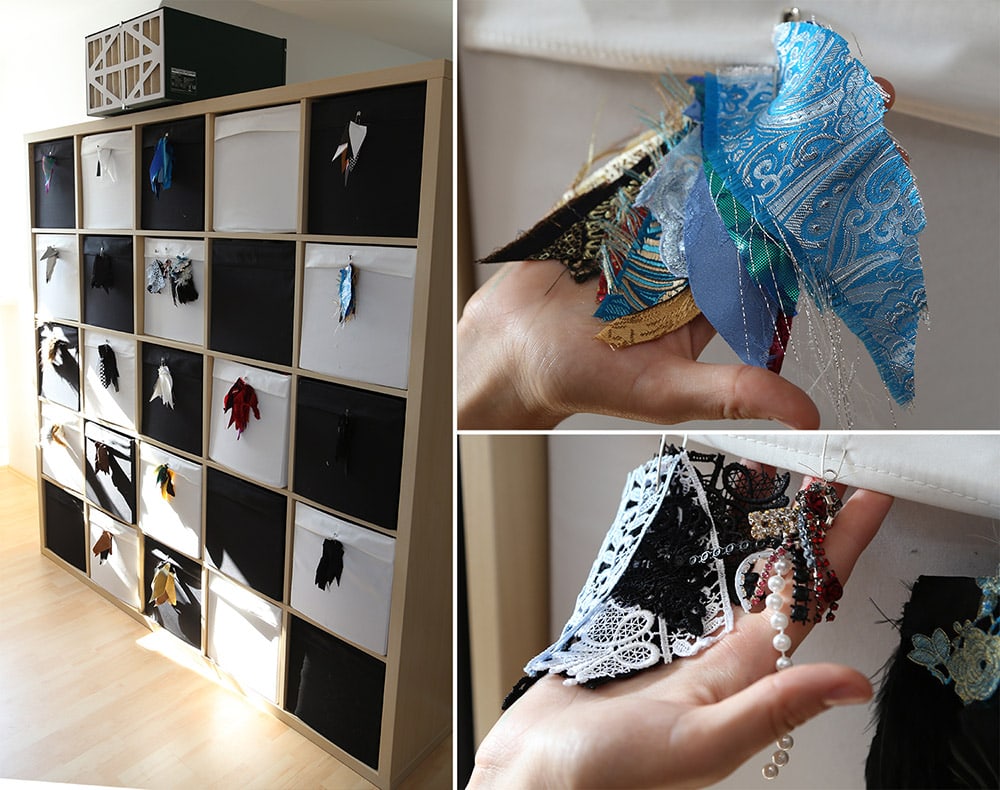
For storage, the team relies on standardized, modular furniture—specifically systems like the IKEA Kallax and Ivar. The Kallax serves as the structural backbone for the studio’s aesthetic, housing fabric, tools, and finished props, while also providing a visually consistent background for video production. The Ivar system, characterized by its open shelving, is utilized for the storage of raw materials such as EVA foam sheets and thermoplastic rolls.
A critical element of their new setup is the creation of a dedicated "spray booth" using simple shelving units, which ensures that toxic fumes from airbrushing and 3D printing are contained. This separation of "clean" and "dirty" work is essential for the longevity of both the equipment and the artists.
Official Perspectives: The Philosophy of the "Creative Journey"
In discussing the transition, the artists emphasized that a workshop is not a static entity but a reflection of the artist’s current stage of development. Kamui notes, "My very first workshop was a small corner in a room I shared with Benni. It took twenty years to build the infrastructure I have today."
The Art of Letting Go
A central theme of the move was the process of "de-hoarding." Years of professional crafting naturally lead to an accumulation of materials—some of which are eventually rendered obsolete by new technology or shifting interests. The relocation served as a necessary catalyst for donating thousands of euros worth of surplus fabric, paints, and tools to local crafting clubs in Germany. This act of community support served as a reminder that resources, once they have served their purpose for the creator, can find new life in the hands of the next generation of makers.
Essential Materials
When asked about the essentials that survived the move, the list remains consistent with their professional methodology:
- Adhesives: Gutermann HT2 for fabric and high-grade contact cement for EVA foam.
- Fabrics: A specialized stock of lycra, neoprene, and faux leather in black, complemented by an extensive collection of metallic-finish vinyl.
- Display: Full-body mannequins remain the industry standard for maintaining the shape and presentation of complex costumes.
Implications: The Future of Remote Artistic Labor
The move to Madeira serves as a case study for the modern creative professional. It highlights the growing feasibility of maintaining a global creative enterprise from a remote, yet high-quality-of-life location. By leveraging digital tools for planning and standardized modular storage solutions, artists can maintain high levels of productivity regardless of their physical location.
The implications for the wider cosplay and crafting community are significant. It challenges the notion that one must reside in a major industrial hub to produce high-end content. Instead, it suggests that with proper logistical planning, high-speed connectivity, and a commitment to organized workflows, a creative studio can be established anywhere in the world.
A Community-Focused Outlook
As they settle into their new Portuguese home, the focus shifts back to community engagement. The move has been documented extensively, with the creators releasing in-depth walkthroughs of their setup process on YouTube. These videos act as a blueprint for other creators who are struggling with space management or are considering a similar professional transition.
The shift to Madeira has provided not just a change in latitude, but a change in perspective. By prioritizing a well-organized, sunny, and efficient environment, Benni and Kamui have ensured that their next two decades of work will be defined by creativity rather than administrative struggle. For the aspiring cosplayer, the message is clear: your workshop will grow as you do, and while the tools change, the core principle remains—build a space that allows you to focus on your passion.
For those interested in the details of their specific organizational techniques, the duo continues to provide resources through their website, including guides on airbrushing, advanced painting, and the broader accessibility of the hobby in today’s economy. The move to Madeira is, ultimately, an investment in the sustainability of their art—a testament to the idea that where you create is just as important as what you create.










No comments yet. Be the first to join the conversation!