

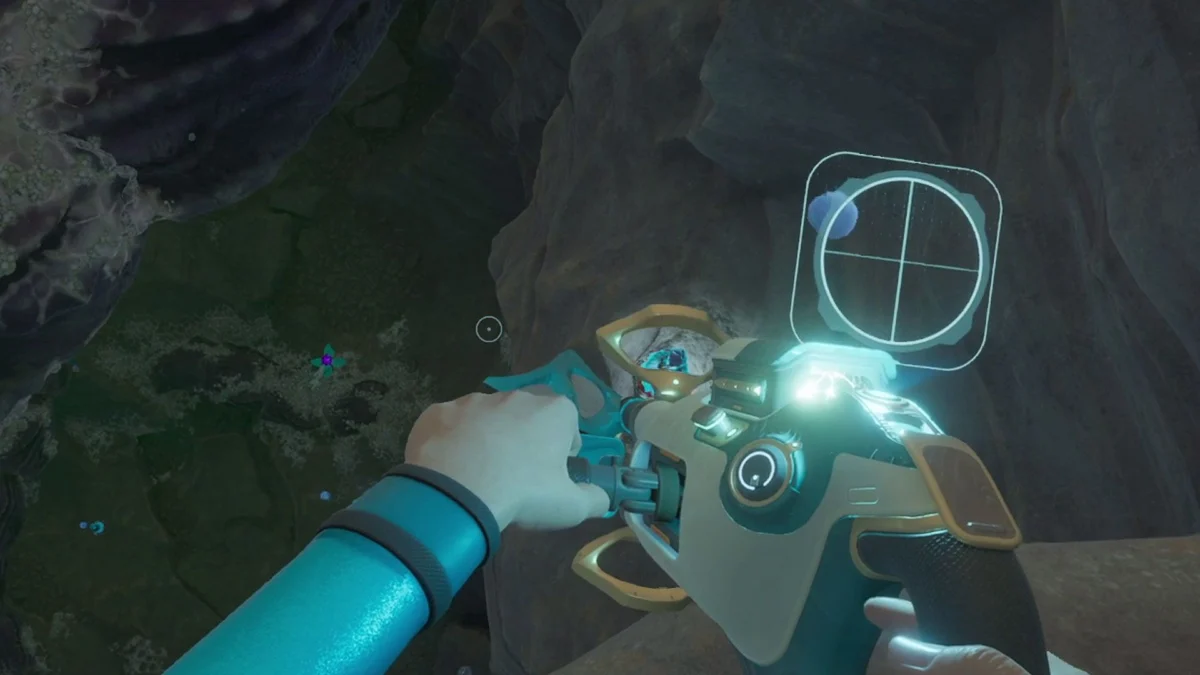
Navigating the perilous, alien waters of Subnautica 2 requires more than just courage; it demands a mastery of the specialized technology provided by Unknown Worlds Entertainment. As players delve deeper into the narrative, they will inevitably encounter the Sonic Resonator—a vital piece of gear for interacting with the environment. However, as the ecosystem of the planet evolves, so too must your equipment. The Feedback Resonator is not merely an optional upgrade; it is a fundamental requirement for story progression, specifically designed to bypass the defensive adaptations of the formidable Angel Comb.
In this guide, we will break down everything you need to know to secure the blueprints, gather the necessary resources, and construct this essential device.
The Strategic Importance of the Feedback Resonator
In the early stages of Subnautica 2, players are introduced to the Blighted Coral, a biome that serves as the backdrop for the initial phase of the infection narrative. By utilizing the base Sonic Resonator, you are able to neutralize the Angel Comb infection. However, the game’s biological systems are dynamic. Once you clear the first section of the story, the Angel Comb adapts to your presence, rendering the base-level tool ineffective against subsequent infestations.
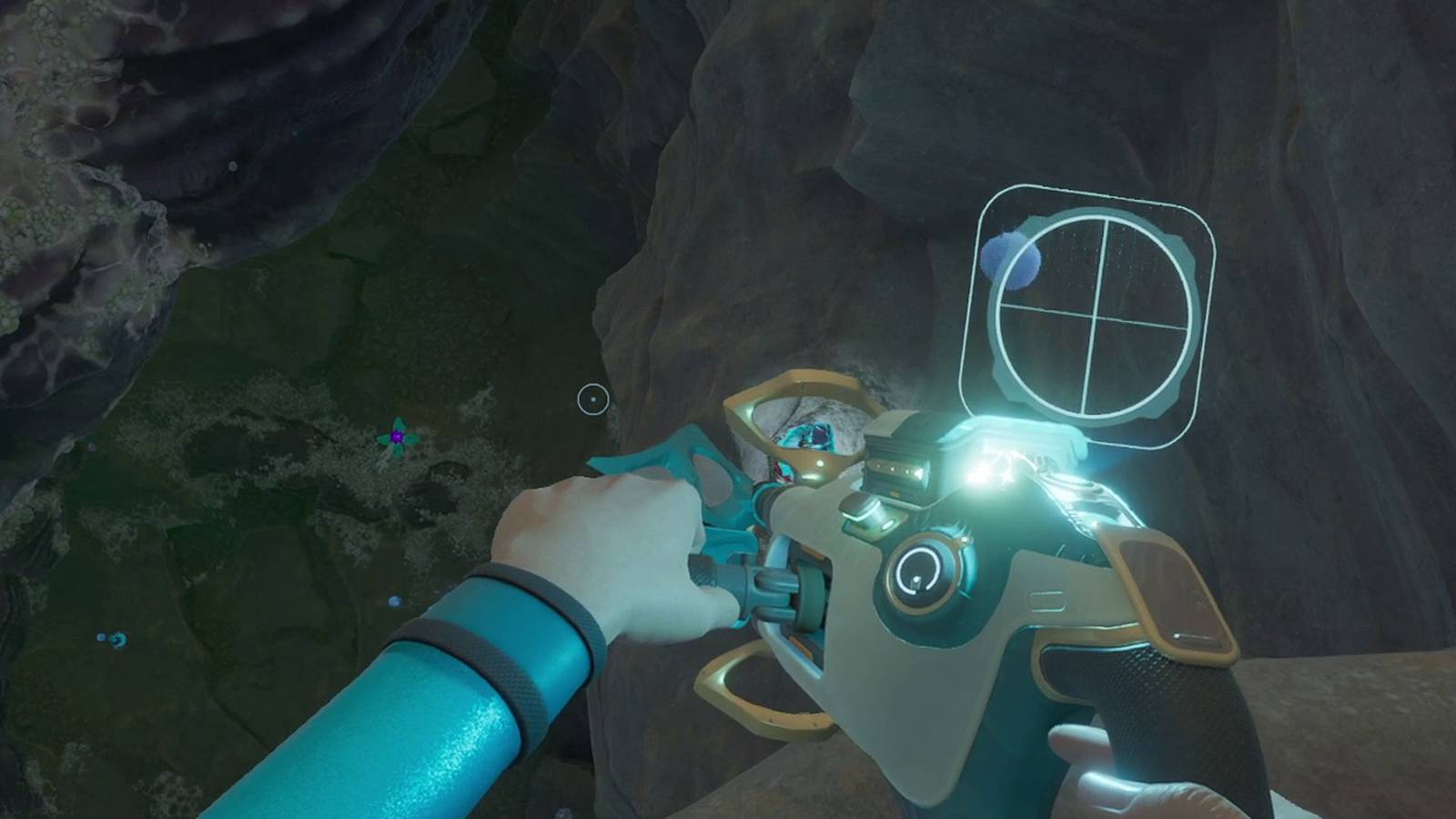
The Feedback Resonator acts as the necessary counter-measure. By upgrading your sonic capabilities, you effectively "break" the adaptive defenses of the local flora, allowing you to proceed through the later chapters of the game. Without this, your progress will be artificially gated, leaving you stranded in the mid-game with no viable way to clear the path forward.
Chronology of the Hunt: Locating the Blueprints
Finding the blueprints for the Feedback Resonator is a task that requires both navigational precision and a willingness to explore the game’s most hazardous regions. These blueprints are situated in the second half of the game’s world, primarily within the Power Plant and Root Canyon sectors.
Phase 1: The Cicada Ship Wreck
The first, and perhaps most accessible, location for the blueprint is the Cicada Wreck. This location is situated roughly 2,040 meters away from your initial Lifepod, placing it firmly in the late-game exploration zone.

- Coordinates and Navigation: Approach the wreck from the surface before descending to a depth of approximately 200 meters. If you are using the Ancient Ruins as a navigational waypoint, look for a heading that places you roughly 785 meters east-southeast of those ruins.
- Acquisition: Once you reach the site, identify the torn, open section of the ship’s hull. Upon entering, navigate past the debris until you reach a sealed, inaccessible door. The Feedback Resonator blueprint will be resting on the deck directly in front of this obstruction.
Phase 2: The Perimeter of the Metal Farm
The second blueprint location is found in the vicinity of the Metal Farm. While the Farm itself is a significant point of interest, the blueprint you require is located just outside the threshold of this area.
- Deep Sea Exploration: Navigate toward the lower seabed, specifically targeting the mining sector that sits just before the main Metal Farm entrance. This area is characterized by high-intensity bioluminescent lighting, making it easier to spot than other dark seabed regions.
- Acquisition: At the base of this mining shelf, roughly 400 meters deep and 2,000 meters from your Lifepod, you will find the second blueprint. Collecting this confirms the schematic in your PDA, allowing you to move toward the construction phase.
Supporting Data: The Crafting Workflow
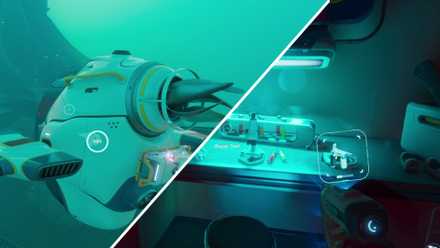
Constructing the Feedback Resonator is a multi-step process that deviates from the standard item-crafting loop found in the base game. You cannot utilize a standard Fabricator; instead, you must rely on the Modification Station.
The Modification Station Requirement
If you have not yet constructed a Modification Station, prioritize this immediately. Ideally, you should have placed one in your primary base or near the Welcome Center by the Lifepod. If you find yourself stranded without one, you must gather the necessary resources to build it via your Habitat Builder.
Modification Station Construction Requirements:
- Titanium Ingot: The backbone of structural integrity.
- Diamond: Required for the precision cutting tools within the station.
- Lead: Essential for the electrical shielding of the station’s interface.
Once the station is operational, navigate to the second tab of the menu. This interface allows for advanced hardware upgrades, including the conversion of the base Sonic Resonator into the Feedback-capable model.
Material Requirements for the Feedback Resonator
The final build requires specific high-tier resources, most of which are indigenous to the Root Canyon and the Power Plant.
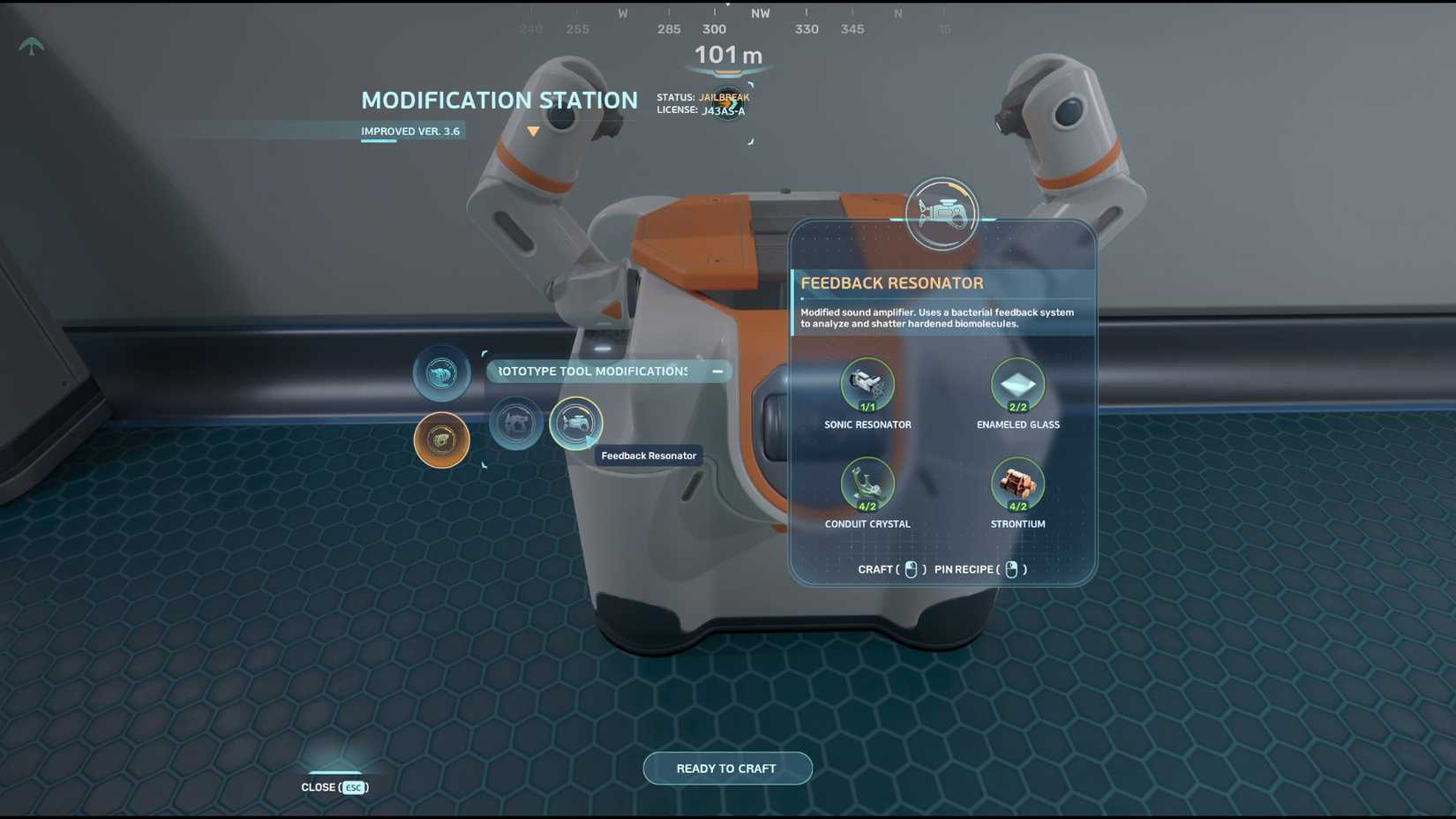
- Standard Components: You will need a functioning Processor unit. By the time you reach this stage, most players will have scavenged or built several.
- Exotic Materials: You will require specific crystalline structures found within the Power Plant, which act as the amplification conduit for the device’s sonic output.
- Refined Alloys: A small amount of reinforced alloy is necessary to handle the high-frequency vibration load that the Feedback Resonator will produce.
Official Developer Context: Unknown Worlds Entertainment
While the community has been vocal about the difficulty spike associated with the Angel Comb infection, the developers at Unknown Worlds Entertainment have emphasized that Subnautica 2 is designed to encourage systemic thinking. By shifting the requirement from a simple "find-and-use" item to a "research and upgrade" workflow, the team aims to reinforce the player’s role as a scientist and survivalist rather than a mere consumer of gear.
In recent patch notes, the developers noted that the transition between the Sonic Resonator and the Feedback Resonator is intended to be a "gatekeeper moment." It forces the player to engage with the Modification Station—a mechanic that is often overlooked in the early hours of gameplay but becomes the cornerstone of mid-to-late game survival.
Implications for Gameplay Progression
Successfully deploying the Feedback Resonator has profound implications for your journey:
- Environmental Control: Beyond the story-mandated removal of the Angel Comb buds, the Feedback Resonator grants you the ability to interact with certain mineral deposits from a significant distance. This makes the harvesting of rare materials in hazardous, high-pressure zones substantially safer.
- Story Momentum: The game’s narrative is heavily tied to the biological reclamation of the planet. By neutralizing the second stage of the Angel Comb, you unlock access to the deeper, previously inaccessible sections of the Power Plant.
- Co-op Synergy: If you are playing in the game’s online co-op mode, having one player equipped with the Feedback Resonator while another manages the primary sonar scanning creates a highly efficient exploration duo. This division of labor is vital for survival in the more hostile biomes.
A Note on Future Updates
As Subnautica 2 is built on the Unreal Engine 5, the lighting and physics interactions in areas like the Root Canyon are remarkably complex. Players are advised to keep their game files updated, as optimizations for these deep-sea regions are frequent. The developers have signaled that future content updates may introduce even more complex environmental puzzles that build upon the mechanics established by the Feedback Resonator.
Conclusion
The path to the Feedback Resonator is long, winding, and requires a deep understanding of the geography of Subnautica 2. By following the coordinates provided for the Cicada Wreck and the Metal Farm, you can bypass the frustration of aimless searching. Remember that preparation is your greatest asset in this alien ocean. Ensure your oxygen levels are managed, your battery reserves are topped up, and your Modification Station is ready for the upgrade.
With the Feedback Resonator in your inventory, the once-impassable defenses of the planet’s flora become nothing more than a minor obstacle on your way to uncovering the mysteries of the deep. Keep exploring, keep crafting, and stay vigilant—the depths still have many secrets yet to be revealed.












No comments yet. Be the first to join the conversation!