

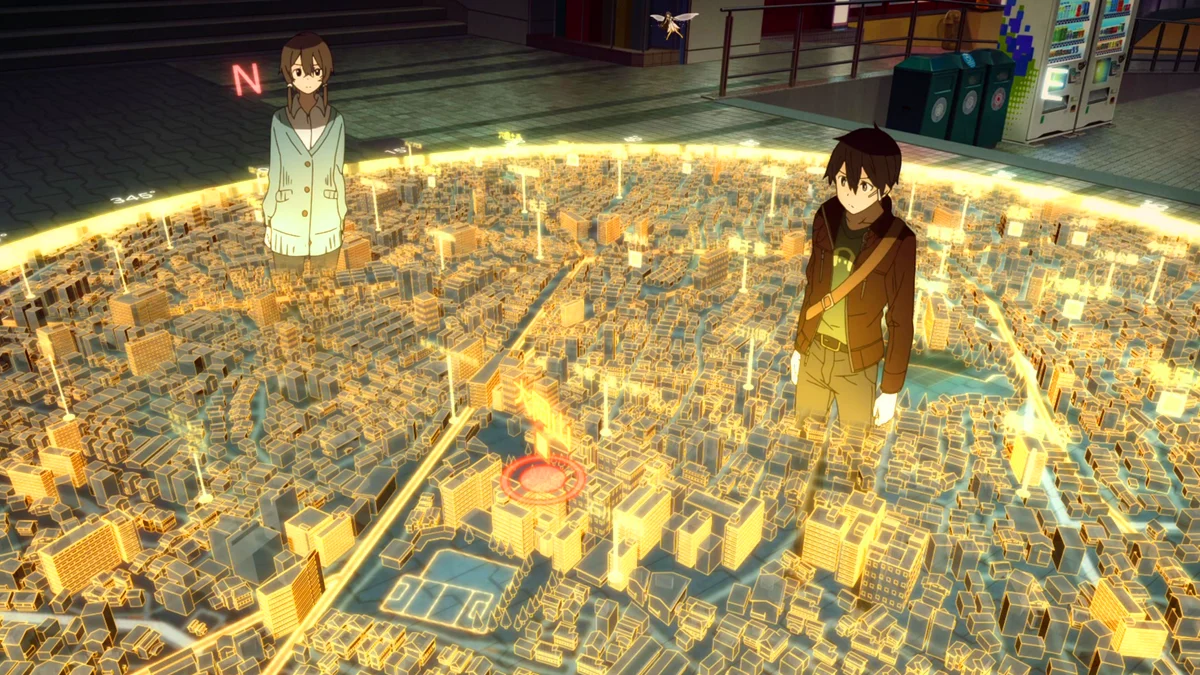
In an era where Japanese animation has transitioned from a niche subculture to a dominant force in global entertainment, a critical debate is simmering within the studios of Tokyo. At the heart of this discourse is Tomohiko Itō, the acclaimed director behind the Sword Art Online (SAO) franchise and the film Ordinal Scale. While many industry stakeholders are racing to adapt their content for a Western palate, Itō is sounding a clarion call for creative isolationism—or at least, a steadfast commitment to domestic creative roots.
In a recent comprehensive interview with the Japanese outlet Daily Shincho, Itō argued that the growing pressure to pander to international sensibilities, particularly Western standards of "political correctness," is a recipe for creative and commercial failure. His insights provide a rare window into the tensions between art and commerce as the anime industry navigates its most significant expansion in history.
Main Facts: The "Failure" of International Pandering
Tomohiko Itō’s primary thesis is built on a perceived "authenticity paradox." He suggests that the very reason anime became a global phenomenon is that it offered something distinct from the increasingly homogenized output of Hollywood. Consequently, if Japanese creators begin modifying their work to suit Western social or political expectations, they risk losing the "cultural DNA" that made the medium attractive in the first place.

"Focusing too much on ‘the world’ often leads to failure," Itō stated. He noted that when Japanese creators attempt to guess what will be popular overseas, they often miss the mark. Furthermore, he highlighted a specific friction point: the contrast between Japan’s tradition of creative freedom and the West’s increasingly stringent standards regarding "political correctness."
Itō pointed to the Western skepticism toward certain anime tropes—such as female characters in revealing outfits or high-octane action sequences involving young protagonists—as a potential trap. He suggested that if creators preemptively censor themselves to avoid North American "suspicion," they end up producing a sterilized product that satisfies no one.
Chronology: From Niche to Global Hegemony (2020–2024)
To understand why this debate has reached a fever pitch, one must look at the rapid consolidation and expansion of the anime market over the last four years. Itō identified several key milestones that have altered the landscape:

1. The Streaming Revolution (2020–2021)
The onset of the COVID-19 pandemic acted as a massive accelerant for anime consumption. With global populations confined to their homes, streaming platforms like Netflix, Hulu, and Crunchyroll saw record engagement. In 2020, Sony’s Aniplex made the monumental move to acquire Crunchyroll for $1.175 billion, effectively centralizing the global distribution of anime under a Japanese corporate umbrella.
2. The Hollywood Power Vacuum (2023)
Itō noted that the recent decline in Hollywood’s dominance provided a strategic opening for anime. "With factors like the writers’ strike a few years ago and the impact of COVID-19, Hollywood films seem to have lost some of their power," he observed. As Western blockbusters faced production delays and perceived "franchise fatigue," anime—with its consistent release schedules and diverse genres—stepped in to fill the void.
3. Corporate Expansion (2024)
The momentum has continued into the current year. Toho, the legendary Japanese studio behind Godzilla, recently acquired a major British anime distribution company, signaling a shift from merely licensing content to owning the international "pipes" through which that content flows. This vertical integration has put more pressure on directors like Itō to consider the "global" implications of their work from the earliest stages of production.

Supporting Data: The Market Forces Driving the Pressure
The push for globalization is not merely a creative choice; it is driven by staggering economic data. According to the Anime Industry Report 2023, the overseas market for Japanese animation now rivals or exceeds the domestic market in several key metrics.
- Market Valuation: The global anime market was valued at approximately $28.6 billion in 2022 and is projected to reach over $60 billion by 2030, with a compound annual growth rate (CAGR) of nearly 10%.
- The "Crunchyroll Effect": Following its acquisition by Sony, Crunchyroll surpassed 13 million paid subscribers globally. This massive, centralized audience represents a "Goldman Sachs" level of financial incentive for studios to create content that appeals to North American and European demographics.
- Success of Blockbusters: Films like Demon Slayer: Mugen Train and Jujutsu Kaisen 0 have shattered international box office records for non-English language films. Mugen Train, specifically, earned over $500 million globally, proving that "unfiltered" Japanese content has massive commercial viability.
It is this last point that Itō uses to bolster his argument: the biggest successes have been films that were made primarily for a Japanese audience, without any overt concessions to Western social norms.
Official Responses and Creative Stance: The Defense of Creative Freedom
Itō’s stance aligns with a broader movement within Japan to protect the nation’s "soft power." Recently, Japanese policy proposals have emerged seeking to defend "creative freedom" for anime, manga, and video games against external pressures to censor content.
The Problem of "Western Suspicion"
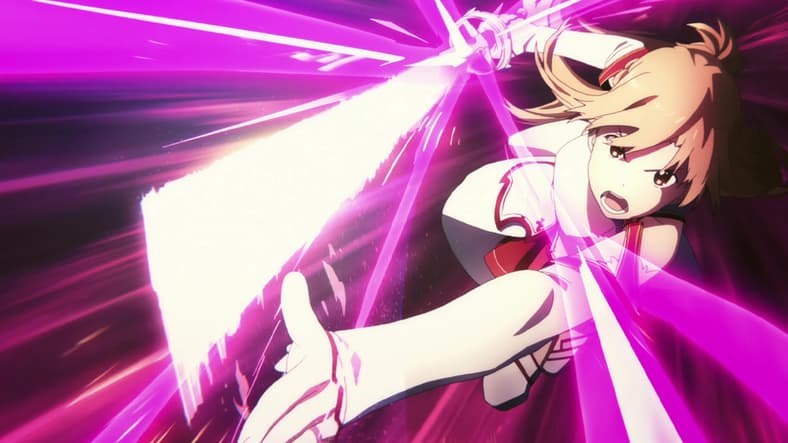
In his interview, Itō was candid about the cultural clash regarding character design and themes. In the West, particularly in North America, there is a heightened sensitivity toward the depiction of female characters. Itō noted that creators are often asked, "Is Japan still making the kind of shows where girls fight with lots of skin?"
His response suggests that while these criticisms exist, they should not dictate the artistic direction of the medium. He argues that the "suspicion" from North American critics is a localized cultural phenomenon that does not necessarily reflect the desires of the global fanbase, which often seeks out anime precisely because it does not adhere to Western "Disney-style" sensibilities.
The Plea for Professional Recognition
Beyond the debate on content, Itō used the interview to advocate for the people behind the scenes. He expressed frustration that while voice actors (seiyuu) receive immense domestic and international fame, the technical staff—directors and cinematographers—often remain in the shadows.
He cited Haruo Sotosaki, the director of the record-breaking Demon Slayer films, and cinematographer Yuichi Terao. Itō lamented that while these individuals are celebrated at international film festivals and stage greetings in China, they are often overlooked in the domestic Japanese press. "For the sake of those aspiring to work in anime in the future, I hope the history of who did what is preserved," he said, emphasizing that a healthy industry must recognize its architects, not just its "voices."
Implications: The Future of the "Galápagos" Medium
The term "Galápagos Syndrome" is often used in Japanese business to describe products that evolve in isolation, becoming highly advanced but incompatible with the rest of the world. For decades, anime was the ultimate Galápagos product. Itō’s comments suggest that he believes this isolation is actually the source of the medium’s strength.
1. The Risk of Homogenization
If the industry follows the path of "globalizing" its creative intent, the implication is a loss of diversity in the global entertainment ecosystem. If anime begins to look, feel, and think like a Western production, it loses its competitive advantage. Itō’s warning suggests that "pandering" will lead to a version of anime that is "lite"—devoid of the edge, complexity, and unique cultural quirks that define it.

2. A New Model of Distribution, Not Creation
The path forward, according to the logic of directors like Itō, is a model where the distribution is global, but the creation remains local. This means utilizing platforms like Crunchyroll and Netflix to reach every corner of the earth while ensuring that the writers’ rooms and animation desks in Tokyo remain focused on satisfying the Japanese core audience.
3. Impact on the Next Generation
Itō’s call for staff recognition is a strategic move to ensure the longevity of the industry. Japan currently faces a labor shortage in the animation sector, with many young artists suffering from low pay and grueling hours. By elevating the status of directors and technical staff to that of "stars," Itō hopes to make the profession more attractive and sustainable, ensuring that the "Japanese way" of making anime survives into the next generation.
Conclusion
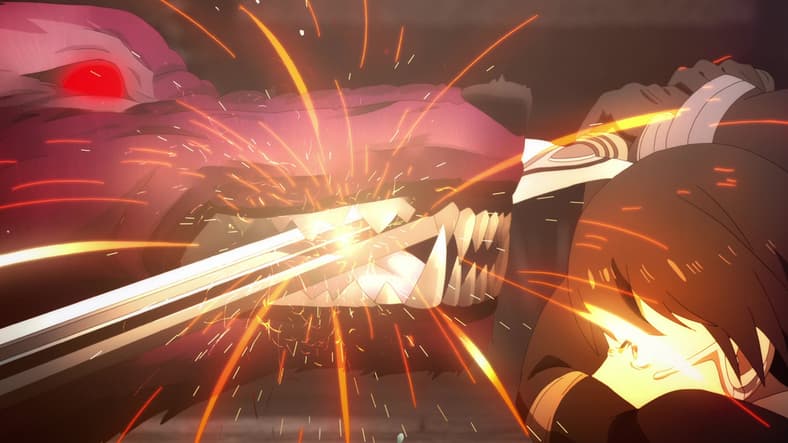
Tomohiko Itō is currently preparing for his next major project, an anime film adaptation of Keigo Higashino’s Kusunoki no Bannin series, scheduled for release at the end of the month. His career, defined by the massive success of Sword Art Online, serves as a testament to the power of a specifically Japanese creative vision.
As the anime industry stands at a crossroads, Itō’s message is clear: The world didn’t fall in love with anime because it was like everything else; they fell in love with it because it was different. To preserve that love, the industry must resist the urge to pander and instead double down on the creative freedom that allowed it to conquer the world in the first place. For Itō, the "global" future of anime depends entirely on its ability to remain unapologetically Japanese.










No comments yet. Be the first to join the conversation!