

As the computing industry stands on the precipice of a major architectural shift, the transition from DDR4 to DDR5 is no longer a distant roadmap item—it is an imminent reality. With the impending launch of next-generation consumer desktop platforms, memory manufacturers are engaged in a high-stakes arms race to deliver the highest bandwidth and lowest latency possible. While Corsair previously signaled its intent to lead the market with DDR5-6400 modules, G.Skill has officially raised the bar, announcing the world’s fastest DDR5-6600 CL36 memory kits, solidifying its reputation as a powerhouse in the enthusiast hardware sector.
The Main Facts: Defining the New Speed Standard
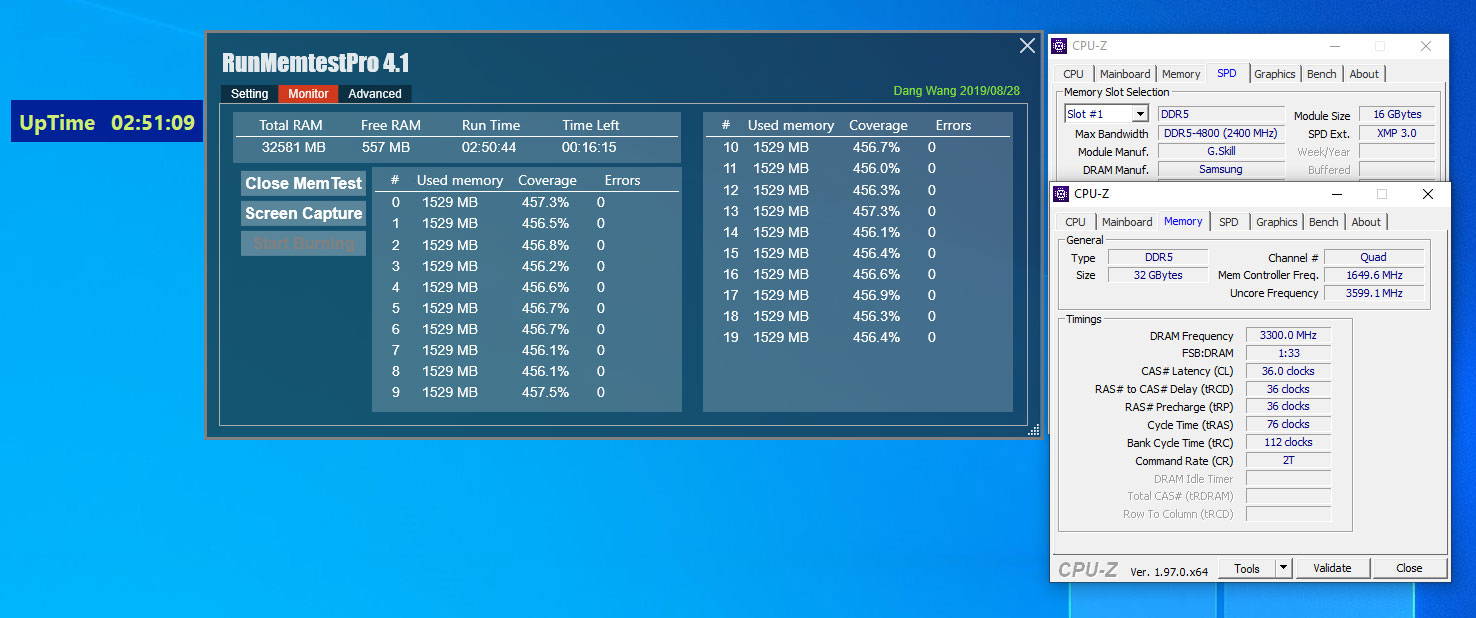
G.Skill’s latest announcement centers on its flagship Trident Z5 series, specifically a 32GB (2x16GB) kit that pushes the limits of the new JEDEC standard. Operating at an impressive effective frequency of 6600MT/s, these modules boast timings of CL36-36-36-76.
In the world of high-performance memory, the "CL" or CAS Latency figure is critical. While many early DDR5 offerings from competitors are shipping with standard timings of CL40-40-40, G.Skill’s ability to achieve CL36 at such high frequencies is a technical feat. By maintaining a tighter latency profile, G.Skill ensures that the increase in raw data transfer speed isn’t negated by a slower response time between the CPU and the memory modules. This combination of speed and efficiency makes the Trident Z5 series a primary target for high-end builders and overclockers looking to squeeze every drop of performance from the latest Intel and AMD processors.
Chronology: The Race to DDR5 Supremacy
The road to DDR5-6600 was not an overnight development; it is the culmination of months of intense engineering and industry anticipation.
- May 2021: Early technical previews began to surface as industry players started teasing their DDR5 capabilities. Corsair made headlines by showcasing its DDR5-6400 modules, signaling that the "6000+" barrier would be the next major milestone for consumer RAM.
- Late Summer 2021: As motherboard manufacturers began finalizing BIOS support for upcoming CPU architectures, the demand for high-speed, stable DDR5 memory became the focal point for system integrators.
- October 2021: G.Skill officially broke the ceiling. By validating its Trident Z5 kits at 6600MT/s, the company effectively eclipsed the previous market benchmarks.
- Post-Announcement Phase: The industry now turns its attention to the retail release. With G.Skill confirming that the Trident Z5 series will eventually branch into RGB and non-RGB variants, the market is bracing for a tiered rollout of these premium components.
Supporting Data: Engineering Excellence and IC Binning
The secret to G.Skill’s performance superiority lies in its rigorous "binning" process. Like many previous generations of high-speed memory, the Trident Z5 series utilizes high-performance Samsung DDR5 ICs. However, merely using high-quality components is not enough to hit 6600MT/s at CL36.
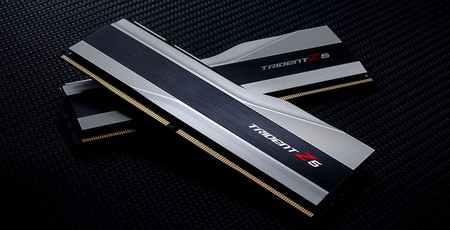
G.Skill employs a specialized, manual screening process. Engineers test thousands of individual ICs, selecting only those that can maintain stability under extreme speeds and voltages. These hand-picked chips are then paired into matched sets to ensure that both modules in the kit perform identically. This meticulous approach is the "G.Skill standard," which has earned the company favor among world-record-seeking overclockers.
Design Aesthetics: Form Meets Function
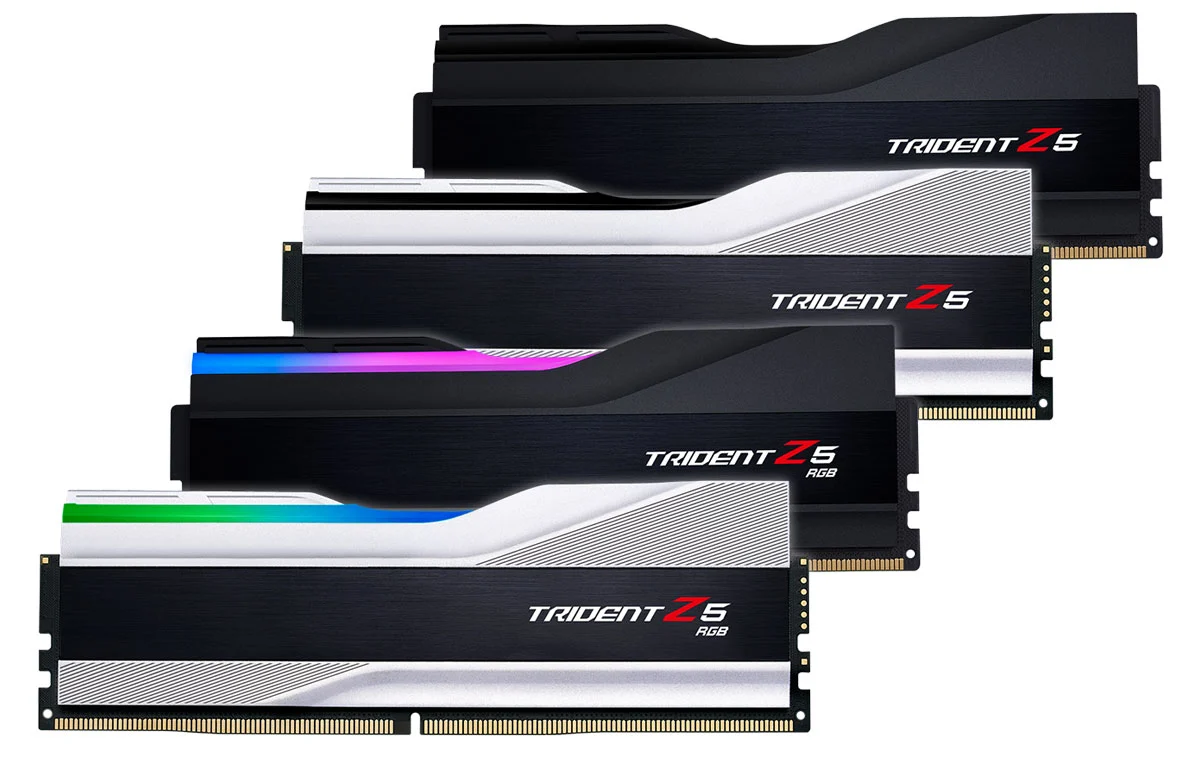
The physical architecture of the Trident Z5 is as noteworthy as its electrical performance. The modules feature a sophisticated, sleek aesthetic with a piano-black finish that appeals to modern, minimalist builds. Recognizing the diverse needs of the enthusiast market, G.Skill has confirmed two distinct design paths:
- Standard Trident Z5: Featuring a high-quality aluminum heat spreader with a piano-black top bar, designed for users who prefer a refined, industrial look.
- Trident Z5 RGB: Equipped with a translucent light bar, this version is optimized for smooth, addressable RGB lighting, allowing users to synchronize their memory with the rest of their system’s color scheme.
Official Responses and Industry Outlook
The excitement surrounding the G.Skill announcement reflects a broader industry sentiment: DDR5 is ready for primetime. While G.Skill has been vocal about its performance metrics, they have remained characteristically tight-lipped regarding specific pricing and regional availability.
Market analysts suggest that early adopters should prepare for a "premium tax." Historically, when new memory standards are introduced, the manufacturing complexity—combined with the limited yield of high-speed, low-latency ICs—often results in a price increase of 30% to 50% over comparable capacities of the previous generation. G.Skill’s positioning as a premium, enthusiast-grade brand means these specific kits will likely sit at the top of the price spectrum.
Industry partners, including motherboard vendors like ASUS, MSI, and Gigabyte, have already begun validating these kits on their high-end Z690 and subsequent chipsets. The collaboration between memory manufacturers and board partners is essential; at 6600MT/s, signal integrity and trace layout on the motherboard become just as important as the RAM itself.
Implications: What This Means for the Consumer
For the average user, the arrival of DDR5-6600 might seem like overkill. However, the implications of this development ripple across the entire PC ecosystem.
1. The Bottleneck Shift
For years, CPU performance has been hampered by memory latency. By pushing speeds to 6600MT/s, G.Skill is helping to widen the data "pipe," allowing modern CPUs—which now feature higher core counts and faster internal caches—to operate with fewer stalls. This is particularly beneficial for memory-intensive tasks like video rendering, 3D simulation, and professional content creation.
2. The Future of Overclocking
The Trident Z5 series is a clear signal that DDR5 has significant "headroom." Overclockers who have spent the last decade perfecting their DDR4 tuning techniques are now faced with a new set of variables. With higher voltages and new power management integrated circuits (PMIC) located directly on the DDR5 modules, the learning curve is steep, but the potential performance gains for the gaming community are immense.
3. The RGB vs. Performance Debate
The decision to offer both RGB and non-RGB variants is a strategic move. By catering to the aesthetic-focused gamer while maintaining a "pure" performance line, G.Skill ensures that its technology reaches both the fashion-forward PC builder and the competitive esports professional.
4. Long-Term Value
While the initial cost of 32GB of DDR5-6600 memory will be high, it represents an investment in longevity. As software becomes increasingly optimized for DDR5 architectures, these modules will likely remain relevant for several years, potentially outlasting the current CPU generation they were designed for.
Conclusion: A New Benchmark for the Enthusiast Era
The announcement of the G.Skill Trident Z5 DDR5-6600 memory kits is more than just a marketing win; it is a testament to the rapid evolution of silicon technology. By bridging the gap between raw frequency and tight timing, G.Skill has provided the foundation upon which the next generation of high-performance computing will be built.
While we await the final pricing and retail availability, the message is clear: the era of DDR5 is officially upon us, and the bar has been set exceptionally high. For enthusiasts, gamers, and professionals who demand the absolute best from their hardware, the Trident Z5 represents the gold standard. As the platform matures and prices eventually stabilize, these kits will likely define the "Goldilocks zone" for high-end builds—offering the perfect balance of speed, stability, and aesthetic appeal. The race is on, and for now, G.Skill is leading the pack.










No comments yet. Be the first to join the conversation!