By Mustafa Mahmoud
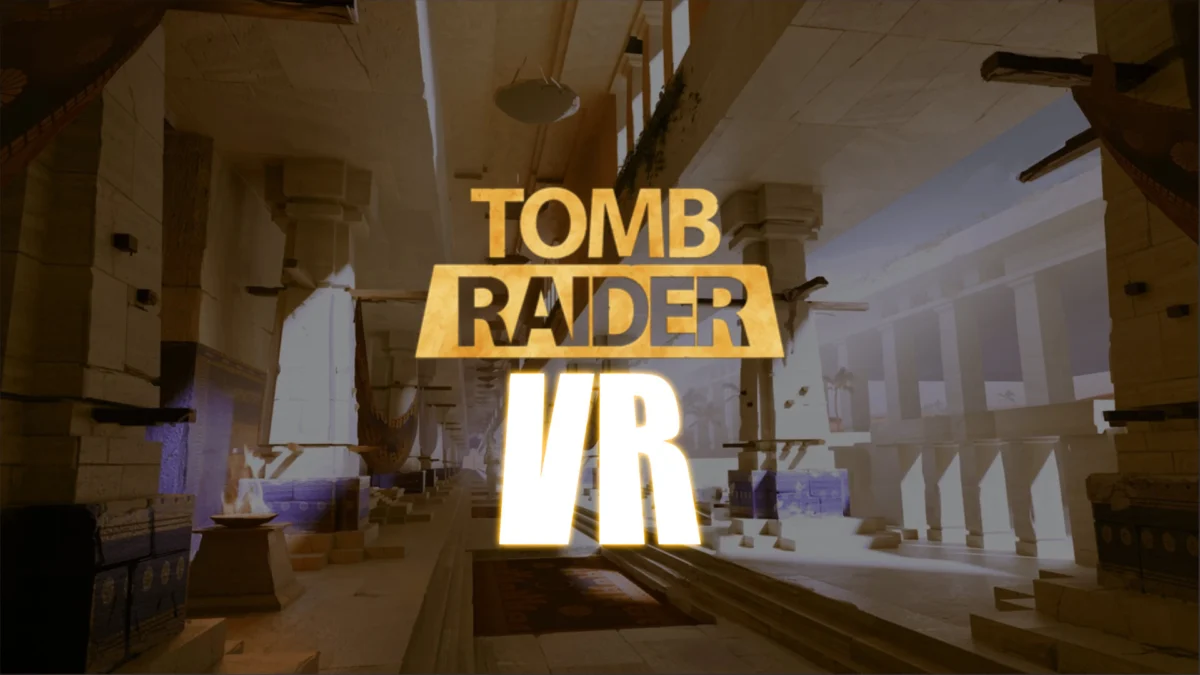
The Virtual Reality (VR) landscape has long been a domain of paradoxes. While the medium has fostered incredible creativity and birthed indie sensations that have fundamentally shifted how we perceive interactive entertainment, the AAA gaming industry has consistently struggled to find a sustainable, high-fidelity footing within the space. The latest casualty in this ongoing struggle is perhaps the most painful yet: a high-budget, standalone Tomb Raider VR experience that, according to recent reports, has been quietly cancelled.
For fans of Lara Croft, the prospect of navigating ancient, trap-laden ruins in full immersion was a dream long in the making. Unfortunately, this "ambitious" project, helmed by the acclaimed developers at Vertigo Studios, will never reach the consumer market.
Main Facts: What Was the Tomb Raider VR Project?
Recent reports surfacing from MP1st have shed light on a project that existed largely in the shadows. Vertigo Studios, the same team responsible for the well-regarded Metro Awakening VR title, was spearheading the development of an unannounced, standalone Tomb Raider adventure.
The title was envisioned as a comprehensive VR experience rather than a mere tech demo or a minor side-quest. It was being built using Unreal Engine 5, signaling a commitment to high-fidelity graphics and sophisticated lighting systems, which are essential for capturing the atmospheric, claustrophobic, and often majestic environments for which the Tomb Raider franchise is famous.
The core gameplay loop was designed to translate Lara Croft’s signature athleticism into a virtual environment. Players would have been tasked with intricate climbing mechanics, high-speed zip-lining, and underwater exploration—all staples of the reboot trilogy. Beyond traversal, the game promised a blend of classic environmental puzzle-solving and visceral combat. The enemy roster leaked alongside the project materials suggests a challenging experience, featuring everything from shielded skeletons and bats to scorpions, hyenas, and intimidating giant guardian statues.
A Chronology of a Silent Cancellation
While the project never received an official press release or trailer, the timeline of its development indicates a significant investment of time and resources.
- Early 2024: Development of the project began in earnest. Vertigo Studios, leveraging their expertise in the VR space, began building the foundation of the game in Unreal Engine 5, aiming for a multi-platform release across Meta Quest 3, PlayStation VR2, and PC VR platforms.
- Mid-2024: Internal momentum was reportedly high, with teams working on gameplay mechanics and asset production. The project had reached a stage where significant gameplay footage—totaling approximately 20 minutes—was compiled, along with a suite of concept art that showcased the game’s aesthetic direction.
- Late 2024 (Recent Months): Following a restructuring or strategic shift, Vertigo Studios faced closure. With the studio shuttered, the Tomb Raider VR project was effectively shelved, bringing an abrupt end to what could have been one of the most high-profile VR releases of the coming years.
The sudden nature of the closure serves as a stark reminder of the volatility inherent in the VR market, where even established franchises with massive brand recognition are not immune to the financial pressures of high-stakes development.
Supporting Data: The Technical Ambition
The leaked assets provide a fascinating window into what might have been. The integration of Unreal Engine 5 suggests that the team was aiming for a visual standard that could compete with traditional flat-screen gaming. In the VR space, visual fidelity is often sacrificed for performance stability—a necessity to prevent motion sickness. However, the decision to target high-end hardware like the PSVR2 and PC VR platforms indicated that the developers were aiming to push the visual boundaries of what is currently possible on standalone headsets like the Quest 3.
The gameplay footage, though early, displayed a fluid transition between exploration and combat. The environmental puzzles were reportedly designed to require the player to physically interact with the world—pulling levers, aligning stone mechanisms, and managing equipment. This physical agency is the "holy grail" of VR design; it turns the player from a passive observer into an active participant.
Furthermore, the enemy variety suggested a game that aimed to offer more than just "wave-shooting." By including enemies that required tactical approaches—such as using shields to deflect attacks or managing verticality to evade predators like hyenas—the developers were attempting to translate the Tomb Raider combat philosophy into a 360-degree theater of action.
Official Responses and Industry Context
To date, neither Vertigo Studios nor the IP holders have issued a formal statement regarding the cancellation. This silence is typical in the industry, particularly when a project is cancelled during its development phase. However, the lack of confirmation hasn’t stopped the conversation.
The gaming industry is currently in a period of intense scrutiny regarding VR viability. While headsets have become more affordable and powerful, the "killer app"—the singular title that drives hardware adoption to the masses—remains elusive. Large publishers are often hesitant to commit the massive budgets required for AAA VR titles when the user base, while growing, is still a fraction of the console and PC markets.
The cancellation of this project raises broader questions about the economic reality of the medium. Even with a powerhouse franchise like Tomb Raider, the risk-to-reward ratio appears to be tilted unfavorably for large-scale development studios.
The Implications: What This Means for VR Gaming
The loss of this Tomb Raider project has significant implications for the future of VR gaming:
1. The "AAA-VR" Barrier
AAA developers are caught in a "Catch-22." To sell headsets, the industry needs high-budget, high-quality games based on recognizable IPs. However, to justify those budgets, the industry needs a larger installed base of headsets. Projects like the cancelled Tomb Raider title are exactly what the industry needs to break this cycle, but their cancellation suggests that the financial threshold is currently too high for publishers to comfortably cross.
2. The Shift to Smaller, More Sustainable Projects
We may see a move away from "standalone AAA" titles in favor of shorter, more focused VR experiences that do not require the overhead of a multi-year, blockbuster production. While this is disappointing for fans of sprawling adventure games, it may lead to a more stable ecosystem where developers can experiment without the threat of total insolvency if a project fails to meet massive sales targets.
3. The Power of Modding and Independent Devs
As official AAA projects face hurdles, the role of independent developers and the modding community becomes increasingly vital. Titles like Half-Life: Alyx proved that a fully realized, AAA-quality VR experience is possible. When official studios pull back, the community often steps in to bridge the gap, potentially keeping the interest in these franchises alive within the VR community through non-official means.
4. A Missed Opportunity for Franchise Expansion
Tomb Raider is a franchise that has successfully reinvented itself multiple times—from the polygon-heavy roots of the 90s to the gritty, cinematic survivalism of the recent trilogy. VR was the natural next step for Lara Croft. The environment-heavy gameplay of Tomb Raider fits the VR medium perfectly; the sense of vertigo from a high climb or the relief of emerging into a cavernous, ancient tomb is something that cannot be replicated on a standard screen. The cancellation isn’t just a loss for VR owners; it is a loss for the Tomb Raider brand’s evolution.
Conclusion
The cancellation of Vertigo Studios’ Tomb Raider VR project is a poignant reminder of the fragility of innovation in the gaming industry. While the footage and concept art serve as a tantalizing "what-if," they also stand as a testament to the talent of the developers who were attempting to push the medium forward.
As we look toward the future, the question remains: will the industry find a way to make these ambitious projects sustainable, or will VR continue to operate on the fringes of the gaming world? For now, we are left with the lingering feeling of a missed adventure, a tomb that remains sealed, and a digital Lara Croft who will, for the time being, remain firmly behind the screen.
What are your thoughts on the leaked footage? Could a VR Tomb Raider have been the title to finally propel VR into the mainstream? Join the conversation in the comments below.