Neng Nana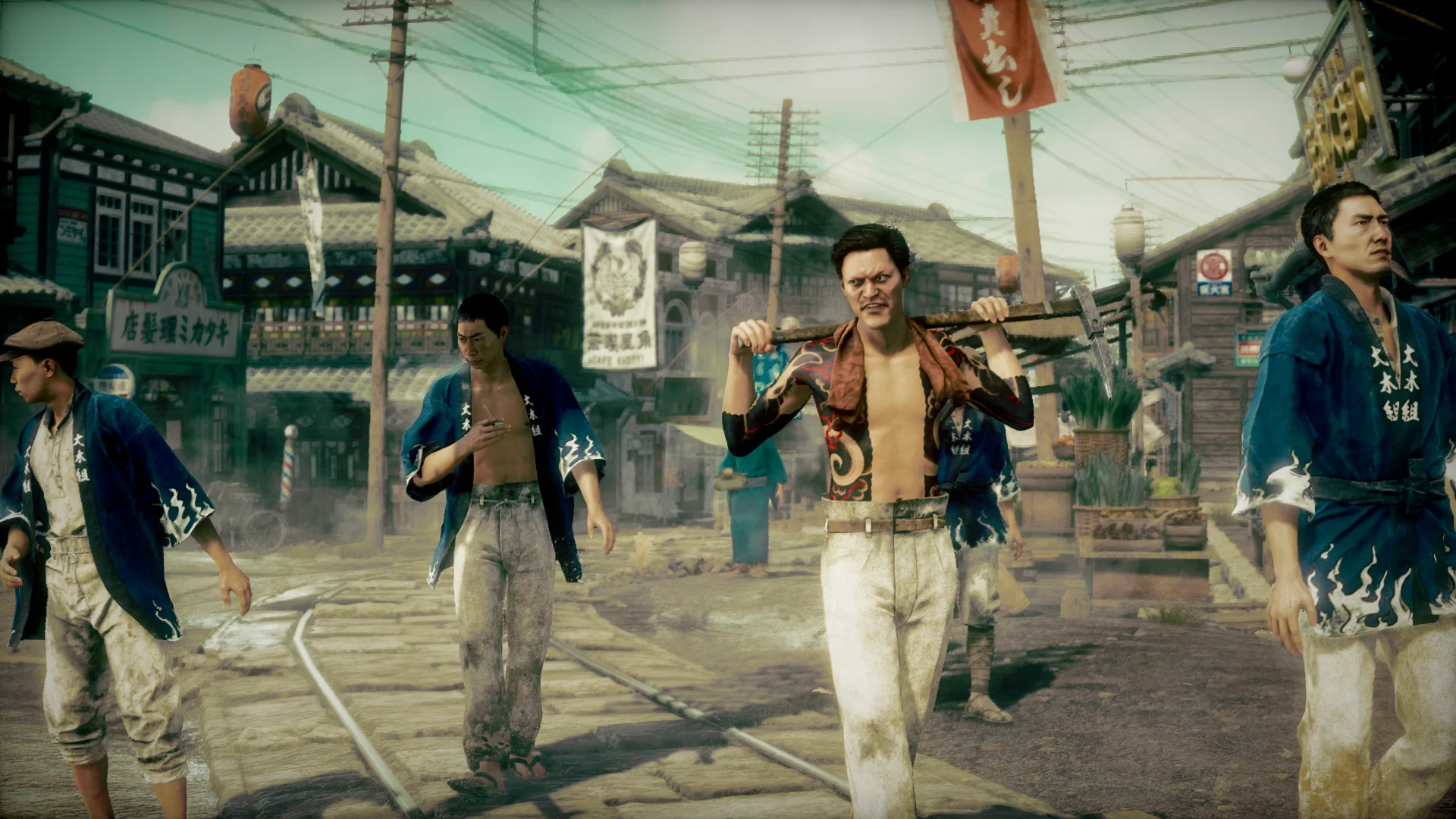
The pedigree of Ryu Ga Gotoku (RGG) Studio is etched into the bedrock of modern action RPG history. Having defined the landscape of urban brawlers with the Yakuza and Like a Dragon franchises, the team is now pivoting toward a new, ambitious horizon. During this year’s Summer Game Fest, I had the exclusive opportunity to go hands-on with their latest project, Stranger Than Heaven. Moving away from the neon-soaked streets of modern-day Kamurocho, this upcoming title promises an epic, sprawling odyssey through the criminal underworld, spanning a half-century of Japanese history across five distinct eras and cities.
The Core Concept: A Temporal Journey Through Crime
At its heart, Stranger Than Heaven is a narrative-driven action RPG that treats Japanese history as its playground. Players step into the shoes of Makoto Daito, a protagonist caught in a web of historical shifts and underworld intrigue. The game’s premise is nothing short of grand: a journey that transcends time, forcing players to adapt to the changing social and technological landscapes of the 20th century.
While the Yakuza series has always excelled at capturing the "spirit" of specific moments in time, Stranger Than Heaven appears to be leaning into the evolution of conflict itself. By setting the game across five different Japanese cities and eras, RGG Studio is not merely changing the aesthetic; they are contextualizing how violence and survival were viewed and practiced in those specific periods.
Chronology and Progression: From 1915 to 1943
The demo provided a tactical snapshot of this evolution, presenting three distinct scenarios that highlighted how the game’s combat mechanics must adapt to the era at hand.
1915: The Kokura Introduction
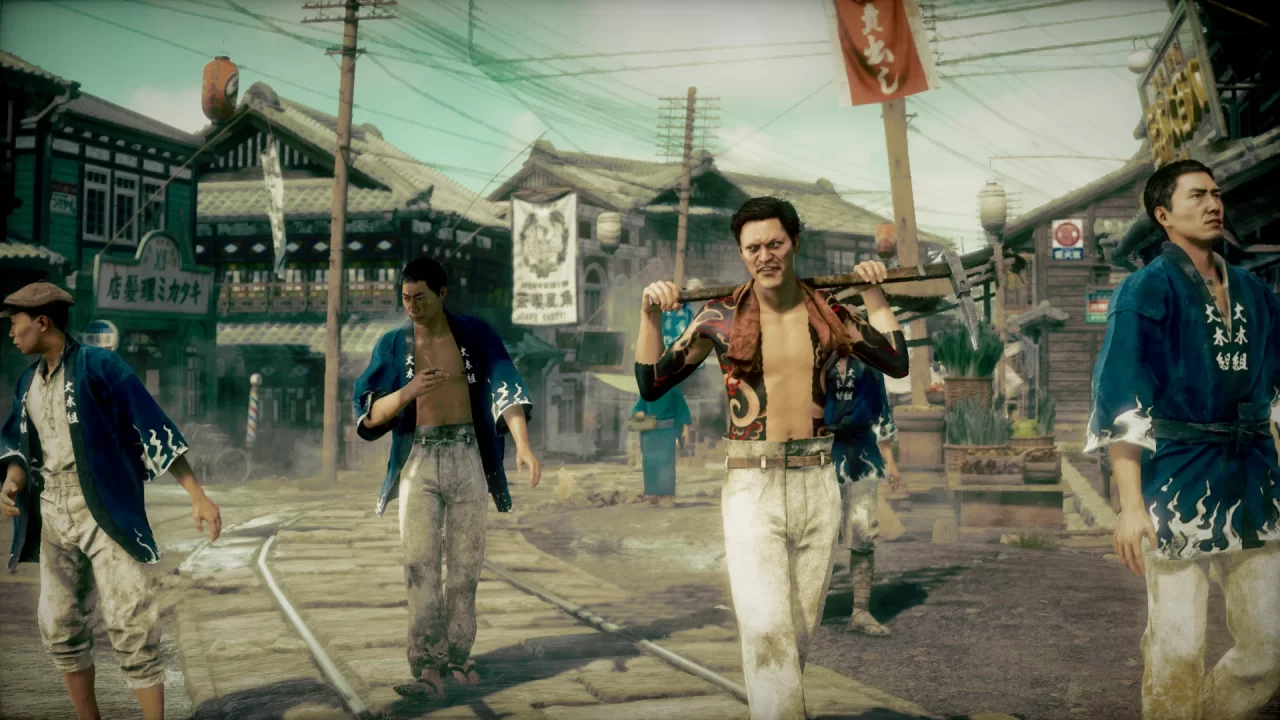
The demo began in 1915 Kokura, serving as the narrative and mechanical tutorial. Here, the difficulty was measured, allowing players to acclimate to the game’s unconventional control scheme. The setting felt archaic, with the brawl focusing on group dynamics rather than individual duels.
1929: The Kure Escalation
Transitioning to 1929 Kure, the difficulty saw an immediate spike. The street brawl here was more aggressive, testing the player’s ability to manage spacing and timing. It was in this phase that the "invisible walls" of the demo became apparent, as the developers focused strictly on the combat loop rather than the open-world exploration that usually characterizes an RGG production.
1943: The Osaka Boss Duel
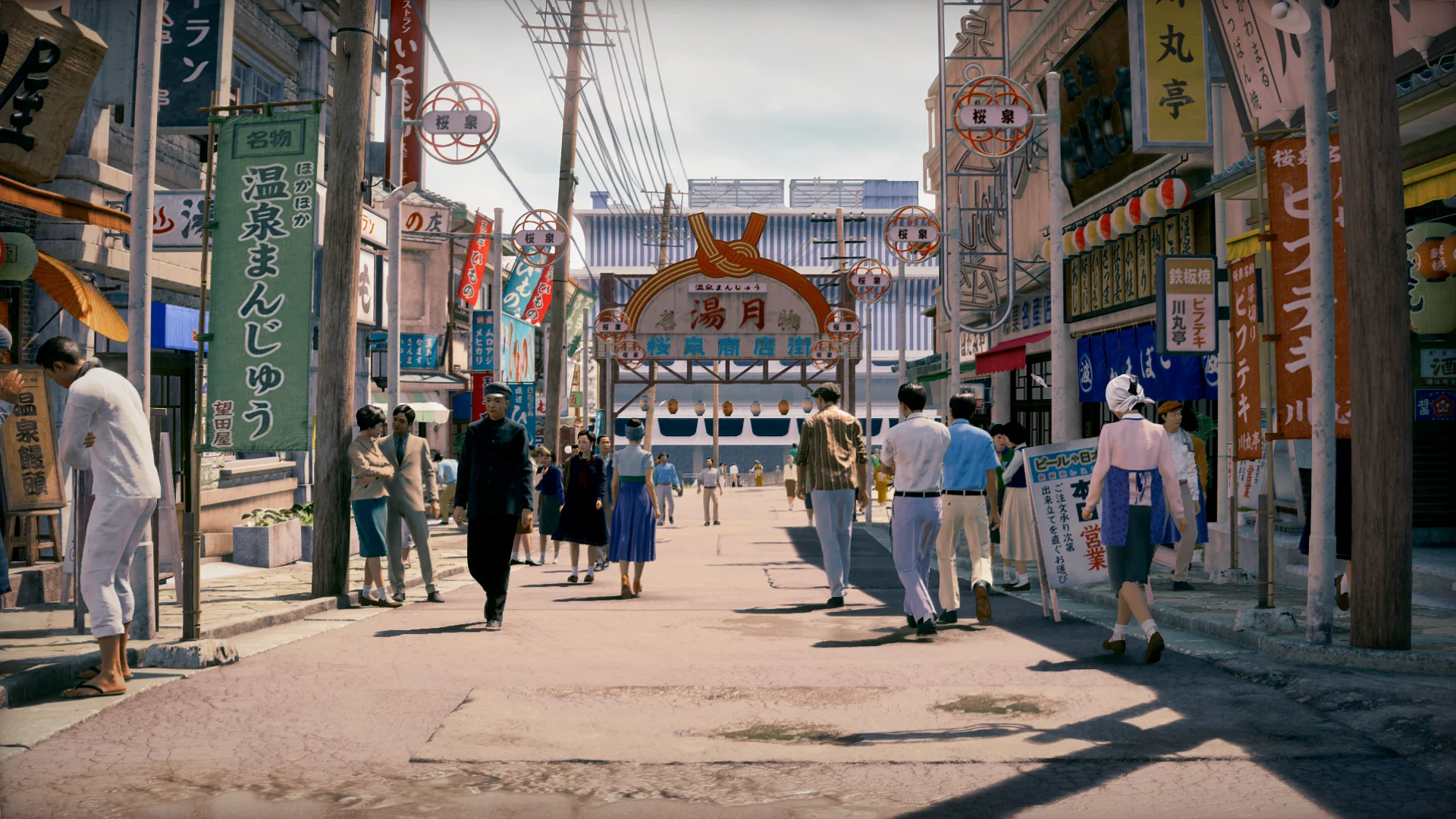
The final encounter, set in the high-stakes environment of 1943 Osaka, was a masterclass in tension. Facing a formidable swordsman, the game demanded precision. This fight was a stark reminder that Stranger Than Heaven is not a game you can brute-force; it requires a calculated approach to parries and counter-attacks.
Deconstructing the Combat System: The "Dual-Limb" Philosophy
Perhaps the most striking departure from RGG’s legacy is the combat system. While fans of Like a Dragon might expect traditional button-mashing or turn-based tactics, Stranger Than Heaven introduces a complex, limb-centric control scheme that feels refreshingly tactile.
The Bumper-Trigger Paradigm
Attacks are mapped entirely to the shoulder buttons of the controller:
- Left Bumper/Trigger: Governs the movement and strikes of Makoto’s left arm.
- Right Bumper/Trigger: Governs the movement and strikes of Makoto’s right arm.
This bifurcation of input is not merely for show; it is fundamental to the game’s defensive and offensive flow. In several instances, I found myself in a grapple where an enemy seized my left arm. The game forces the player to recognize this "locked" state and compensate by utilizing the free right arm to initiate a counter. This creates a rhythmic, almost dance-like quality to the combat that rewards spatial awareness over simple button inputs.
Weapon Proficiency: A Trio of Tools
The demo showcased three of the thirteen planned weapon types:
- Bare Fists: The foundation of the system, offering speed and versatility.
- The Small Knife: My personal favorite. It encourages a high-risk, high-reward playstyle characterized by rapid, darting movements and precision strikes.
- The Crowbar: An unwieldy but devastating tool. While it requires a significant "wind-up" period that leaves the player vulnerable, the payoff is immense—it can clear multiple enemies in a single, heavy arc, provided the player has correctly calculated the trajectory.
Defensive Mechanics: Stamina and the Art of the Parry
Combat in Stranger Than Heaven is governed by a strict stamina meter. Every dodge, block, and parry draws from this reservoir, turning every encounter into a resource management puzzle.
For those who lean into aggression, the parry system is the game’s most rewarding mechanic. While I have historically gravitated toward safer, defensive blocking, the parry window in this title is generous enough to encourage experimentation. Successfully timing a parry against an enemy’s incoming strike triggers a "gruesome counter," a cinematic payoff that feels both brutal and earned. It is clear that RGG Studio wants to cater to high-skill players who seek out the satisfaction of perfectly timed counters.
Implications for the RGG Studio Legacy
The existence of Stranger Than Heaven signals a bold evolution for RGG Studio. By stepping outside the comfort zone of the Yakuza engine and its established combat tropes, they are challenging their own player base to relearn how to play an action RPG.
For newcomers to the studio’s work, this game represents a clean slate. The combat feels entirely unique, devoid of the baggage of legacy titles, which may actually work in favor of the game’s accessibility. By stripping away the ability to roam the city during the demo, RGG signaled that while the world-building will undoubtedly be top-tier, the combat is the primary engine of the experience.
Official Stance and Future Outlook
While RGG Studio has remained tight-lipped regarding the broader plot, the commitment to historical authenticity is evident. The developers have emphasized that the combat is just one piece of the "puzzle." As the game progresses through its five eras, we can expect the combat to evolve alongside the social and political atmosphere of Japan.
The high level of anticipation is justified. The shift toward a more deliberate, limb-focused combat system suggests that RGG is moving toward a more mature, refined approach to action. The transition from the relatively simple brawls of 1915 to the tactical, high-stakes duels of the 1940s hints at a narrative that mirrors the mechanical complexity of the game.
Conclusion: A Winter to Remember
Stranger Than Heaven is slated for a winter release, arriving on Xbox Series X|S, PlayStation 5, and PC via Steam. Furthermore, its inclusion on Xbox Game Pass at launch is a significant win for accessibility, ensuring that this daring new experiment reaches a wide audience.
As we look toward the final product, the question remains: will the full, open-world experience manage to integrate these complex combat mechanics into the broader exploration and social simulation elements that fans love? If the demo is any indication, RGG Studio is not just resting on their laurels; they are actively working to redefine the parameters of the genre they helped build.
For those ready to dive into the criminal underworld of 20th-century Japan, Stranger Than Heaven is shaping up to be a defining release for the studio and a potential frontrunner in the action RPG category for the coming year. Stay tuned to RPGFan for more updates, deep dives, and our comprehensive review upon release.


 Asro
Asro
 Muslim