

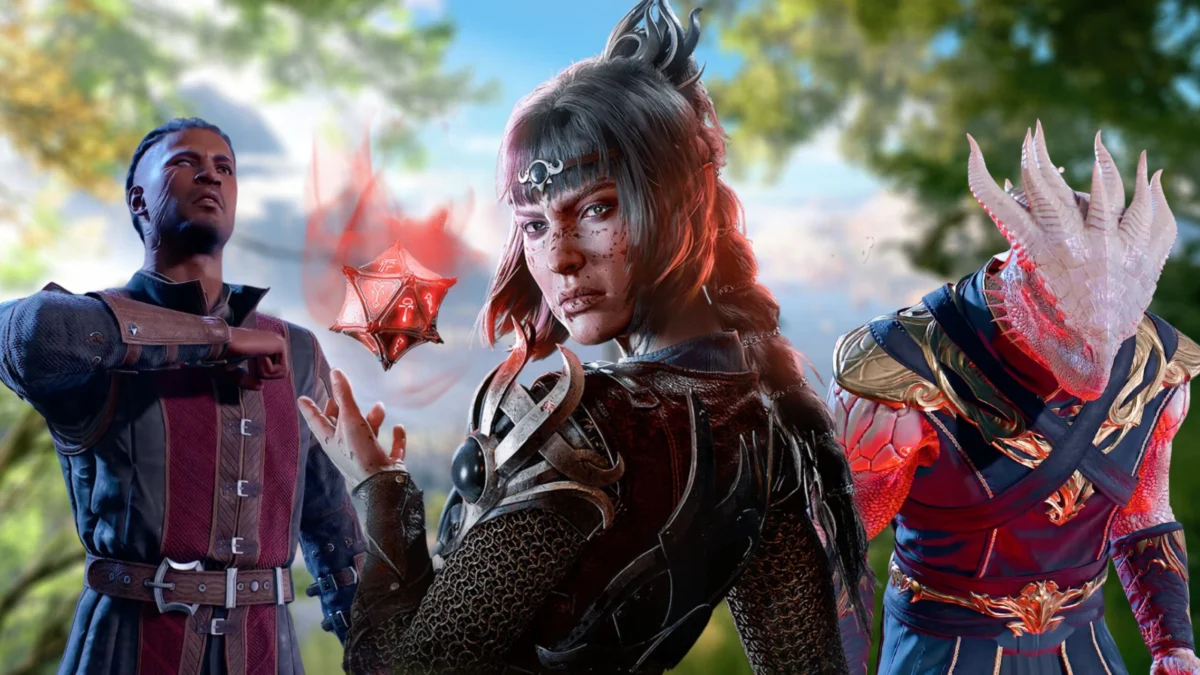
Larian Studios’ critically acclaimed RPG, Baldur’s Gate 3, is more than just a game; it’s a sprawling narrative tapestry woven with an astonishing number of choices, consequences, and emergent gameplay scenarios that actively encourage players to embark on multiple journeys through the Forgotten Realms. From the moment players are thrust into the perilous world of Faerûn, they are confronted with a breadth of possibilities that far surpasses a single playthrough. This meticulous design philosophy ensures that each subsequent adventure offers a fresh perspective, a unique set of challenges, and a deeper understanding of the game’s intricate lore and character arcs. Here are ten key design elements that solidify Baldur’s Gate 3’s status as a game built for endless replayability.
The Allure of the Unseen: Missable Companions and Untaken Paths
One of the most immediate hooks for a second playthrough in Baldur’s Gate 3 is the sheer number of companions that can be missed, intentionally or otherwise. On a player’s initial foray into the vast landscapes of the Sword Coast and beyond, the overwhelming scale of the world and the urgency of the unfolding tadpole crisis can easily lead to overlooking crucial characters. For instance, failing to explore certain areas or making specific dialogue choices can result in missing out on recruiting fan-favorite companions like Lae’zel and Gale altogether.
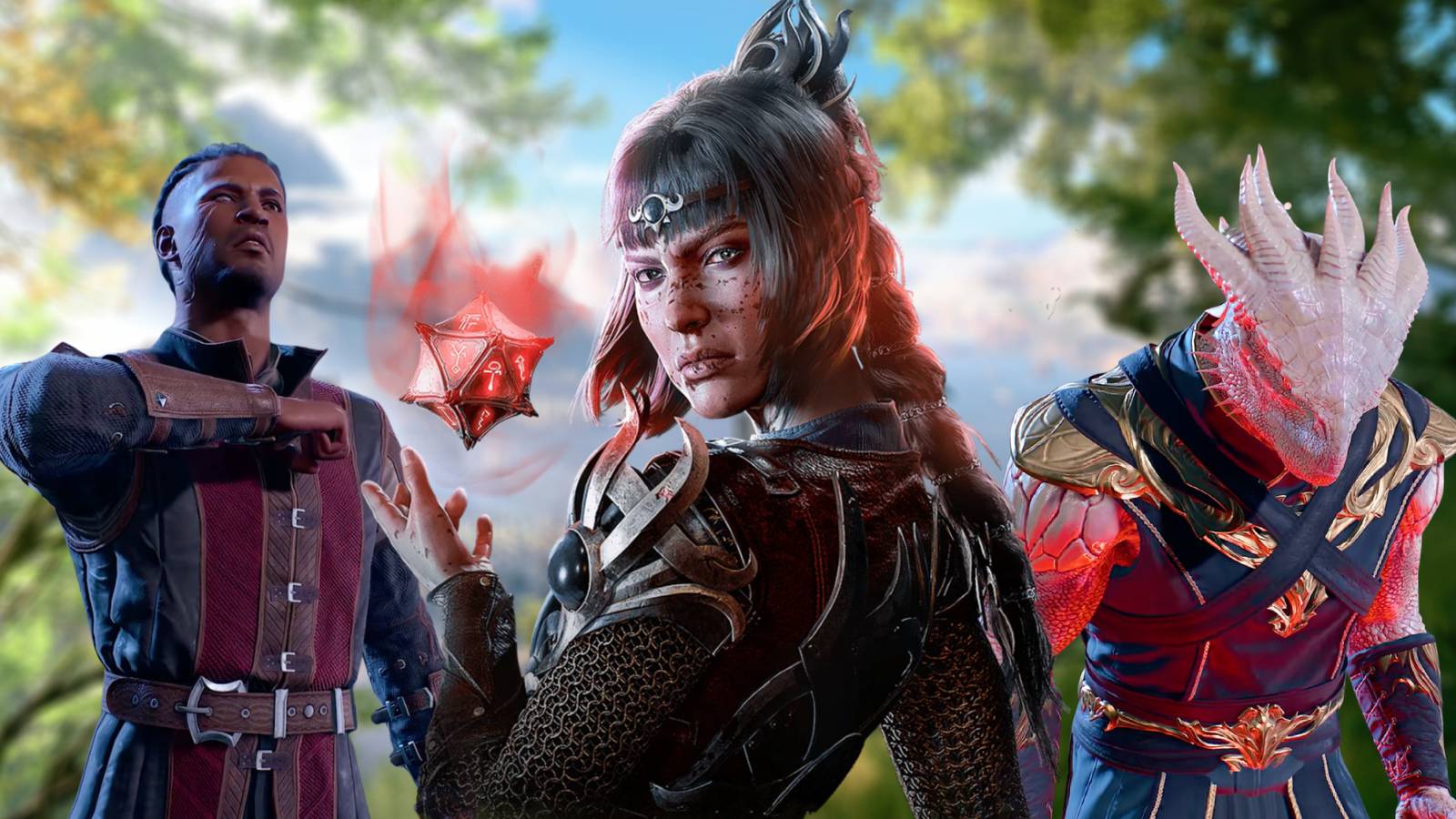
The consequences of these missed opportunities can ripple throughout the narrative. A player might find themselves backtracking extensively, only to discover that a companion they sought has moved on, their fate sealed by the player’s initial oversight. Furthermore, accidental combat deaths, a common occurrence in the game’s challenging encounters, can permanently remove characters from the player’s party. The infamous scenario of accidentally killing Karlach or Wyll, or deliberately choosing to oppose Minthara without understanding the broader implications, exemplifies how easily pivotal figures can be lost. The potential to miss not only companions like Jaheira but also the subsequent inclusion of Minsc due to a singular choice underscores the game’s commitment to making player decisions carry significant weight, directly fueling the desire to explore alternative recruitment strategies and character fates in subsequent playthroughs.
The Dark Urge: A Fundamental Narrative Divergence
Perhaps the most profound catalyst for replayability is the inclusion of "The Dark Urge" origin story. This character option fundamentally alters the player’s personal narrative, introducing a visceral internal struggle with a malevolent compulsion. Unlike the other Origin characters, whose backstories offer unique perspectives on the overarching plot, The Dark Urge presents a completely distinct narrative framework.

This path introduces entirely new characters, such as the unsettling Sceleritas, who serves as a dark confidant, and weaves new threads of interaction with existing NPCs. The dynamics with characters like Ketheric Thorm, Orin the Red, and Lord Enver Gortash are significantly reshaped, often intensifying their personal stakes and the player’s connection to the game’s central antagonists. The Dark Urge’s story offers a stark dichotomy: a path of redemption or a descent into pure horror. It intricately ties the player’s personal journey to the main questline in a way that even other Origin characters do not. Therefore, experiencing the game as a custom Tav (player-created character) and then as The Dark Urge provides two dramatically different narrative journeys, offering a completely new perspective on the world and Baldur’s Gate 3’s overarching quest.
The Whims of Fate: Embracing the Unpredictable Dice Rolls
A core tenet of tabletop role-playing games, which Baldur’s Gate 3 masterfully emulates, is the unpredictable nature of dice rolls. The game’s engine simulates these rolls for everything from combat attacks to dialogue persuasion checks. While players often have the option to reload a save after a failed roll, the game is designed to accommodate and even reward embracing these moments of "whims of fate."

Failing a dice roll doesn’t always signal the end of a quest or a story branch. Instead, it often leads to unexpected, humorous, or even more poignant gameplay scenarios. For instance, a Bard character might intentionally fail a lute-playing check, leading to a comical summoning of a creature that wasn’t intended. Similarly, critical failures in dialogue can open up entirely new, albeit often chaotic, conversational avenues or combat encounters. These unexpected outcomes are not merely minor deviations; they can significantly alter the course of events. A successful persuasion check might de-escalate a tense situation, while a failed one could plunge the party into immediate conflict. The very act of allowing these random elements to dictate the narrative encourages players to experience different scenarios. This naturally leads to the desire to replay the game, not just to succeed where they previously failed, but to explore the vastly different narrative branches that can emerge from a string of unfavorable rolls.
The Power of Class: Unique Dialogue and Unforeseen Advantages
Baldur’s Gate 3 boasts an impressive roster of twelve distinct classes, and each one offers more than just a different combat style. Every class comes with a unique set of dialogue options and situational perks that can dramatically alter interactions with the world and its inhabitants. These class-specific dialogues are often witty, provide alternative solutions to problems, or simply imbue the player’s character with a palpable sense of belonging to their chosen profession.
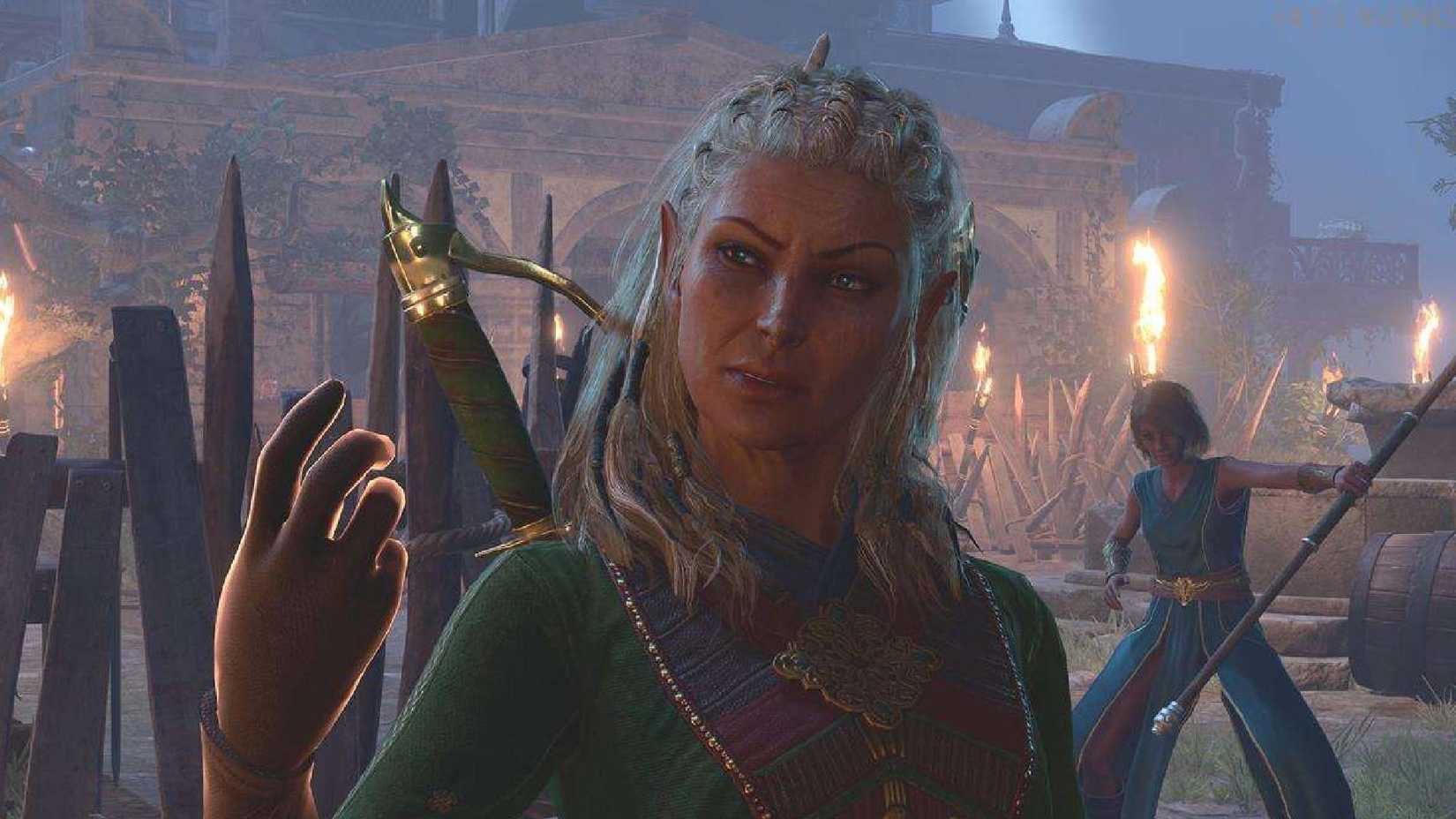
For example, a Bard’s exceptional Charisma and performative skills can unlock unique dialogue trees that allow for diplomatic resolutions or even the avoidance of combat entirely. The author recalls a playthrough where a Bard character, through sheer silver-tongued persuasion, managed to bypass an entire encounter with Thorm’s forces in Reithwin. Conversely, a Paladin’s divine conviction might unlock dialogue options that challenge authority or offer moral guidance, while a Rogue’s cunning might reveal hidden motives or alternative pathways. To fully appreciate the breadth of these class-specific interactions, players would need to complete multiple playthroughs, each with a different class at the helm. This encourages players to experiment with various archetypes, discovering how their chosen path shapes their perception of the world and the opportunities available to them.
The Lens of Race: How the World Perceives You
Beyond class, the race chosen for a player character profoundly impacts how NPCs and the world at large react to them. This racial bias and its accompanying social dynamics are meticulously crafted, offering a rich layer of emergent storytelling.
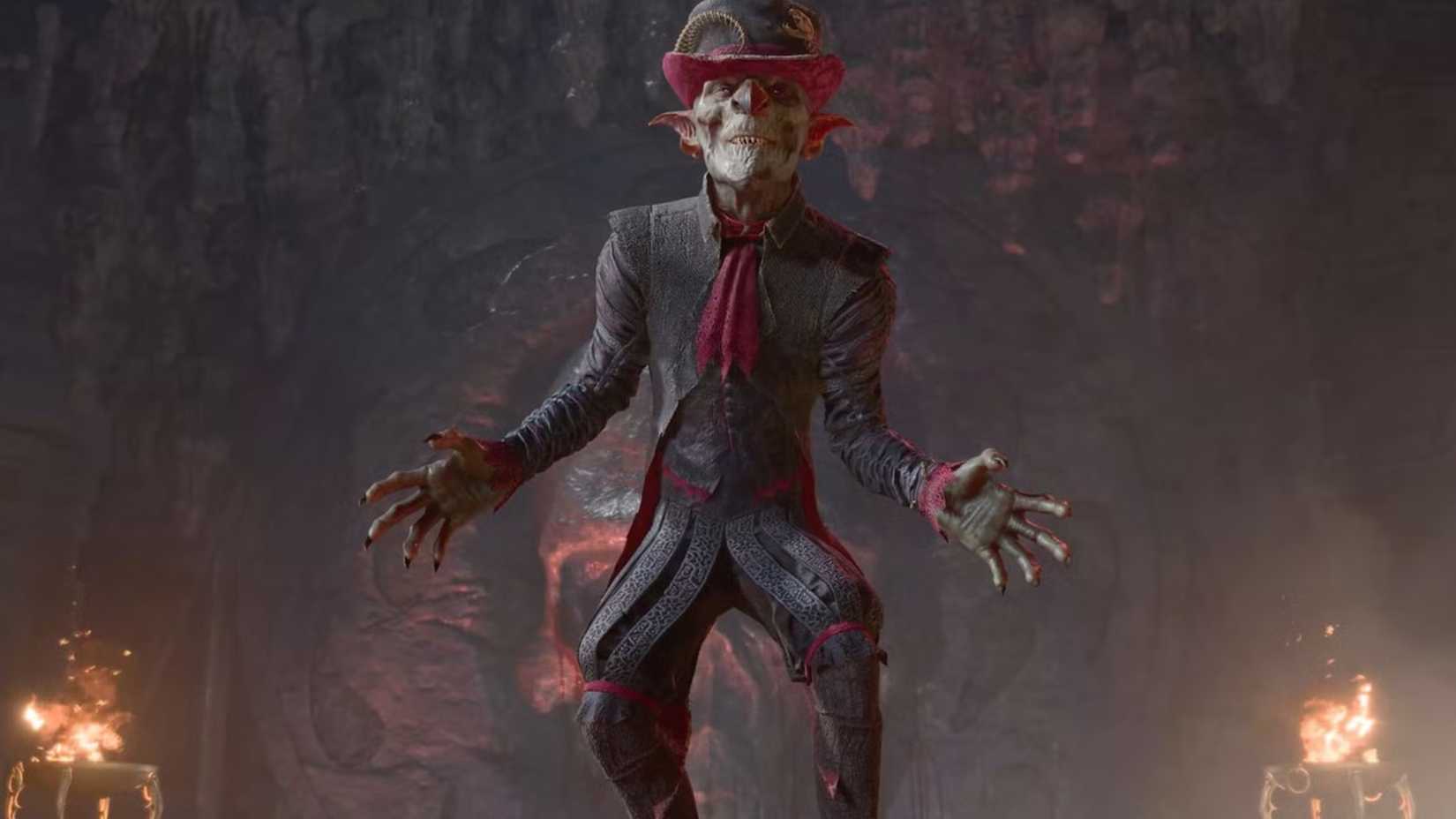
In the author’s initial playthrough as a Drow, the reception was markedly different depending on the location. At the Druid Grove, the character was met with fear and suspicion, a stark contrast to the near-reverence experienced within the Goblin Camp, where the Drow’s heritage was seemingly viewed with awe. These varied reactions extend beyond mere dialogue changes; they can influence quest availability, vendor prices, and even the willingness of certain individuals to offer aid. While the "Change Appearance" feature allows players to experiment with different races mid-game, the authentic experience of navigating the world with a specific racial identity is best achieved through dedicated playthroughs. Each race possesses its own unique lore and societal standing within the Forgotten Realms, and experiencing these distinct social interactions firsthand is a powerful incentive to revisit the game with a new lineage.
Diplomacy or Chaos: The Spectrum of Player Agency
A defining characteristic of Baldur’s Gate 3 is its unwavering commitment to player agency, allowing for a vast spectrum of approaches to any given situation. This freedom extends to the core philosophy of engaging with the game’s world: players can choose to be agents of chaos or catalysts for healing and restoration.
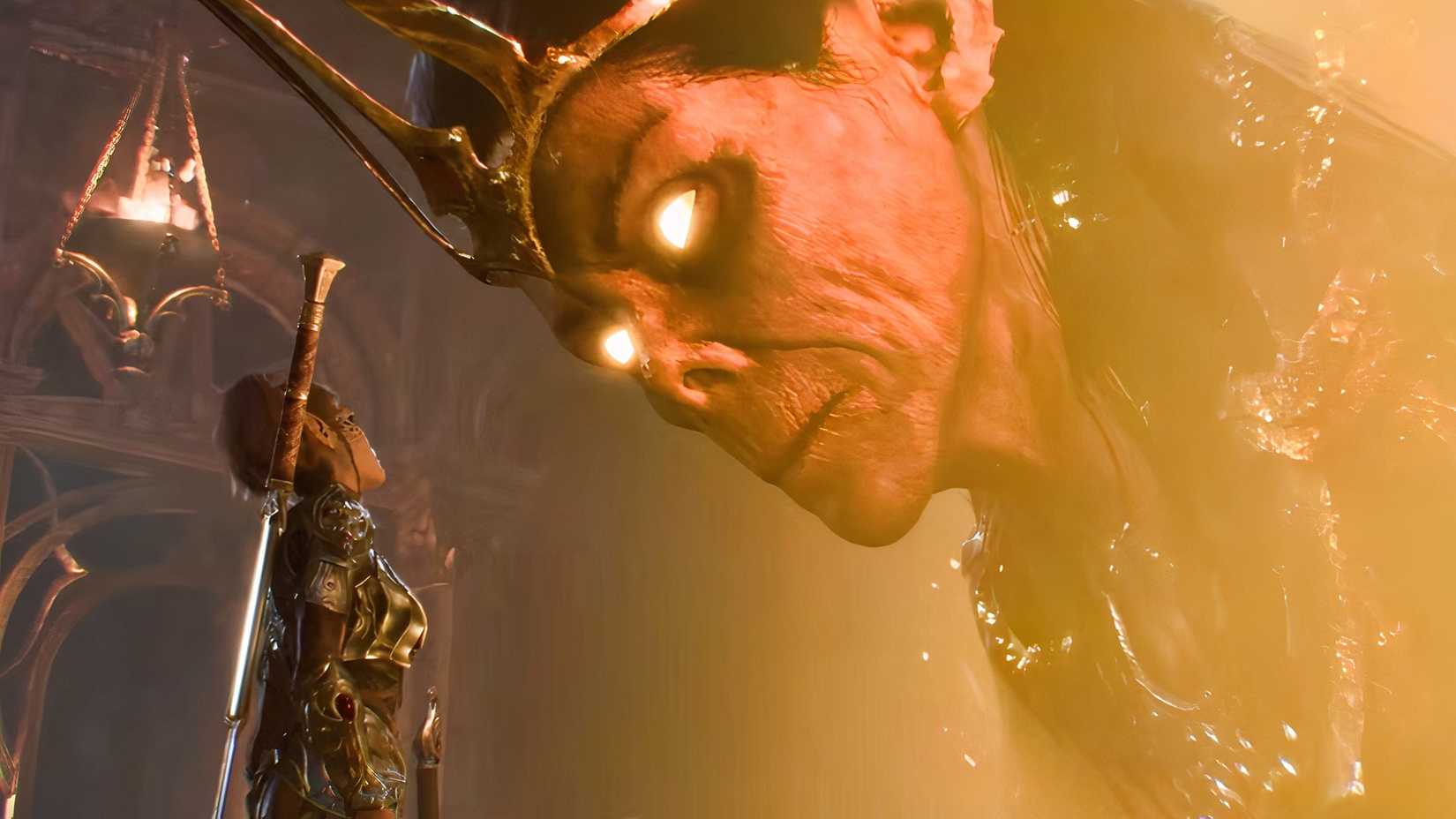
The early encounter at the Druid Grove serves as a microcosm of this principle. A single misstep, a poorly timed dialogue choice, or a failed dice roll can escalate a peaceful negotiation into an all-out war, with every druid and tiefling turning hostile. While such an event might prompt a reload for some, the game allows for the narrative to continue, leaving a trail of destruction and untold stories in its wake. This outcome doesn’t halt the adventure; it simply presents a different path forward, one shaped by conflict. Experiencing the consequences of such chaos – the loss of potential allies, the altered landscape, and the changed political climate – naturally leads to the desire to replay the game with a more diplomatic or constructive approach. The stark contrast between a world saved and a world burning necessitates multiple playthroughs to fully grasp the impact of these divergent choices.
Relationships That Matter: Beyond Romance and Towards Character Arcs
The relationships a player cultivates with their companions in Baldur’s Gate 3 are far more than just opportunities for romance. These connections are pivotal to understanding and influencing the deep, complex character arcs woven throughout the game. Leaving companions to their own devices without fostering a strong bond can lead to unforeseen and often tragic consequences, even for players who typically strive for maximum approval.

Consider the example of Astarion. If a player does not invest in their relationship with him, his pivotal decision regarding Cazador’s ascension can lead to a drastically different outcome, potentially resulting in his embrace of vampiric power without the player’s guidance or intervention. Similarly, Shadowheart’s profound struggle with Shar and her connection to the Nightsong is a narrative that hinges on the player’s support and influence. Lae’zel’s allegiance and personal growth are also heavily dictated by the player’s interactions. These branching character narratives mean that seeing a companion’s story play out in its entirety, with all its potential variations, requires dedicated playthroughs. The author’s own experience of witnessing Astarion’s ascension due to a lack of prior investment highlights the profound impact these relationships have, and the subsequent desire to guide him down a different path.
The Rich Tapestry of Starting Characters: Diverse Perspectives
While the custom Tav and the compelling narrative of The Dark Urge are popular choices for initial playthroughs, Baldur’s Gate 3 offers a rich selection of Origin characters, each providing a uniquely valuable perspective on the game’s events. Playing as one of these pre-defined characters unlocks a distinct experience, offering a more intimate connection to the unfolding narrative.
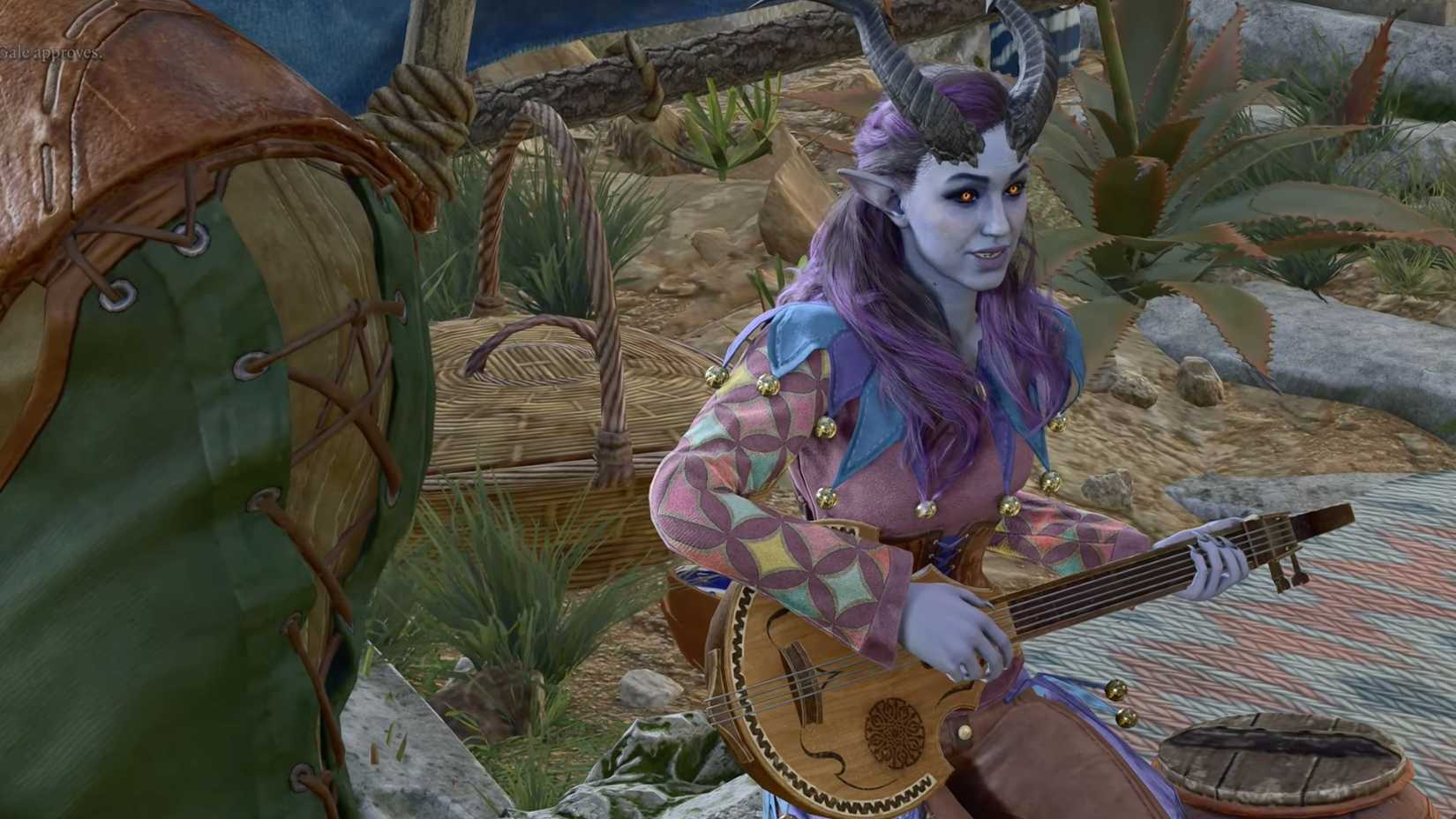
For instance, choosing to play as Gale ensures that his familiar, Tara, joins the party much earlier, offering unique insights into his past and his magical ambitions. Embarking on the journey as Shadowheart allows players to directly experience her internal conflict and her complex relationship with the deity Shar. Similarly, playing as Astarion offers the unique opportunity to control the revelation of his vampiric nature and to navigate his deeply personal struggle with his creator, Cazador. Even characters whose stories are sometimes criticized for their perceived lack of depth, like Wyll, are transformed when played as the protagonist. Experiencing his narrative from his own point of view grants him the agency he might otherwise lack, potentially fostering a newfound appreciation for his character. These Origin stories are not mere reskins; they are fully realized narrative paths that offer a distinct lens through which to view the world and its inhabitants, further incentivizing multiple playthroughs to explore these varied perspectives.
Area-Specific Outcomes: Shaping the Fate of Faerûn
The world of Baldur’s Gate 3 is not static; it reacts dynamically to player choices, leading to vastly different outcomes for each region encountered. The initial choice at the Druid Grove, whether to support the druids and tieflings or side with the goblins, sets a precedent for how subsequent areas can be shaped.
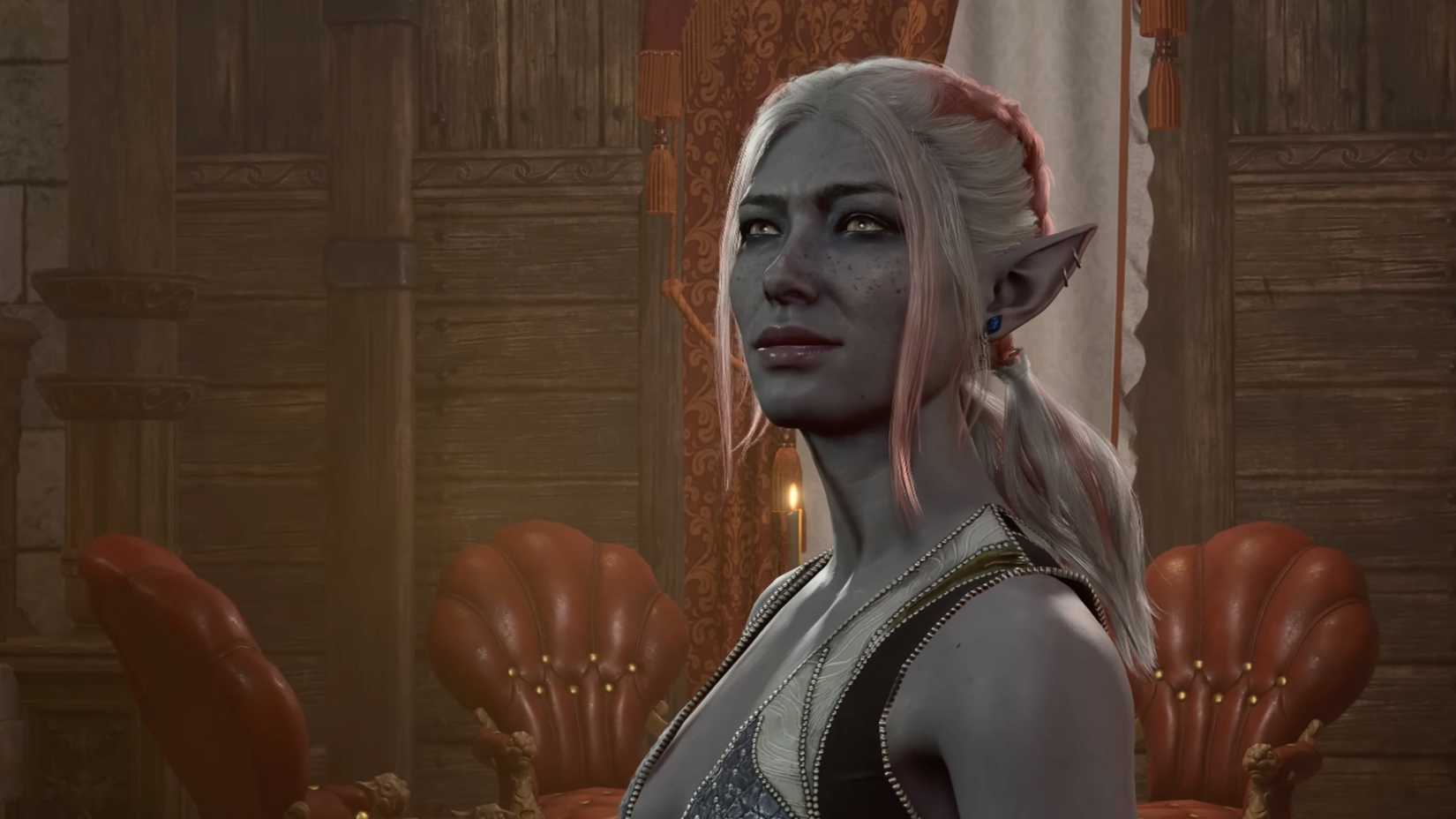
The Shadow-Cursed Lands, a sprawling and perilous region in Act 2, serves as a prime example of this design. Players can either embark on a path of redemption and healing, working to lift the curse and restore the land, or they can succumb to the darkness, leaving the region perpetually blighted and uninhabitable. These two states are mutually exclusive, meaning a player cannot witness both outcomes in a single playthrough. This inherent dichotomy compels players to revisit the game, to explore the alternative choices that lead to different regional fates. This is further amplified by The Dark Urge origin, which can encourage actions that lead to the destruction of Last Light Inn and the surrounding area, a path that can also be stumbled upon accidentally due to specific character behaviors during combat. The profound impact of these choices on the game’s environments and their inhabitants ensures that each playthrough offers a distinctly altered world.
The Ultimate Freedom: Unparalleled Player Agency
At its core, Baldur’s Gate 3 offers an extraordinary degree of freedom, a feat rarely achieved in the realm of video games. While complete, unfettered freedom is an impossibility, Larian Studios has come remarkably close by anticipating and accommodating a vast array of player choices, even those that deviate wildly from the intended path.
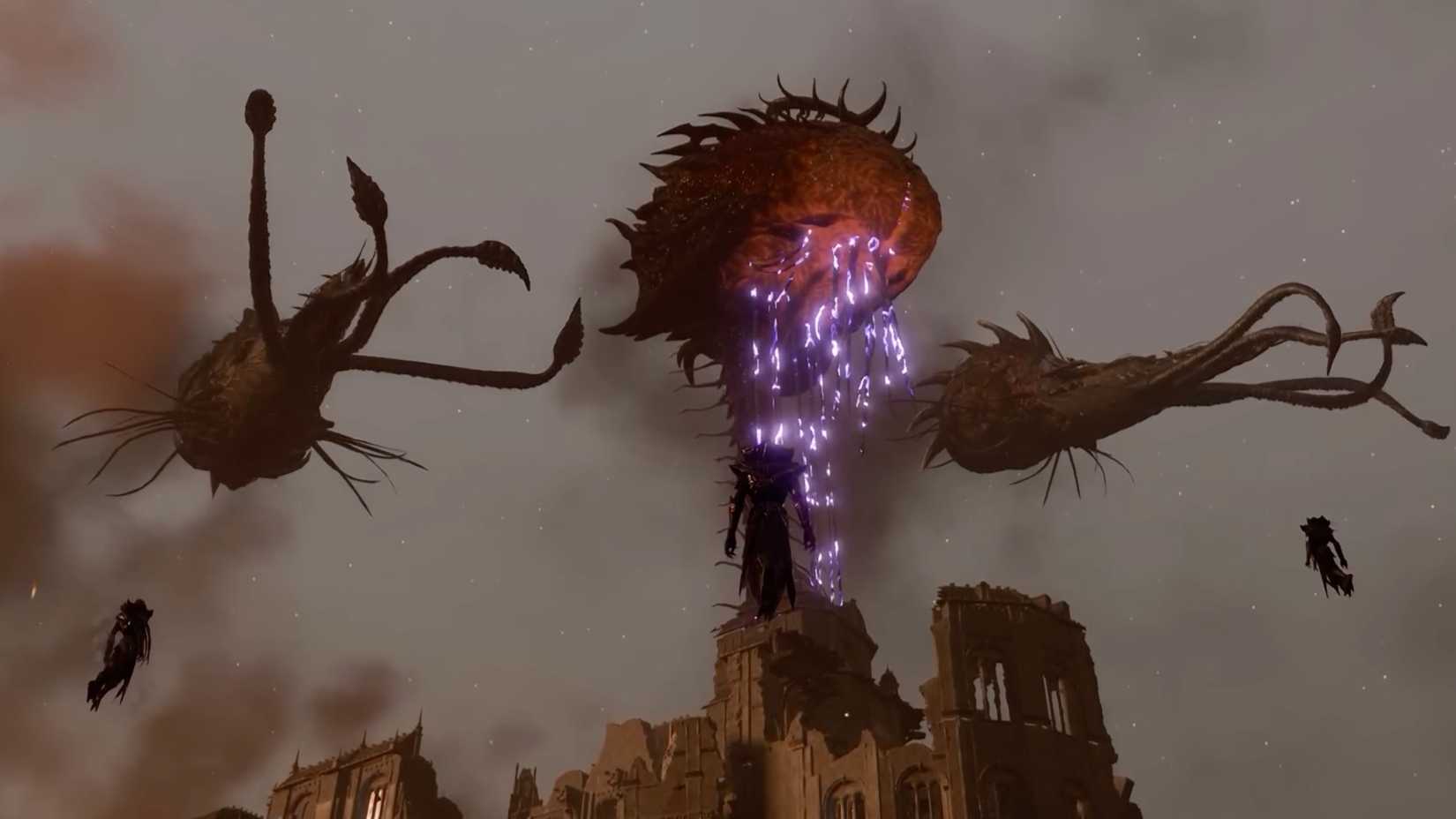
Players can tackle quests in almost any order, engage in dialogue that sparks immediate chaos, and choose to be agents of destruction or architects of restoration. The game’s engine is robust enough to handle these divergences, ensuring that the narrative continues to flow regardless of the player’s chosen approach. A seemingly minor interaction, like a goblin standing too close to Karlach, can be transformed into a strategic advantage, with the goblin becoming a throwable projectile. This inherent flexibility encourages experimentation, pushing players to see how far they can bend the game’s systems and narrative to their will. The sheer joy of witnessing the emergent chaos and the unforeseen consequences of bold actions fuels a powerful curiosity. This curiosity, in turn, naturally leads to the desire to start a new playthrough, not just to explore different choices, but to discover entirely new possibilities and outcomes. This addictive cycle of experimentation and discovery is precisely why players can easily find themselves investing hundreds, if not thousands, of hours into Baldur’s Gate 3.
Conclusion: A Legacy of Replayability
Baldur’s Gate 3 is not merely a game that can be replayed; it is a game that actively demands it. Through its intricate web of missed companions, divergent narrative paths like The Dark Urge, the embrace of unpredictable dice rolls, class and race-specific interactions, the choice between diplomacy and chaos, deeply impactful relationships, diverse Origin stories, and vastly different area outcomes, Larian Studios has crafted a masterclass in replayability. The game’s ultimate triumph lies in its unwavering commitment to player freedom, allowing for an unparalleled level of agency that fosters endless curiosity and experimentation. This meticulous design ensures that every journey through the Forgotten Realms is a unique and compelling adventure, solidifying Baldur’s Gate 3’s place as a landmark title in the annals of role-playing games.












No comments yet. Be the first to join the conversation!