Siti Muinah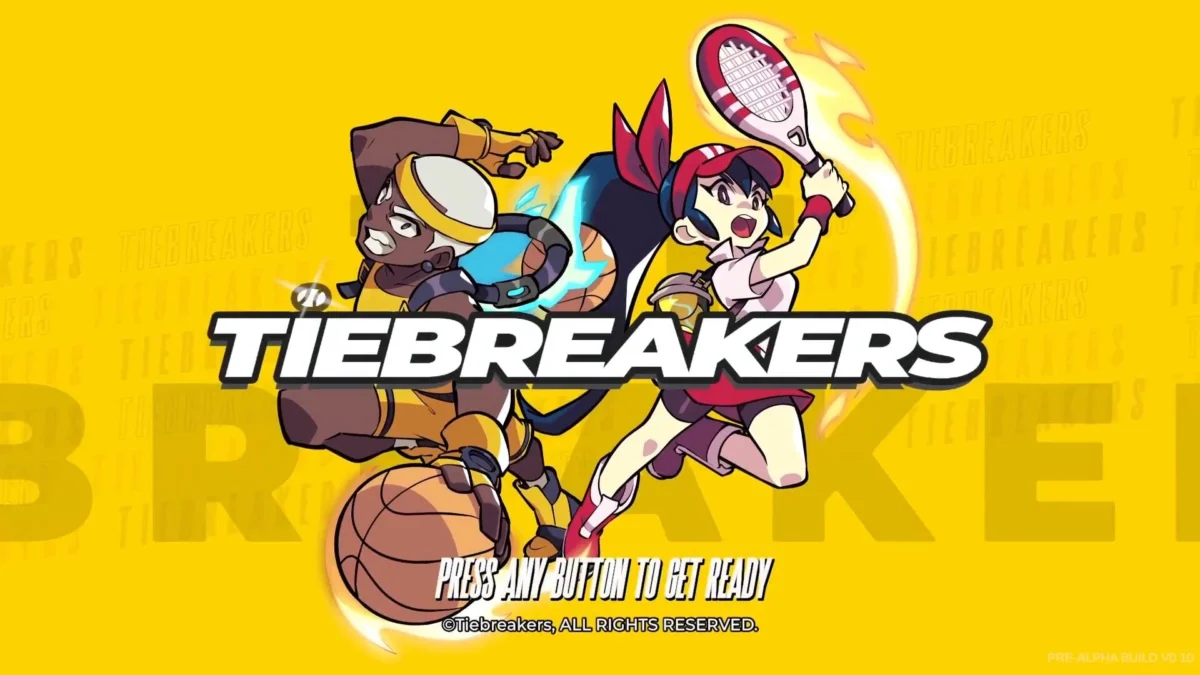
FOR IMMEDIATE RELEASE
[City, State] – [Date of Article Publication, e.g., May 27, 2026] – Tiecorp Studio, an independent game development house fueled by a passion for classic arcade action and compelling narratives, has officially announced its debut title, Tiebreakers. Billed as a "shonen run ‘n’ gun" game, this highly anticipated 2D shooting action experience promises to inject a fresh, energetic twist into the beloved genre by intertwining high-octane combat with the spirited world of sports. The game is slated for release on PC via Steam, though a specific launch date remains under wraps, fueling anticipation among genre enthusiasts and anime fans alike.
The announcement was accompanied by a captivating reveal trailer and a collection of initial screenshots, offering a tantalizing glimpse into the vibrant, action-packed universe Tiecorp Studio is meticulously crafting. From the first look, Tiebreakers appears to be a visually dynamic and mechanically engaging title, positioning itself as a potential standout in the burgeoning indie game scene. The studio’s promise of "non-stop explosive gameplay" resonates deeply with the game’s core concept: a world where young heroes harness the power of sports to confront existential threats.
Main Facts
A New Contender Enters the Arena: Tiebreakers Announced
The gaming world received an exciting jolt with the formal introduction of Tiebreakers, a unique creation from the nascent but ambitious Tiecorp Studio. This fresh entry into the run ‘n’ gun genre is not merely a nostalgic homage but a bold reimagining, aiming to captivate a new generation of players while satisfying veterans with its innovative approach. The decision to launch on PC via Steam strategically places Tiebreakers within reach of a vast and diverse global audience, leveraging the platform’s robust infrastructure for indie developers and its established community features. While the lack of a firm release date might seem like a minor detail, it often signifies a commitment from indie studios to prioritize polish and player experience over rushed deadlines, allowing for iterative development and community engagement during the crucial pre-launch phase.
At its heart, Tiebreakers presents a fascinating genre fusion: the relentless, side-scrolling action of a classic run ‘n’ gun title meets the thematic depth and visual flair of a shonen anime. This blend is immediately apparent in the game’s central premise: a world where "Tiebreakers" – an elite cadre of young, athletically inclined heroes – wield sports-themed powers to defend humanity. This narrative framework provides a rich canvas for imaginative gameplay mechanics and character development, promising an experience that is as narratively engaging as it is mechanically demanding. The studio’s vision for Tiebreakers is clear: to deliver an experience that is both "playful and intense," striking a delicate balance between lighthearted fun and challenging combat encounters. This duality is often a hallmark of successful shonen narratives, where humor and camaraderie intertwine with high-stakes battles and personal growth.
Gameplay Mechanics and Protagonist Spotlight: Li Sha
The "twist" Tiebreakers introduces to the traditional 2D shooting genre is perhaps its most intriguing aspect. High-octane run ‘n’ gun gameplay, typically characterized by rapid movement, precise shooting, and dodging barrages of enemy fire, is seamlessly integrated with the thrill and competitive spirit of sports. This isn’t just a cosmetic overlay; the sports theme is deeply woven into the fabric of combat, affecting everything from projectile types to boss encounter mechanics. The promise of "highly satisfying gameplay sensations" suggests a focus on responsive controls, impactful visual feedback, and a fluid combat system that rewards skill and strategic thinking.
Leading the charge in this athletic crusade is Li Sha, one of the game’s main characters. Described as "a young and promising Tiebreaker who refuses to back down," Li Sha embodies the quintessential shonen protagonist. Her unwavering determination and resilience will undoubtedly be central to the game’s narrative and challenge progression. What truly sets her apart, however, is her devastating arsenal of sports-themed projectiles. Players will guide Li Sha as she unleashes an array of unconventional weaponry, from "explosive tennis and bowling balls" that likely offer distinct attack patterns and area-of-effect properties, to "powerful Nutrigods." The enigmatic "Nutrigods" could represent anything from elemental energy blasts infused with nutritional metaphors, to sentient sports equipment imbued with divine power, or even powerful, consumable buffs that temporarily transform Li Sha’s abilities. This creative approach to weaponry ensures that combat remains fresh and visually spectacular, aligning perfectly with the "non-stop explosive gameplay" mantra. The visual spectacle of these attacks, combined with dynamic animations, is expected to be a key component in delivering those "satisfying gameplay sensations."
The Menace of the Red Cards and Intense Tiebreak Boss Fights
No shonen-inspired adventure is complete without a formidable antagonist, and Tiebreakers introduces the "Red Cards." These aren’t just generic villains; they are "dreadful ex-Tiebreakers," a detail that immediately adds layers of narrative complexity and emotional weight. The fact that they were once heroes, perhaps corrupted or disillusioned, opens up possibilities for intricate backstories, moral dilemmas, and deeply personal confrontations. Their past association with the Tiebreakers suggests a shared understanding of the heroes’ abilities and tactics, making them exceptionally dangerous and intelligent adversaries. This narrative choice elevates the Red Cards beyond simple cannon fodder, transforming them into compelling rivals whose motivations might be explored throughout the game’s progression.
The encounters with these antagonists are framed as "high-speed boss-fight tiebreaks," a clever integration of the sports theme into the genre’s signature challenge. These aren’t merely battles of attrition; they come with a specific, competitive rule set: "score seven points with a two-point lead to get the victory!" This mechanic fundamentally alters the traditional boss fight dynamic, transforming it into a fast-paced, strategic duel. Players won’t just be depleting a health bar; they’ll be actively "scoring points" through specific actions, perhaps by hitting weak points, executing perfect dodges, countering attacks, or achieving certain objectives within the arena. The "two-point lead" requirement adds an additional layer of pressure, preventing sudden victories and ensuring that players must maintain dominance to secure their win. This system promises to make each boss encounter a unique, intense, and memorable "tiebreak" that demands both combat prowess and tactical understanding, embodying the core themes of perseverance and competitive spirit that define both shonen and sports.
Chronology
From Passion Project to Full-Fledged Studio: The Genesis of Tiecorp
The story of Tiecorp Studio and Tiebreakers is one that resonates deeply within the independent game development community: a journey born out of pure passion and unwavering dedication. As revealed by the studio, the seed for Tiebreakers was planted "seven years ago." What began as a modest "side project" undertaken by its founders, Tom Kurcz and Alexandre Re, during their commitments to other companies, gradually blossomed into a full-fledged creative endeavor. This trajectory speaks volumes about the tenacity required to pursue a dream while balancing professional responsibilities. For many indie developers, the early stages are often characterized by late nights, weekends sacrificed, and countless hours poured into refining an idea that only they can truly see the potential of. The evolution from a mere concept or prototype to a "true game experience" signifies years of iterative design, artistic refinement, and technical hurdles overcome.
This origin story paints a picture of two individuals driven by a shared vision and a profound love for video games. Working on Tiebreakers as a side project would have allowed them to experiment freely, hone their design philosophies, and slowly build the foundational elements of their game without the immediate pressures of commercial viability. This period of organic growth likely shaped the game’s unique identity, allowing its distinctive blend of shonen aesthetics and run ‘n’ gun mechanics to mature naturally. The decision to eventually commit fully to Tiecorp Studio and Tiebreakers represents a significant leap of faith, transitioning from a beloved hobby to a professional enterprise, a testament to their belief in the project’s potential.
Building the Dream Team: Expanding Beyond the Founders
As Tiebreakers began to take concrete shape, the demands of game development necessitated an expansion of the core team. Tom Kurcz and Alexandre Re, recognizing the need for specialized talents to bring their ambitious vision to life, strategically grew Tiecorp Studio by enlisting "amazing freelance artists." This approach is common in the indie scene, allowing studios to access world-class talent without the overhead of full-time employment, offering flexibility and diverse artistic perspectives. While the specific roles of these freelance artists aren’t detailed, one can infer their contributions were crucial to shaping the game’s visual identity and overall presentation.
Given the "shonen" and "2D shooting action" descriptions, it’s highly probable these artists specialize in areas such as pixel art or hand-drawn animation, character design, environmental art, and dynamic effects. The vibrant, expressive nature typically associated with shonen anime demands skilled illustrators and animators capable of conveying intense action, emotional depth, and distinct character personalities. The seamless integration of these artistic elements is paramount to delivering "highly satisfying gameplay sensations" and ensuring that the visual spectacle matches the gameplay intensity. The collaborative effort, uniting the founders’ design vision with the creative prowess of these freelance artists, has been instrumental in "building a dream project," fostering an environment where artistic integrity and game design innovation can flourish.
The Visionary Goal: Revitalizing a Classic Genre
The driving force behind Tiecorp Studio’s existence and the creation of Tiebreakers is a clear and ambitious goal: "bringing back the run ‘n’ gun genre and make it more engaging with a shonen experience." This statement is a manifesto, signaling a deep respect for the genre’s roots while simultaneously pledging to push its boundaries. The run ‘n’ gun genre, popularized by iconic titles like Contra and Metal Slug, is celebrated for its fast-paced action, challenging difficulty, and emphasis on precision and reflexes. However, like many classic genres, it can benefit from modern interpretations and fresh narrative approaches.
Tiecorp Studio aims to achieve this revitalization by infusing the genre with the compelling elements of shonen. This means going beyond mere visual aesthetics; it implies a deeper integration of shonen tropes into the gameplay loop and narrative structure. Elements such as character progression, a sense of escalating power, the importance of perseverance against overwhelming odds, and a vibrant cast of heroes and villains are all hallmarks of shonen that can profoundly enrich the run ‘n’ gun experience. By focusing on "highly satisfying gameplay sensations," the studio is committed to refining the core mechanics—shooting, jumping, dodging—to be incredibly fluid and responsive, ensuring that every action feels impactful. This commitment, combined with a narrative that emphasizes "perseverance" and the "positive values of sport," positions Tiebreakers not just as a game, but as an experience that aims to evoke the same emotional highs and inspirational themes found in beloved shonen anime and manga. It’s a promise to deliver a game that is both exhilaratingly fun and narratively resonant, a blend that could redefine the run ‘n’ gun experience for contemporary audiences.
Supporting Data
The Shonen Influence: Narrative and Gameplay Synergies
The declaration of Tiebreakers as a "shonen-style action game" immediately sets a specific expectation for its narrative tone, character archetypes, and even gameplay progression. Shonen manga and anime, a genre primarily aimed at a young male demographic, is renowned for its core tenets: an underdog protagonist who develops powers through perseverance and intense training, fierce rivalries that often evolve into camaraderie, explosive special moves, over-the-top action sequences, and clear moral lessons often centered around friendship, justice, and self-belief. Li Sha, as a "young and promising Tiebreaker who refuses to back down," perfectly embodies the shonen hero archetype. Her journey will likely involve overcoming seemingly insurmountable challenges, mastering new abilities, and perhaps even facing personal demons or doubts, all while maintaining a positive outlook.
From a gameplay perspective, the shonen influence can manifest in several exciting ways. Visually, players can anticipate dynamic, expressive animations for attacks, dodges, and character reactions, mirroring the exaggerated yet impactful style of shonen battles. The "explosive tennis and bowling balls" and "powerful Nutrigods" are direct translations of shonen special moves, each likely featuring unique visual effects and tactical applications. Narrative-wise, players might encounter a progressive power-up system, where Li Sha gains new skills or enhances existing ones as she grows stronger, akin to a shonen hero’s increasing mastery of their abilities. The "Red Cards," as "dreadful ex-Tiebreakers," offer the perfect shonen-esque rival dynamic: formidable opponents with a shared history, whose defeat might not just be a matter of strength but also understanding their motivations and perhaps even offering redemption. The "seven points with a two-point lead" mechanic for boss fights can be seen as a direct parallel to the competitive nature of sports within shonen, where victory requires not just skill but also strategic thinking and an unyielding will to win, often in dramatic, nail-biting finishes. The overarching theme of "perseverance and the positive values of sport" reinforces the genre’s focus on hard work, fair play, and the belief that effort can overcome any obstacle.
The Run ‘n’ Gun Renaissance: A Look at the Genre’s Enduring Appeal
The run ‘n’ gun genre holds a hallowed place in gaming history, synonymous with the golden age of arcade and console gaming. Titles like Contra, Metal Slug, and Gunstar Heroes defined an era with their relentless action, precise platforming, and often brutal difficulty. Their enduring appeal lies in their pure, unadulterated gameplay loop: move, shoot, dodge, repeat. This straightforward yet deeply challenging formula provides immediate gratification and a high skill ceiling, rewarding players for mastering movement patterns, enemy behaviors, and weapon synergies. In an industry often dominated by open-world epics and complex RPGs, there’s a growing appetite for games that offer focused, intense, and replayable action experiences.
Tiebreakers enters this landscape at a time when the run ‘n’ gun genre is experiencing something of a renaissance, largely fueled by indie developers eager to innovate within established frameworks. Modern run ‘n’ guns often blend classic mechanics with contemporary design philosophies, incorporating elements like rogue-lite progression, diverse character abilities, and deeper narrative hooks. Tiecorp Studio’s ambition to "bring back the run ‘n’ gun genre" speaks to this trend. By marrying the genre’s core tenets with the vibrant narrative and visual style of shonen, Tiebreakers aims to innovate without sacrificing the visceral satisfaction that defines its predecessors. The "2D shooting action experience" promises the familiar side-scrolling perspective and intricate level design, while the sports twist ensures that the game carves out its own distinct identity. This fusion is not merely cosmetic; it’s an attempt to evolve the genre by providing new layers of strategic depth, thematic resonance, and visual spectacle, making it "more engaging" for both nostalgic fans and newcomers.
Technical and Artistic Direction: Visuals, Audio, and Player Experience
While specific technical details remain scarce, the description of Tiebreakers as a "playful and intense 2D shooting action experience" with a "shonen-style" naturally leads to certain expectations regarding its artistic and technical execution. The choice of 2D suggests a deliberate focus on finely crafted visuals, whether through intricate pixel art, fluid hand-drawn animations, or a hybrid approach. Given the "shonen" descriptor, the game is likely to feature a vibrant color palette, expressive character designs, and dynamic on-screen effects for attacks and explosions that evoke the energy of an anime battle. Every projectile, every dodge, and every enemy encounter will need to be visually distinct and impactful to convey the promised "non-stop explosive gameplay." The "amazing freelance artists" brought into the team would be instrumental in achieving this high level of visual polish, ensuring that character sprites are animated with personality and combat sequences are a feast for the eyes.
Beyond the visuals, the auditory experience will be crucial in cementing those "highly satisfying gameplay sensations." An energetic, perhaps rock- or synthwave-infused soundtrack, typical of many action-packed shonen series, would complement the fast-paced gameplay. Sound effects for Li Sha’s sports-themed projectiles – the impact of an explosive tennis ball, the rumble of a bowling ball, the crackle of "Nutrigods" – will need to be punchy and distinct, providing essential audio feedback to the player. The combination of striking visuals, dynamic animations, and a powerful soundscape will work in concert to immerse players in the intense action, making every victory feel earned and every defeat a learning opportunity. The overall player experience is clearly prioritized, aiming for a game that is not only challenging but also incredibly fun to look at, listen to, and, most importantly, play.
Platform Choice: PC and Steam’s Strategic Advantage
Tiecorp Studio’s decision to launch Tiebreakers initially on PC via Steam is a highly strategic one, particularly for an independent developer. The PC platform offers unparalleled accessibility and a massive global player base, making it an ideal starting point for a new IP. Steam, as the dominant digital distribution platform for PC games, provides a comprehensive ecosystem that benefits indie studios in numerous ways. Its robust infrastructure handles everything from storefront presentation and payment processing to community features, patching, and analytics.
For Tiebreakers, launching on Steam means immediate access to a built-in audience of millions of gamers actively seeking new and innovative titles. Steam’s wishlisting feature is a powerful tool for building pre-release hype, allowing potential players to express interest and be notified upon launch. Community hubs facilitate direct interaction between developers and players, enabling Tiecorp Studio to gather feedback, address concerns, and foster a dedicated player base. Furthermore, Steam’s global reach allows Tiebreakers to transcend geographical boundaries, connecting with fans of run ‘n’ gun and shonen from around the world. For a studio focused on delivering a "dream project" and revitalizing a genre, Steam provides the perfect launchpad to reach the widest possible audience and build a strong foundation for future success.
Official Responses
Tiecorp Studio’s Vision and Ambitions
The official statements from Tiecorp Studio paint a clear picture of a development team driven by both artistic ambition and a deep understanding of what makes games engaging. Their overview of Tiebreakers emphasizes a "playful and intense 2D shooting action experience that focuses on the Tiebreakers: the young heroes using sports to save the world!" This encapsulates their dual commitment to entertainment and a compelling, purposeful narrative. The founders, Tom Kurcz and Alexandre Re, articulate a desire to introduce "a twist to the 2D shooting genre," highlighting their innovative spirit rather than merely replicating past successes. Their emphasis on "high-octane run ‘n’ gun gameplay meets the thrill of sports" isn’t just a marketing slogan; it’s a design philosophy that underpins every aspect of the game.
The studio’s history further underscores their dedication. What began as a "side project during our time working in companies" evolving into a "true game experience" speaks volumes about the passion and perseverance of Kurcz and Re. This personal journey imbues their project with an authenticity that resonates with players. Their goal of "bringing back the run ‘n’ gun genre and make it more engaging with a shonen experience thanks to its highly satisfying gameplay sensations and its experience about perseverance" is a comprehensive mission statement. It promises a game that is not only mechanically refined and visually appealing but also carries a deeper message, aligning gameplay with narrative themes. This holistic approach suggests a game crafted with care, aiming to deliver an experience that is both exhilarating and meaningful.
Community Engagement and Anticipation
The unveiling of Tiebreakers through an announcement trailer and initial screenshots marks the critical first step in engaging with the wider gaming community. For an indie title, these initial media assets are paramount in capturing attention and generating buzz. The trailer, serving as a dynamic showcase of gameplay, visual style, and thematic elements, is designed to give prospective players a taste of the "non-stop explosive gameplay" and the unique blend of run ‘n’ gun action and shonen flair. The accompanying gallery of screenshots provides static, high-resolution glimpses of character designs, enemy types, environmental details, and moments of intense action, allowing players to scrutinize the game’s artistic direction and graphical fidelity.
The immediate reaction to such an announcement, especially for a game with a unique premise, often involves a mix of excitement, curiosity, and speculative discussion across social media, gaming forums, and news comment sections. Fans of classic run ‘n’ gun titles will be eager to see how Tiebreakers innovates within the genre, while enthusiasts of shonen anime and manga will be keen to identify familiar tropes and appreciate the game’s stylistic choices. Tiecorp Studio will undoubtedly be closely monitoring this initial reception, as community feedback plays a vital role in shaping the development trajectory of indie games. Early engagement allows developers to gauge interest, understand player expectations, and potentially incorporate community suggestions, fostering a sense of shared ownership and building a loyal fan base even before launch. This transparent and interactive approach is key to the success of many independent ventures, and Tiebreakers is poised to benefit from it.
Implications
Potential Impact on the Indie Game Scene
Tiebreakers has the potential to make a significant splash in the independent game development scene, not just as another indie title, but as a trailblazer in genre fusion. Its bold combination of classic run ‘n’ gun mechanics with the narrative and aesthetic sensibilities of shonen anime is a testament to the creative freedom and innovation often found in indie studios. In a landscape increasingly populated by games that adhere to established formulas, Tiebreakers stands out by daring to blend disparate elements into a cohesive and exciting whole. Should the game succeed in delivering on its promises, it could inspire a new wave of developers to explore unconventional genre mashups, pushing the boundaries of what players expect from familiar categories. This could lead to a richer, more diverse indie market, encouraging experimentation and fostering a climate where truly unique ideas can flourish.
Furthermore, Tiecorp Studio’s origin story, evolving from a side project into a dedicated studio, serves as an inspiring narrative for aspiring game creators. It reinforces the idea that passion, perseverance, and a strong vision can transform a hobby into a commercial reality. This kind of success story can motivate others to pursue their own "dream projects," demonstrating that with enough dedication, even a small team can produce a game with significant creative and commercial potential.
Market Position and Competition
In the crowded gaming market, Tiebreakers will face competition from both established run ‘n’ gun franchises and other shonen-inspired titles. However, its unique hybrid nature provides a strong competitive edge. While there are many excellent run ‘n’ gun games, few explicitly lean into the "shonen" narrative and visual style with the same commitment. Similarly, while shonen themes are prevalent across various game genres, integrating them directly into the core mechanics of a 2D shooter, especially with sports-themed combat, is relatively novel. This distinct identity helps Tiebreakers carve out its own niche, appealing to players who appreciate both fast-paced action and compelling, character-driven narratives typically found in anime.
Its 2D aesthetic also positions it strategically. In a market where high-fidelity 3D graphics often dominate headlines, the charm and timelessness of well-executed 2D art can be a powerful differentiator. This allows Tiecorp Studio to compete on artistic merit, gameplay innovation, and narrative depth, rather than solely on graphical horsepower. The challenge will be to effectively communicate this unique value proposition to potential players, ensuring that the game’s distinct blend is understood and appreciated amidst a sea of options.
Future Outlook and Player Expectations
The absence of an announced release date for Tiebreakers suggests a commitment to quality and a deliberate development process, often indicative of indie studios prioritizing the final product over meeting arbitrary deadlines. This approach minimizes the risk of "crunch" culture and allows for thorough testing and refinement, ultimately leading to a more polished and enjoyable experience for players. Moving forward, players can anticipate further revelations from Tiecorp Studio. This will likely include more detailed gameplay footage, deep dives into specific mechanics (e.g., how the "Nutrigods" function, character customization, or specific level designs), and perhaps even beta testing opportunities to gather crucial player feedback.
The initial announcement has set high expectations for a challenging, visually dynamic, and narratively engaging action game. Players will be looking for a game that lives up to its "non-stop explosive gameplay" promise, offering tight controls, creative enemy design, and memorable boss battles. The shonen elements suggest a desire for character progression, a sense of empowerment, and a story that resonates with themes of perseverance and heroism. Ultimately, players will expect Tiebreakers to be a game that not only revitalizes a classic genre but also delivers a fresh, compelling experience that stands on its own merits.
The Enduring Message: Perseverance and Positive Values
Beyond the explosive action and vibrant visuals, Tiebreakers is poised to deliver a deeper message, aligning with the philosophical underpinnings of the shonen genre. The explicit mention of "perseverance and the positive values of sport" as core themes suggests that the game will be more than just a test of reflexes; it will be an exploration of determination, teamwork (even in a single-player context, through narrative allies), and the idea that effort and resilience can overcome any obstacle. Li Sha’s refusal to back down, the intense "tiebreak" boss fights that demand strategic thinking under pressure, and the journey of overcoming "dreadful ex-Tiebreakers" all serve to reinforce these messages.
Through its narrative and gameplay, Tiebreakers has the potential to offer players an experience that is not only entertaining but also subtly inspiring. It can remind us that challenges, much like sports matches, often require more than just raw power; they demand mental fortitude, strategic adaptation, and an unwavering spirit. In an era where games increasingly seek to offer meaningful experiences, Tiebreakers appears to be leveraging its unique genre blend to deliver a powerful, positive message alongside its "non-stop explosive gameplay." As Tiecorp Studio continues its development, the gaming community eagerly awaits the chance to step into the arena and experience this exciting new take on the run ‘n’ gun adventure.


 Lina Irawan
 Sagoh
Sagoh