Layla Zulfa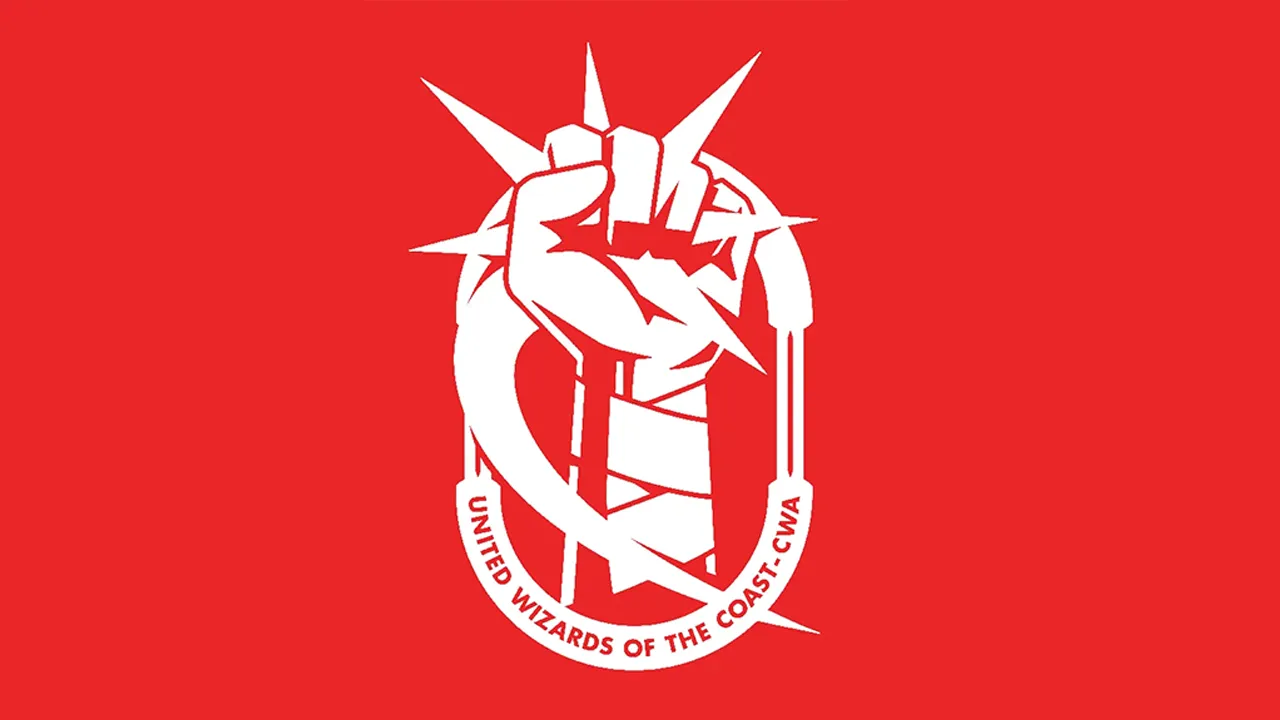
REDMOND, WA – In a move that underscores the escalating tension between management and labor within the video game industry, Wizards of the Coast (WotC), the esteemed publisher behind iconic franchises like Magic: The Gathering and Dungeons & Dragons, has issued a stark warning to its employees regarding the potential ramifications of unionizing. Ahead of a critical vote scheduled for June 2, WotC President John Hight penned a letter to staff, cautioning that "All the benefits and perks you currently enjoy would be on the bargaining table," implying that a unionized workforce could "end up with more, the same or less than you have now."
The communication, obtained and reported by Kotaku and GameDeveloper, and circulated widely on social media, emphasizes that while the decision to unionize is a "personal one," WotC leadership believes "our future is stronger when we work together. We believe your voice is strongest when it is heard directly. Not through a third party." This direct appeal to employees, often characterized as a classic anti-union tactic, comes as developers of Magic: The Gathering Arena seek to form a union with the support of the Communication Workers of America (CWA).
The forthcoming vote, overseen by the National Labor Relations Board (NLRB), represents a pivotal moment for WotC employees and could significantly alter the landscape of labor relations within the company. The letter from Hight meticulously outlines the potential complexities and uncertainties of collective bargaining, painting a picture of a lengthy and unpredictable process that could dismantle current employee benefits.
Main Facts: WotC’s Stance and the Impending Vote
Wizards of the Coast, a subsidiary of global toy and game giant Hasbro, is currently facing a concerted effort by its Magic: The Gathering Arena developers to unionize under the banner of UWOTC-CWA (United Wizards of the Coast – Communication Workers of America). This initiative culminated in a formal request for voluntary recognition from management by May 1, a deadline that WotC and Hasbro ultimately missed, thereby necessitating a formal election process through the National Labor Relations Board.
The heart of the recent controversy lies in a letter, dated May 14, allegedly sent by WotC President John Hight to all employees. The letter, while affirming that unionization is a "personal decision," strongly advised against it, suggesting that direct communication with leadership is the most effective way for employees’ voices to be heard. It states, "Some have shared that they prefer to maintain a direct working relationship with leadership, while others are still gather information or may feel the CWA could play a role. We respect this. What matters most is that every employee has the information they need to make an informed decision and participate in the vote."
The most contentious part of the letter, however, details the potential consequences of successful unionization. Hight explained "how union representation works," asserting that if employees choose the CWA, the union would represent them in collective bargaining over "wages, benefits, scheduling, and other terms and conditions of employment." Crucially, the letter warns: "All the benefits and perks you currently enjoy would be on the bargaining table for both parties to negotiate, based on what’s important to them. That means you could end up with more, the same, or less than you have now. No union can guarantee what would happen in that bargaining process, which can be lengthy (465 days on average)."
Conversely, the letter posits that if employees opt against union representation, WotC would "continue to work directly with employees on workplace matters, just as it does today, with a much greater degree of flexibility than a typically rigid union contract." This framing presents a clear choice: the perceived stability and flexibility of the current direct relationship versus the uncertainty and potential rigidity of a unionized environment. The June 2 vote will ultimately determine which path WotC employees choose.
Chronology of the Unionization Effort at Wizards of the Coast
The push for unionization at Wizards of the Coast, specifically among the developers working on Magic: The Gathering Arena, has been building for some time, reflecting a broader trend within the video game industry.
Early 2024: Whispers and discussions among Magic: The Gathering Arena developers regarding workplace conditions, compensation, and a desire for greater job security and a collective voice begin to coalesce into a formal movement. These concerns are often amplified in the fast-paced, demanding environment of game development, where crunch periods and shifting project priorities can take a toll on employees.
April 2024: The Magic: The Gathering Arena developers publicly announce their intention to unionize with the support of the Communication Workers of America (CWA). This announcement marks a significant step, moving from internal discussions to a public declaration and recruitment phase. The CWA, a prominent union in the communications and technology sectors, has become a key partner for numerous video game industry unionization efforts across North America.
April 2024 (Specific Date Noted): The newly formed union, UWOTC-CWA, formally requests that Wizards of the Coast and its parent company, Hasbro, voluntarily recognize their union. Voluntary recognition is a process where an employer agrees to recognize a union without the need for a formal election, often seen as a sign of good faith and a willingness to engage in constructive dialogue.
May 1, 2024: This date serves as the deadline for WotC and Hasbro to voluntarily recognize the UWOTC-CWA. As the deadline passes without recognition, the unionization effort shifts to the next stage: a formal election overseen by the National Labor Relations Board (NLRB). This decision by WotC/Hasbro to not voluntarily recognize the union sets the stage for a potentially more adversarial process.
May 14, 2024: WotC President John Hight circulates the now-controversial letter to all employees. The letter outlines the company’s perspective on unionization, emphasizing the potential risks to existing benefits and advocating for direct communication between employees and leadership. This communication is widely interpreted as an attempt to dissuade employees from voting in favor of unionization.
June 2, 2024: The pivotal date for the NLRB-supervised election. On this day, WotC employees will cast their ballots to decide whether they wish to be represented by the UWOTC-CWA in collective bargaining with the company. The outcome of this vote will have long-lasting implications for labor relations at Wizards of the Coast.
This chronological progression highlights a deliberate and structured effort by the Magic: The Gathering Arena developers to establish a collective bargaining unit, met by a clear, formal response from company leadership aimed at influencing the upcoming vote.
Supporting Data: The Dynamics of Unionization and Corporate Responses
The WotC letter’s contents and the broader context of unionization in the gaming industry reveal several key dynamics at play.
The "Bargaining Table" Argument and its Implications
WotC’s assertion that "All the benefits and perks you currently enjoy would be on the bargaining table" is a common employer argument during unionization campaigns. While technically true that all aspects of employment become subject to negotiation in collective bargaining, the way this is presented often carries an implicit threat: that employees stand to lose benefits they currently possess. Proponents of unionization counter that the purpose of bargaining is to improve, not diminish, working conditions, and that unions prioritize protecting existing benefits while striving for better ones. The CWA, in its advocacy for workers, typically emphasizes that collective power is essential to secure fair contracts that reflect employee contributions and industry standards.
The letter also highlights the average length of bargaining processes (465 days), aiming to portray unionization as a protracted and potentially frustrating endeavor. While initial contract negotiations can indeed be lengthy, this figure often includes complex scenarios and does not necessarily reflect every negotiation. Union supporters would argue that the long-term benefits of a strong contract—such as improved wages, better healthcare, enhanced job security, and a formalized grievance process—outweigh the temporary inconvenience of negotiations.
The "Direct Voice" Versus "Third Party" Debate
The emphasis on employees’ "voice is strongest when it is heard directly. Not through a third party" is another hallmark of corporate anti-union messaging. This argument suggests that a union acts as an unnecessary intermediary, hindering direct communication and problem-solving between employees and management. However, union advocates contend that individual voices often lack the power to effect meaningful change, especially in large corporations. A union, they argue, provides a collective, legally recognized voice that can negotiate on equal footing with management, ensuring that employee concerns are not easily dismissed and that agreements are binding and enforceable. The "flexibility" of a non-unionized environment, as touted by WotC, can also be interpreted by workers as management’s unilateral power to change terms and conditions without employee input or recourse.
The Broader Wave of Unionization in Gaming
The unionization effort at Wizards of the Coast is not an isolated incident but part of a significant and growing trend within the video game industry, particularly within major publishing houses. The Communication Workers of America (CWA) has been instrumental in supporting these efforts, providing organizational expertise and legal guidance.
- Raven Software (2022): Became the first major video game union in the United States, forming the Game Workers Alliance-CWA. This was a landmark victory, arising from concerns over working conditions, compensation, and management decisions within Activision Blizzard.
- Activision Blizzard Subsidiaries: Following Raven Software, a cascade of unionization efforts swept through various Activision Blizzard studios, especially after Microsoft’s acquisition of the company. These include:
- Activision Quality Assurance United-CWA: Representing QA testers across multiple Activision studios.
- OneBGS (Bethesda Game Studios): Developers at Bethesda, known for Fallout and The Elder Scrolls, also voted to unionize.
- World of Warcraft Game Makers Guild: Employees working on the iconic MMORPG sought collective bargaining.
- Blizzard QA teams in Albany and Austin: These teams successfully ratified union contracts, providing lasting workplace protections.
- Activision User Research Union-CWA: Demonstrating that the drive for unionization extends beyond development and QA roles.
- Overwatch Gamemakers Guild-CWA: Developers of the popular hero shooter also opted for union representation.
- Diablo developers: The team behind the acclaimed Diablo series joined the growing list of unionized studios.
- Double Fine Productions (2024): Most recently, the renowned Psychonauts developer, also a Microsoft subsidiary, filed to unionize with CWA support, further solidifying the trend.
These successful unionization efforts highlight a growing disillusionment among game developers and related staff with traditional corporate structures and management practices. Common grievances include:
- "Crunch" culture: Excessive mandatory overtime, often unpaid, leading to burnout and mental health issues.
- Job insecurity: Frequent layoffs and project cancellations, especially post-acquisition.
- Wage stagnation: Compensation not keeping pace with industry profits or cost of living.
- Lack of transparency: Opaque decision-making processes regarding projects, promotions, and compensation.
- Inadequate benefits: Healthcare, retirement, and other benefits perceived as insufficient.
- Desire for a voice: A fundamental wish for a collective say in workplace policies and conditions.
The consistent success of the CWA in organizing these studios demonstrates a strategic approach to addressing these industry-specific challenges and empowering workers to advocate for their rights. The WotC situation is therefore not an anomaly but a continuation of a significant shift in labor relations within the global gaming industry, where employees are increasingly seeking formal representation to protect their interests.
Official Responses and Counter-Narratives
The official response from Wizards of the Coast, as embodied by John Hight’s letter, presents a clear corporate narrative designed to maintain the status quo. The letter attempts to persuade employees that their best interests are served by a direct, unmediated relationship with management. This approach typically emphasizes the company’s commitment to its employees, the existing benefits structure, and the perceived agility of a non-unionized environment. The core message is one of caution and potential risk associated with unionization, rather than outright prohibition, which would be illegal under U.S. labor law.
From the perspective of UWOTC-CWA and the broader labor movement, WotC’s letter represents a predictable, albeit concerning, attempt at union-busting. While no direct counter-statement from UWOTC-CWA was provided in the source material, union advocates generally respond to such employer communications by:
- Reaffirming Employee Rights: Reminding workers of their legal right to organize and bargain collectively without fear of reprisal.
- Challenging "Loss of Benefits" Claims: Arguing that a union’s primary goal is to improve conditions, not diminish them. They would emphasize that collective bargaining is a negotiation process where workers, through their union, fight to retain and enhance benefits. The idea that benefits would simply disappear is usually framed as a scare tactic.
- Highlighting the Power of Collective Action: Countering the "direct voice" argument by explaining that individual complaints are often ignored, while a collective voice, backed by a legally recognized union, carries significant weight and leverage.
- Dispelling Misinformation about Bargaining Length: While acknowledging that negotiations can take time, unions would emphasize that the goal is a fair contract, and that delays are sometimes caused by employer resistance, not inherent union inefficiency. They would also point to successful, timely contract ratifications in other organized workplaces.
- Focusing on Long-Term Gains: Stressing that a union contract provides stability, transparency, and a democratic framework for workplace decision-making that is absent in at-will employment. This includes formal grievance procedures and protections against arbitrary changes to working conditions.
The image credit, "UWOTC-CWA," associated with the article suggests that the union itself might be involved in circulating or commenting on the company’s letter, implying a proactive communication strategy to counter WotC’s message. This battle of narratives is central to any unionization campaign, with both sides vying for the hearts and minds of the workforce.
Implications for Wizards of the Coast, Hasbro, and the Gaming Industry
The outcome of the June 2 vote at Wizards of the Coast carries significant implications, not only for the employees directly involved but also for the broader landscape of the gaming industry and corporate labor relations.
Impact on Wizards of the Coast
If employees vote to unionize, WotC would be legally obligated to bargain in good faith with UWOTC-CWA. This would fundamentally alter the company’s approach to human resources, requiring formalized negotiations over wages, benefits, and working conditions. While initially potentially leading to increased administrative complexity and potentially higher labor costs, it could also foster a more stable and satisfied workforce in the long run, reducing turnover and improving morale if a fair contract is reached. Conversely, a prolonged and contentious bargaining process could create internal friction and negatively impact productivity and public perception.
If the unionization effort fails, WotC would likely continue its current direct engagement model. However, the attempt itself may have already raised employee awareness and expectations regarding workplace conditions. Management might feel compelled to proactively address some of the underlying issues that spurred the union drive, even without a union in place, to prevent future organizing attempts. The failure of the union could also embolden management in future labor decisions.
Implications for Hasbro
As WotC’s parent company, Hasbro is closely watching this development. A successful unionization at WotC could set a precedent for other Hasbro subsidiaries, potentially encouraging similar movements within its diverse portfolio of toy, game, and entertainment brands. This could lead to broader discussions within Hasbro’s corporate structure about labor strategies and employee relations. Hasbro’s financial performance, which relies heavily on key brands like Magic: The Gathering, could also be influenced by any labor disruptions or significant changes to operational costs resulting from union contracts. The company will likely evaluate its current policies across its brands in light of this trend.
Broader Impact on the Gaming Industry
The ongoing wave of unionization, with WotC as the latest battleground, signals a maturing phase for the video game industry. Historically characterized by a passionate but often exploited workforce, the industry is now confronting demands for greater professionalism, worker protections, and equitable distribution of its immense profits.
- Increased Scrutiny: The WotC situation will add to the public and media scrutiny of labor practices within game development. Companies that resist unionization fiercely may face reputational damage, especially among a player base increasingly aware of ethical production.
- Precedent Setting: Each successful unionization, particularly at a high-profile company like WotC, emboldens workers at other studios. It demonstrates that organizing is achievable and can lead to tangible improvements.
- Shift in Power Dynamics: Over time, widespread unionization could shift the power dynamic in the industry, giving workers a stronger collective voice in shaping their careers and the future direction of the industry itself. This could lead to standardized employment contracts, better industry-wide benefits, and potentially a reduction in harmful practices like excessive crunch.
- Evolution of HR Practices: Companies may be forced to proactively evolve their human resources practices, offering more competitive compensation, better benefits, and more transparent communication channels to stave off unionization efforts.
The WotC vote is more than just an internal company matter; it is a barometer for the evolving relationship between labor and capital in one of the most dynamic and profitable entertainment sectors globally. Its outcome will undoubtedly contribute to the ongoing narrative of whether the "dream job" in gaming can also be a secure and equitably rewarding one.


 Lina Irawan
 Sagoh
Sagoh