

What does the word “luxury” truly signify in the modern era? For decades, the hospitality industry has leaned into a definition characterized by glitzy opulence, white-glove service, and an orchestrated level of attentiveness that borders on the omnipresent. Yet, a shift is occurring. As the contemporary traveler grows increasingly weary of the performative nature of traditional five-star service, a new philosophy is emerging from the innovators at FHG Hotels. To them, luxury is not found in a concierge hovering at your elbow, but in the profound, rare sensation of arriving in a new place and feeling—seamlessly and effortlessly—at home.
The Paradigm Shift: From Managed Service to Self-Hospitality
For many, the act of checking into a high-end hotel can feel paradoxically restrictive. Every interaction, from the moment of arrival to the turndown service, is carefully choreographed to meet a standardized ideal of “perfection.” FHG Hotels is actively dismantling this model through a concept they term “self-hospitality.”
This approach prioritizes guest autonomy, stripping away the friction of constant, managed interaction. By leveraging technology for seamless check-ins and designing spaces that invite intuitive use, FHG allows travelers to move through their stay with the freedom of a resident rather than the constraints of a guest.
“FHG diverges from conventional hospitality by shifting control back to the guest,” explains David Miskin, the brand’s Chief Creative Director. “Traditional models are built around layers of service and constant intervention. The experience is often highly managed, which can, ironically, make a guest feel like a spectator in their own vacation. Our approach removes that friction and allows guests to move freely, engaging with our spaces on their own terms.”
Chronology of a Brand: A Journey from Fav to the Seven x Seven Evolution
The trajectory of FHG Hotels is a study in calculated expansion and conceptual refinement. The genesis of the brand can be traced back to 2020, when Kasumigaseki Capital launched Fav. These early properties were designed with a clear, utilitarian mandate: to cater to the growing demographic of group travelers who required stylish, spacious, and flexible environments.
By 2024, the company recognized that the “Fav” model held the seeds of a more sophisticated offering. This led to the launch of Seven x Seven, the high-end evolution of the brand, designed to compete in the luxury resort sector while maintaining the core tenets of independence and ease.
Today, the FHG portfolio has blossomed into a network of over 21 properties across Japan, categorized to serve distinct traveler personas:
- Fav: Tailored for groups and social gatherings.
- Seven x Seven: High-end, experiential luxury resorts.
- Edit x Seven: A stripped-back, lifestyle-oriented retreat.
- Base Layer Hotels: A modern, functional take on the urban business hotel.
- Fork & Knife: A boutique concept centered on deep immersion into local food and culture.
Design Philosophy: The Architecture of Ease
A stay at any FHG property begins with a frictionless, QR-code-enabled self-check-in. However, the true strength of the brand lies in its environment. Rooms are equipped with premium amenities—often including full kitchen facilities—and the properties consistently feature wellness staples like gyms and saunas.
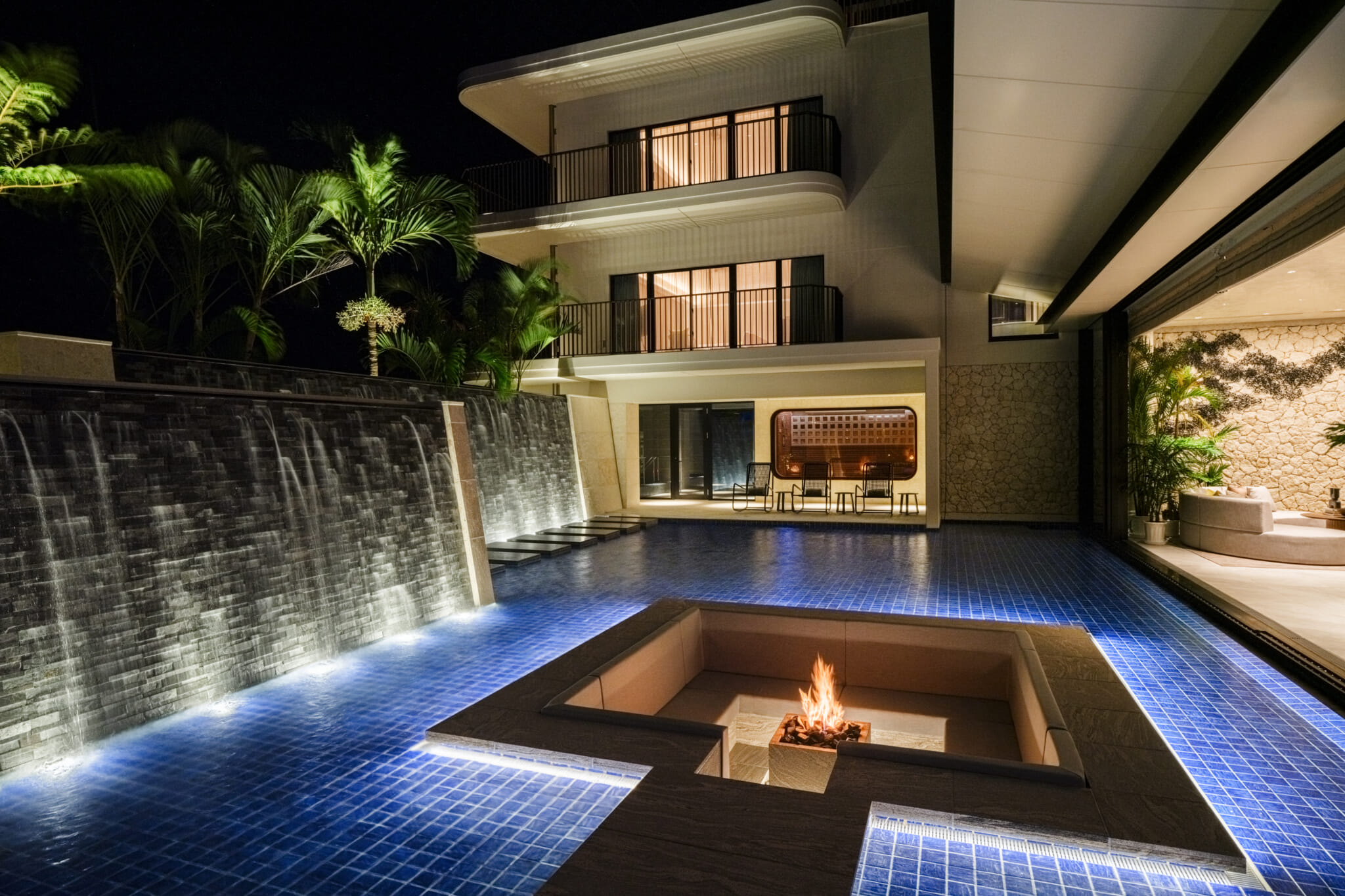
“We design environments where everything is available, but nothing is imposed,” Miskin notes. “Whether a guest wants to cook, host friends, exercise, or simply retreat into the solitude of a shared space, the environment facilitates it without demanding participation.”
This philosophy is underpinned by three core pillars: clarity, intention, and restraint. While the guest experiences a sense of effortless flow, the reality behind the scenes is one of high-level structure and discipline. Miskin emphasizes that this balance is the brand’s signature. “Behind the scenes, there is immense rigor. But what the guest feels is ease. That bridge between internal control and external freedom is what defines the FHG approach.”
Seven x Seven Ishigaki: Where Luxury Meets Spontaneity
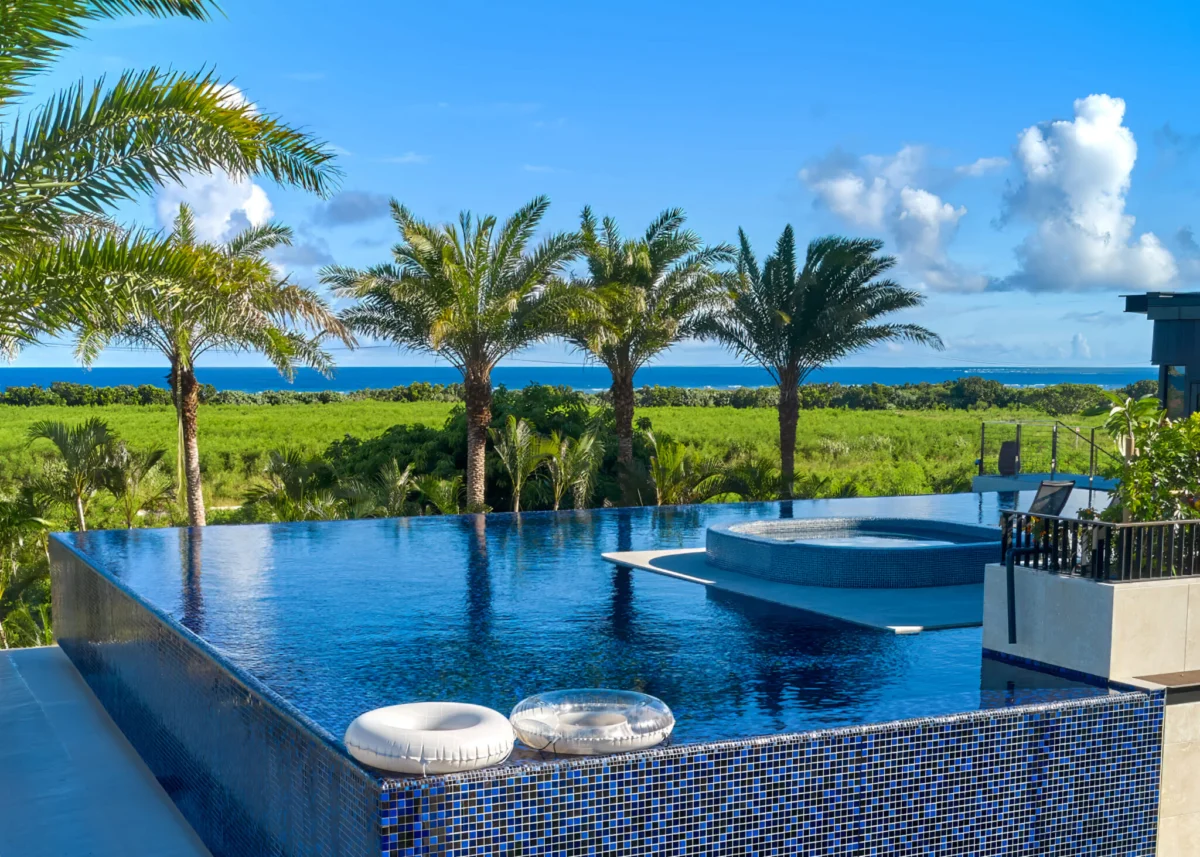
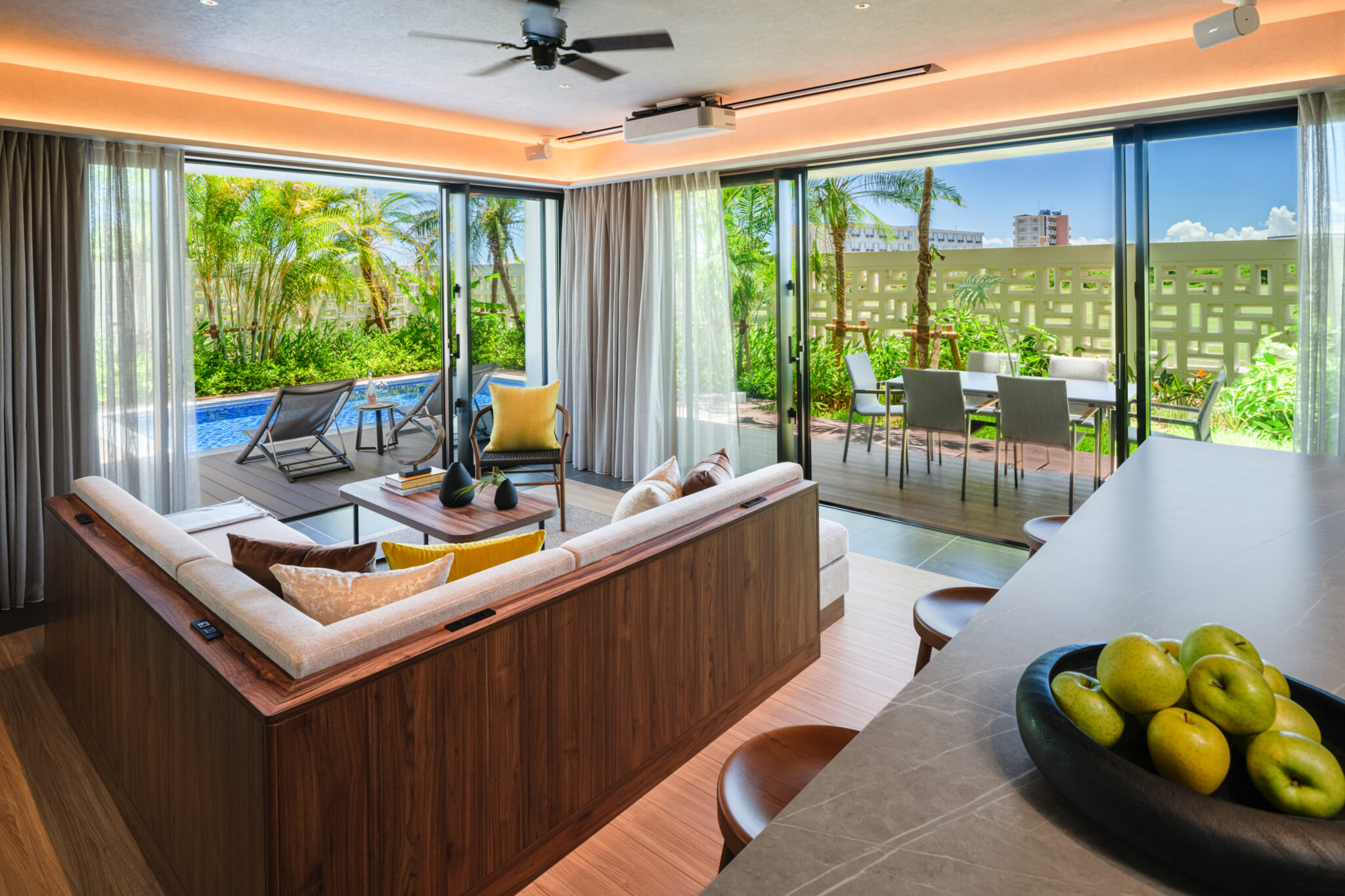
Located on the subtropical shores of Ishigaki Island, Seven x Seven Ishigaki serves as the flagship expression of the brand’s philosophy. Despite the serene, minimalist aesthetic that contrasts with the island’s vibrant cerulean waters, the hotel is not designed for quiet isolation. It is built for connection.
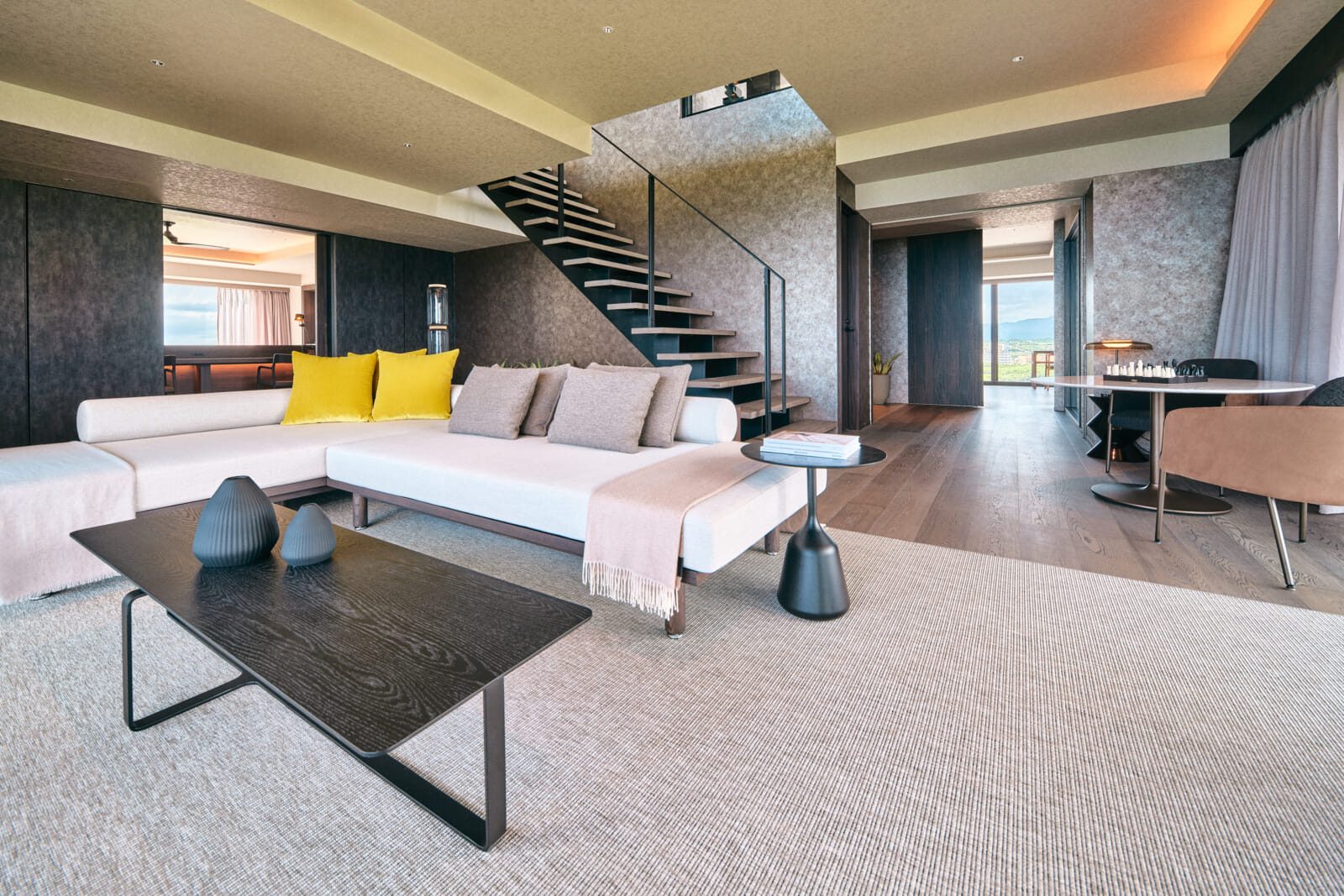
The property is a masterclass in social architecture. The lobby is a sprawling, breezy expanse filled with seating, while the communal areas—including dual saunas and multiple bars—encourage spontaneous interaction. Even the standard rooms are configured for social dynamics, featuring large couches and layouts that invite guests to entertain.
Suite-Level Sophistication
The accommodations range from sophisticated standard rooms for four to ultra-exclusive suites. The two-story penthouse is a standout, featuring a private wine cellar, a dedicated minibar, and an in-suite sauna. The "Pool Suite" takes the experience further, offering a private aquatic oasis for those who prefer complete seclusion.
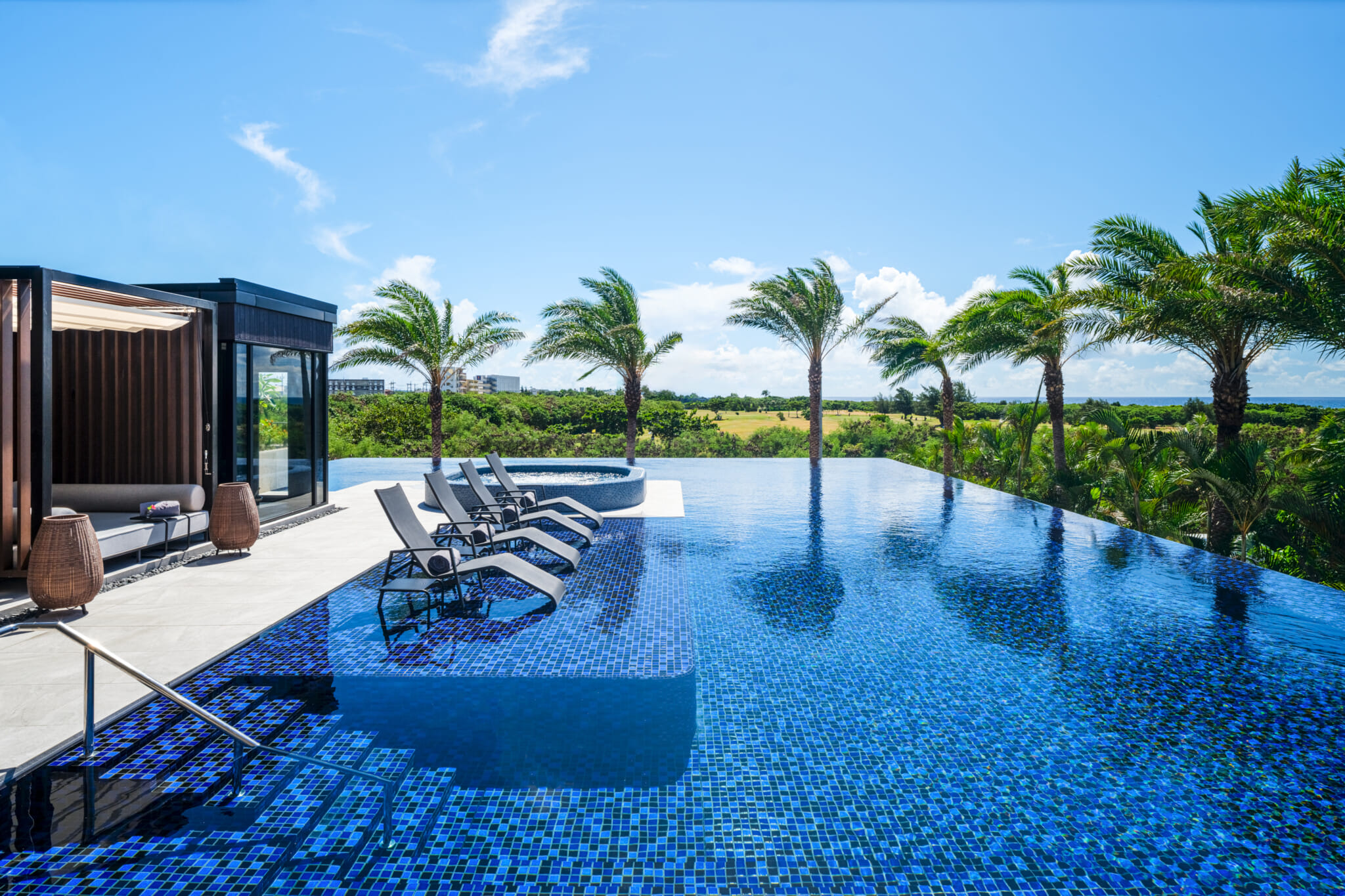
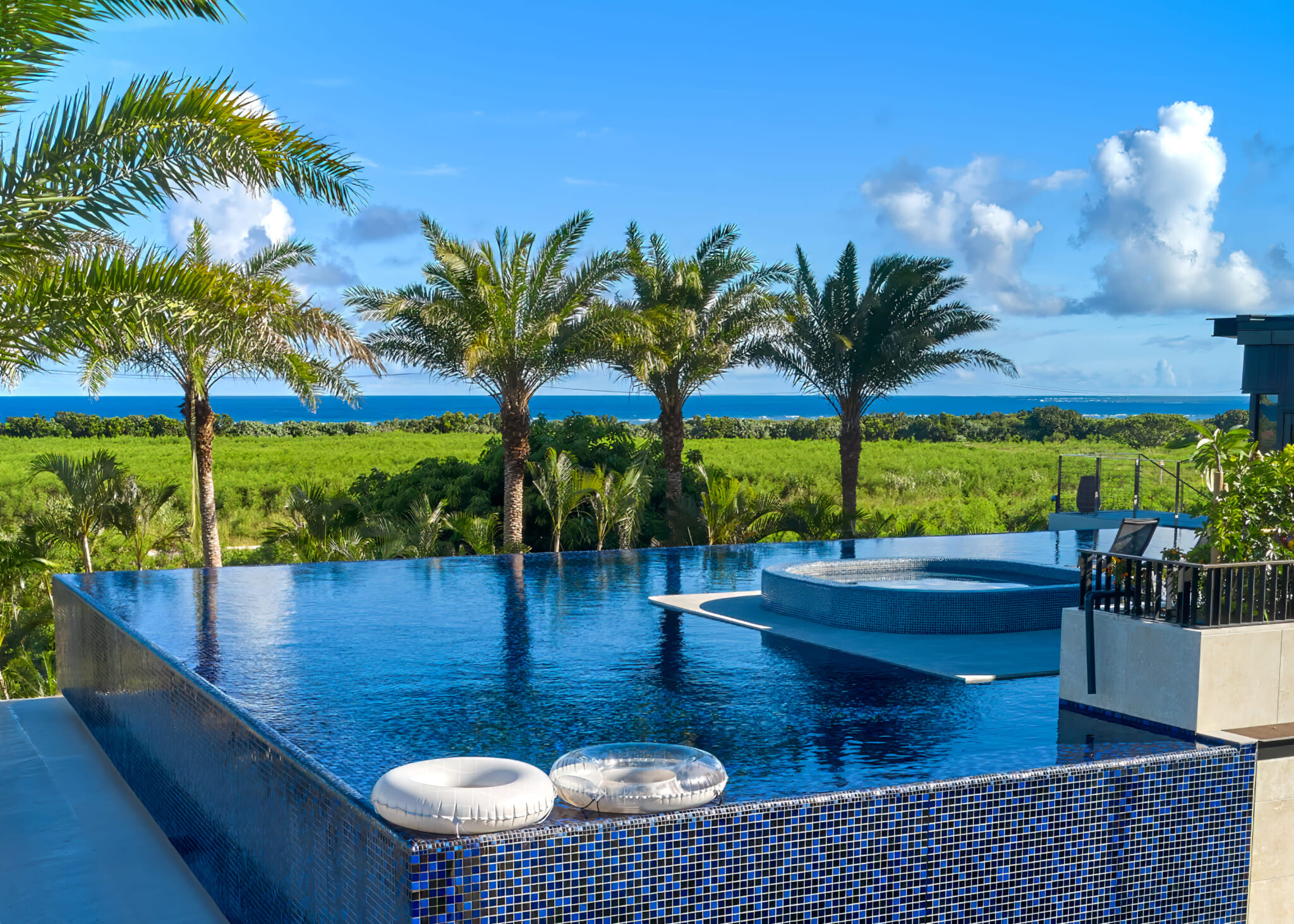
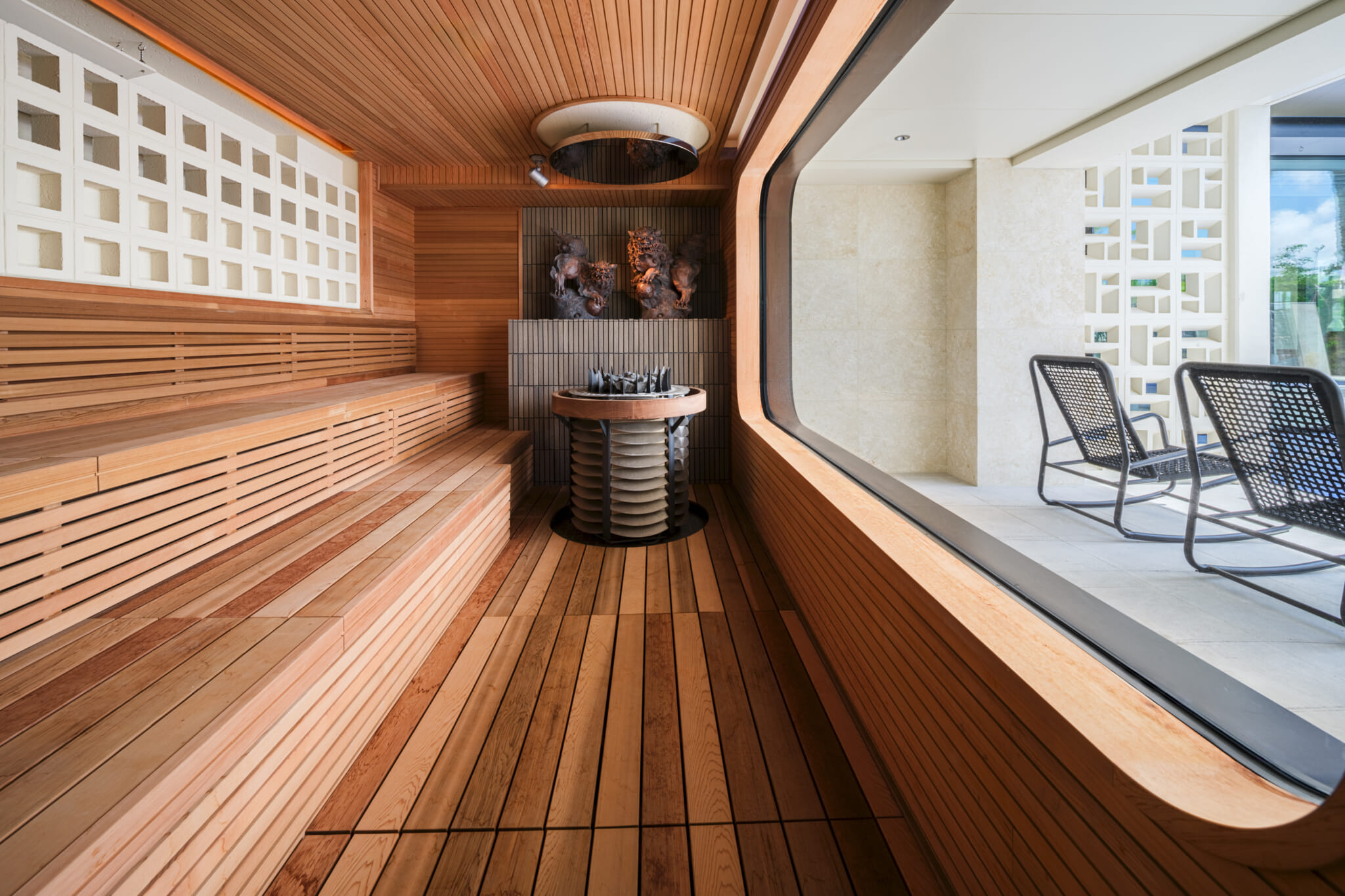
The hotel’s amenities are equally ambitious. The ground floor features a family pool accented by waterfalls and a fire-pit conversation area, while the rooftop infinity pool provides a dramatic stage for sunset cocktails. For wellness enthusiasts, the authentic Finnish sauna—adorned with traditional Okinawan shisa statues—offers a unique fusion of global spa culture and local heritage.
Gastronomy as Social Currency
As night falls, the hotel transitions into a hub of nightlife. The restaurant Batida serves a unique “Latin Italian” menu—a vibrant, herb-forward fusion of Spanish tapas, Mexican spice, and Italian comfort. The experience culminates in Bar Red, a moody, neon-drenched basement lounge that feels like a secret hideaway, featuring a collection of over 200 gin varieties and private karaoke rooms.
Edit x Seven Setouchi Shodoshima: The Power of Place
If Seven x Seven is about social energy, Edit x Seven Setouchi Shodoshima is a testament to the power of location. Situated on the second-largest island in the Seto Inland Sea, this property is the first large-scale hotel to grace the island in over 30 years.
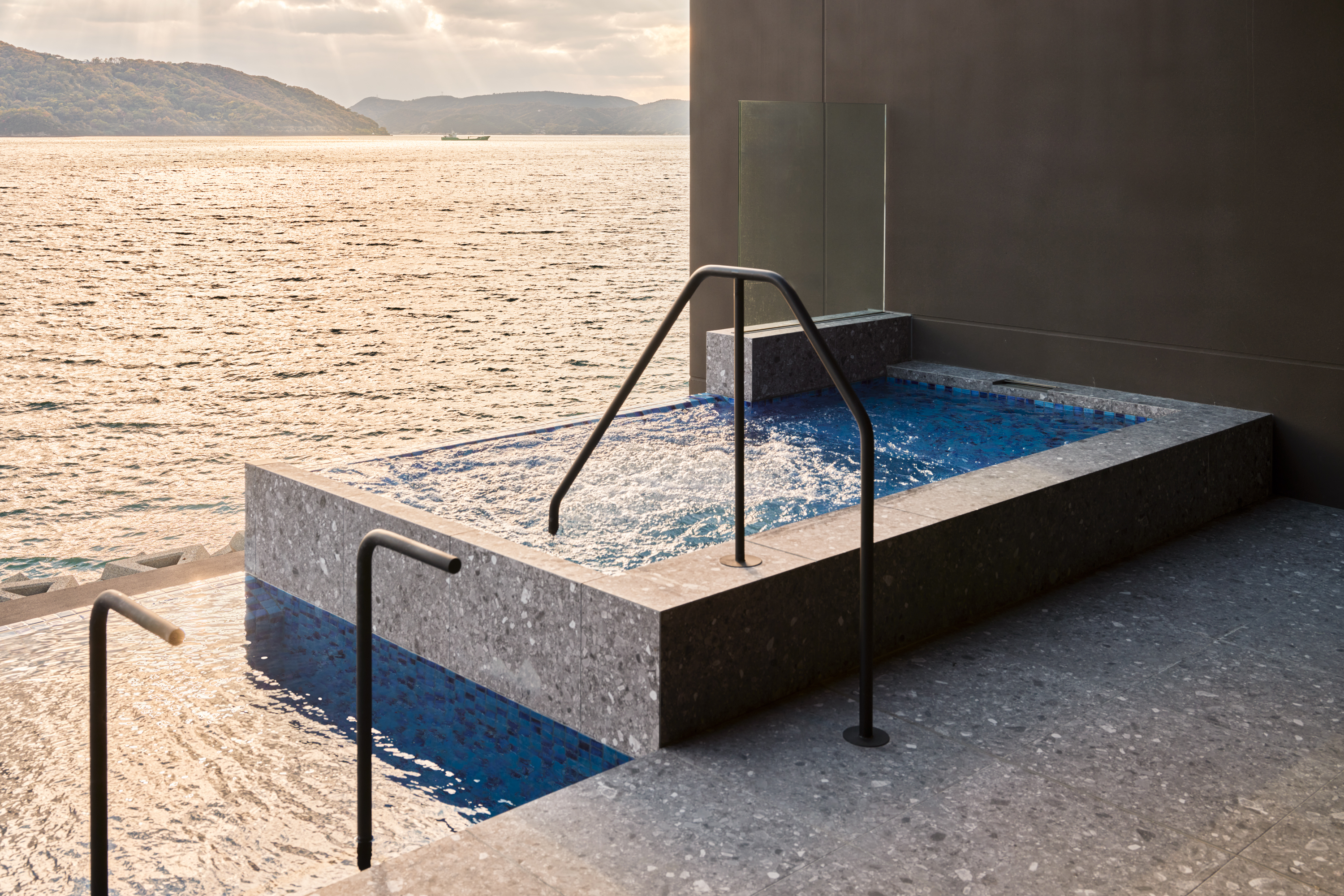
“Edit x Seven is a more focused, intentional stay,” Miskin explains. “The design is cleaner, the programming is simplified, and the environment is designed to enhance the landscape rather than compete with it.”
The 45 rooms are defined by their proximity to the sea, with the penthouse suite featuring floor-to-ceiling windows that turn the ocean view into a living, changing art piece. For those seeking a deeper connection to nature, the Garden Suite offers a lush, private outdoor space with its own plunge pool.
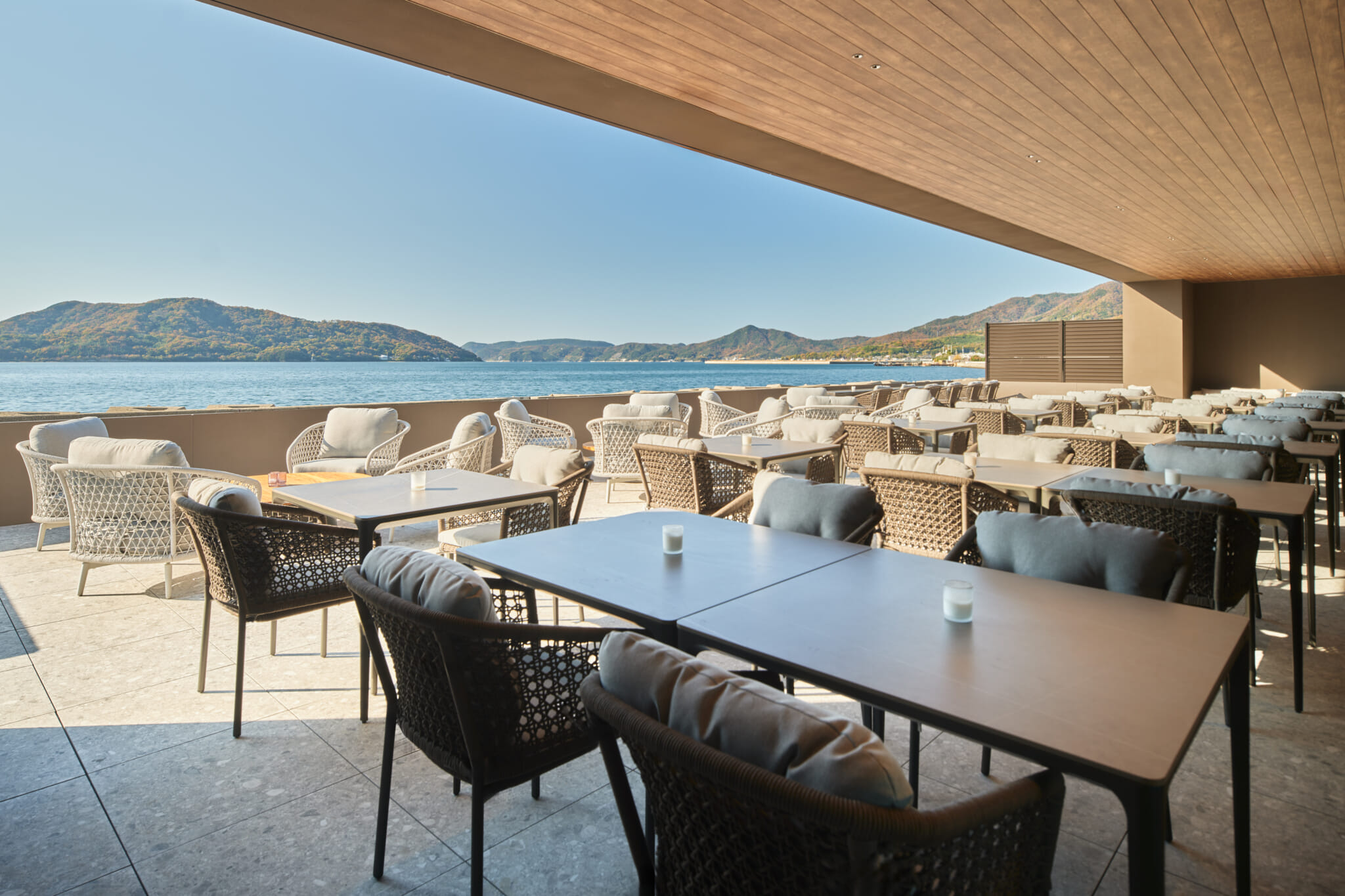
The Thermal Spa Experience
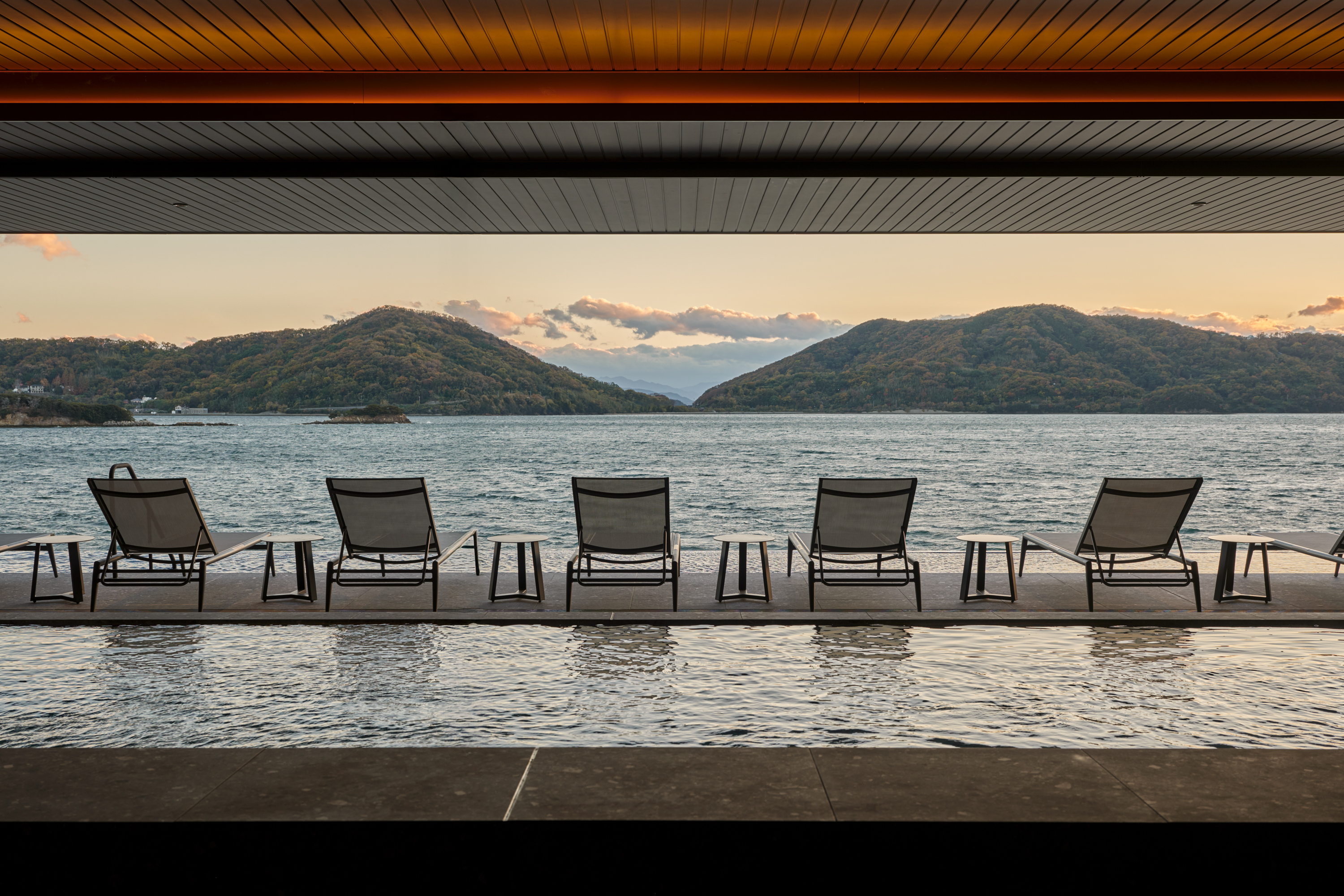
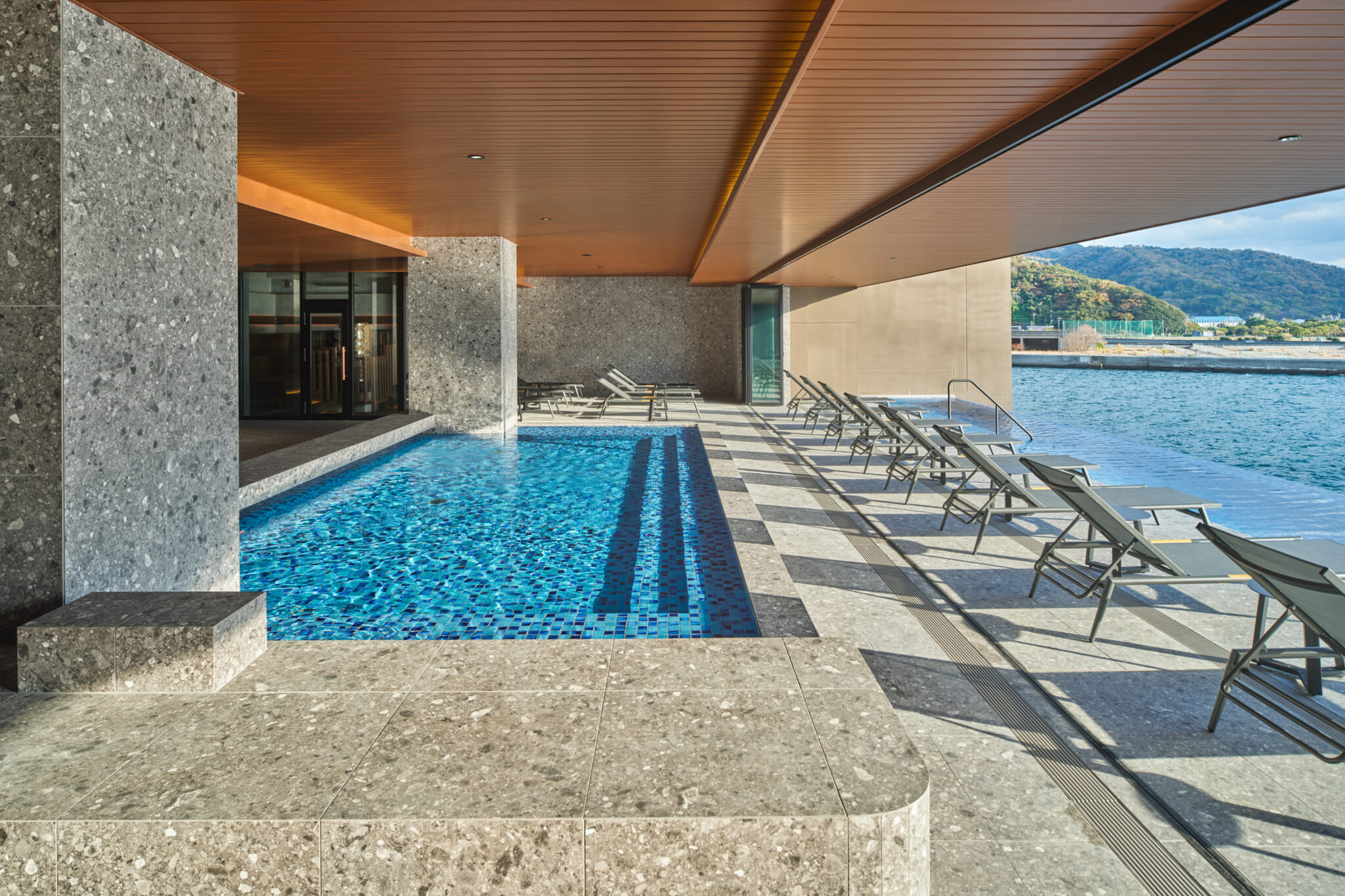
The property’s crown jewel is Edén Setouchi, the first full-scale thermal spa on the island. The facility features an infinity pool that appears to dissolve into the Seto Inland Sea, alongside a large Finnish-style sauna with an automatic löyly system. The entire spa is designed for "understated tranquility," allowing the rhythmic motion of the sea to act as the primary backdrop for relaxation.
Hotel Fork & Knife: A Meditation on Culinary Culture
The final piece of the FHG puzzle is Hotel Fork & Knife Miyajima. Here, the brand’s focus shifts from pure landscape or social energy to a deep dive into local heritage. Located across from the iconic Itsukushima Shrine, the hotel acts as a cultural anchor.
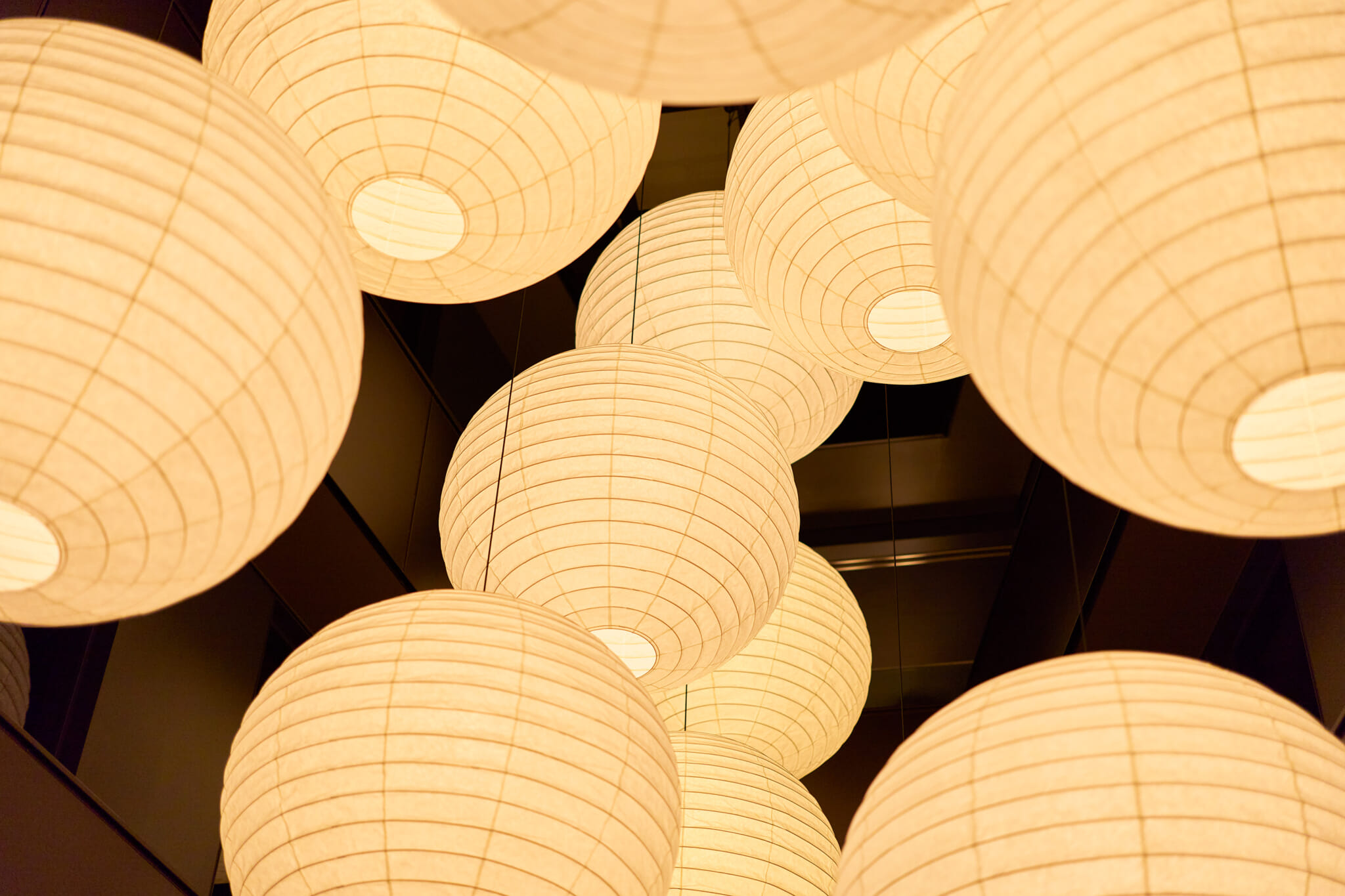
The design pays homage to Hiroshima’s craft history, most notably through the use of large, glowing Hiroshima lanterns that transform the lobby into a warm, atmospheric space. However, the true soul of the hotel is its culinary program.
The Art of the Table
The 11-course tasting menu, overseen by former Abysse sous chef Ryo Ishihama, is a masterclass in regional storytelling. Using wood-fire cooking techniques, the kitchen highlights the diversity of Hiroshima’s produce, moving from mountain-grown vegetables to the bounty of the Seto Inland Sea.
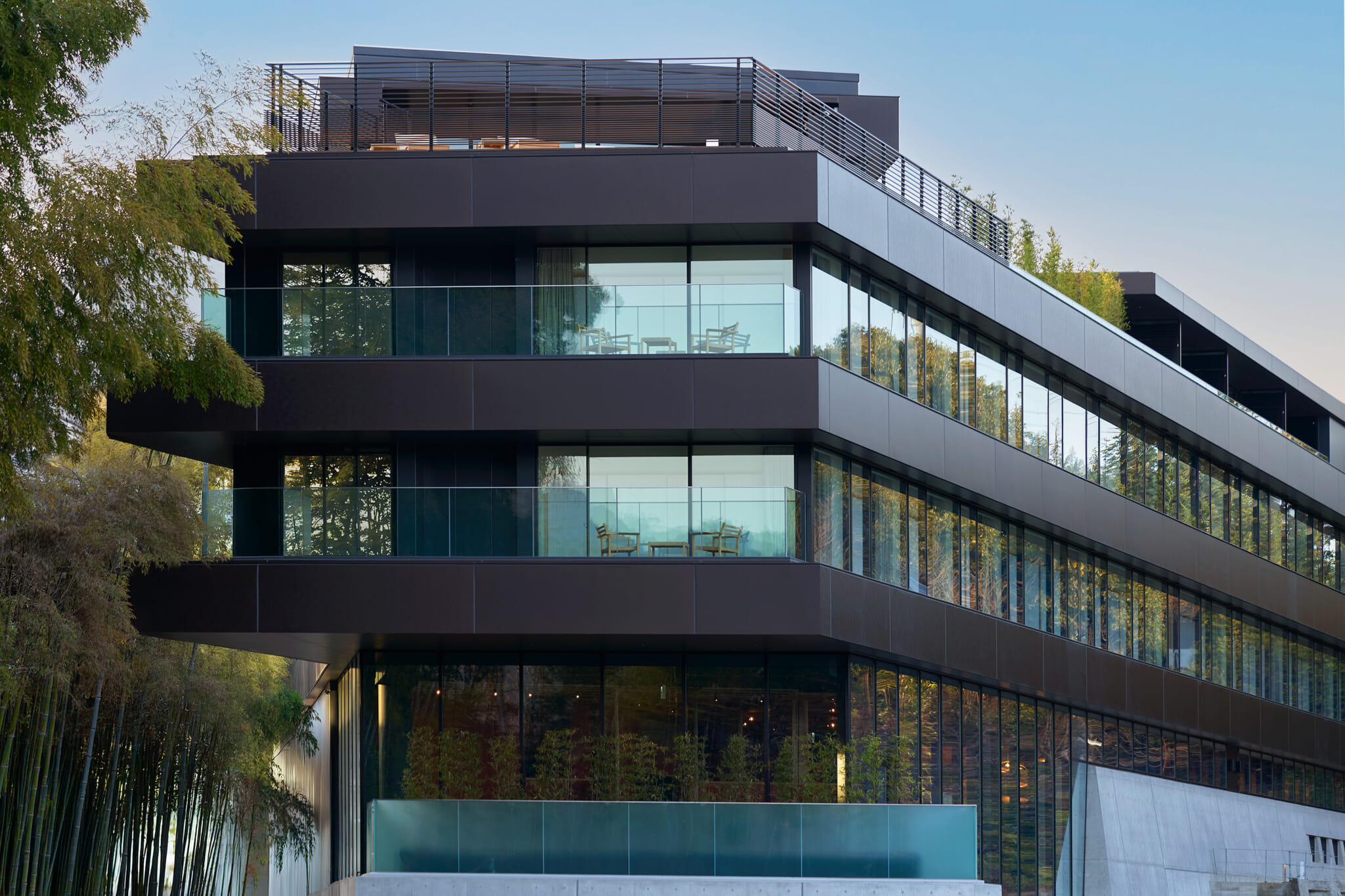
“Fork & Knife is rooted in culture,” Miskin says. “It’s about understanding a place through its flavors and its traditions.” The rooms, featuring koagari-style tatami seating and private hot spring baths, mirror this sentiment, offering a peaceful, tactile environment that honors Japanese design traditions while maintaining modern, understated luxury.
Implications for the Future of Hospitality
The rise of FHG Hotels signals a broader evolution in consumer demand. As the world becomes more digitized and complex, travelers are seeking experiences that are less about "being served" and more about "being enabled."
By removing the traditional barriers between the guest and the hotel—the rigid check-in times, the intrusive staff, the over-managed amenities—FHG is betting on a future where the traveler is a co-creator of their own experience. With 21 properties already in operation and a clear, modular brand strategy, FHG is proving that the most luxurious thing a hotel can offer is not a service, but the agency to define one’s own sense of home, no matter where in Japan that home may be.











