

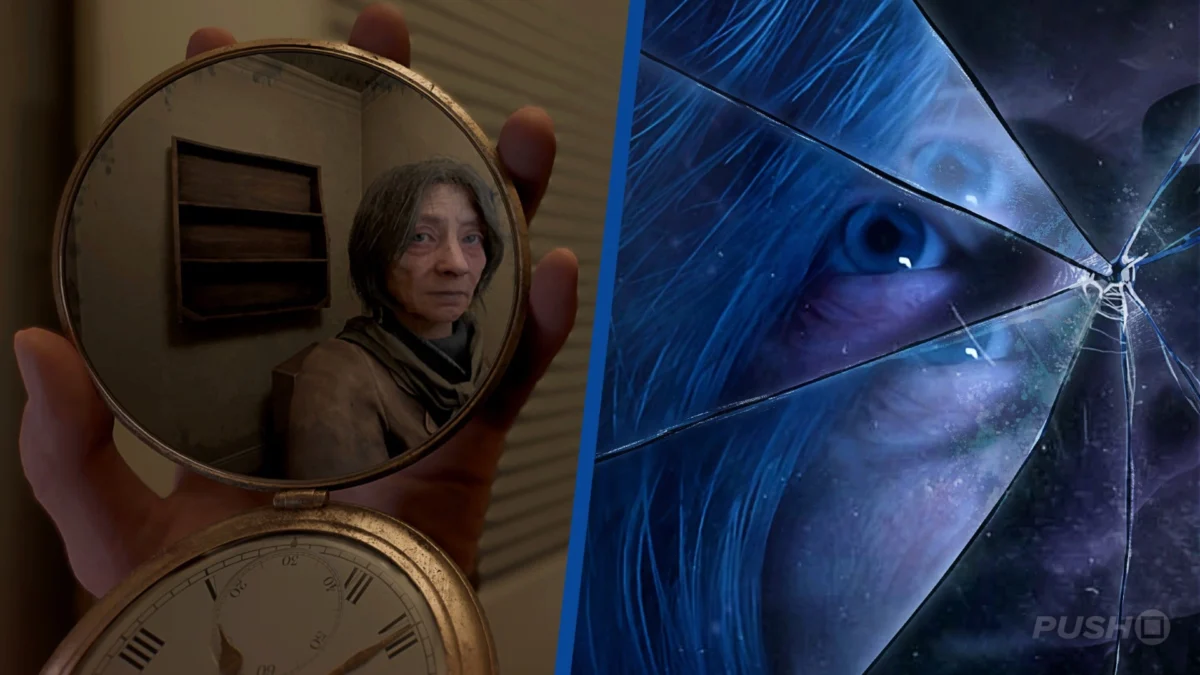
A chilling new indie horror title, Perceptum, is set to haunt PlayStation 5 consoles in 2027. Developed by the nascent studio Duck Reaction, this game promises an intensely atmospheric and psychologically driven experience, focusing on the unsettling power of the unseen and the lingering dread of unsolved mysteries. While the sheer volume of indie horror releases can often lead to oversaturation, Perceptum’s unique premise and intriguing mechanics have managed to cut through the noise, capturing the attention of both seasoned horror enthusiasts and curious newcomers alike. This article will explore the core tenets of Perceptum, its anticipated release window, the innovative gameplay elements that set it apart, and the potential implications for the burgeoning indie horror scene on the PS5.
The Premise: A Medium’s Descent into a Vanished Family’s Nightmare
At its heart, Perceptum casts players in the role of a Medium, tasked with unraveling the enigma of a missing family within the confines of a desolate, empty house. This is not a case for the authorities; the police have long since abandoned their investigation, leaving the spectral remnants of the tragedy to fester in the silence. The game’s central conceit revolves around the player’s ability to perceive and interact with the supernatural, using a seemingly innocuous pocket mirror as their primary tool for uncovering hidden truths and confronting spectral entities.
The developers at Duck Reaction have explicitly stated that Perceptum is designed to tap into a primal human fear: "Ever get the feeling you’re being watched?" This pervasive sense of unease, the prickling sensation of an unseen presence, forms the bedrock of the game’s psychological horror. The empty house, a classic trope in the genre, is transformed into a canvas for the lingering sorrow and terror of the vanished family, their stories etched into the very fabric of the environment.
Gameplay Mechanics: The Mirror, the Darkness, and the Fragile Psyche
Perceptum distinguishes itself through a deliberate absence of combat. There are no weapons to wield, no means of direct confrontation against the horrors that lurk within the house. Instead, survival and progression hinge entirely on the player’s ability to perceive, deduce, and endure. The pocket mirror is not merely an item; it is the player’s lifeline and their primary instrument of investigation. This seemingly simple object possesses the extraordinary ability to reveal "hidden traces" – spectral echoes, residual emotions, and apparitions that remain invisible to the naked eye. It acts as a window into the unseen world, allowing the player to piece together the narrative and understand the events that transpired.
Adding another layer of unique risk-reward to the gameplay is an intriguing mechanic involving the player’s own perception. It appears that players will have the ability to deliberately close their eyes within the game. This action, while seemingly counterintuitive in a horror experience, is presented as a crucial element for navigating the spectral landscape. Closing one’s eyes might reveal the path forward, shedding light on hidden passages or objectives that are otherwise obscured. However, this act of sensory deprivation comes at a significant cost: it renders the player completely vulnerable, defenseless against any unseen threats that might be closing in. This mechanic taps into the vulnerability of the player’s own senses, blurring the lines between what is perceived and what is truly real, and creating moments of intense tension where the player must weigh the need for information against their own safety.
The overarching design philosophy of Perceptum, as articulated by Duck Reaction, is to cultivate a persistent state of "discomfort, uncertainty, and the feeling that something is always just out of sight." This suggests a game that prioritizes atmospheric dread and psychological manipulation over jump scares, aiming to burrow into the player’s subconscious and leave a lasting impression. The expected playtime of around three hours further reinforces this notion of a focused, impactful narrative experience, designed to be savored and contemplated rather than rushed through.
Chronology of Anticipation: From Announcement to Release
While the specific announcement date of Perceptum has not been detailed in the provided information, its reveal as a 2027 PS5 exclusive positions it as a title for players to anticipate in the latter half of the current console generation’s lifecycle. The mention of a PC playtest, accessible by requesting access on Steam, indicates that the development team is actively seeking feedback and iterating on the game’s mechanics and performance. This early access to a playable build, even in its testing phase, provides valuable insight into the game’s current trajectory and allows eager players to experience a nascent version of the horror.

The comparison to Silent Hill: Townfall, slated for release later this year, is telling. It suggests that Perceptum is being positioned as a game that will appeal to fans of narrative-driven, psychologically rich horror experiences that eschew traditional action-oriented gameplay. The anticipation for Townfall itself highlights a renewed appetite for more introspective and atmospheric horror titles within the gaming community, a void that Perceptum appears poised to fill.
Supporting Data and Developer Insights
Duck Reaction, though a nascent studio, seems to be making a bold statement with Perceptum. Their explicit focus on creating a specific emotional response in players – discomfort, uncertainty, and the feeling of being watched – is a testament to their understanding of what makes psychological horror effective. The emphasis on a short, impactful runtime suggests a curated experience, where every moment is designed to contribute to the overall atmosphere and narrative. This approach is increasingly valued by players seeking more focused and story-driven games, a departure from the often sprawling and time-consuming open-world titles.
The use of the pocket mirror as the primary interactive tool is a significant design choice. It elegantly ties into the theme of perception and the supernatural, offering a unique gameplay loop that relies on observation and deduction rather than brute force. The "closing eyes" mechanic, if implemented effectively, could be a truly groundbreaking addition to the genre, forcing players into moments of profound vulnerability and demanding a keen understanding of risk versus reward.
Official Responses and Community Engagement
While direct official statements from Duck Reaction regarding Perceptum beyond the initial reveal are not detailed in the provided text, the existence of a PC playtest serves as a strong form of community engagement. By inviting players to test the game and provide feedback, the developers are demonstrating a commitment to refining their vision and ensuring that Perceptum resonates with its intended audience. This open approach to development can foster a sense of investment and anticipation within the player base.
The call to action at the end of the article – "Do you like the look of Perceptum? Let us know in the comments below" – is a standard journalistic practice aimed at stimulating discussion and gauging public sentiment. It highlights the interactive nature of gaming journalism and the importance of player feedback in shaping the discourse around upcoming titles.
Implications for the Indie Horror Landscape
Perceptum’s arrival on the PS5 in 2027, with its unique premise and innovative mechanics, carries significant implications for the broader indie horror landscape.
- A Resurgence of Psychological Horror: The game’s focus on atmosphere, dread, and psychological manipulation, rather than gore or jump scares, signals a potential resurgence in the popularity of purely psychological horror. This could encourage other indie developers to explore similar themes and mechanics, leading to a richer and more diverse horror genre on the platform.
- Innovative Gameplay Mechanics: The pocket mirror and the "closing eyes" mechanic are not just gimmicks; they represent a thoughtful approach to player interaction that prioritizes vulnerability and perception. If successful, these mechanics could inspire new design paradigms within horror games, moving beyond established tropes.
- The Power of Focused Experiences: The relatively short playtime of Perceptum suggests a growing appreciation for concise, impactful narratives. This could empower indie developers to focus on delivering a polished and memorable experience within a more manageable scope, catering to players who may not have the time or inclination for lengthy, open-world adventures.
- PS5 as a Platform for Indie Innovation: The choice of the PS5 as the exclusive platform for Perceptum underscores the console’s growing appeal to indie developers seeking to push creative boundaries. The platform’s capabilities, coupled with its established player base, provide a fertile ground for unique and experimental titles to flourish.
- The Long Game of Anticipation: A 2027 release date, while distant, allows for significant buildup and marketing. It gives Duck Reaction ample time to refine their game and generate considerable hype, potentially establishing Perceptum as a highly anticipated title for the latter half of the decade. This strategic timing can be crucial for indie studios looking to make a significant impact.
In conclusion, Perceptum is shaping up to be a compelling and potentially groundbreaking entry into the PS5’s horror library. Its commitment to atmospheric dread, its innovative use of player perception as a core mechanic, and its focus on a focused, narrative-driven experience position it as a title to watch. As the gaming world gears up for 2027, the chilling promise of Perceptum offers a tantalizing glimpse into the future of psychologically driven horror, and a testament to the enduring creativity within the indie development scene. The journey into this empty house, guided by a pocket mirror and the unsettling feeling of being watched, is one that many players will likely embrace with a mixture of trepidation and eager anticipation.











No comments yet. Be the first to join the conversation!