
 Sagoh
Sagoh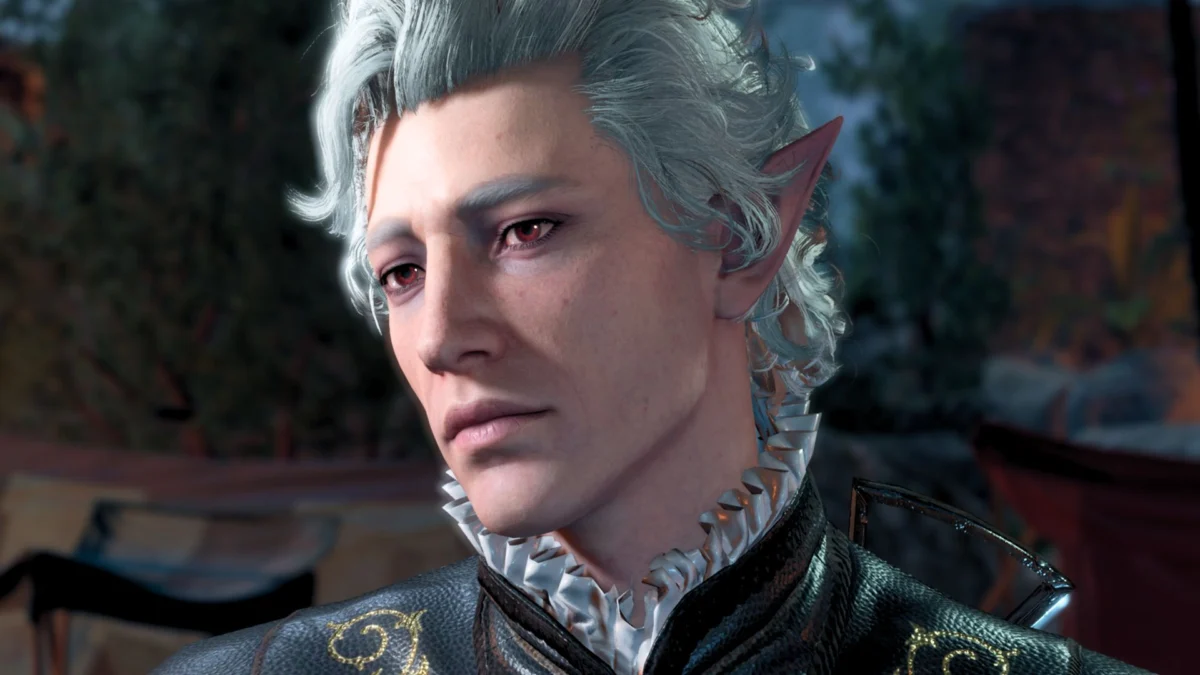
By Jen Glennon
Published Jun 28, 2026, 5:00 PM EDT
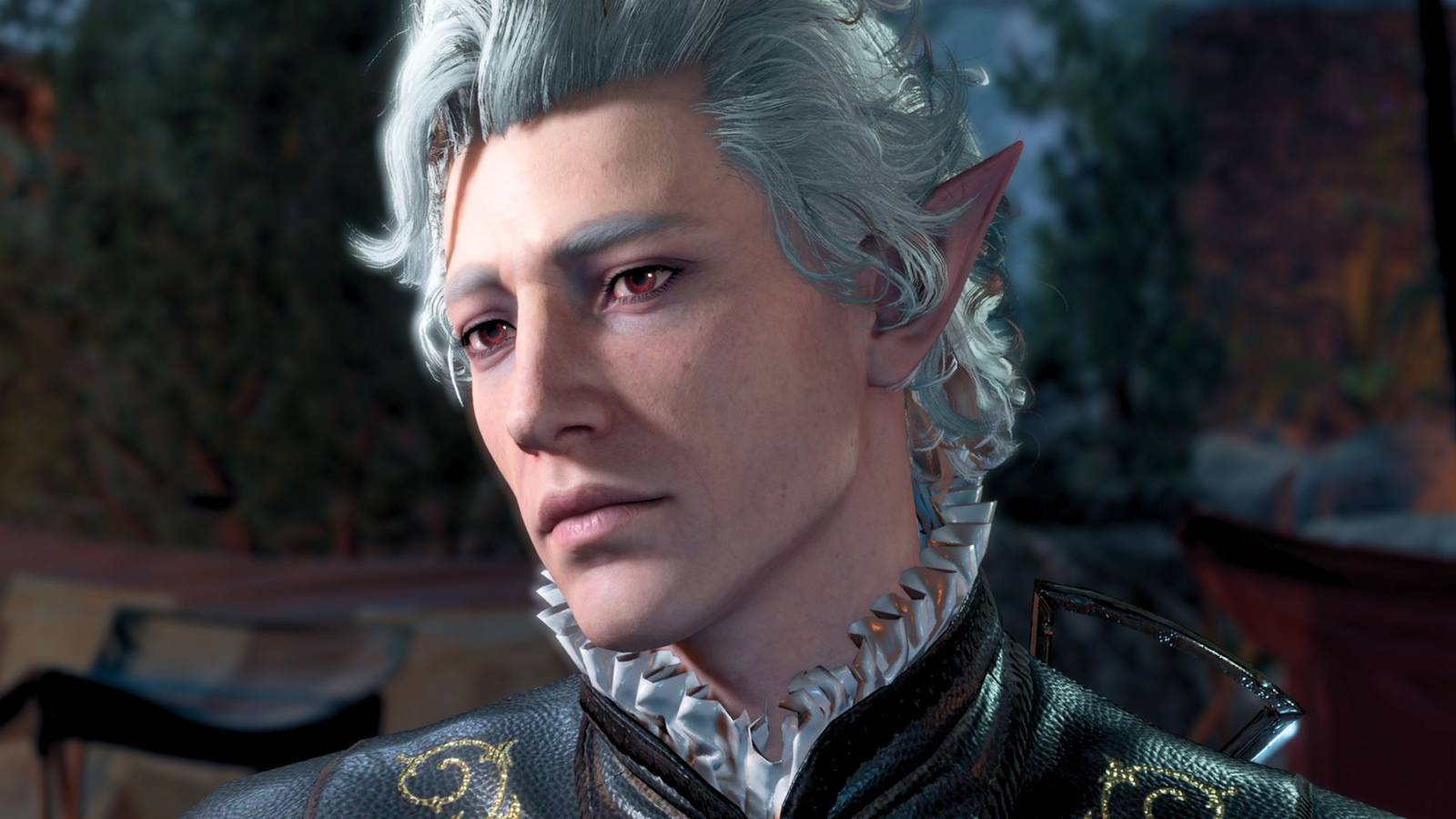
(Image: Larian Studios – Astarion, the high-elf vampire in Baldur’s Gate 3, shows off his chin and jawline)
Role-playing games (RPGs) have long been defined by their expansive worlds and grand narratives, inviting players to embark on epic quests to save kingdoms, defeat ancient evils, or uncover forgotten histories. Yet, for every world-altering main objective, there exists a myriad of side quests—optional detours that can range from trivial fetch quests to deeply impactful narrative threads. The distinction between "filler" and "essential" side content often dictates the player’s overall immersion and satisfaction. While the gaming landscape is replete with examples of the former, a select few titles elevate their optional activities to a level of importance that rivals, and sometimes even surpasses, their primary storylines.
This article delves into eight RPGs that masterfully craft side quests, transforming what might otherwise be considered mere diversions into integral components of their respective worlds and narratives. From the haunting post-apocalyptic reunions of Final Fantasy 6 to the intricate political machinations hidden within a simple frying pan quest in The Witcher 3, these games demonstrate a profound understanding of how secondary objectives can enrich character development, deepen lore, offer unique gameplay mechanics, and ultimately, shape the player’s perception of their heroic journey. They challenge the notion that "optional" equates to "unimportant," proving that sometimes, the most memorable adventures lie just off the main road.
The Art of the Detour: When Side Quests Forge Deeper Connections
Not all RPG side quests are created equal. For every captivating detour that nets you a spiffy new weapon or reveals an intriguing detail about the story, there are a dozen tedious slogs requiring you to kill five slimes or gather some herbs on a dangerous mountain. But a fascinating little side story can help make an epic adventure feel all the more meaningful — and provide a welcome diversion from the daunting task of saving the world. It’s all but impossible to find an RPG that contains no “filler” whatsoever — everyone’s appetite for fetch quests and fighting colosseum minigames will vary. But the following eight games include outstanding side quests that are well worth your time, with memorable storytelling, missable secrets, and unique gameplay mechanics, demonstrating how thoughtfully designed optional content can elevate an entire experience.
A Chronology of Compelling Complications
The evolution of the RPG genre has seen a significant shift in how side content is integrated and perceived. Early titles often used side quests as simple experience generators or item acquisition opportunities. However, as game design matured, developers began to recognize the potential for these optional narratives to contribute meaningfully to the overarching themes and character arcs. The games highlighted here represent milestones in this evolution, showcasing diverse approaches to making every detour feel significant.
1. Final Fantasy 6: Rebuilding a Shattered World
(Image: Square Enix – Final Fantasy 6 world of ruin)
Final Fantasy 6, originally released in 1994, stands as a testament to narrative depth, particularly in its second act. After an apocalyptic battle that leaves the world scarred and your party members scattered, the game transitions into the "World of Ruin." While it’s technically possible – though immensely challenging – to confront the final boss with a minimal party of just three out of 14 potential allies, players are strongly incentivized to embark on a series of “optional” quests to reunite their comrades. These quests are where FF6 truly shines, offering profound insights into each character’s individual struggles and adaptations in a dramatically altered world.

These reunion quests are far from mere fetch-and-return missions. Instead, they delve into the psychological toll of the apocalypse, showcasing how different personalities cope with despair and loss. Some characters, like Cyan, grapple with their past traumas, while others, like Locke, pursue deeply personal objectives tied to their loved ones. Gau, the feral child, undergoes a poignant journey of reintegration into human society. Even seemingly minor characters reveal surprising depth, with one even joining a bizarre cult, reflecting the varied and often strange ways people seek meaning after global catastrophe. This deep dive into the emotional landscape of its sprawling cast transforms what could have been a simple roster refill into an emotionally resonant chronicle of resilience and hope, making each reunion feel earned and essential to the game’s emotional core and thematic resolution. Players often cite these post-apocalyptic character arcs as some of the most memorable elements of the game, highlighting Square Enix’s early mastery of weaving personal stories into a grand epic.
2. The Witcher 3: Wild Hunt: Tales from the Continent
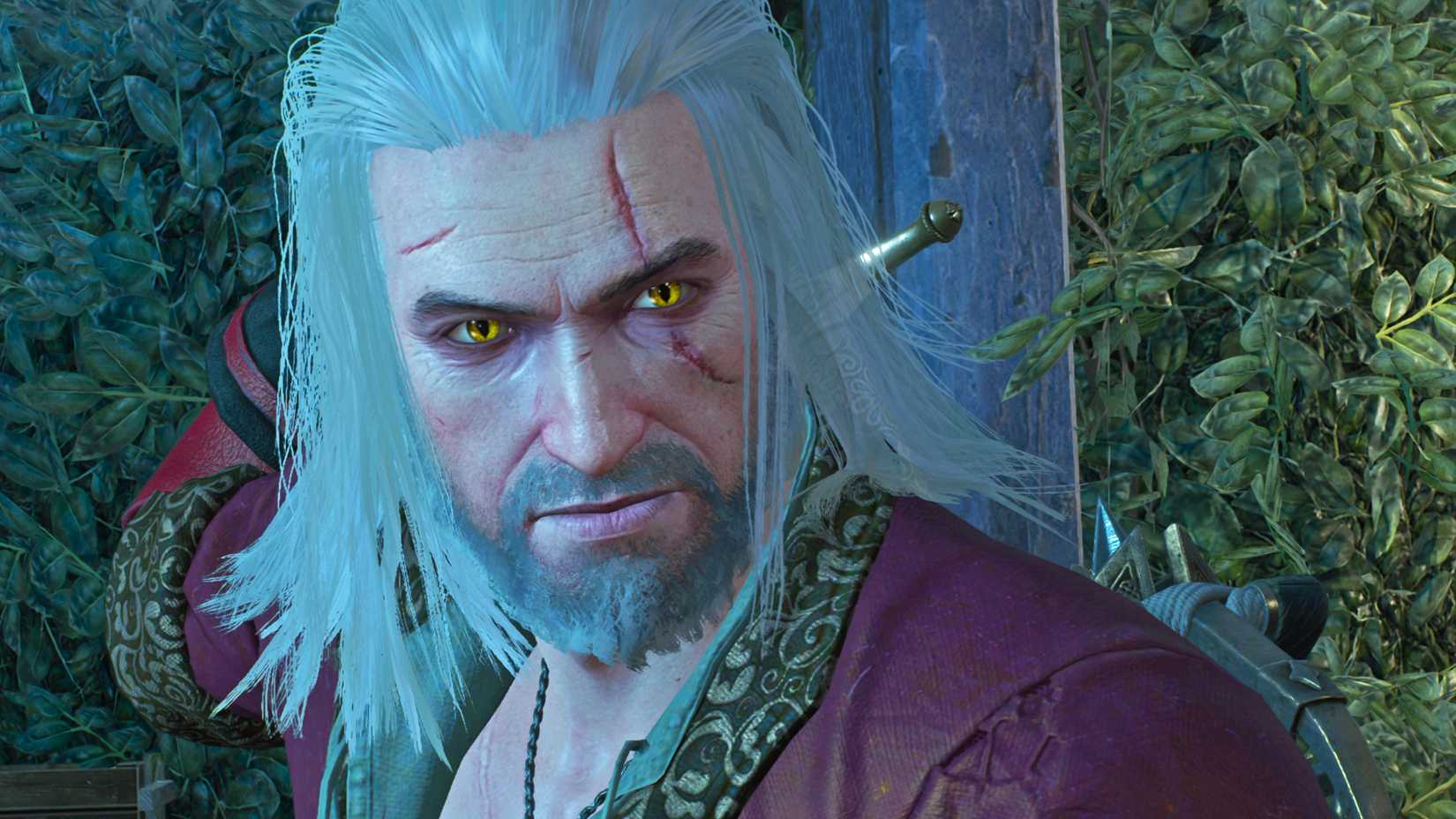
(Image: CD Projekt Red via Polygon – A close up picture of Geralt in The Witcher 3’s Blood and Wine expansion.)
It’s no secret that CD Projekt Red created one of the best RPGs of all time in The Witcher 3: Wild Hunt, and a big part of the game’s success is just how much there is to do outside the main story. From assisting talking horses to treasure hunting, the optional activities you can get up to as Geralt range from silly errands to unforgettable adventures in their own right. Even the in-universe card game, Gwent, has its own dedicated open-world quest line, a testament to the developers’ commitment to enriching every corner of their world.
What truly sets The Witcher 3‘s side quests apart is their unparalleled narrative quality and interconnectedness. The simplest tasks can give way to a narrative goldmine, as exemplified by an early-game quest where Geralt retrieves an old woman’s frying pan. What seems like a trivial chore later reveals itself to be a component of a clandestine spy operation, with the black soot used for secret correspondence. This deep worldbuilding, where even seemingly mundane items hold hidden stories, has kept people fascinated by The Witcher 3 more than a decade after its initial release date. Critics widely lauded the game for setting a new standard for open-world quest design, praising how choices made in side quests could ripple through the main narrative, affecting character fates and political landscapes. CDPR’s ongoing commitment is evident in their planning of an all-new story expansion for the game, Songs of the Past, due out in 2027, underscoring the enduring appeal and depth of its side content. The continuous engagement with The Witcher 3‘s world, even years after its launch, is a powerful indicator of how impactful its "optional" stories truly are.
3. Chrono Trigger: Mastering the Sands of Time
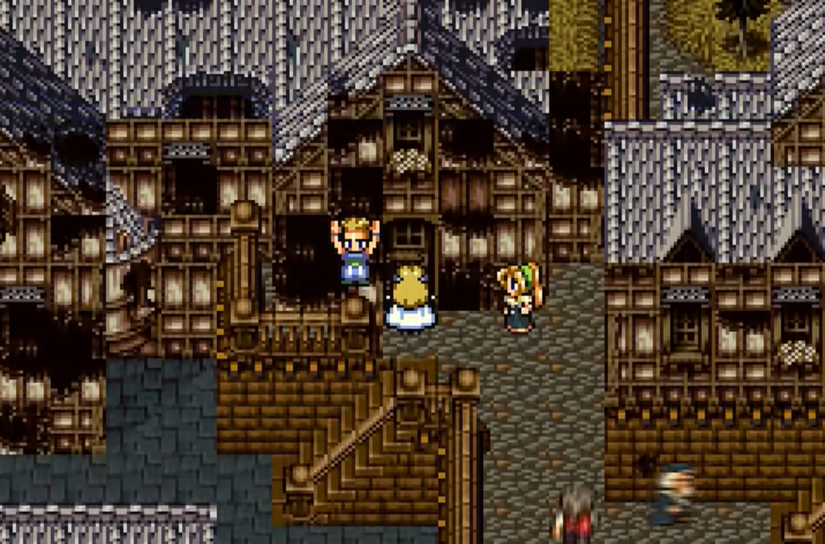
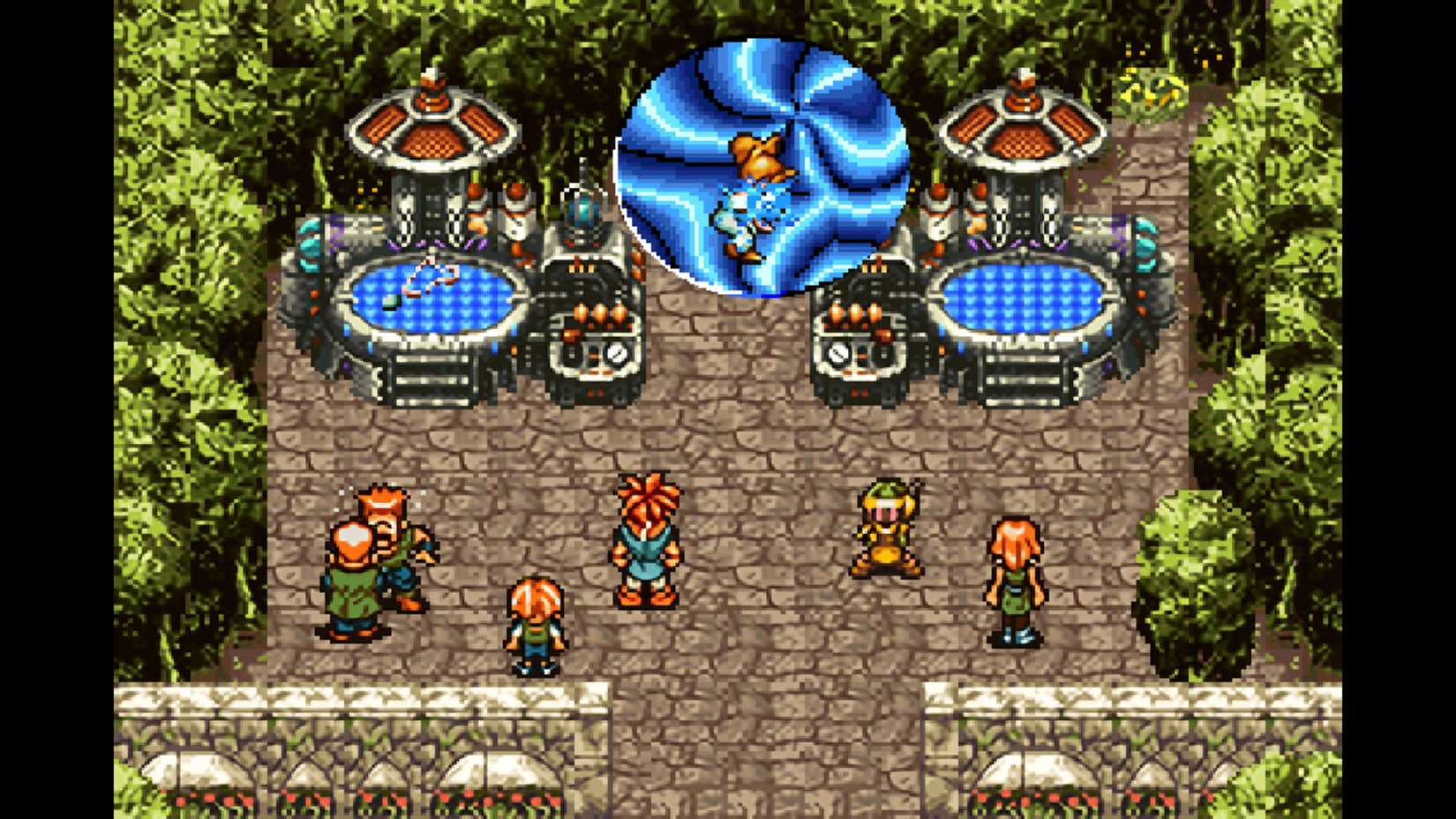
(Image: Square Enix – This is definitely a thing I remember happening in Chrono Trigger. But I couldn’t tell you who, what, where or why.)
This 1995 SNES game perfected the time-travel video game and introduced the world to the concept of New Game Plus, offering unparalleled replayability. Chrono Trigger also boasts an impressive 13 unique endings, each contingent on the time period from which you challenge the final boss and the composition of your party. Some of these endings are tragic, some are comedic, and one represents the true, most satisfying conclusion to the tale. But in order to achieve the "best" ending, players are required to complete a series of lengthy and challenging optional tasks that span across different historical eras.
These quests are not merely diversions; they are integral to fully understanding the game’s ambitious narrative and its diverse cast. A prime example is the quest involving Robo, the mechanical party member, who can be tasked with spending four centuries transforming a barren desert into a lush forest. This epic undertaking not only demonstrates Robo’s profound impact on the future but also provides a powerful commentary on environmental stewardship and the long-term consequences of action. Like in FF6, it’s in these later, “optional” phases of Chrono Trigger that players truly get to know and love the cast of characters beyond their initial RPG tropes. By investing in these side quests, players unlock deeper layers of character motivation, world lore, and ultimately, a more complete and hopeful resolution to the grand narrative, solidifying their essential nature in the game’s overall design. The seamless integration of these time-spanning quests ensures that players feel a tangible impact on the world, making the journey as rewarding as the destination.
4. Baldur’s Gate 3: The Intricacies of Choice and Consequence
(Image: Larian Studios – A screen capture shows a moment from the Baldur’s Gate 3 scene where Halsin the druid approaches, in bear form, to participate in sex.)
Larian Studios’ 2023 Game of the Year darling, Baldur’s Gate 3, is a vast and expansive experience, with enough permutations of its central story to merit countless playthroughs. While players are limited to three companions in their active party, all ten recruitable characters can be swapped at camp, encouraging exploration of their individual narratives. The side quests for each companion are deep, nuanced, and often directly tied to their personal arcs, backstories, and future fates. Spending more time with each of them not only creates a richer, more personalized game but also yields a bounty of experience and valuable loot, making these "optional" bonds feel undeniably crucial.
Throughout Baldur’s Gate 3‘s three-act adventure, players will also stumble upon a massive number of totally optional experiences, some involving creepy dismembered clowns and others involving literal deals with devils. Many of these quests will trigger – or not – depending on the choices made in the early hours of the game, emphasizing the game’s commitment to player agency and emergent storytelling. This means that Baldur’s Gate 3 is a journey meant to be savored slowly and deliberately, rather than blitzed through at a breakneck pace. The critical acclaim for Baldur’s Gate 3 heavily emphasizes its unparalleled freedom and the meaningful consequences of player decisions, particularly within its side content. Larian Studios’ philosophy of "player choice above all" shines brightest in how these side quests allow players to shape the narrative in truly unique and personal ways, contributing significantly to its reputation as a genre-defining title.
5. Yakuza 0: The Underworld’s Unexpected Charms
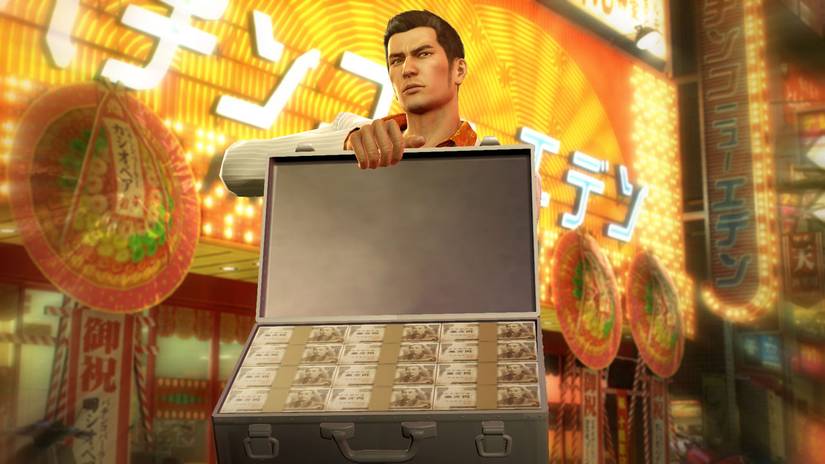
(Image: Sega – Yakuza 0 – Kiryu holding an open briefcase full of cash)
Okay, fine. This one’s a bit of a cheat. The Yakuza series is notorious for its bounty of entirely superfluous minigames, many of which do not feel essential whatsoever. In any Yakuza game, there’s usually darts, karaoke, shogi, mahjong, bowling, and the chance to play Sega arcade classics like Virtua Fighter and Out Run. And that’s not to mention the weirder one-offs, like photographing gyrating Honolulu hunks in speedos, working as the citrus-headed mascot of Onomichi, or chatting with babes at the phone-sex club. However, when Sega’s Ryu Ga Gotoku Studio commits to the bit and dives deep on a plot-driven minigame, magic is often the result.
That’s precisely the case with both of Yakuza 0‘s marquee minigames, which evolve into sprawling, character-defining side quests. In Cabaret Club Czar, players help Majima take Club Shine to the top of Sotenbori’s nightlife scene by recruiting beautiful and charming hostesses and helping them keep clients happy. What starts as a simple management sim quickly becomes a captivating narrative that reveals Majima’s softer side and his relentless ambition to escape his past. Similarly, in the equally compelling Real Estate Royale, Kiryu rises to the top of Kamurocho’s retail scene, steadily adding to his empire of restaurants, pachinko parlors, and soaplands. This not only earns an exorbitant amount of money for stat upgrades and weapons but also unlocks a new, incredibly powerful fighting style for Kiryu. These "side businesses" are so deeply integrated into the protagonists’ personal arcs and the game’s overarching themes of power, wealth, and honor that they transcend simple minigames, becoming essential experiences that reveal significant character growth and offer substantial gameplay rewards.
6. The Adventures of Elliot: A Lean, Mean Narrative Machine
(Image: Square Enix – 06)
The newest entry of the bunch, The Adventures of Elliot, is a compact, retro-inspired RPG in the vein of Secret of Mana, crafted by Square Enix’s Team Asano. With a concise world map and a 25-hour runtime, it’s a refreshingly lean experience compared to a lot of the open-world bloat that’s become so common in the genre. According to the quest tracker in the main menu, there are 33 total optional quests for Elliot to take on. Admittedly, several are bog-standard “gather an obscure herb” fare, but many of them contain juicy plot details that will help players unlock the game’s true ending sequence.
This focus on quality over quantity in its side content distinguishes The Adventures of Elliot. The game encourages players to be a chipper, gung-ho adventurer – it’s only natural that you’d want to chat with everyone you meet. In doing so, players uncover fragments of lore, personal stories of the world’s inhabitants, and crucial clues that piece together the protagonist’s own mysterious past. These interconnected narratives transform seemingly simple tasks into vital investigative threads, culminating in a more complete understanding of the game’s world and its characters. In an era dominated by sprawling, often diluted open worlds, The Adventures of Elliot stands out by proving that a more focused approach to side quests can deliver a deeply satisfying and impactful narrative experience, where every interaction feels like a meaningful step towards uncovering the game’s ultimate truths.

7. Elden Ring: The Whispers of the Lands Between
(Image: FromSoftware/Bandai Namco via Polygon – Elden Ring guide: Ranni the Witch’s questline walkthrough)
FromSoftware’s 2022 smash hit, Elden Ring, allows players near-complete freedom to explore the Lands Between from its opening moments. The only limitation – and it’s a formidable one – is whether players can survive the treacherous places they dare to venture. Elden Ring’s extremely open-ended gameplay extends to its storytelling as well. On the one hand, if you know what you’re doing, you can blitz straight to the final boss in mere minutes like a practiced speedrunner.
But where the game truly shines is in its non-linear, incidental storytelling, largely conveyed through its side quests. Much of the lore and backstory of the Lands Between is conveyed through item descriptions, environmental design, and enemy placement, rather than long, expository cutscenes. Still, like in most RPGs, players are richly rewarded for talking to people and helping them when they can. The meat of the game’s alternative endings and deepest lore lies in helping characters like Millicent, Ranni the Witch, and the cheerful warrior jar Alexander. These quests are notoriously opaque, without flashing waypoints or explicit quest prompts like other games, demanding player curiosity and exploration. This design philosophy transforms exploration into a form of active storytelling, where piecing together character motivations and world events from scattered clues becomes a quest in itself. The optional nature of these intertwined narratives belies their profound impact on the player’s understanding of the shattered world and their ability to shape its ultimate fate, making them indispensable for anyone seeking to fully grasp the grandeur and tragedy of the Lands Between.
8. Persona 5: The Social Fabric of Rebellion
(Image: Atlus – a-scene-featuring-characters-in-a-school-in-persona-5-royal.jpg)
Atlus’s Persona games are lengthy dungeon crawlers with twisty-turny plots and turn-based combat that rewards careful strategy. But that’s only half the story. The other side of the game is a FOMO-addled social sim, where players must figure out the best way to spend their free time as a seemingly ordinary Tokyo high school student. On any given afternoon, you can work a part-time job, study for midterms at the library, or catch a movie by the train station. But the best use of your time is making friends – known as Confidants – with your classmates and various individuals around town.
Naturally, players will want to make friends with their fellow Phantom Thieves, as a stronger relationship will directly translate to more powerful combat abilities and unique perks in battle. However, the game strongly encourages players to spend time with a broader array of characters, such as your overworked teacher, the neighborhood punk-rock doctor, and an aspiring politician. Not only do these relationships provide a welcome counterpoint to all the teen angst elsewhere in the story, but leveling up these relationships will also provide unique gameplay perks that are incredibly useful in dungeons and combat. In Persona 5 Royal, the expanded and enhanced version of the game, one specific Confidant acts as the gatekeeper to a beefy true ending sequence that players won’t be able to access otherwise. The "social links" or Confidant system in Persona 5 is a masterclass in making side activities feel essential, intertwining personal development with narrative progression and strategic advantage, demonstrating how deeply interpersonal relationships can influence a world-saving quest.
The Enduring Implications of Meaningful Detours
The games discussed above collectively illustrate a powerful trend in RPG design: the recognition that side quests, when crafted with care and intention, can transcend their optional status to become truly essential elements of the player experience. From enhancing character arcs and deepening world lore to influencing major narrative outcomes and unlocking critical gameplay advantages, these "detours" are far from superfluous. They contribute significantly to player immersion, replayability, and the overall emotional resonance of the journey.
This journalistic survey highlights several key implications for the future of RPG development. Firstly, quality trumps quantity. Players are increasingly weary of generic fetch quests that inflate game length without adding substance. Instead, they crave narratives that feel meaningful, even if they aren’t directly tied to the main plot. Secondly, integration is paramount. The best side quests are not isolated incidents but rather threads woven into the fabric of the game world, reflecting its history, politics, and the lives of its inhabitants. Thirdly, player agency and consequence remain powerful motivators. When side quest choices demonstrably impact the game world or character fates, players feel a greater sense of ownership and investment.
Developers like Larian Studios, CD Projekt Red, and FromSoftware have demonstrated that investing in rich, interconnected side content is not just a bonus, but a core component of creating truly unforgettable RPGs. As the genre continues to evolve, the expectation for side quests to be more than just busywork will only grow. Ultimately, these eight titles serve as a compelling argument: while saving the world is always the main goal, it’s often the small, personal journeys taken along the way that truly define the adventure and etch it into the annals of gaming history.
Related:
The Best Games of 2025
(Image: polygon-graphic-50-best-games-of-the-year.jpg – Donkey Kong, Kirby, and more characters from the best games of 2025 against a pink gradient background)


 Lina Irawan






