

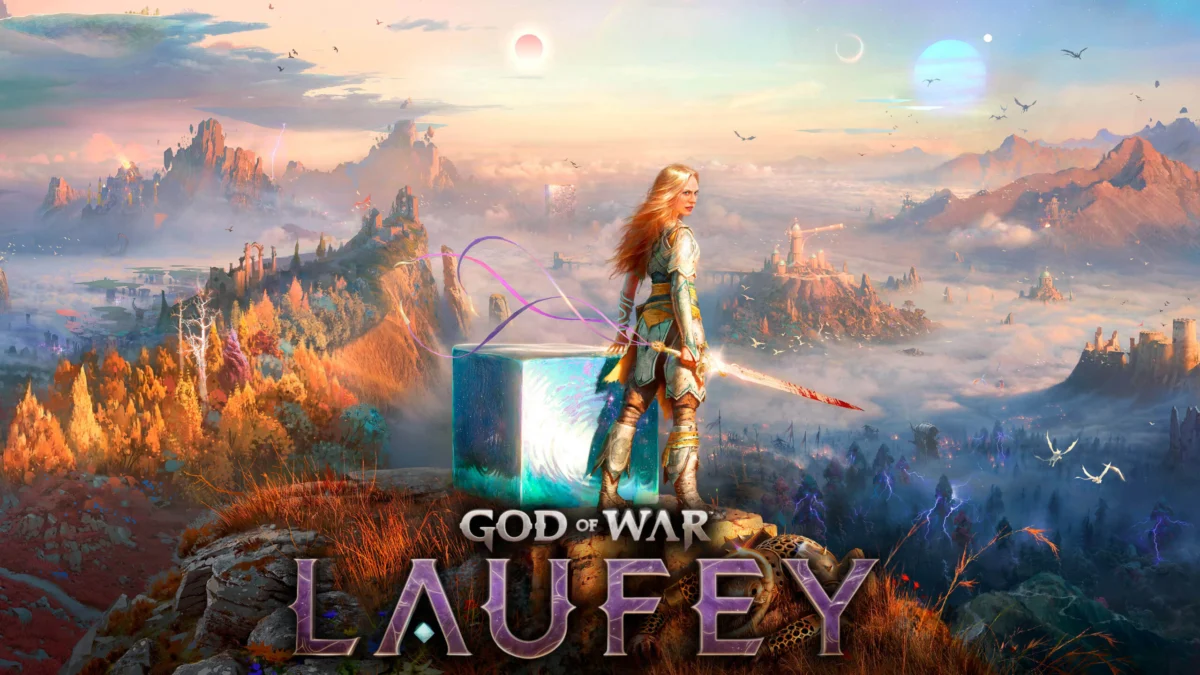
In a surprise announcement that has sent shockwaves through the gaming community, Sony Interactive Entertainment and the acclaimed Santa Monica Studio have officially unveiled God of War: Laufey. This latest entry in the storied franchise marks a significant departure from the established Norse Saga, shifting the narrative focus from the Ghost of Sparta, Kratos, to his formidable wife, the frost giant Laufey—better known to fans as Faye.
Following the reveal, a 20-minute gameplay demonstration was released, showcasing a high-octane, visceral experience that hints at a fundamental expansion of the God of War multiverse. By moving beyond the boundaries of specific regional mythologies, the game introduces a "mishmash" of global pantheons, setting the stage for what may be the most ambitious title in the series to date.
The Core Premise: A Journey Through the ‘Everywhen’
For years, Faye remained a foundational, yet largely mysterious, figure in the Norse chapters of the franchise. Her influence was felt through the legacy she left behind for Kratos and Atreus, but her own story was shrouded in the finality of death. God of War: Laufey subverts this narrative closure entirely.
The game picks up immediately following Faye’s death in the mortal realm. Rather than finding peace, she awakens in the "Everywhen"—a metaphysical afterlife where the boundaries between disparate mythologies dissolve. In this purgatorial realm, Faye discovers that the intricate plans she laid out to protect her husband and son from the machinations of the Aesir and other cosmic threats are being actively sabotaged by forces from beyond the Nine Realms.
Gameplay Mechanics: Precision and Relentlessness
The gameplay footage reveals that playing as Faye offers a distinct tactical experience compared to Kratos. While Kratos embodies brute strength and raw, earth-shaking power, Faye’s combat style is defined by surgical precision, supernatural speed, and fluid control. Players must leverage her agility to dance around enemies, striking with a level of lethality that emphasizes her background as a warrior giant who once held her own against the gods of Asgard.
A Convergence of Mythologies
The most striking aspect of the reveal is the inclusion of deities and figures from outside the Norse and Greek pantheons. The gameplay trailer features a prominent encounter with Sekhmet, the Egyptian goddess of war and healing, whose presence suggests that the "Everywhen" acts as a nexus for all mythological timelines.
Furthermore, observers have identified figures resembling Chinese mythological deities, and the architectural and armor designs throughout the trailer suggest a deliberate blending of cultural aesthetics. This indicates that Santa Monica Studio is moving away from the "contained" geography of the Norse Saga, instead opting for a "World Tree" approach where the afterlife serves as a melting pot of global lore.
Chronology of the Franchise Expansion
- 2018: God of War (Reboot): The introduction of Faye as the unseen catalyst for the journey.
- 2022: God of War Ragnarök: The conclusion of the Norse arc, solidifying Faye’s legacy and the fate of the realms.
- 2026: God of War: Laufey Announcement: The pivot to a multiversal structure, expanding the series’ scope beyond established regional limitations.
Official Narrative Synopsis
Sony and Santa Monica Studio have provided a formal overview of the game’s themes, emphasizing that this title is designed for both veterans of the series and newcomers alike. The official synopsis reads:
"Experience the next chapter of the legendary God of War franchise. Death was supposed to be the end, but for Laufey (Faye), warrior and wife to Kratos, a new adventure is just beginning. Awakening unexpectedly in a strange land after her death, Faye discovers the plans she put in place to protect Kratos and Atreus in her absence are now at risk. To save the ones she loves, Faye must fight through the afterlife of the gods—the Everywhen—where ruthless gods from across mythology vie for power in a land overflowing with dangerous magic."
Implications for the Future of the Franchise
The transition to a multi-pantheon narrative carries significant implications for the future of the God of War brand. By establishing the "Everywhen," Santa Monica Studio has effectively created a narrative "sandbox" that allows for the inclusion of any deity from any culture without the need for the painstaking world-building required in previous entries.

1. Breaking the Regional Cycle
For decades, the God of War series followed a specific cadence: Kratos arrives in a new land, encounters the local pantheon, and systematically dismantles them. God of War: Laufey changes this dynamic by bringing the pantheons to a neutral, yet hostile, battleground. This removes the "outsider" status that Kratos usually held and replaces it with a desperate struggle for balance within an unstable cosmic ecosystem.
2. A New Standard for Combat
The shift to a faster, more agile combat style may signal a change in the series’ mechanical identity. If this title proves successful, future games may incorporate character-swapping or specialized combat roles, moving the franchise closer to a character-action hybrid rather than the traditional third-person action-adventure mold.
3. Expanding the Lore
By exploring the afterlife, the developers are answering questions fans have asked since the 2018 reboot. What happens to the gods when they die? Is there a hierarchy in the afterlife? The "Everywhen" provides a canvas to explore these existential questions, potentially providing a definitive "Grand Unified Theory" of the God of War universe.
Community and Industry Reception
While it is still early, the industry reaction to the trailer has been overwhelmingly positive. The aesthetic departure—blending Egyptian, Chinese, and Nordic motifs—has been praised for its artistic ambition. However, some long-time fans have expressed curiosity regarding how this story will reconcile with the established timeline of the Norse Saga.
There is significant speculation regarding whether Kratos will appear as a supporting character, or if this title will serve as a strictly standalone story. Given the emphasis on Faye’s mission to protect her family, it is highly probable that the narrative will feature emotional flashbacks or perhaps even a crossover encounter, connecting the two protagonists in ways previously thought impossible.
Technical Ambition: Pushing the Hardware
Based on the provided imagery and the 20-minute gameplay showcase, it is clear that God of War: Laufey is being developed with high-end hardware in mind. The level of detail in the environment of the "Everywhen"—characterized by shifting sands, ethereal magical light, and massive, otherworldly structures—suggests that the studio is pushing the limits of the current generation of gaming consoles.
The integration of various architectural styles requires a sophisticated rendering engine capable of handling complex, disparate environments without sacrificing the series’ signature cinematic flair. The transition from the dense, claustrophobic forests of Midgard to the expansive, chaotic vistas of the Everywhen is a testament to the technical evolution of the Santa Monica Studio engine.
Final Thoughts: A Bold New Frontier
God of War: Laufey is more than just a spin-off; it is a declaration of intent. Santa Monica Studio has proven that they are not content to rest on the laurels of the Norse Saga. By placing the player in the shoes of Faye, they are inviting the audience to see the God of War universe through a lens of duty, sacrifice, and cosmic intrigue.
As we await further details regarding the release date and additional character reveals, one thing remains clear: the God of War franchise is entering its most ambitious phase yet. The convergence of mythologies, the introduction of the Everywhen, and the focus on a character as pivotal as Faye ensure that this game will be a cornerstone of the next generation of gaming. Whether you are a fan of the original Greek arc or the recent Norse trilogy, God of War: Laufey promises an experience that is as vast as it is intimate, blending the epic scale of divine war with the deeply human struggle of a mother’s love.
The stage is set. The gods of the world are gathered, and in the heart of the afterlife, a new war begins.












No comments yet. Be the first to join the conversation!