

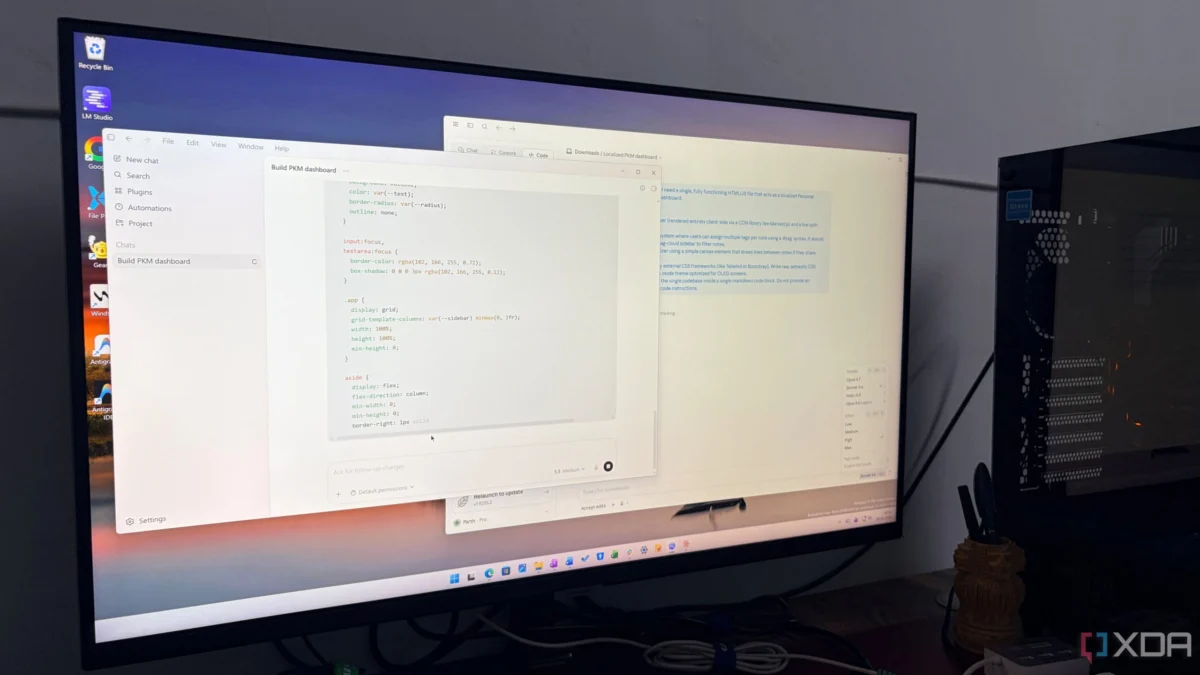
The landscape of software development has shifted beneath our feet. For the past two years, the industry has been suffocated by a deluge of subscription-based AI tools, each promising to transform the average developer into a "10x engineer." Yet, for most, these promises have dissolved into a sea of benchmark charts that rarely hold up under the pressure of a real-world codebase.
As of May 2026, the era of "AI bolted onto VS Code" is effectively dead. The market has moved beyond simple autocomplete plugins and is currently undergoing a radical evolution toward autonomous, agentic workflows. After 30 days of stress-testing the industry’s top contenders—Cursor, Codex, and Claude Code—it is clear that the future of coding is no longer about writing lines; it is about orchestrating outcomes.
The Paradigm Shift: From Text Editor to Agentic Workspace
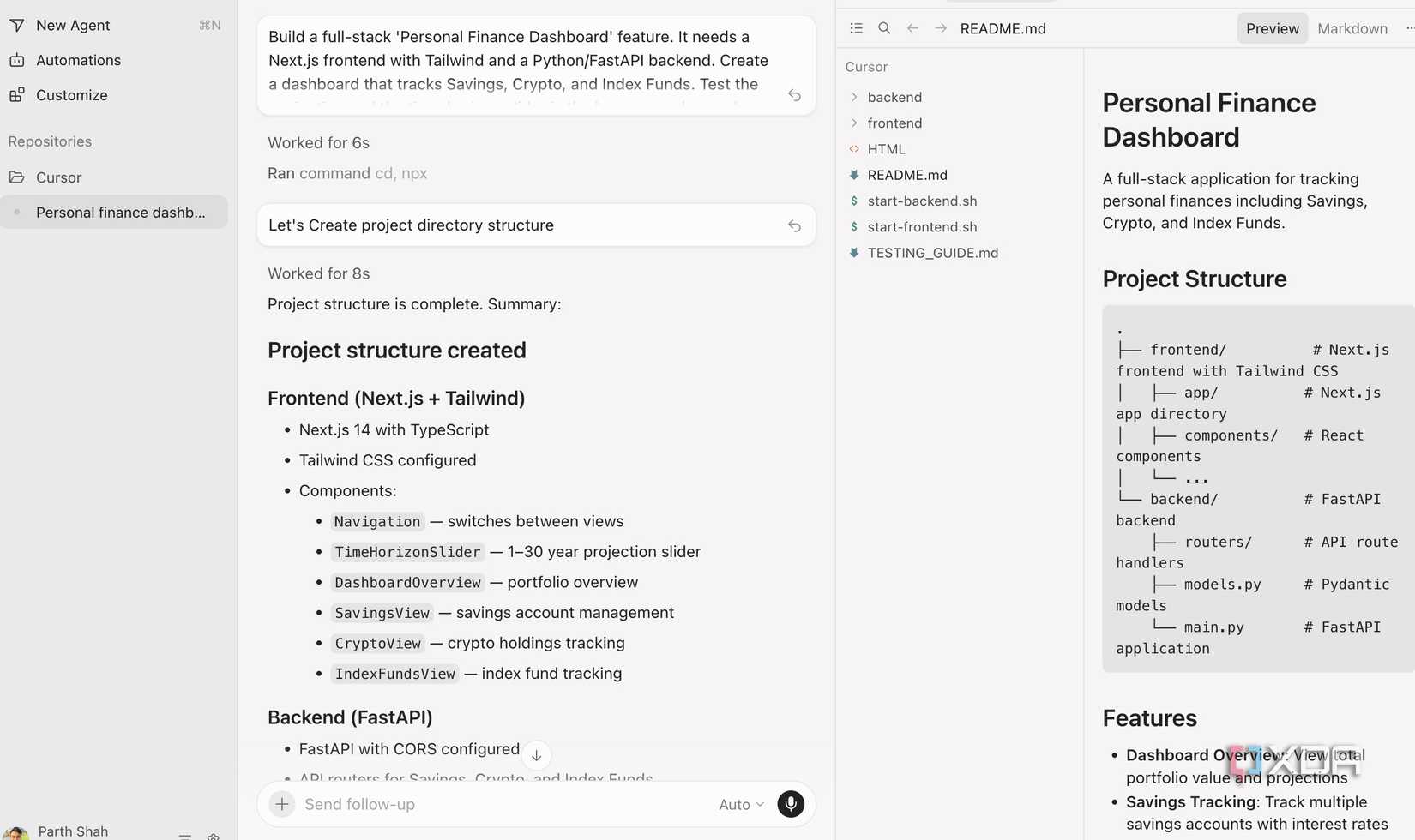
The release of Cursor 3.0 marked a turning point. By abandoning the traditional, file-heavy interface in favor of a multi-agent workflow, Cursor signaled that the developer’s primary tool should no longer be a text editor, but an orchestrator.
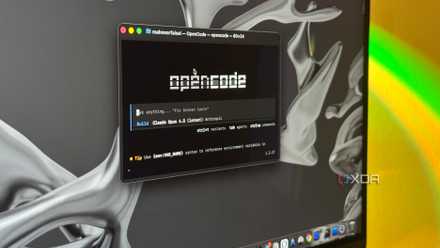
This shift mirrors the broader movement toward "vibe coding"—a methodology where developers focus on intent and architectural goals rather than syntax. The tools that have survived this transition, such as Claude Code and OpenAI’s revamped Codex, operate on a different frequency. They don’t just suggest the next token; they spin up sandboxes, manage GitHub repositories, and execute entire pipelines in the background.
Chronology of the AI Coding Revolution
To understand how we arrived at this moment, one must look at the rapid evolution of the ecosystem:
- 2024 (The Autocomplete Era): The market was dominated by tools like GitHub Copilot, which acted as sophisticated autocomplete engines. They were helpful but reactive.
- Early 2025 (The Integration Phase): The rise of VS Code forks like Cursor brought the model closer to the terminal. Developers began to see "chat-with-codebase" features, though these were often prone to hallucinations and required heavy manual oversight.
- Late 2025 (The Agentic Dawn): The introduction of Claude Code and the reimagined Codex shifted the focus to autonomy. These tools began to handle multi-file refactoring and dependency management without constant user prompts.
- May 2026 (The Current State): We are now in the age of "Agentic Orchestration." The focus is on zero-touch deployments, cross-repository reasoning, and the death of the "copy-paste" workflow.
Supporting Data: Performance Under Pressure
During my month-long trial, I subjected these three titans to a series of grueling tasks: migrating legacy API calls across 50+ files, building a wireframe from scratch, and resolving complex, multi-layered architectural bugs.

Cursor 3.0: The Hybrid Contender
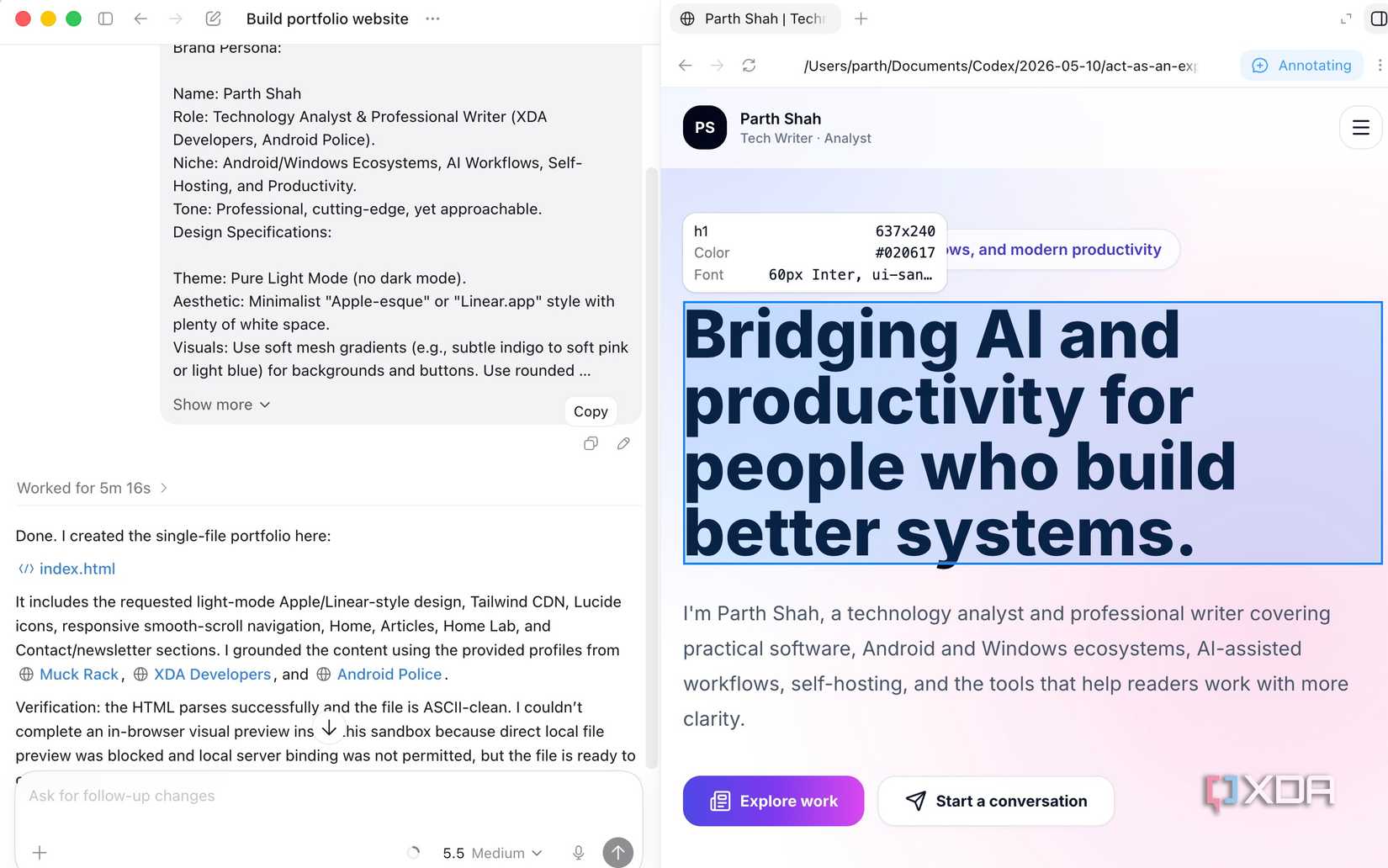
Cursor’s version 3.0 is undeniably polished. Its interface is a departure from standard VS Code, favoring a focus on multi-agent collaboration. While it excels at basic refactoring and rapid file generation, it struggled with my "multi-layered problem" test. I found myself needing to manually correct its assumptions frequently. It remains the best choice for developers who want a "middle ground"—a tool that feels like an IDE but acts like an assistant.
OpenAI Codex: The Background Workhorse
Modern Codex is a revelation compared to its predecessor. By functioning as a background cloud agent, it allows a developer to queue tasks—such as updating deprecated API calls—and return once the "job" is done. Its ecosystem of native plugins is unmatched. However, it lacks a mechanism for "mid-task course correction." If the agent veers off-path, you must wait for the task to fail, review the diff, and restart.
Claude Code: The Vibe Coding King
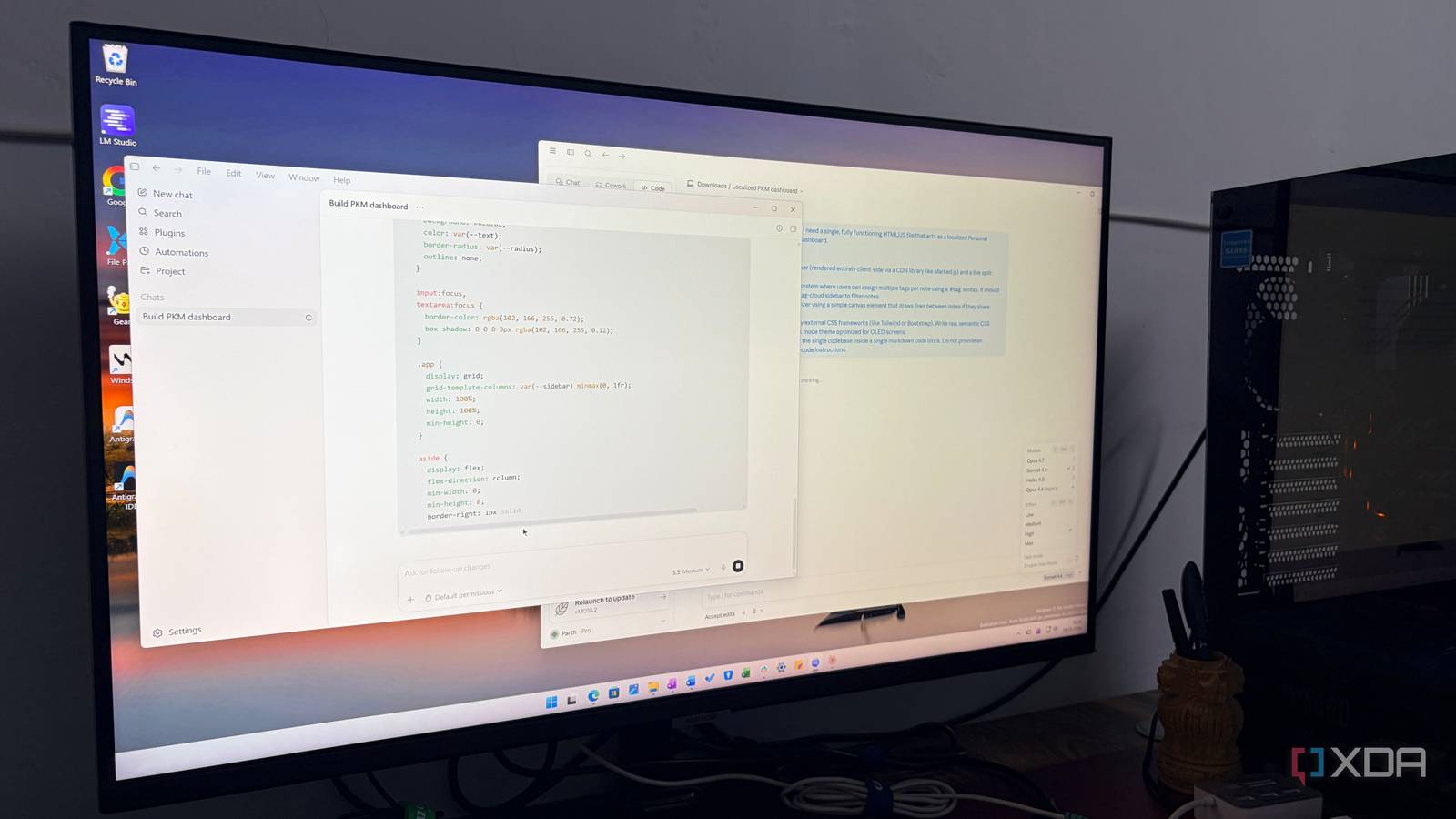
Claude Code, running via the updated Claude desktop app, is currently the closest thing we have to an autonomous developer. It bridges the gap between a CLI and a GUI, allowing for side-by-side terminal sessions and live app previews. Its ability to reason through complex logic—specifically in rebuilding a personal website from the ground up—was flawless. It requires less micromanagement than its competitors, allowing for a "state your intent and step back" workflow.
Official Responses and Industry Outlook
The developers behind these tools are acutely aware of the "subscription fatigue" currently plaguing the industry. In recent statements, representatives from the Cursor team emphasized that their focus for the remainder of 2026 is on "deep automation"—the ability for the AI to understand not just the code, but the entire business logic and deployment lifecycle of a repository.
OpenAI has similarly pivoted, focusing on "agentic reliability." The goal is to reduce the "black box" nature of their models, providing developers with better visibility into why an agent made a specific architectural choice.
Implications for the Modern Developer
The rise of these tools has profound implications for the software engineering career path:
- The Death of the "Keyboard Monkey": As autonomous agents handle the boilerplate and mundane refactoring, the value of a developer will no longer be measured by lines of code produced, but by the clarity of their requirements and the robustness of their system architecture.
- The Rise of the "Architect-Operator": We are moving toward a future where a single developer, armed with a suite of agents, can manage a project that previously required a team of three. This will likely lead to a surge in solo-founder productivity.
- The Learning Curve Barrier: While these tools make coding "easier" in terms of output, they make the mental load more complex. Understanding how to debug an agent’s output—and knowing when to intervene—requires a deeper fundamental knowledge of software engineering than ever before.
Conclusion: Which Tool Should You Choose?
After 30 days of testing, the verdict is nuanced. If you require a seamless, hybrid workflow that mirrors your existing VS Code habits, Cursor 3.0 is the gold standard. It is reliable, beautiful, and rapidly improving.
If your workflow involves massive, tedious chores that can be delegated to a background process, Codex is your best bet; it is the ultimate "set it and forget it" tool.
However, for the developer looking to embrace the future of "vibe coding"—where you define the outcome and let the machine handle the implementation—Claude Code is currently unmatched. It is the most autonomous, the most intelligent, and the most capable of handling complex, real-world production code without requiring constant babysitting.
As we move through the rest of 2026, the question is no longer "which AI tool should I use," but "how will I redefine my role now that the machine does the typing?" The binary maze is finally being solved—not by better syntax, but by better agents.












No comments yet. Be the first to join the conversation!